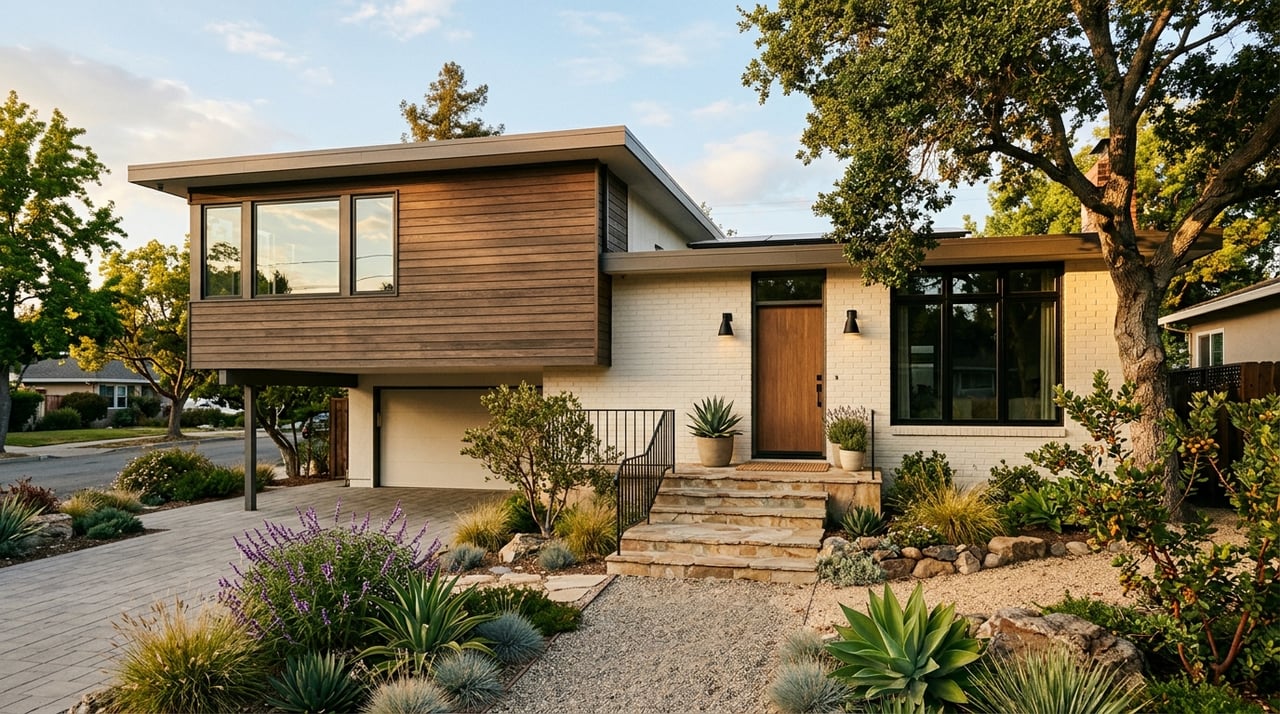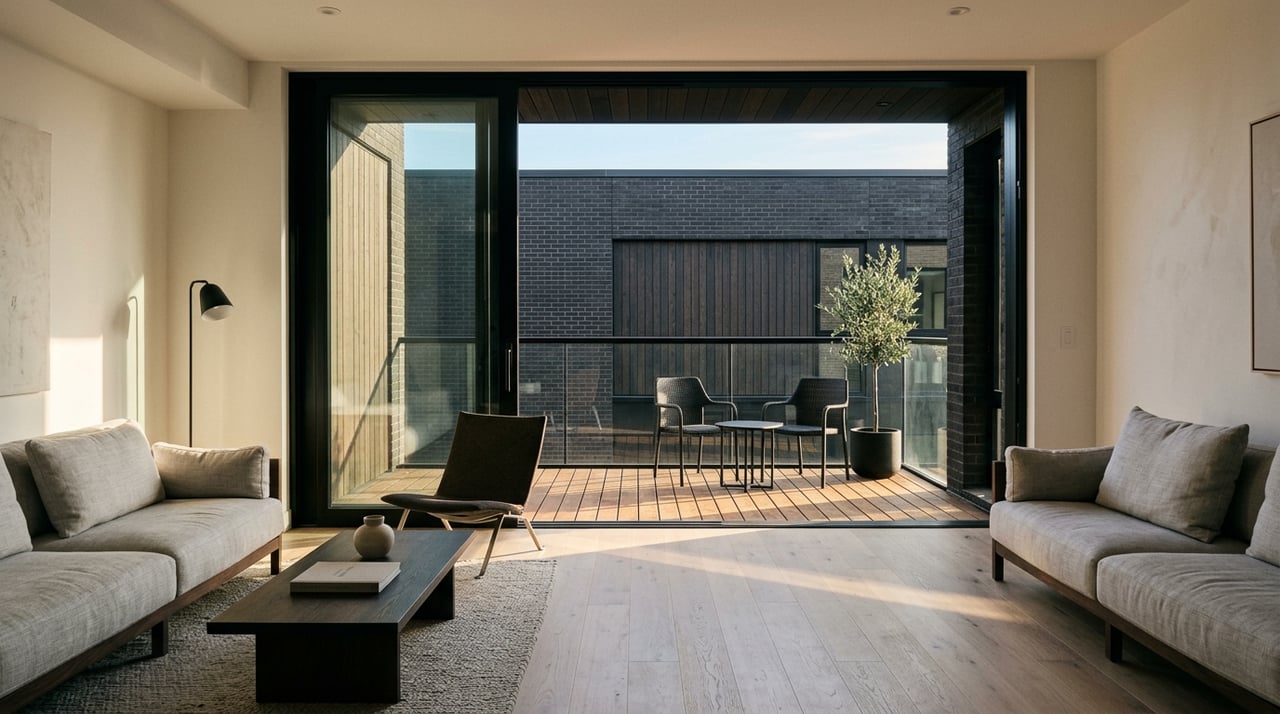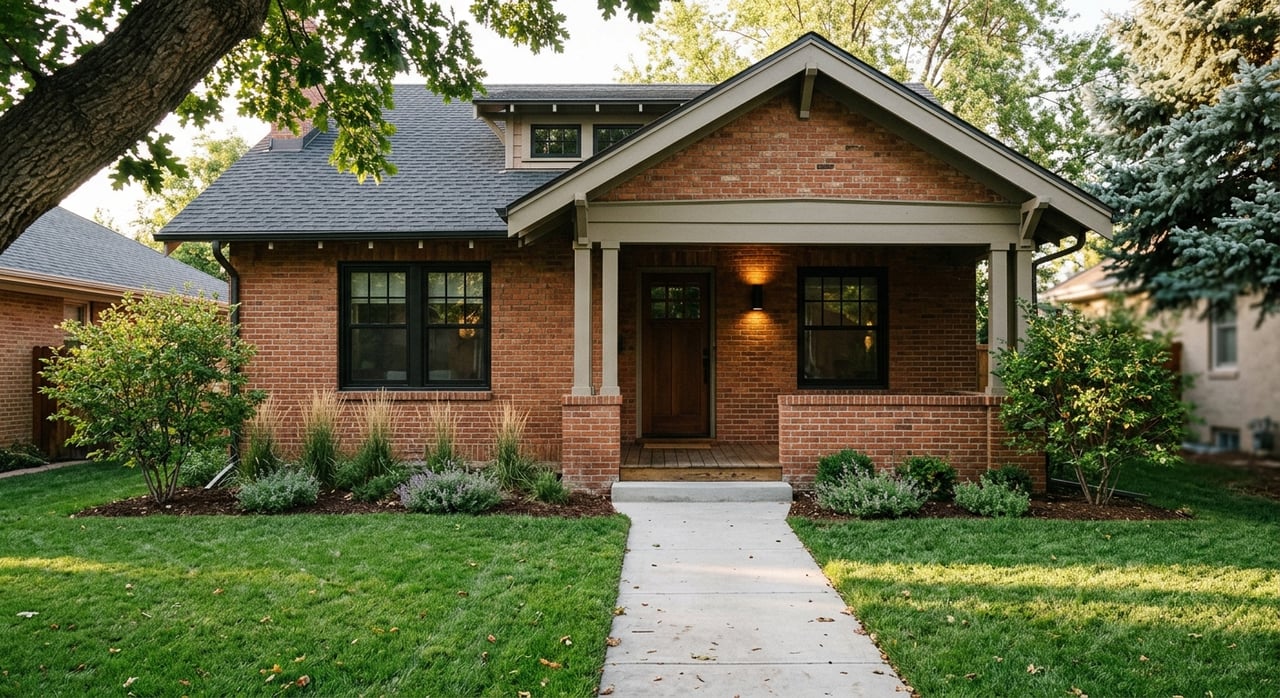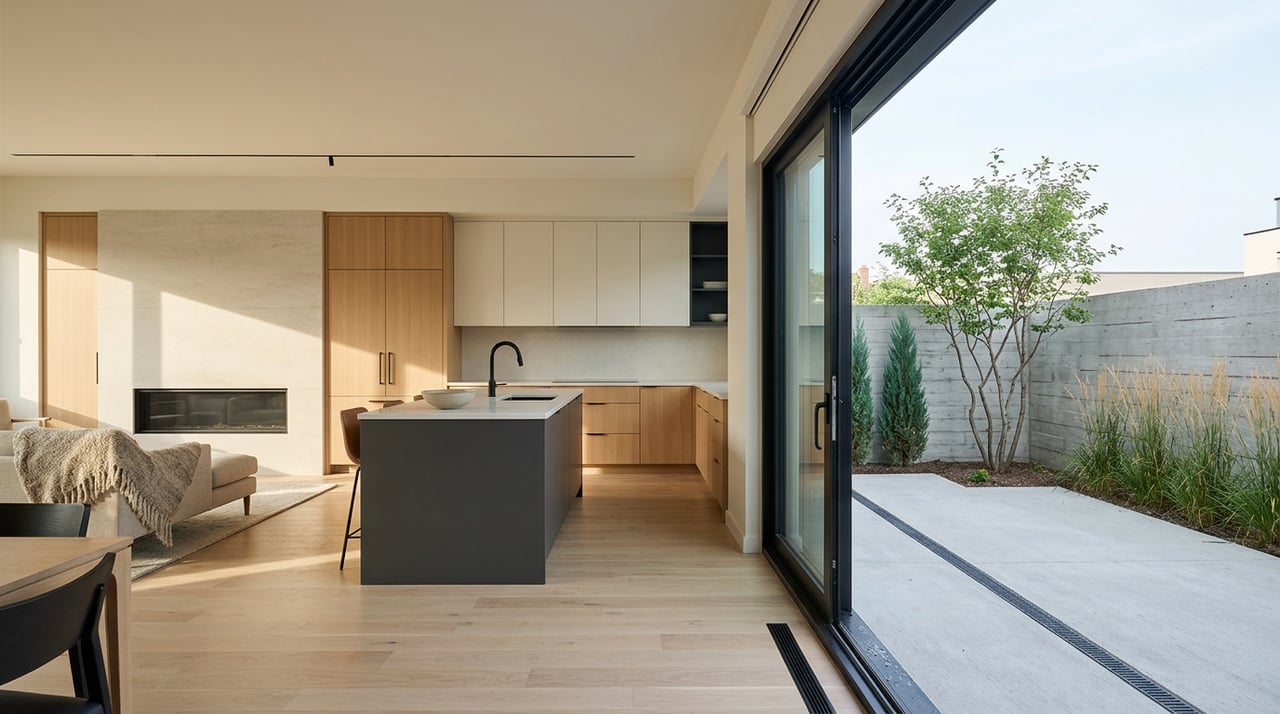
Trying to decide between a sleek LoHi condo and a stylish townhome in Denver’s Highlands? You are not alone. The Lower Highlands is walkable and lively, which makes the choice feel exciting and a little overwhelming. In this guide, you will learn how condos and townhomes differ in ownership, HOA costs, parking, noise, outdoor space, short‑term rental rules, maintenance, and resale. You will also get a simple decision matrix and steps to pull live LoHi listings. Let’s dive in.
LoHi living at a glance
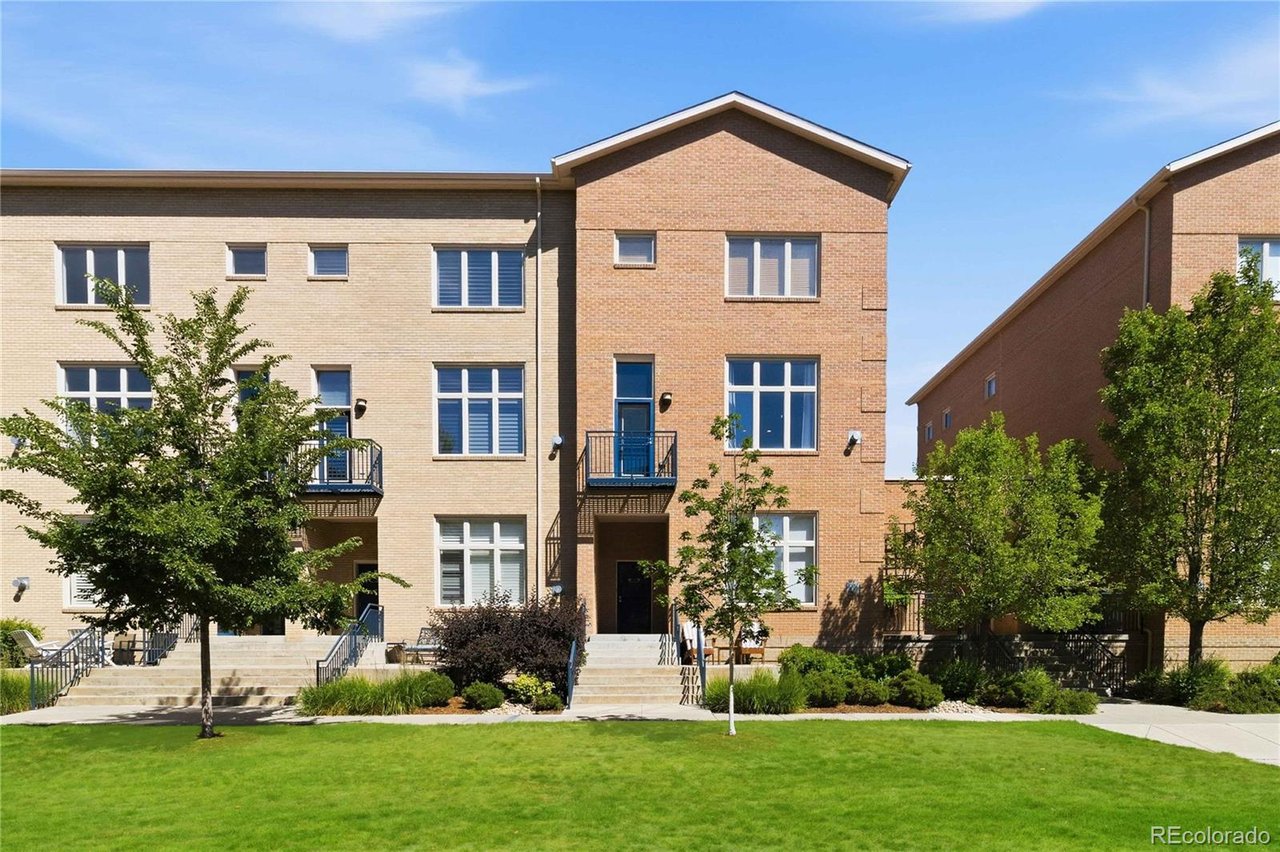
LoHi sits just northwest of downtown Denver and blends restaurants, bars, coffee shops, and nightlife with quick access to the city core. That energy brings high walkability, plus more evening street activity and some traffic noise. Housing options include mid‑rise and low‑rise condo buildings, converted lofts, attached townhomes, and fee‑simple rowhomes. Many properties were built or redeveloped in the 2000s and 2010s, so construction types and HOA structures can vary widely.
Condo vs townhome ownership explained
What a condo means for you
With a condo, you own your unit plus a shared interest in common elements that the HOA maintains. The HOA typically covers the exterior, roof, common corridors, elevators, landscaping, and building insurance. You pay monthly dues and may face special assessments for major projects. Rules can limit use, set rental policies, and govern parking or amenities.
What a townhome means in LoHi
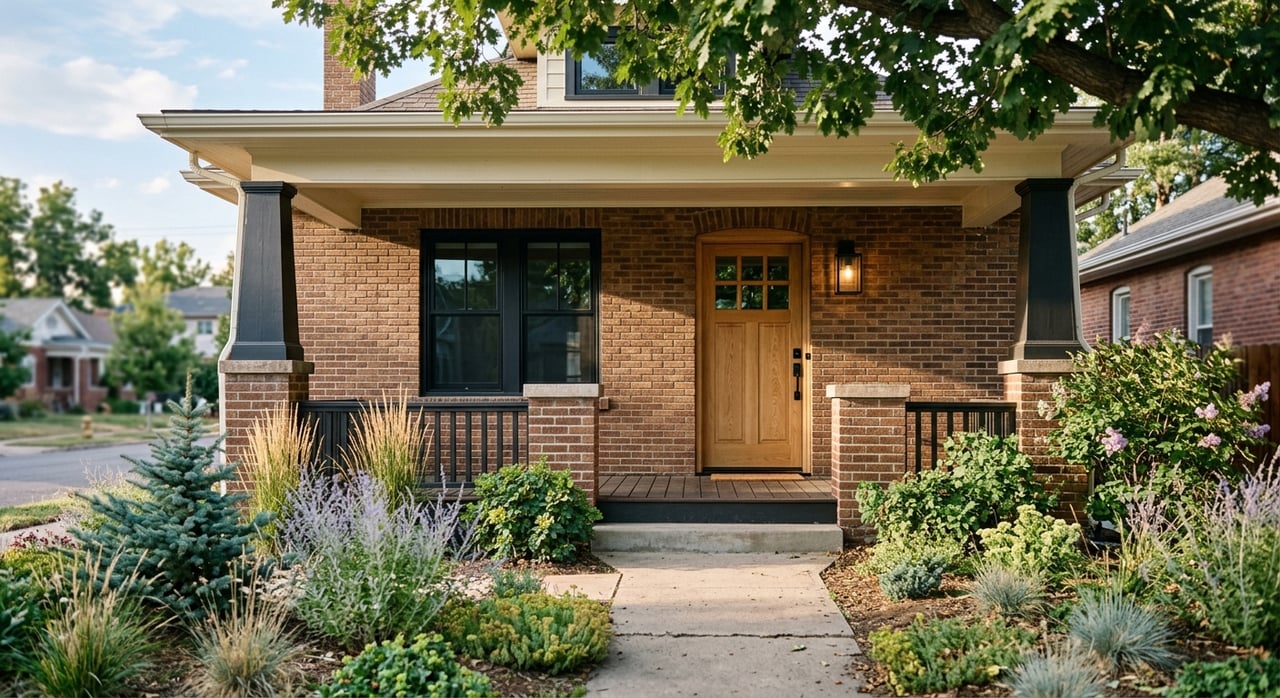
Townhomes in LoHi come in two forms. A fee‑simple townhome or rowhome gives you ownership of the land and structure with little or no HOA, or a limited HOA for shared items like driveways. A townhome within a condominium or common interest community works more like a condo, with shared elements and an HOA. Fee‑simple homes often give you more control over exteriors and outdoor spaces, but you take on more maintenance and insurance.
Why this matters for lifestyle
If you want a low‑maintenance, lock‑and‑leave setup, condos are built for that. If you want a private garage, rooftop deck, small yard, or freedom to modify exterior spaces, fee‑simple townhomes fit better. Your tolerance for rules, maintenance, and monthly costs will tip the balance.
Compare what matters in LoHi
HOA costs and governance
HOA dues reflect amenities, on‑site staff, insurance, reserves, utilities included in fees, and the building’s age and needs. Mid‑rise LoHi condos often have higher dues that support elevators, common systems, and security. Townhomes with limited HOAs can carry lower fees, while townhomes in a condo regime may look similar to condos. To protect yourself, request and review the HOA bylaws, CC&Rs, budget, reserve study, meeting minutes, insurance, special assessment history, rules, and a current resale certificate. Watch for underfunded reserves, pending litigation, and near‑term capital repairs.
Parking and storage
Parking can be competitive on LoHi streets. Some addresses fall under residential permit rules. In condos, garage spaces may be deeded or leased, and storage lockers may be limited or extra cost. Many fee‑simple townhomes include attached garages and more private storage. Verify whether parking is deeded or assigned, the number of spaces, guest parking rules, any street permit requirements, bike storage options, and storage unit access before you write an offer.
Privacy and noise
Proximity to restaurants and nightlife can raise evening noise. Construction type matters. Concrete or masonry mid‑rises usually provide better sound isolation than wood‑framed low‑rises or townhomes with shared party walls. On showings, check unit orientation, floor level, wall and ceiling construction, HVAC noise, and deck proximity to neighbors. Review any community quiet hours and ask about short‑term rental activity that could affect turnover and noise.
Outdoor space and pet rules
Condos often offer balconies or shared courtyards, and some buildings have roof decks. Townhomes are more likely to include private patios, small yards, or deeded rooftop decks. HOA rules can limit grills, planters, or rooftop changes. Pet policies live in the CC&Rs and may set size limits, deposits, or designated relief areas. Confirm the exact rules in writing.
Short‑term rentals and local compliance
Short‑term rentals in Denver have two layers of control. The City and County of Denver requires STR registration, tax collection, and compliance with occupancy and safety rules. HOAs can be stricter and may prohibit STRs, limit stays, or require registration with the association. Even if the city allows STRs, your HOA can still ban them. Always request the HOA’s rental and STR policies and ask about enforcement history before you count on rental income.
Maintenance and insurance
In condos, the HOA handles the exterior, roof, and common systems, and you maintain the interior. Condo owners typically carry an HO‑6 policy for interior finishes and personal property. In fee‑simple townhomes, you usually maintain the roof, exterior, and yard, which increases ongoing costs but gives you control. Fee‑simple owners typically carry an HO‑3 style policy that covers the structure and land. Confirm what the master HOA policy covers and where your responsibility begins.
Resale and marketability
Condos appeal to buyers and renters who want convenience, amenities, and turnkey living. Fee‑simple townhomes draw buyers who want a private garage, more outdoor space, and more control. Investor interest depends on rental and STR rules, as well as HOA health and reputation. For sellers, strong HOA financials, clear rule enforcement, and well‑maintained amenities support better outcomes.
Decision matrix: condo vs townhome
Use this simple scoring tool to align your priorities with the right LoHi property type.
How to use it:
- Assign a Weight from 1 to 5 for how important each factor is to you.
- Score each property type from 1 to 5. Higher means better fit for that factor.
- Multiply Weight x Score for each column, then total the Weighted Condo and Weighted Townhome columns.
| Factor | Your Weight (1-5) | Condo Score (1-5) | Weighted Condo | Townhome Score (1-5) | Weighted Townhome |
|---|---|---|---|---|---|
| Low‑maintenance lifestyle | |||||
| Private outdoor space | |||||
| Parking and garage needs | |||||
| Noise and privacy tolerance | |||||
| Flexibility to rent (STR/LTR) | |||||
| Monthly cost sensitivity | |||||
| Control over exterior/renovations | |||||
| Resale and investor appeal | |||||
| Total |
Example patterns to expect:
- You travel often and want predictable building services. Scores often favor a condo.
- You want a private garage, rooftop deck, and freedom to tweak exteriors. Scores often favor a fee‑simple townhome.
- You want STR income. The winner depends on HOA and city rules. Never assume STRs are allowed.
How to pull current LoHi listings by type
Active inventory changes daily, so use filters instead of static links.
Step by step:
- Use an MLS/IDX search and draw a polygon around Lower Highlands and adjacent Highlands blocks near downtown. Save the area as “LoHi.”
- Filter by property type: Condo, Townhouse, Attached, and Fee‑simple or Rowhome if available.
- Add filters that matter to you: HOA fee, garage or assigned parking, balcony or roof deck, private yard, number of stories, and any rental notes in remarks.
- Sort by Newest for a snapshot or by Price for a range of options.
- Export or save your search and include a timestamp like “Listings pulled on [date/time].”
What to capture from each listing:
- Monthly HOA fee and what it covers
- Whether parking is deeded or assigned, and how many spaces
- Storage availability and bike storage
- Outdoor features such as balcony, private patio, or rooftop deck
- Construction type or building year
- Any stated rental or STR policy, and any recent special assessment notes
Prefer a curated list? Ask for an IDX‑powered set of LoHi condos and townhomes that match your filters, plus alerts for new and price‑improved listings.
Due diligence checklist
Before you go under contract, assemble the right documents and questions.
Documents to request:
- Resale certificate and full HOA package: bylaws, CC&Rs, budget, reserve study, insurance declarations, rules, and recent meeting minutes
- Parking deed or assignment and guest parking rules
- Recent engineering or inspection reports for major building work
- Any STR registration proof if the property operated as a short‑term rental
- Insurance coverage summary showing what the HOA master policy covers
Questions to ask the HOA or manager:
- What are the limits on short‑term and long‑term rentals?
- Are any special assessments planned in the next 12 to 24 months?
- How are noise and nuisance complaints handled?
- Are decks and roofs common elements or owner responsibilities?
- Which utilities are included in monthly dues?
Inspection priorities:
- Visit at peak evening times to gauge noise
- Evaluate HVAC age and noise, roof condition for fee‑simple townhomes, and moisture or drainage for ground‑level units
- In condos, review shared systems such as elevators and boilers for recent service and planned upgrades
Which LoHi option fits you?
Choose a condo if you want convenience, professional building management, and a true lock‑and‑leave lifestyle near LoHi’s energy. Choose a fee‑simple townhome if private outdoor space, a garage, and more control over your property top your list. Either way, your best move is to verify HOA rules, parking, construction, and rental policies before you decide.
If you want a tailored search, neighborhood insight, and help reading HOA documents, reach out for local guidance and an IDX‑powered listing set that matches your priorities. Connect with Colin Whitenack to get started.
FAQs
Are townhomes always cheaper to own than condos in LoHi?
- Not always. Fee‑simple townhomes may have lower or no HOA fees but carry higher owner maintenance and insurance costs, while condos shift exterior costs to the HOA and can still have special assessments.
Can you run a short‑term rental in a LoHi condo or townhome?
- It depends on both Denver’s STR registration and tax rules and your HOA’s CC&Rs. Many associations restrict or prohibit STRs, so you need written confirmation from the HOA before relying on STR income.
Which is quieter in LoHi, a condo or a townhome?
- It varies by construction and location. Concrete or masonry mid‑rises often provide better sound isolation, while wood‑framed townhomes and low‑rises can transmit more noise, especially near nightlife corridors.
How does parking work for LoHi condos and townhomes?
- Condos may offer deeded or leased garage spaces and limited storage, while many fee‑simple townhomes include private garages. Always verify the number of spaces, whether they are deeded, guest rules, and any street permit requirements.
What insurance do you need for a LoHi condo vs a townhome?
- Condo owners typically carry an HO‑6 policy for interior finishes and personal property because the HOA insures the building. Fee‑simple townhome owners usually carry an HO‑3 style policy that covers the structure and land.