If you live near Washington Park in Denver, you already know the draw: lakes, trails, gardens and a daily parade of runners and dog walkers. The question is how to turn that lifestyle into a stronger sale price without overreaching. Pricing the “park perks” well can add real value, but it takes local evidence and smart presentation.
In this guide, you’ll learn what buyers value most near the park, how proximity affects price, and the exact steps to build a data-backed price strategy. You’ll also get timing and marketing tips to capture peak demand. Let’s dive in.
What buyers value near Wash Park
Washington Park is a signature Denver amenity. It spans roughly 160 to 165 acres, with two lakes, a historic boathouse and pavilion, formal gardens, sports courts and a recreation center. A perimeter loop of about 2 to 2.6 miles is a daily fitness magnet. These specifics matter because buyers respond to concrete lifestyle features, not vague hype. Learn more about the park’s layout and history in the overview of Washington Park, Denver.
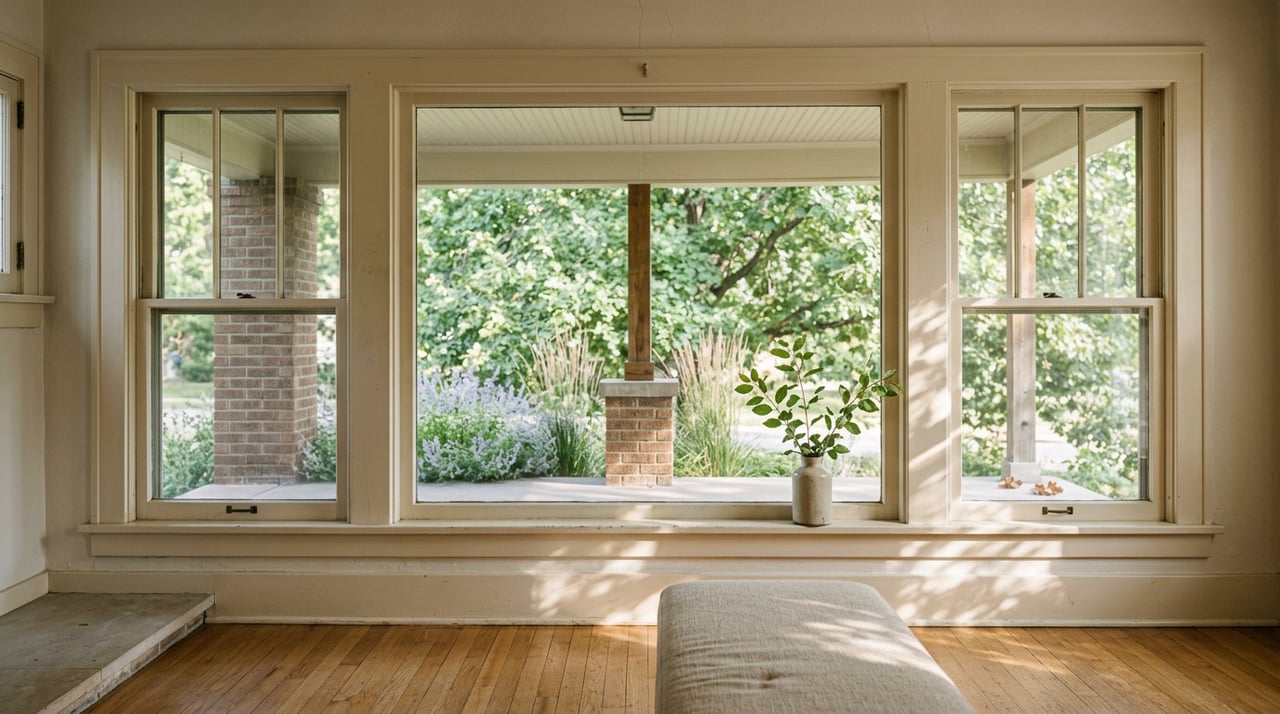
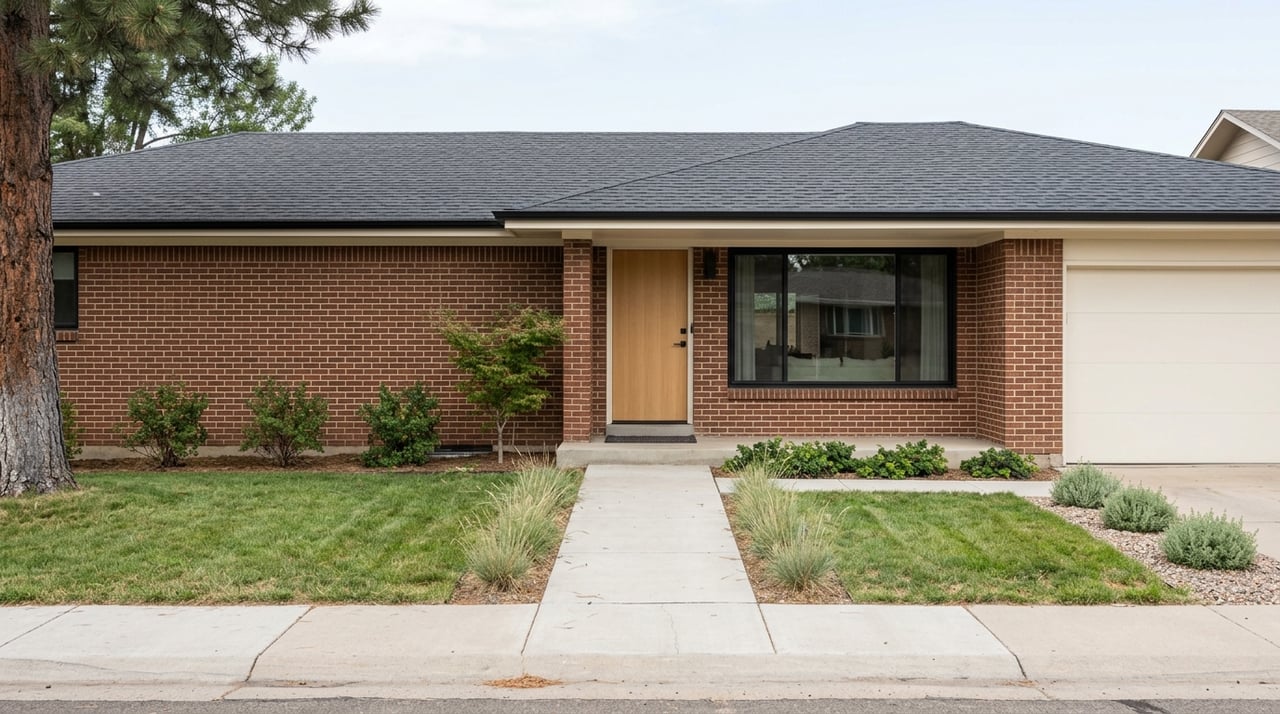
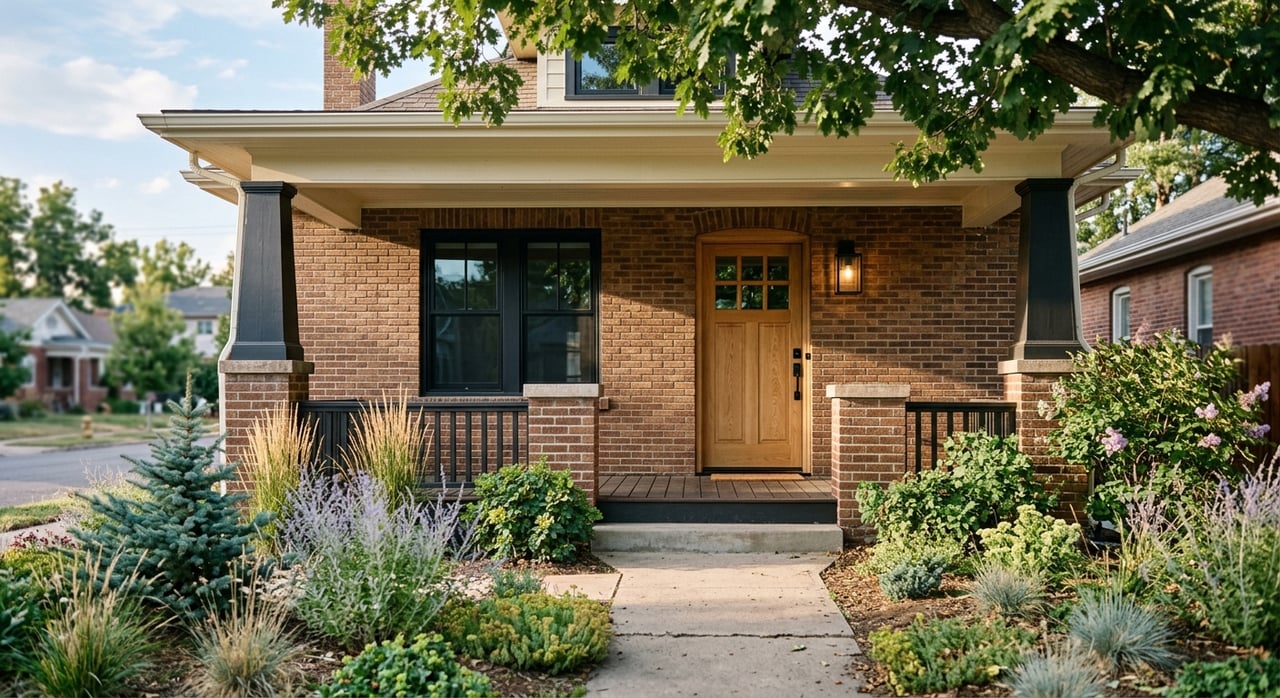
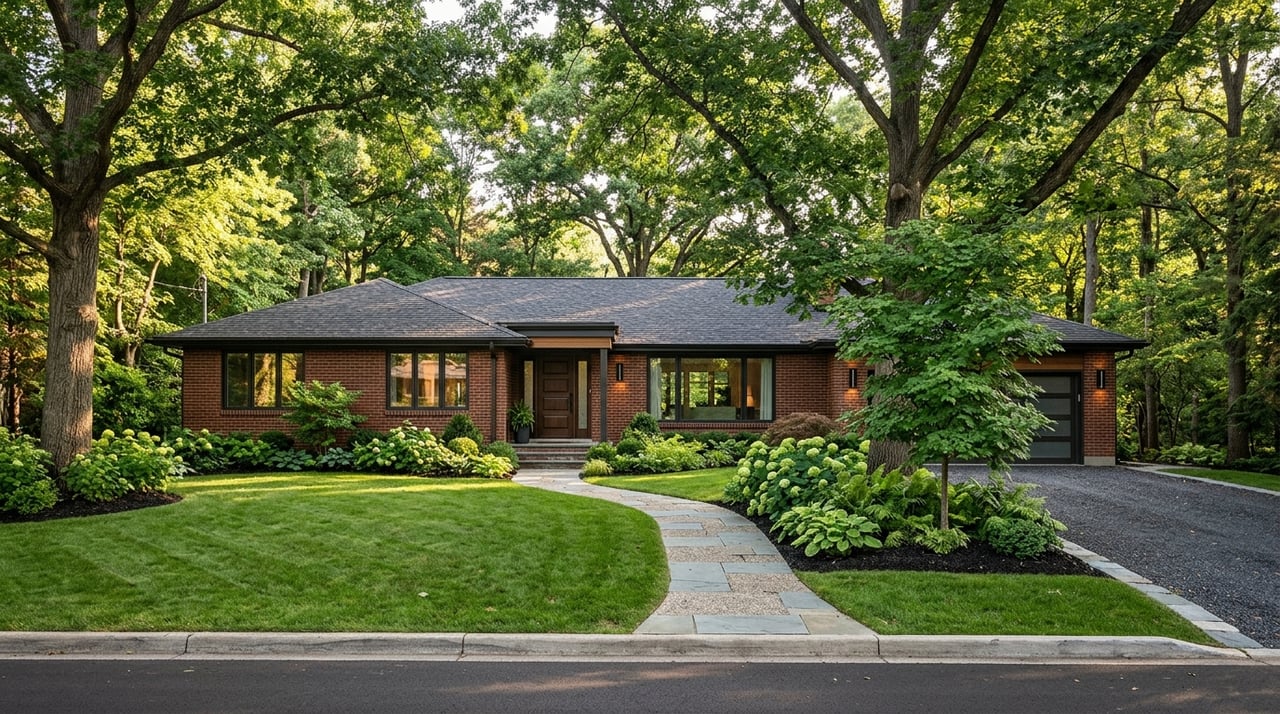
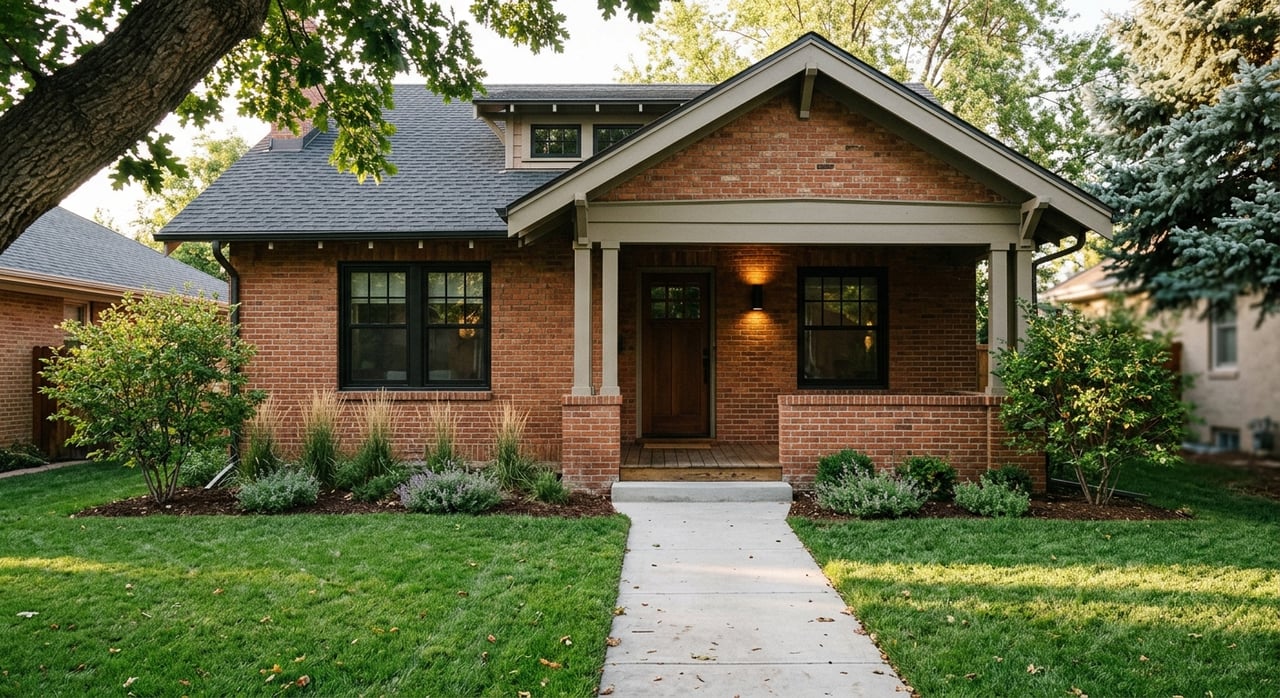
The surrounding neighborhood mixes early 1900s homes and newer infill. You’ll see Denver Squares, Craftsman bungalows, period Victorians and modern builds. Typical single-family lots often land in the 5,000 to 7,500 square foot range, and mature trees are a valued feature in themselves. A local snapshot of lot patterns and product mix can be found in this Washington Park neighborhood report.
Buyers are also placing stronger emphasis on usable private outdoor space. National research notes that outdoor space ranks high in move decisions, and many households with pets and an active lifestyle value walkability and nearby parks. See the latest preference trends in this NAR buyer priorities summary.
How park proximity affects price
Across many markets, the “proximate principle” is clear: homes closer to well-kept parks tend to sell for more than similar homes farther away. Academic literature commonly cites premiums around 8 to 20 percent for properties adjacent to or very near high-quality parks, with effects tapering toward zero by roughly a half mile. Review the research overview on the proximate principle literature.
That said, the premium is not uniform. It depends on exact location and use patterns.
- Positive signals: direct frontage or immediate adjacency, unobstructed park views, a short and pleasant walk, and high-quality upkeep.
- Potential tradeoffs: proximity to busy fields, event staging, or recurring parking congestion can soften the premium in the closest ring.
Be transparent about events and traffic. Buyers appreciate honesty about seasonal activities like Fourth of July gatherings and other large draws. A local roundup such as this Denver July event guide can help you reference the calendar in your materials.
Value your park perks with a practical CMA
A defensible price comes from market evidence, not rules of thumb. Follow the same steps appraisers use, adapted to Washington Park.
Step 1: Define the subject precisely
Document your home’s product type, finished square footage, effective age and condition, and lot size. Measure walk time and straight-line distance to the nearest park access. Note view corridors and typical parking patterns on your block. These basics match standard guidance in the Appraisal Institute guide notes.
Step 2: Select the right comparables
Pull recent sales within about a quarter to a half mile of your home. Match on structure type, square footage, lot size and quality. Your goal is to find at least a few pairs where park proximity is a key difference. See professional paired-sales recommendations in Colorado’s Real Property Valuation Manual.
Step 3: Use paired-sales analysis to isolate the park effect
Compare two or more pairs of sales that are similar except for park adjacency. Adjust for non-park differences like size, condition and updates. The remaining price gap is your market-derived park premium. This is a preferred method in appraisal and assessor practice and is described in both the Appraisal Institute guide notes and the Colorado manual.
Step 4: Convert your finding into consistent adjustments
Once you estimate a dollar or percent premium, apply it consistently across your comp grid. Reconcile to a value range rather than a single point. If data are thin, widen the time window cautiously and note increased uncertainty. Document your process and sources. Consistent documentation builds buyer confidence at negotiation and appraisal.
Lot and outdoor features that pay off
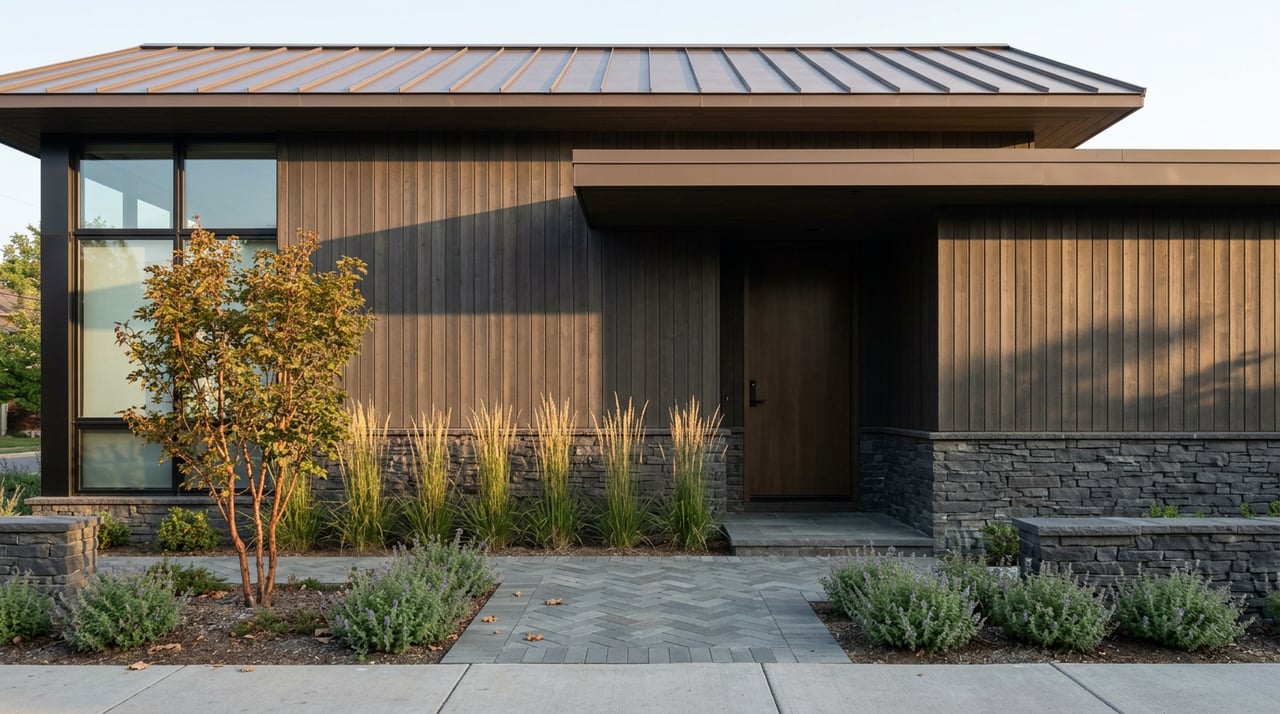
Park adjacency works best when your private outdoor spaces also show well. Simple, cost-effective improvements can make a strong first impression and support a higher price.
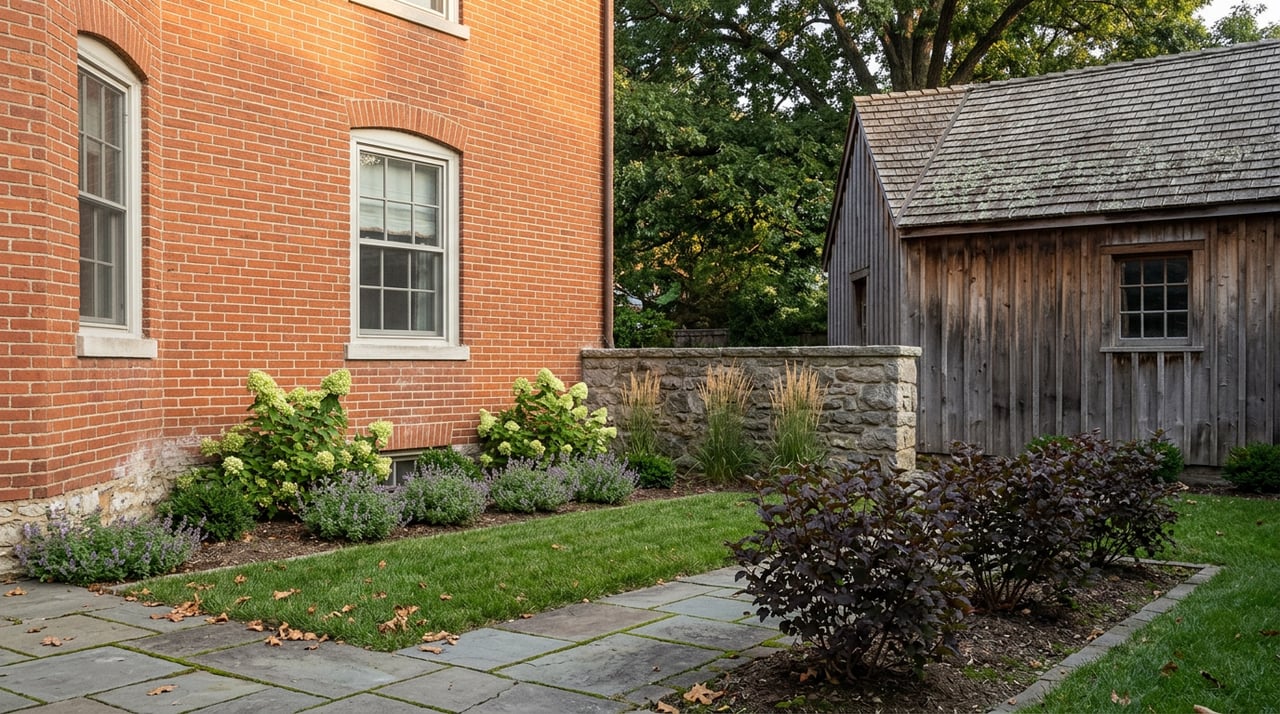
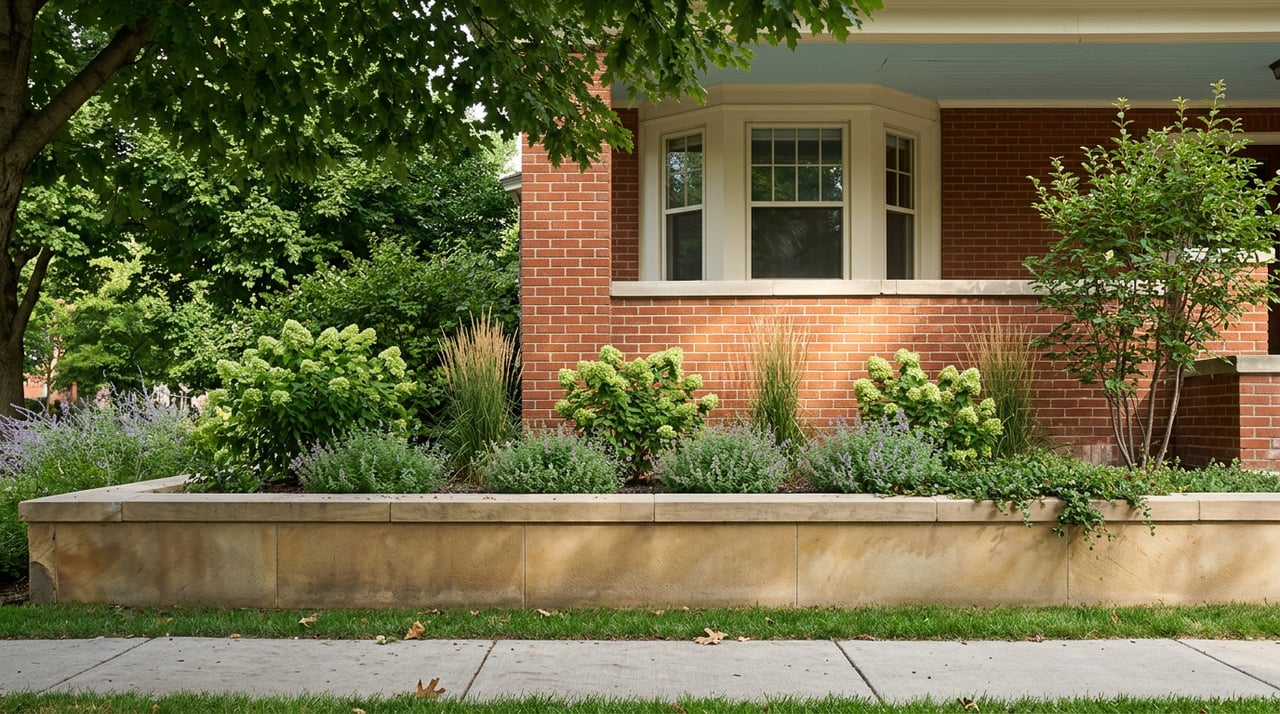
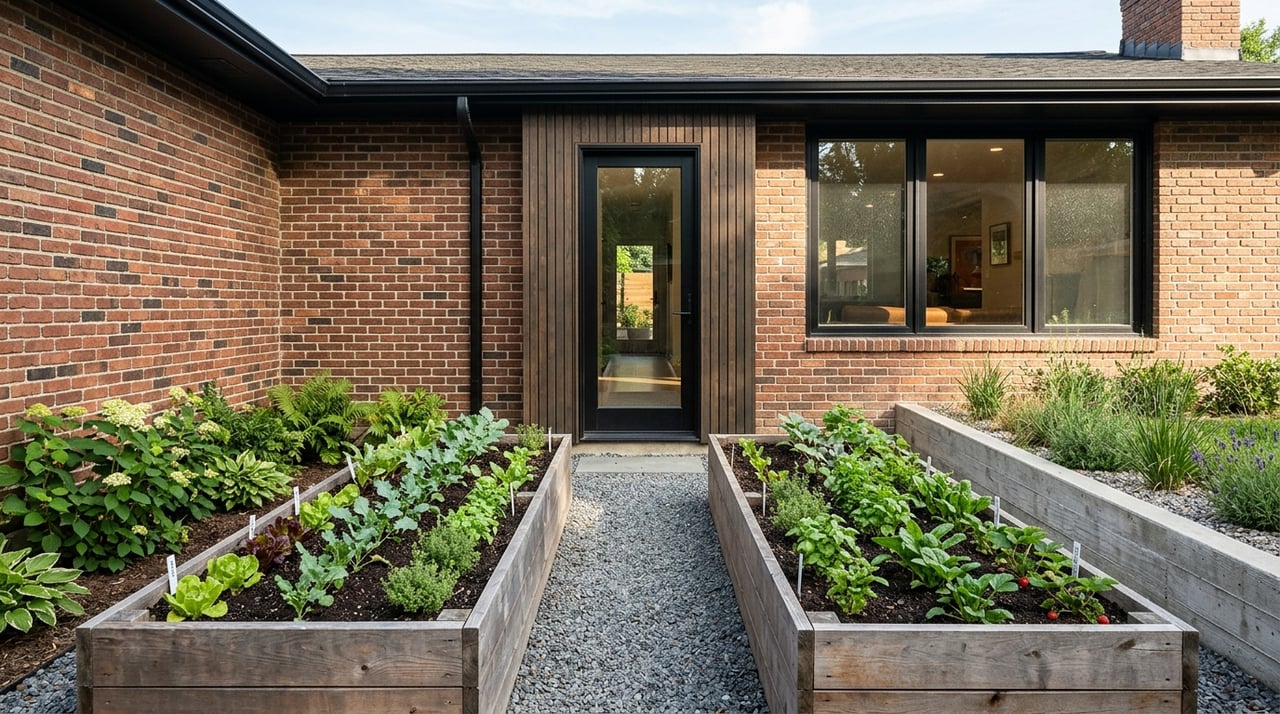
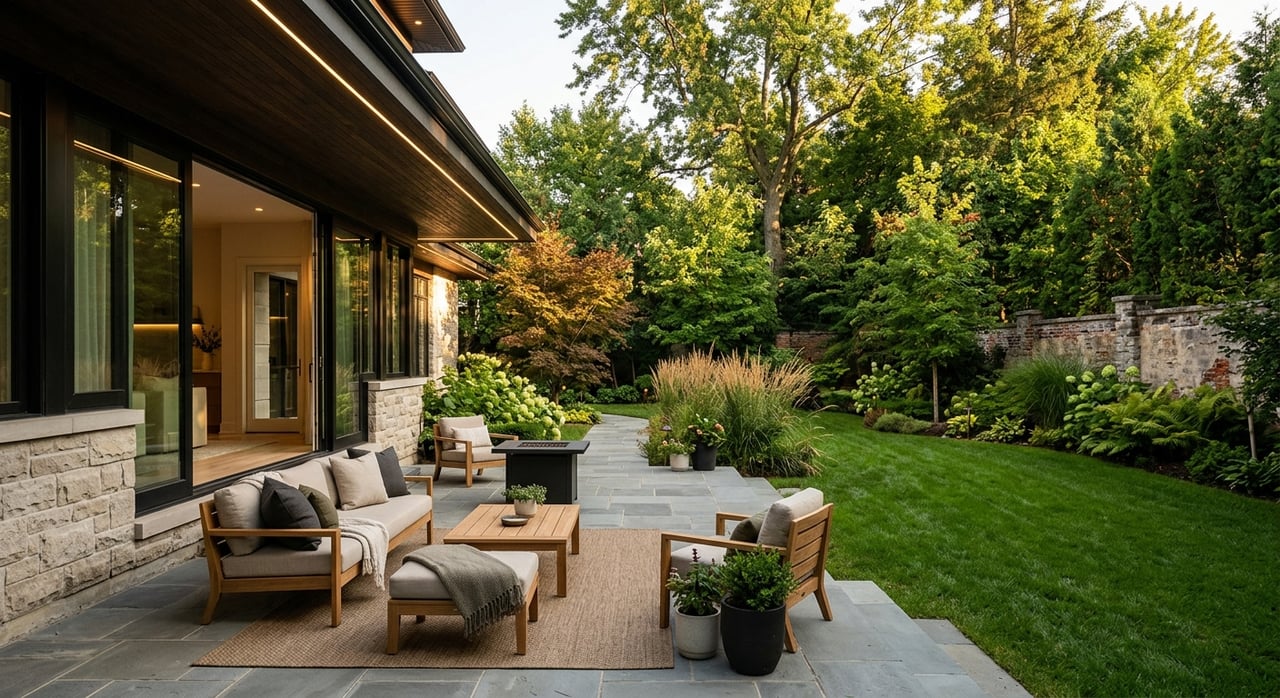
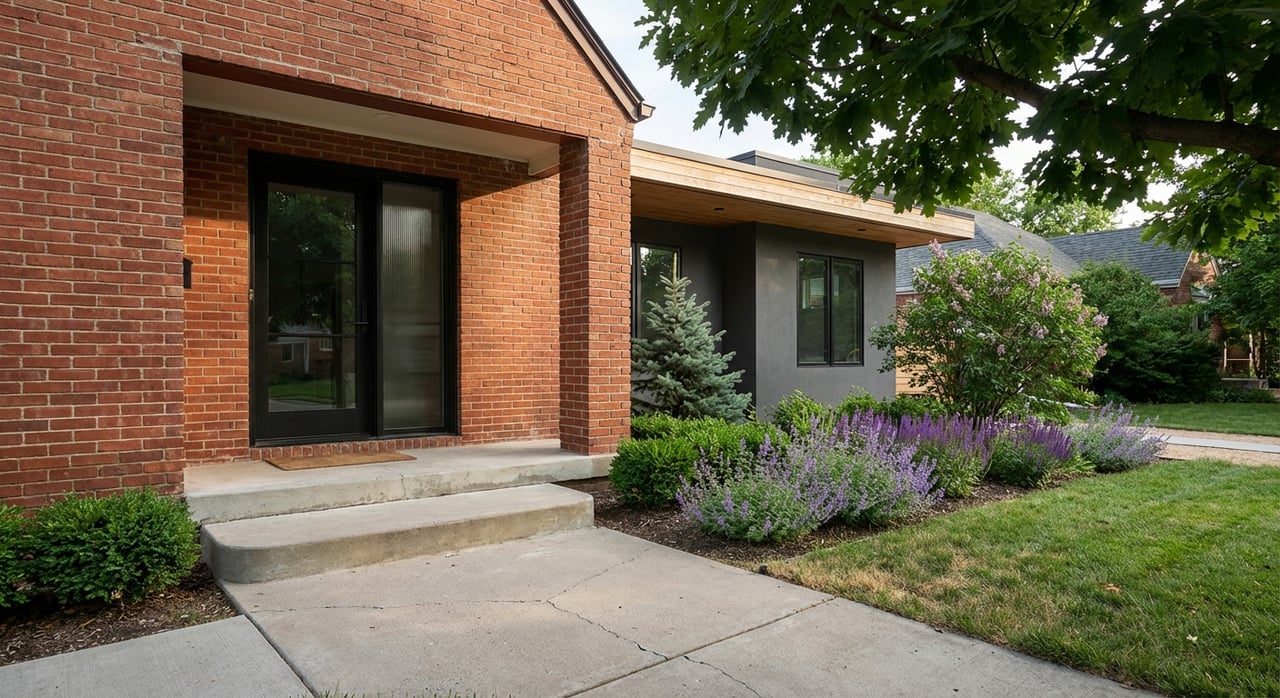
- Yard refresh: mulch, pruning, and healthy lawn care signal easy maintenance. Many outdoor projects show solid appeal in buyer surveys. See a summary of high-ROI items in this landscaping value guide.
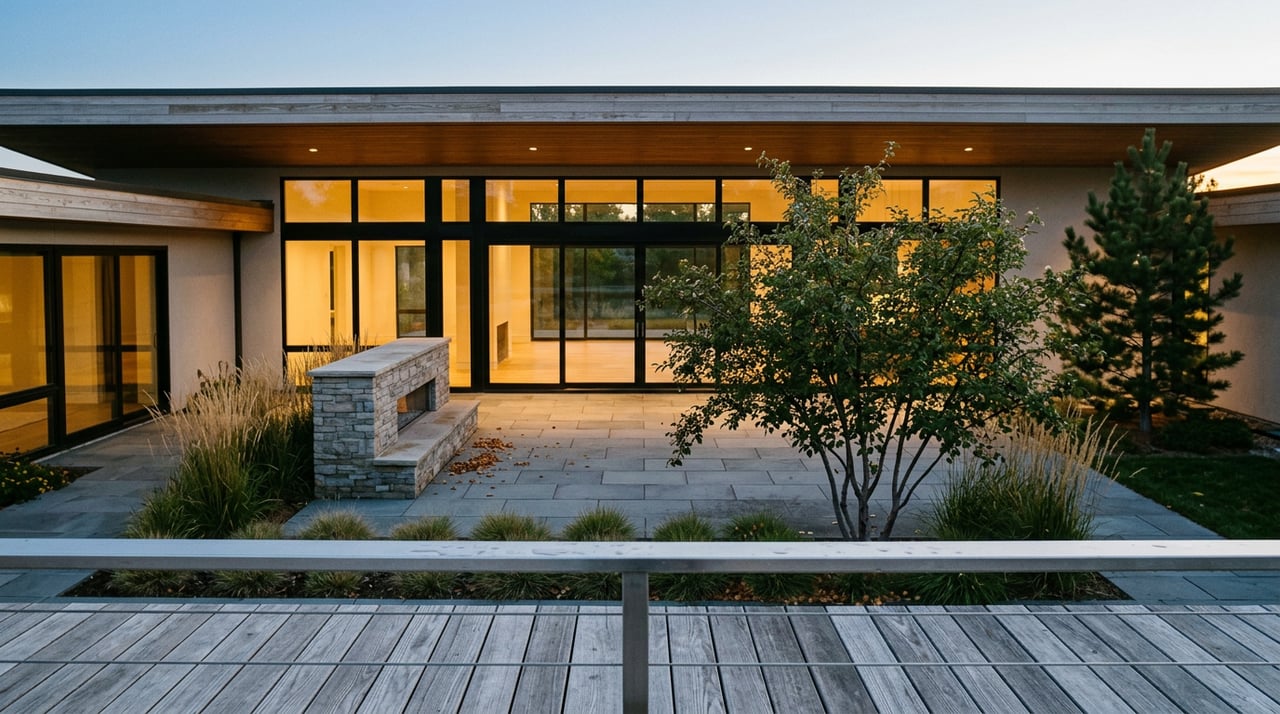
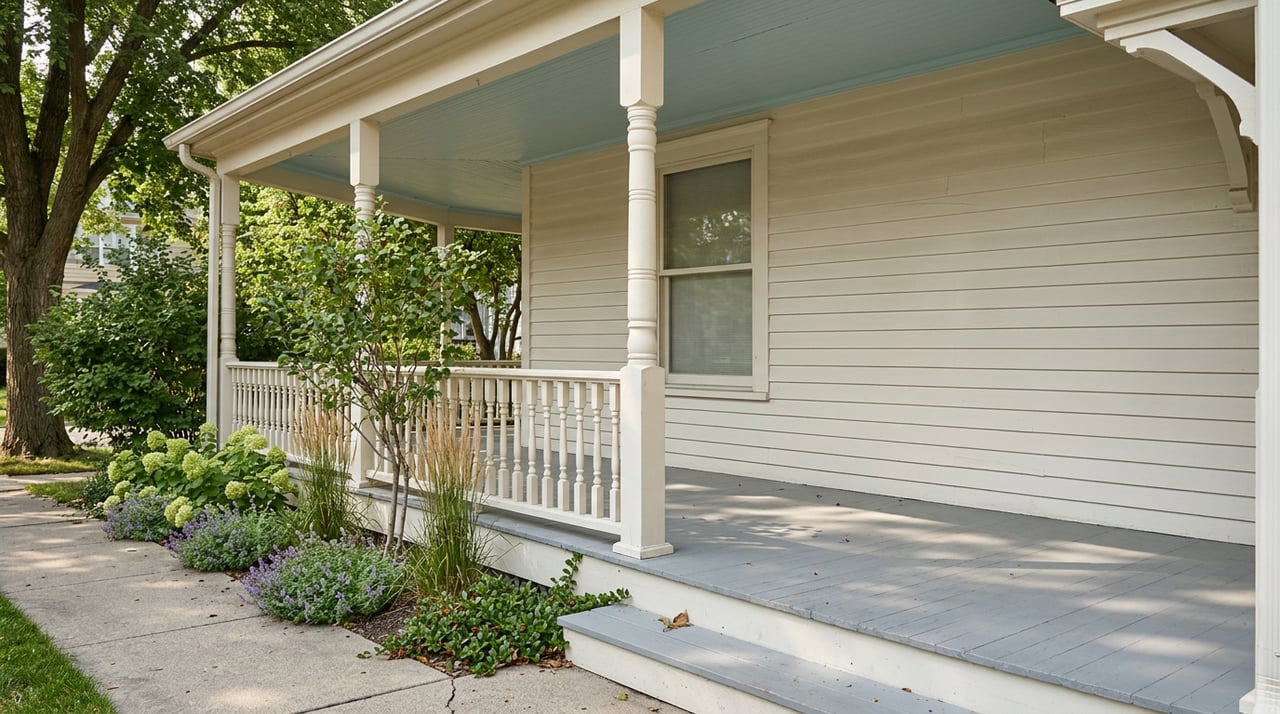
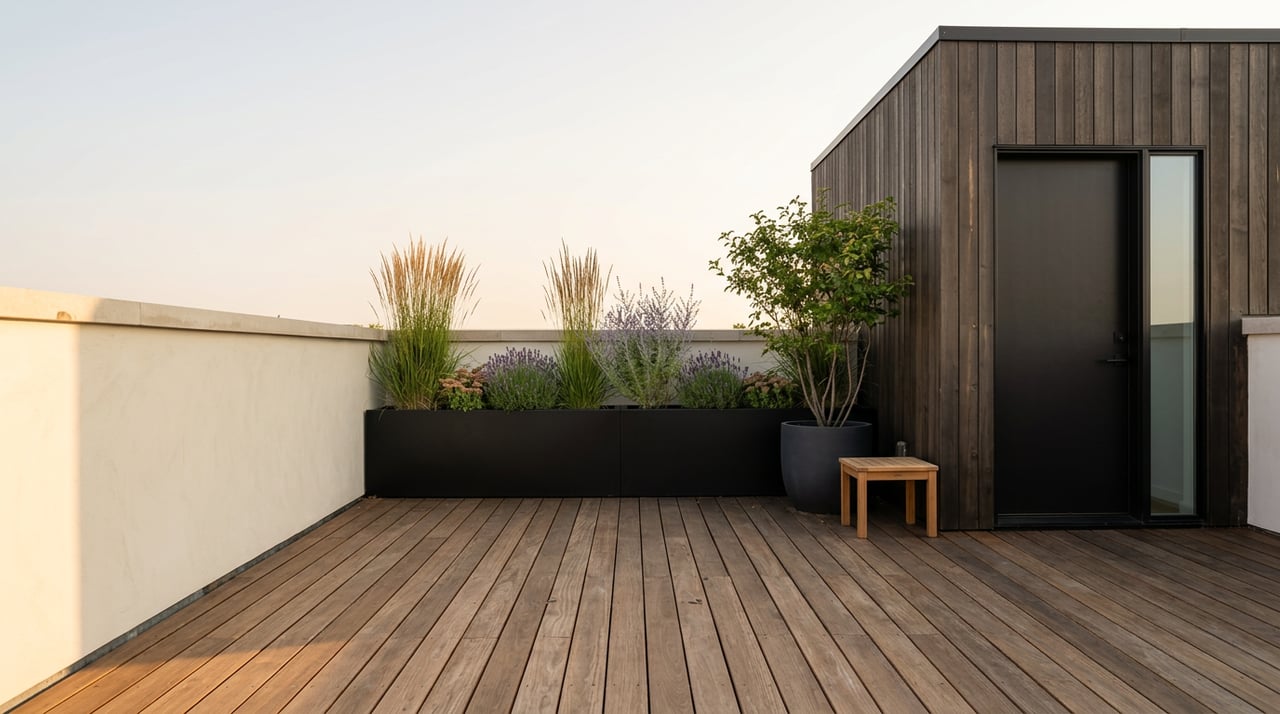
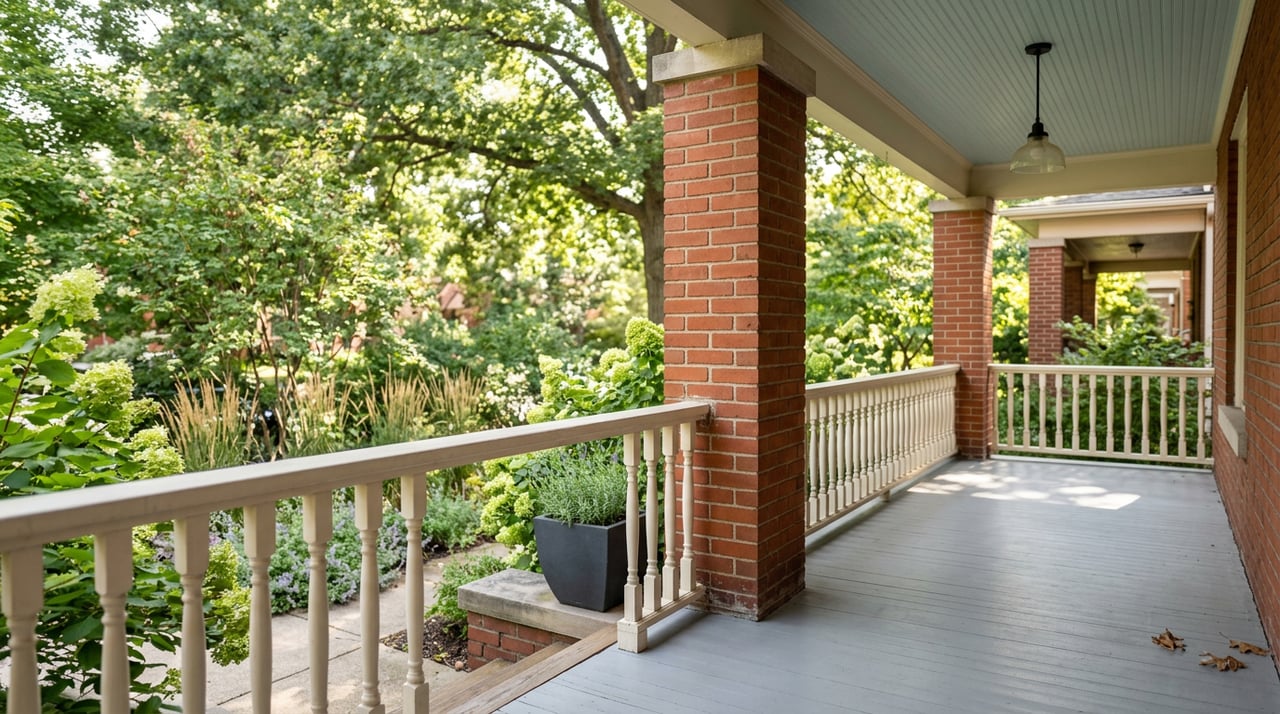
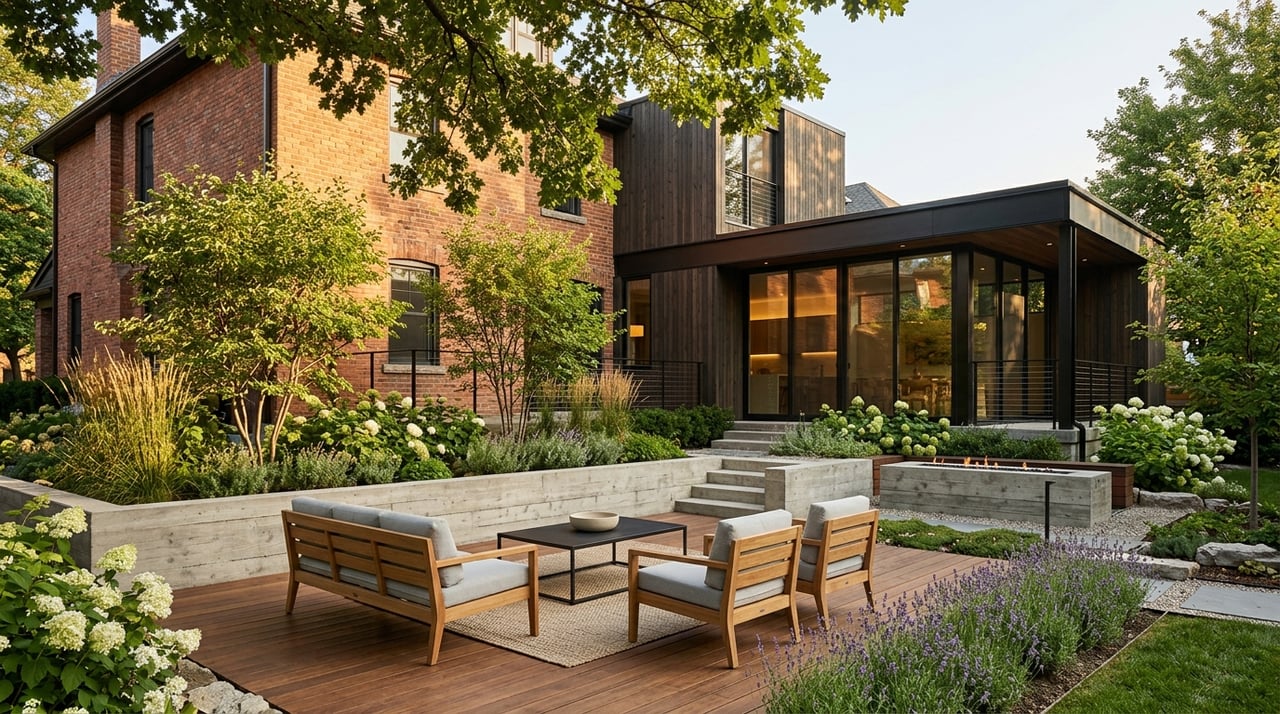
- Usable living areas: a tidy deck or patio, clean railings, and working lighting help buyers imagine daily life near the park.
- Mature trees: in a tree-rich neighborhood like Washington Park, healthy canopy adds perceived value and comfort.
If you are weighing a bigger project, evaluate cost, likely payback and timing before you start. Your agent can help you compare recent sales with and without similar upgrades.
Timing your Washington Park sale
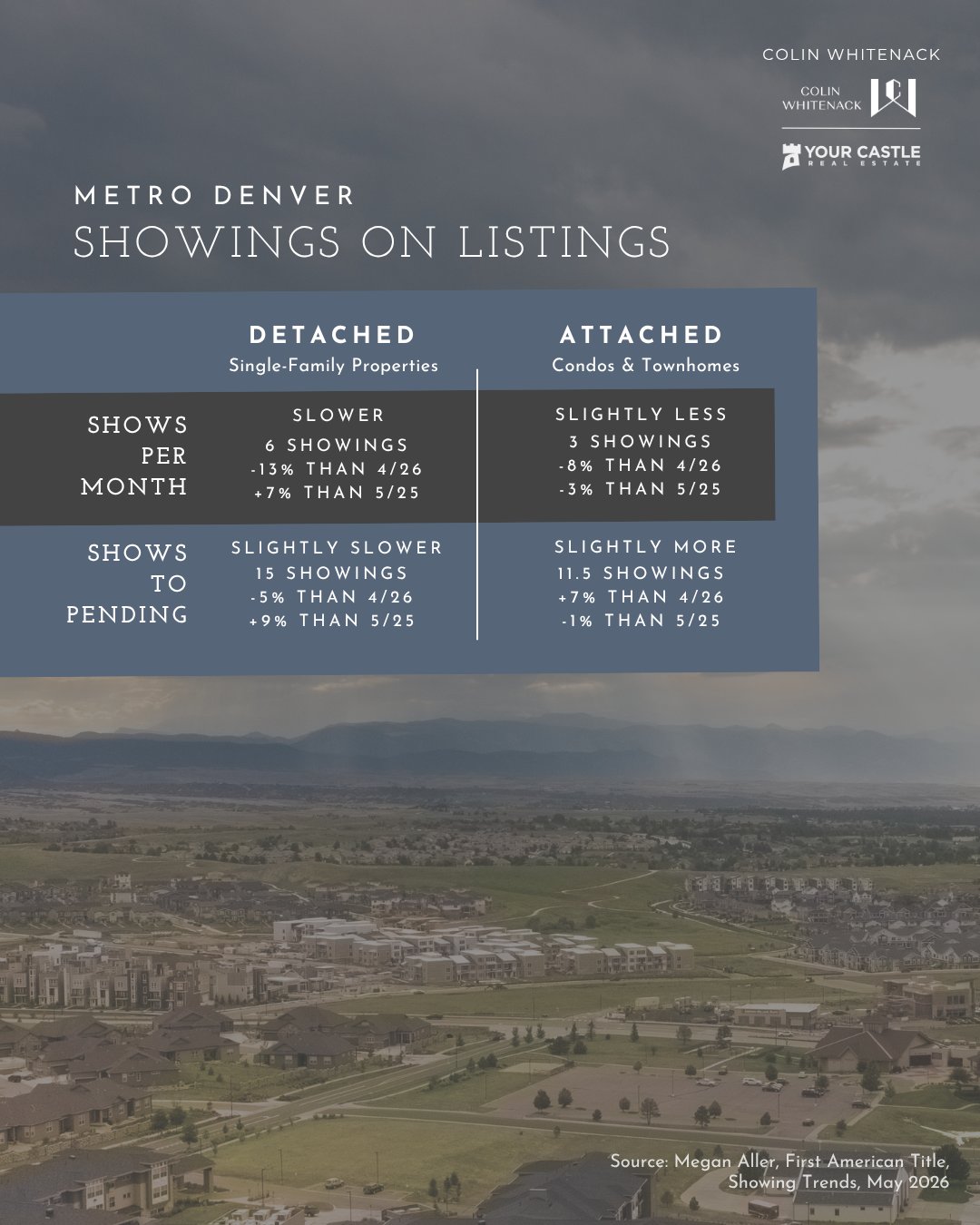
Seasonality matters in Denver. Many analyses show late spring as a strong window for price and speed, with late May and early June often producing a premium in metro data. In Washington Park, warmer weather also brings more park usage, which helps your photography and buyer traffic. Fall can be a secondary window when inventory resets after summer.
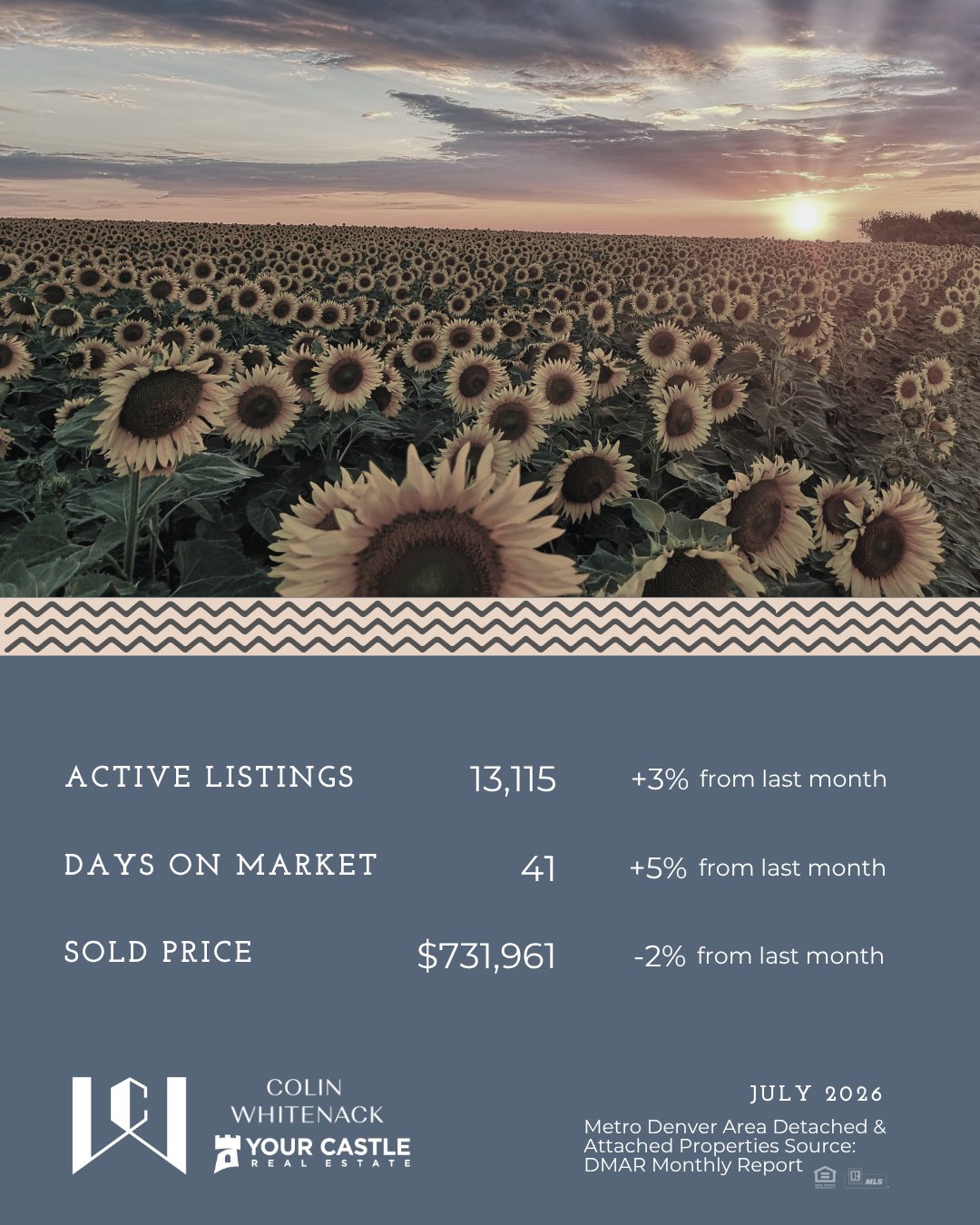
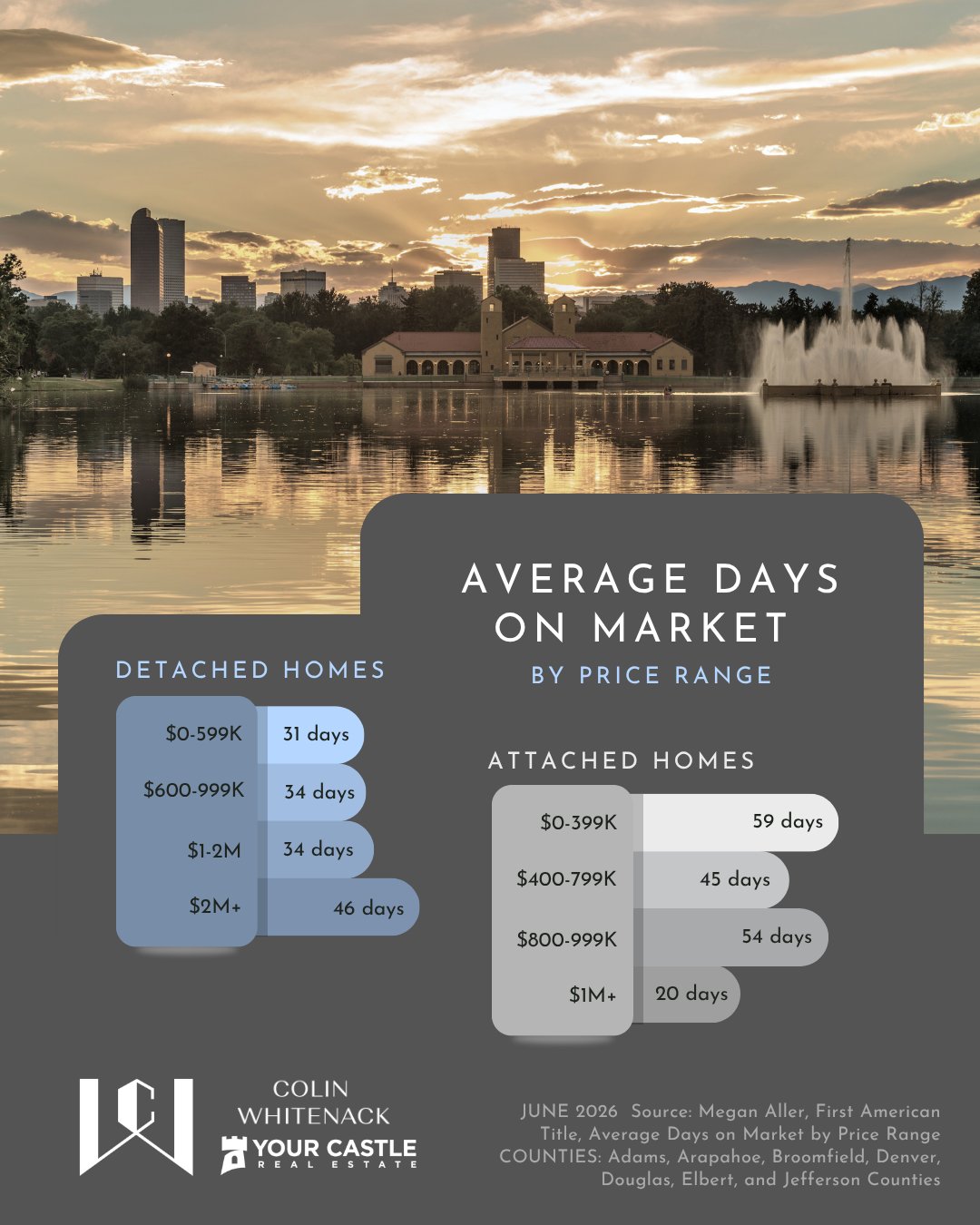
The best week still depends on your exact price band, current inventory and mortgage-rate backdrop. Review 30-, 60- and 90-day stats for your micro-market before you set the date. A local CMA that covers days on market, list-to-sale ratios and active competition will tell you when to move.
Marketing the lifestyle with proof
Lead with the lifestyle, then back it up with specifics. Your goal is to show why your asking price fairly captures the park premium.
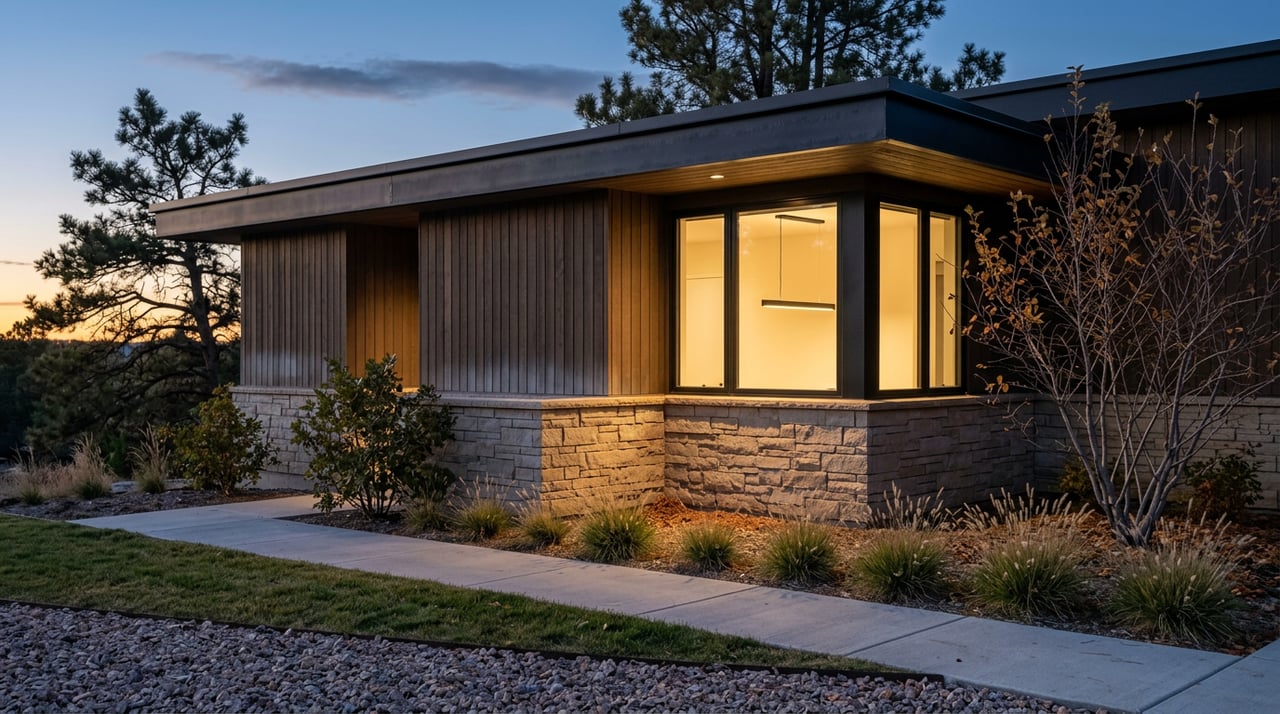
- Photography: professional exterior and twilight images that show yard light, tree canopy and, when possible, sightlines to the park. Drone shots can highlight proximity and block context where permitted.
- 3D tours and floor plans: these reduce friction for out-of-town and busy buyers and are considered best practice by NAR. See guidance on creating effective tours in this virtual tour primer.
- Concrete details: list walk times to Smith Lake, the boathouse, the recreation center and South Gaylord retail. Include a short bullet list of the park’s amenities drawn from Washington Park’s overview and the city’s parks listing.
- Local history: a nod to the park’s heritage adds texture for buyers who value place. The neighborhood story is captured by groups like Friends and Neighbors of Washington Park.
- Transparent tradeoffs: if your block sees event parking, show how residents typically manage it. Buyers reward clarity.
Pricing and negotiation strategy
If your paired-sales work supports a clear adjacency premium, price to capture most of it while leaving room for offers. Anchor the list price with a one-page memo that shows your paired comps, your adjustments and the resulting range. Keep a copy ready for appraisers and buyer agents.
Avoid oversized, unsupported adjustments in your comp set. Appraisal guidance cautions that very large total adjustments on a single comp reduce the reliability of the indication. When in doubt, search for better comps or disclose the uncertainty. See the Appraisal Institute guide notes for principles to keep your analysis credible.
Quick seller checklist
- Pull 6 to 12 months of MLS sales within 0.25 to 0.5 miles. Flag any that front or back the park. Use the Colorado valuation manual for paired-sales steps.
- Run paired-sales comparisons that isolate park proximity. Convert your finding into a percent or dollar adjustment and document methods.
- Order professional photography, a floor plan and a 3D tour. Reference NAR’s virtual tour guidance.
- Do low-cost yard upgrades: mulch, pruning, power-wash hardscape. For bigger budgets, consider modest patio or landscaping refresh with evidence from this landscaping value guide.
- Prepare a short pre-inspection and repair memo to reduce friction and support your price.
- Draft marketing copy with specific walk times and a bullet list of park amenities from the Washington Park overview.
Selling near Washington Park is about proving lifestyle value with market evidence. When you pair a clean CMA with thoughtful presentation and the right timing, you invite buyers to pay for what they see and feel. If you want a tailored plan for your block and price band, connect with Colin Whitenack for a data-backed, lifestyle-first strategy.
FAQs
How does living next to Washington Park change my home’s value?
- Most studies show nearby parks add value, often in the 8 to 20 percent range for very close properties, but the correct premium for your home should come from local paired-sales analysis in Washington Park using recent comps.
What matters more in Wash Park pricing: a park view or a bigger backyard?
- Both can add value, but many buyers prioritize usable, private outdoor living. Compare sales with and without each feature in your CMA to see which drives price more in your segment.
When is the best month to list a Washington Park home?
- Late spring often attracts the largest buyer pool in Denver, with a secondary window in early fall. Confirm your exact timing with current 30-, 60- and 90-day inventory and your price band’s days on market.
How should I explain a higher asking price due to park proximity?
- Present a short memo with paired comps, your adjustments and a clear price range. Support the premium with photos, a proximity map and a bullet list of park amenities.
Which pre-listing outdoor projects offer the best return near Wash Park?
- Start with low-cost curb and yard care like mulch, pruning and cleaning patios. Consider modest patio or landscape refreshes with documented cost and likely payback before you commit to bigger projects.