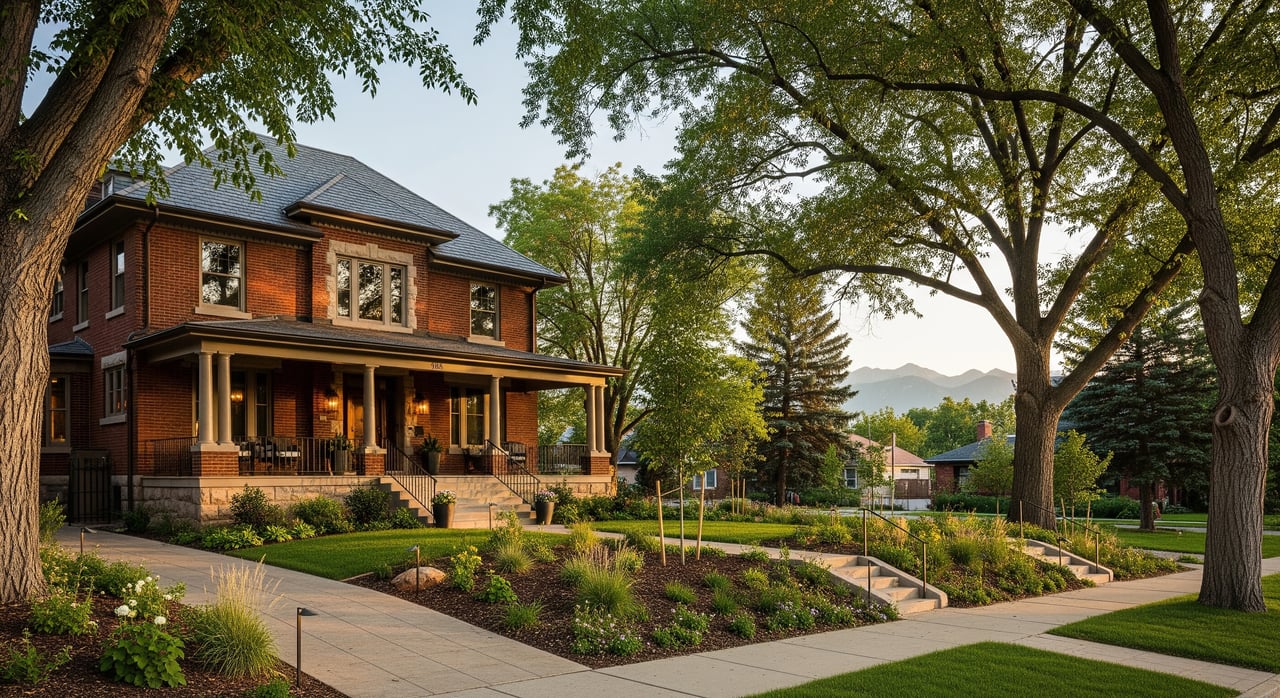
Picture a quiet morning on a tree-lined block, coffee in hand, and City Park just a few minutes away for a brisk walk. If you’re weighing a move to central Denver, you want a neighborhood that balances calm streets with easy access to culture, parks, and everyday essentials. In this guide, you’ll get a clear feel for Park Hill’s day-to-day rhythm, from housing styles and amenities to commute options and community life. Let’s dive in.
Park Hill vibe and history
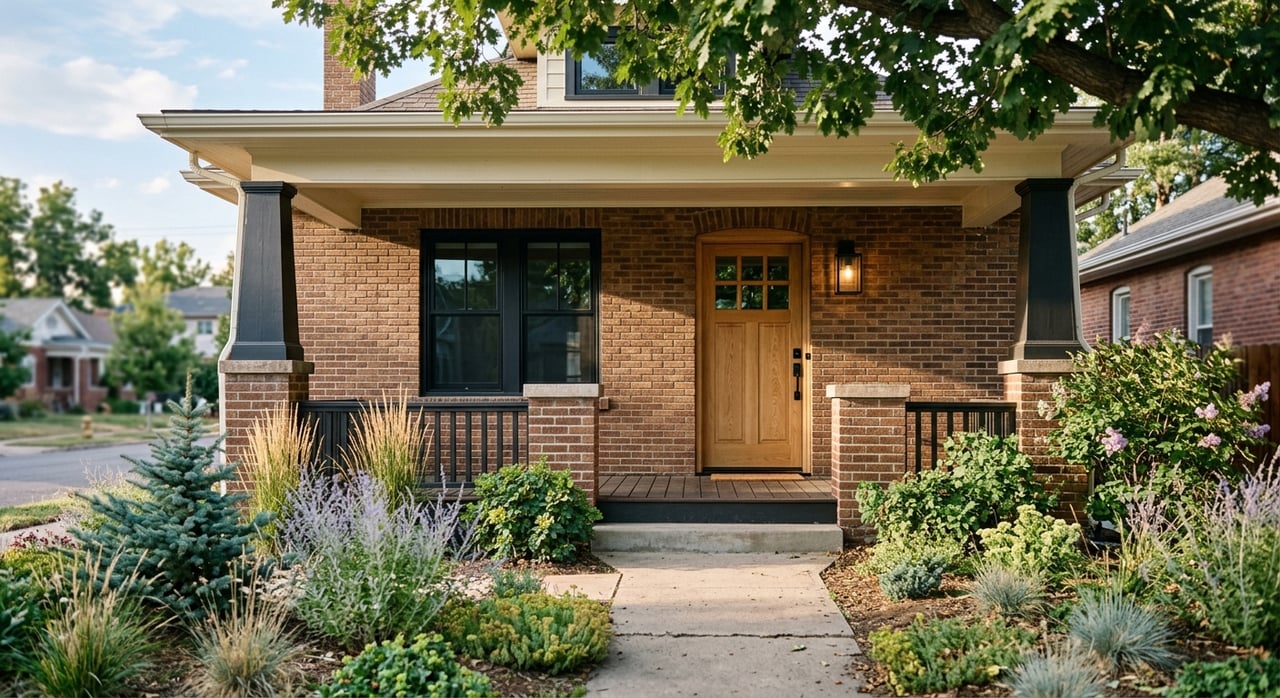
Park Hill sits on Denver’s central-east side and is known for mature trees, long blocks, and a classic residential feel. Many streets feature early-to-mid 20th-century homes with porches and roomy lots, which gives the neighborhood a timeless look. The area grew with Denver’s streetcar suburbs and has a meaningful civil-rights and integration history that still shapes its engaged community culture.
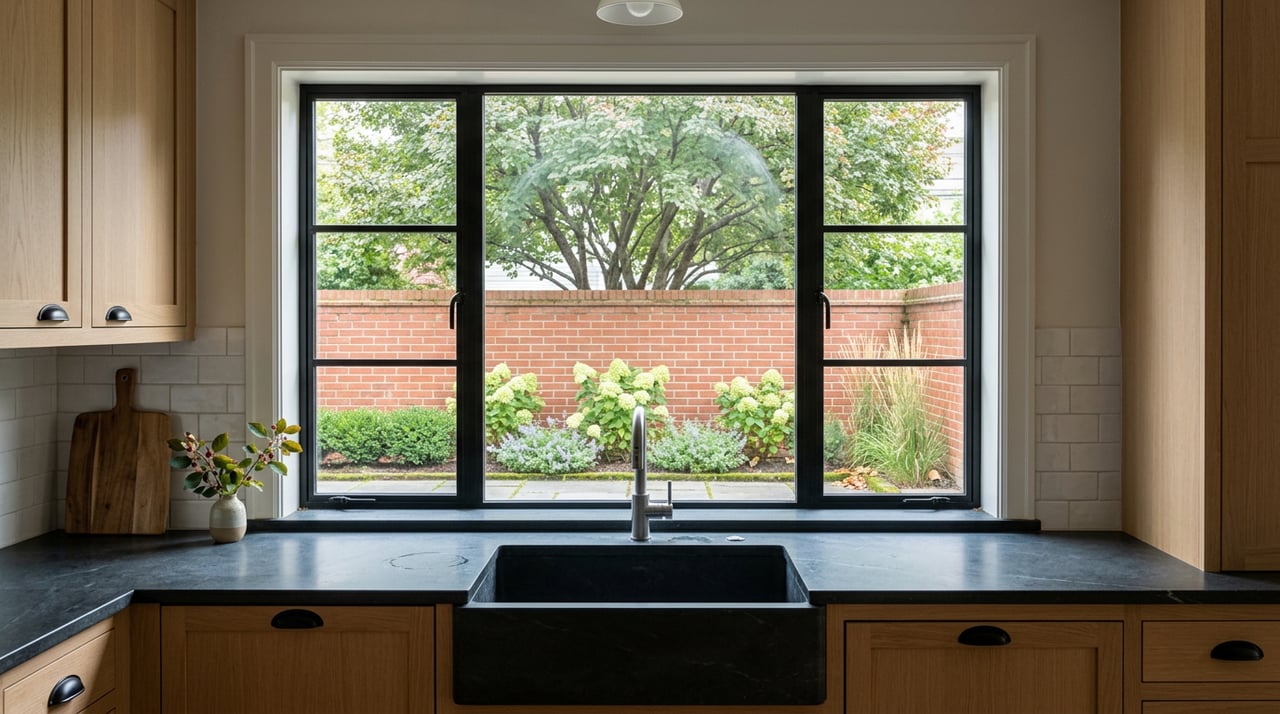
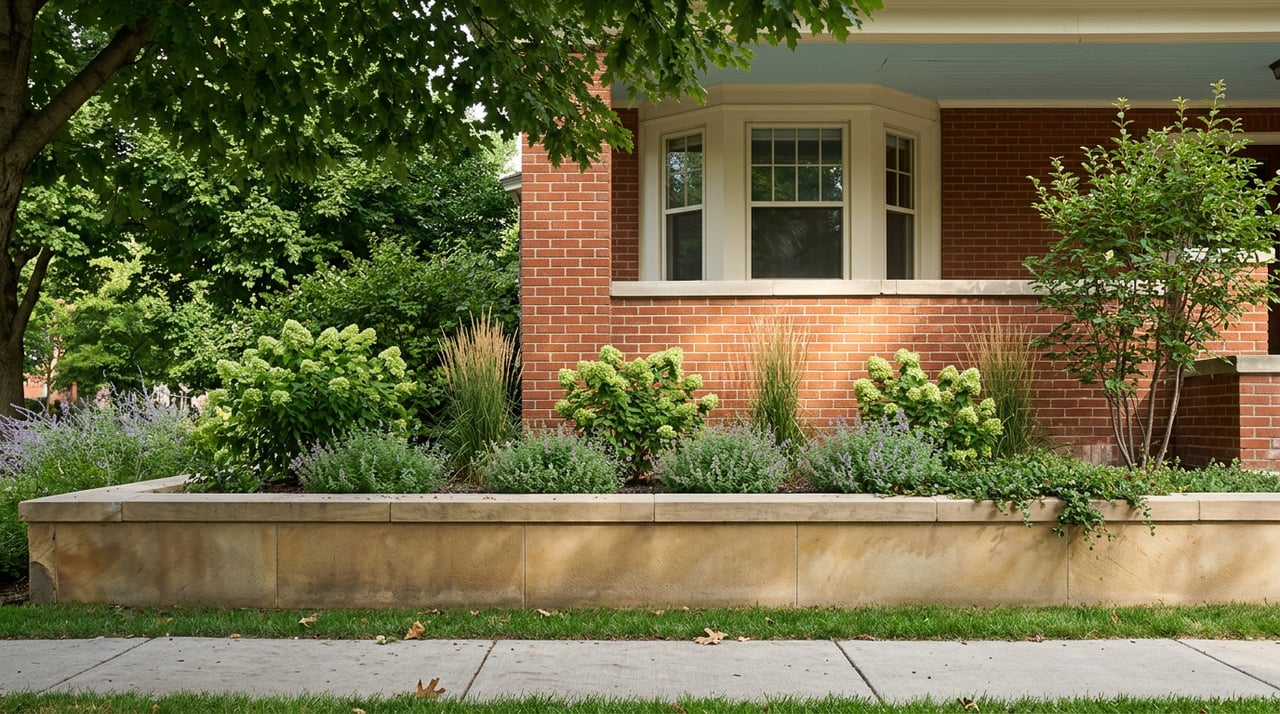
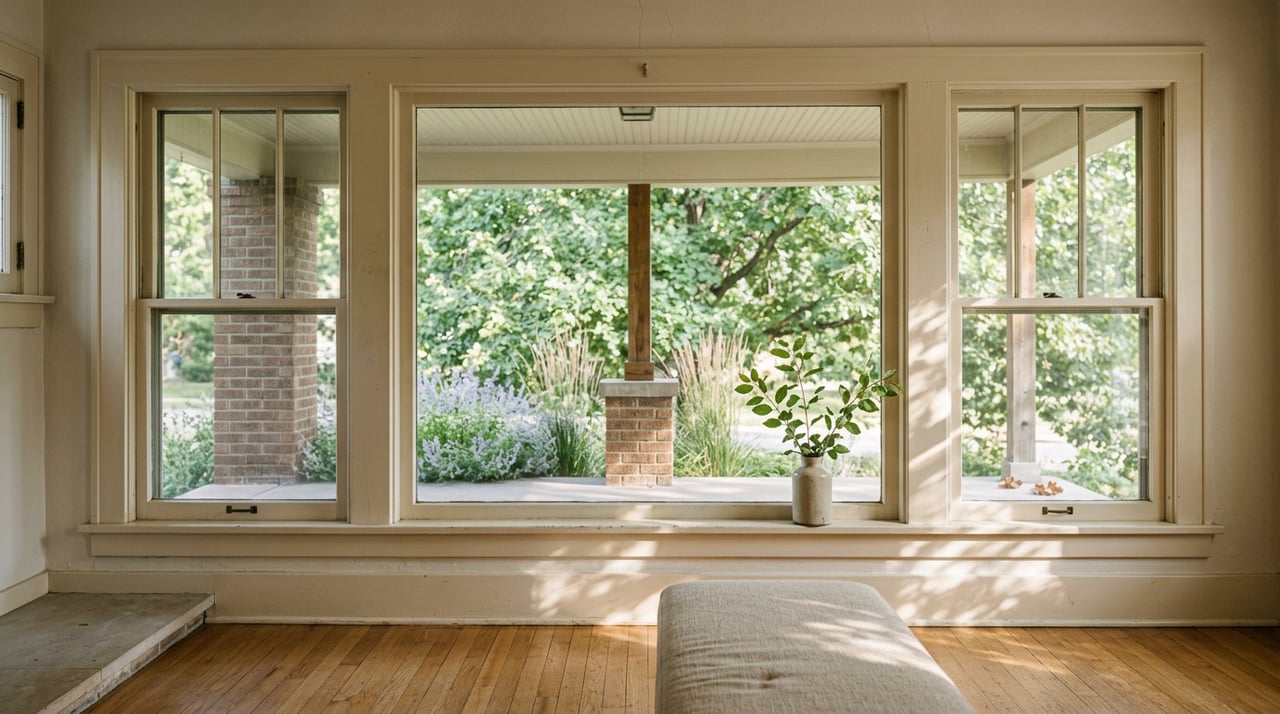
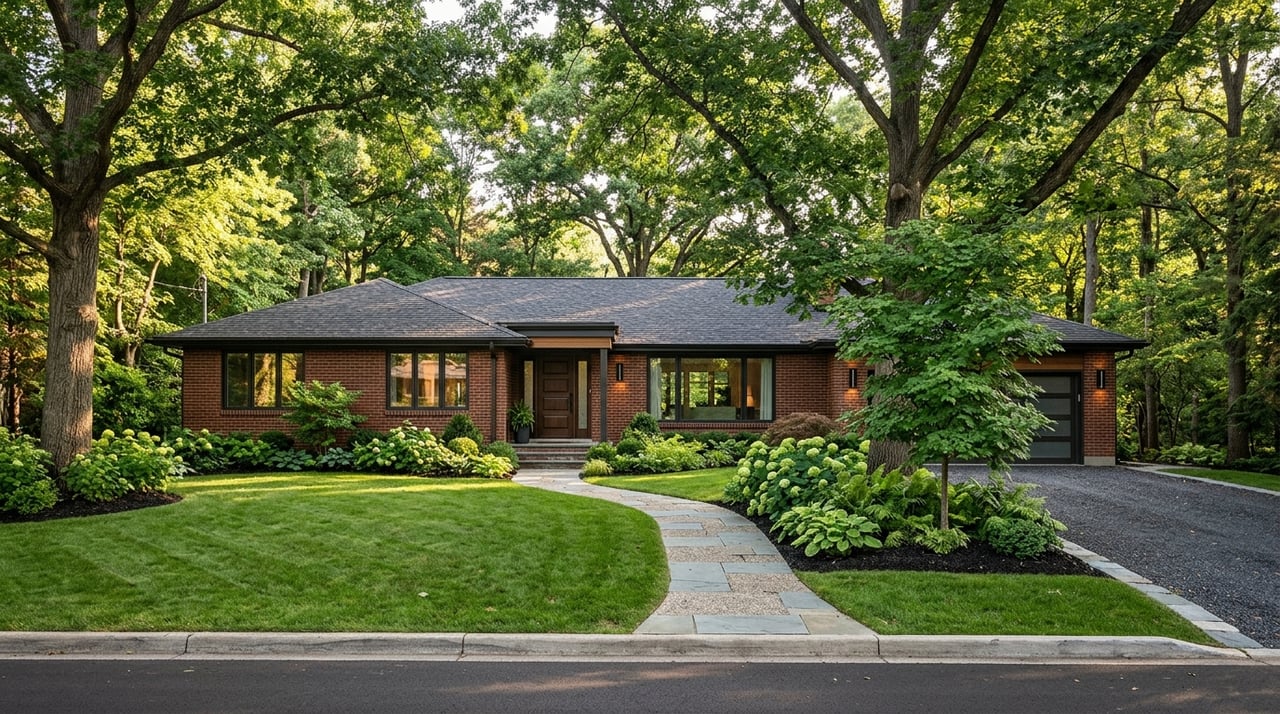
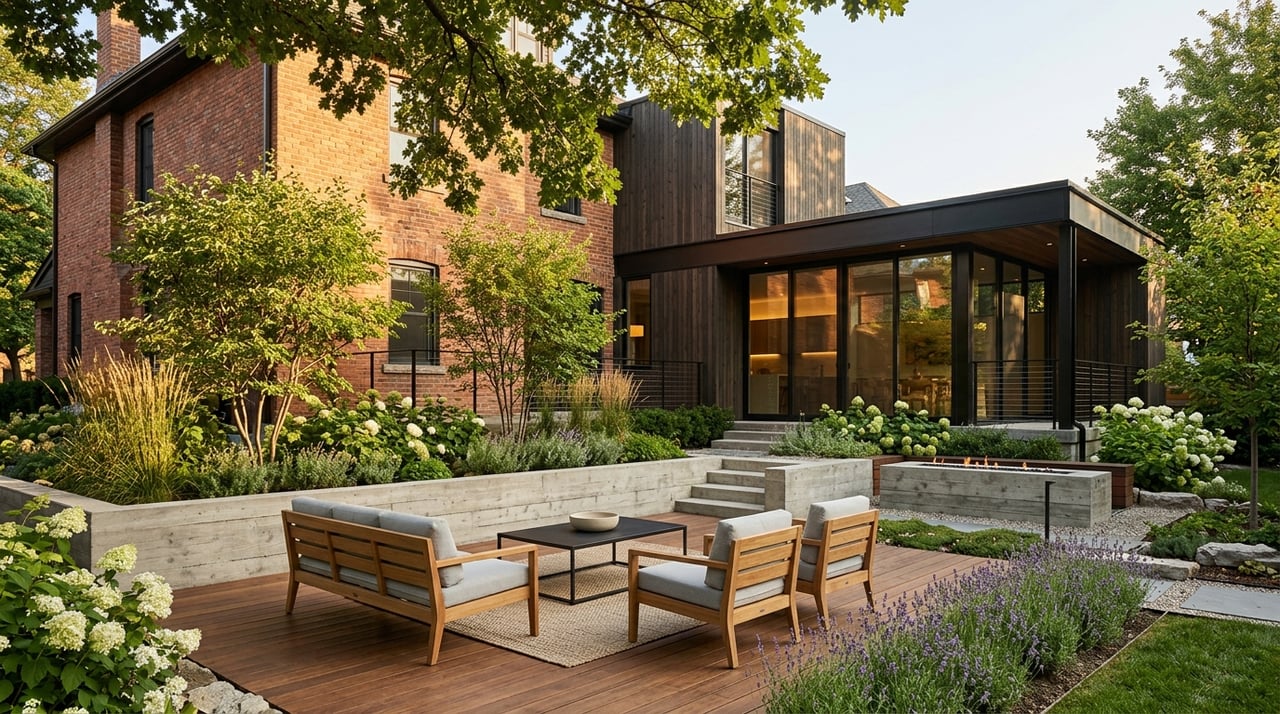
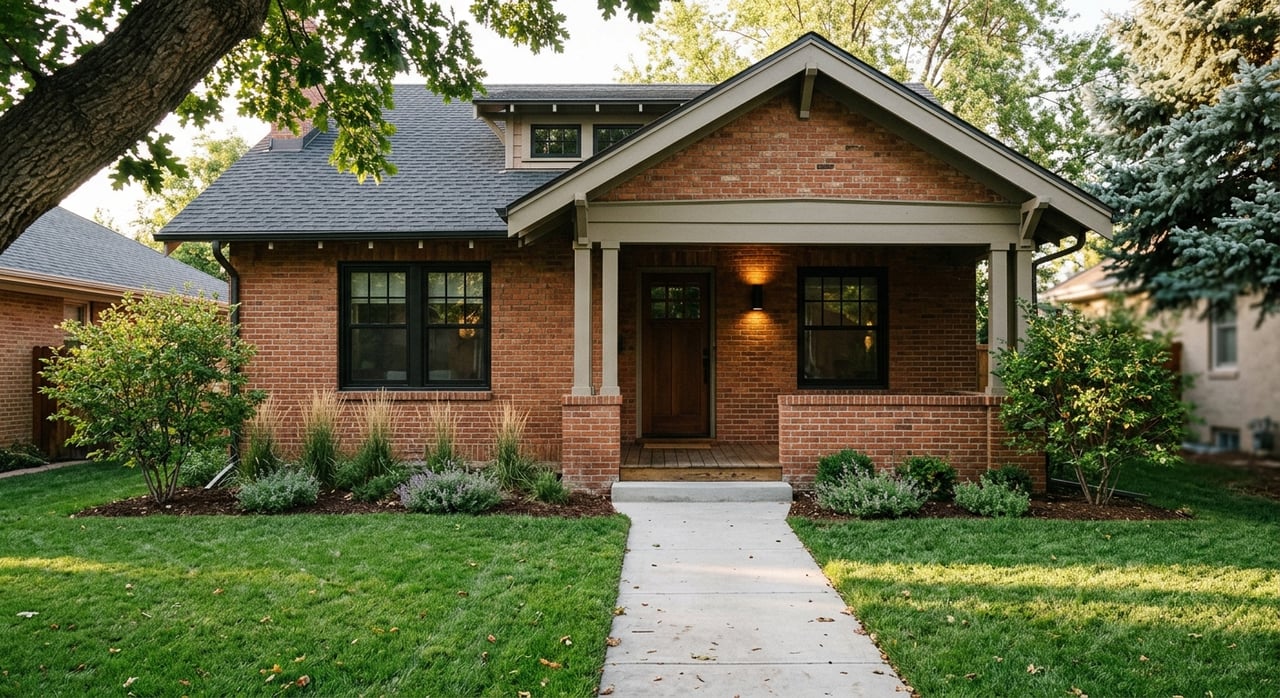
Homes often blend original character with modern updates. You’ll see woodwork, leaded glass, and traditional façades paired with renovated kitchens, baths, and mechanical systems. If you enjoy “classic Denver,” Park Hill delivers it in daily life.
Parks, museums, and green space
City Park borders Park Hill and anchors outdoor life for many residents. You’ll find running paths, playgrounds, tennis courts, and picnic spots. The park also hosts two of Denver’s major cultural institutions: the Denver Museum of Nature & Science and the Denver Zoo, which keep weekends active with exhibits, programs, and seasonal events.
Smaller neighborhood parks and a generous tree canopy add to the green feel. The nearby Park Hill Golf Course has been the subject of public planning conversations. For park amenities and updates, explore Denver Parks & Recreation resources and city planning pages on DenverGov.
Coffee, dining, and errands
Park Hill doesn’t revolve around a single retail main street. Instead, you’ll find pockets of independent coffee shops, casual restaurants, bakeries, and services scattered along major roads. This setup fits a neighborhood where most blocks stay quiet while nearby corridors handle the buzz.
For groceries and health care, you can reach full-service supermarkets and clinics with a short drive. Larger medical centers and specialty providers are also accessible in central Denver, which keeps day-to-day errands simple.
Homes and architecture
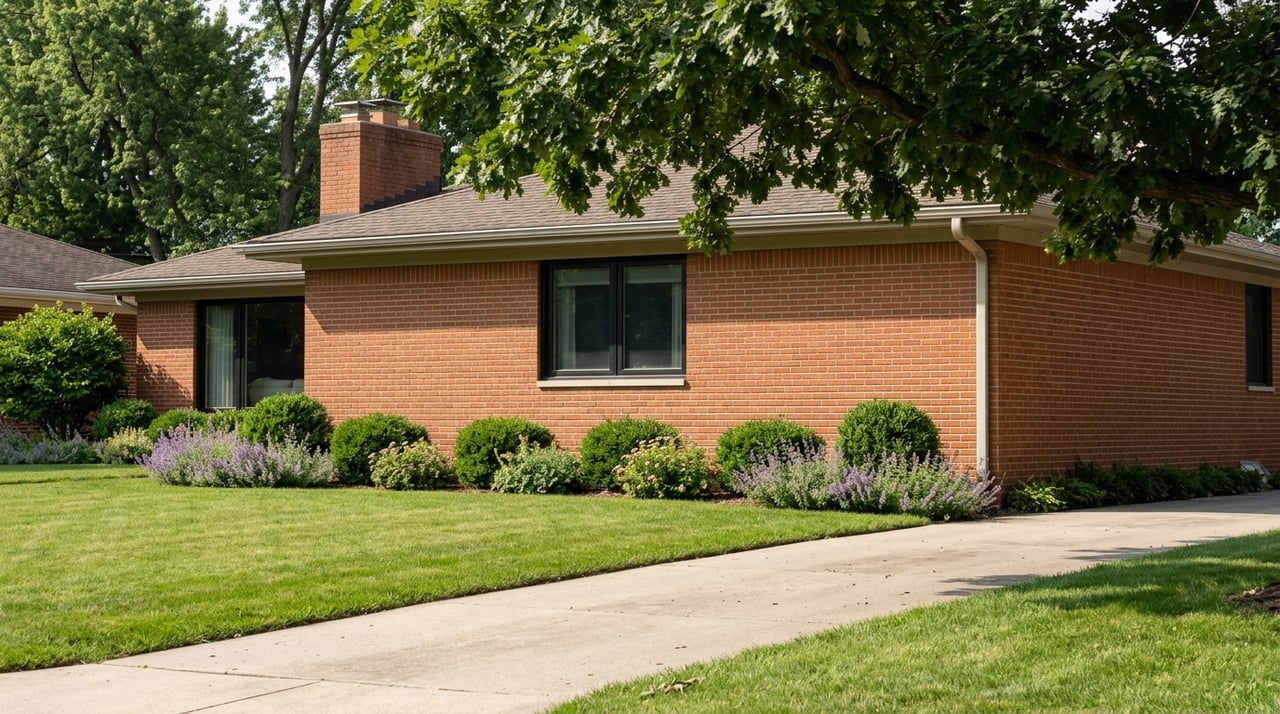
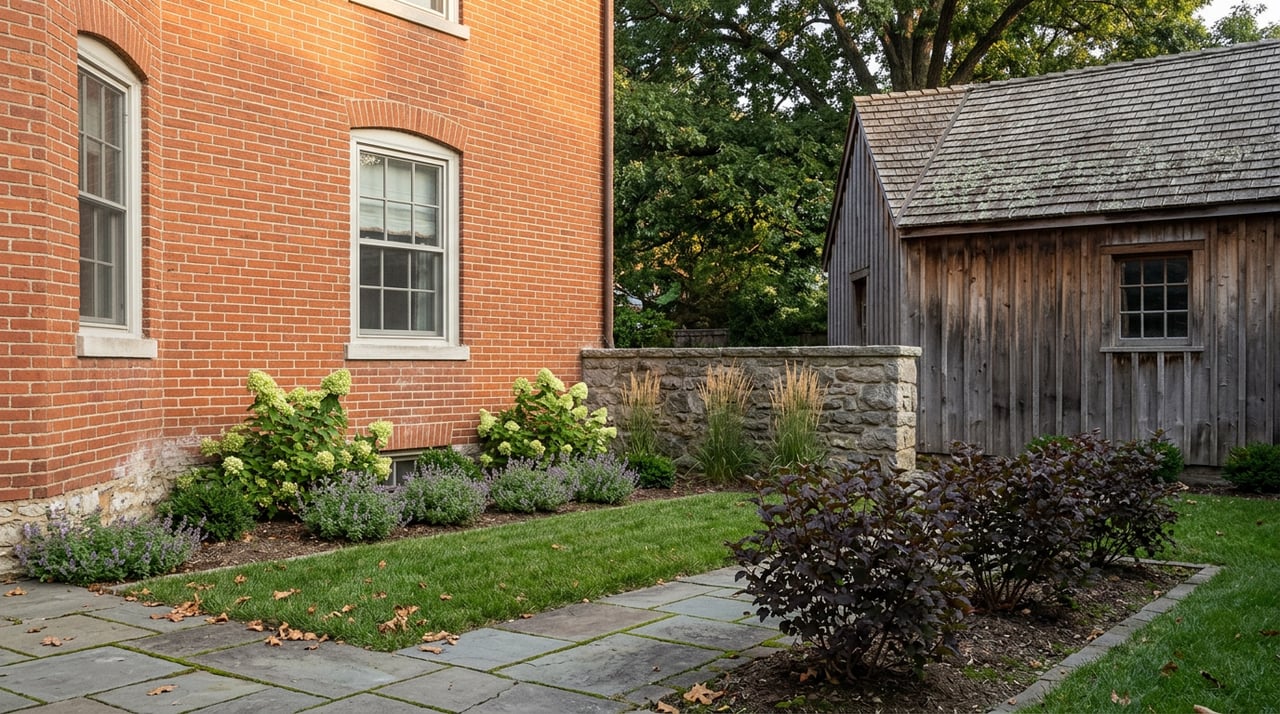
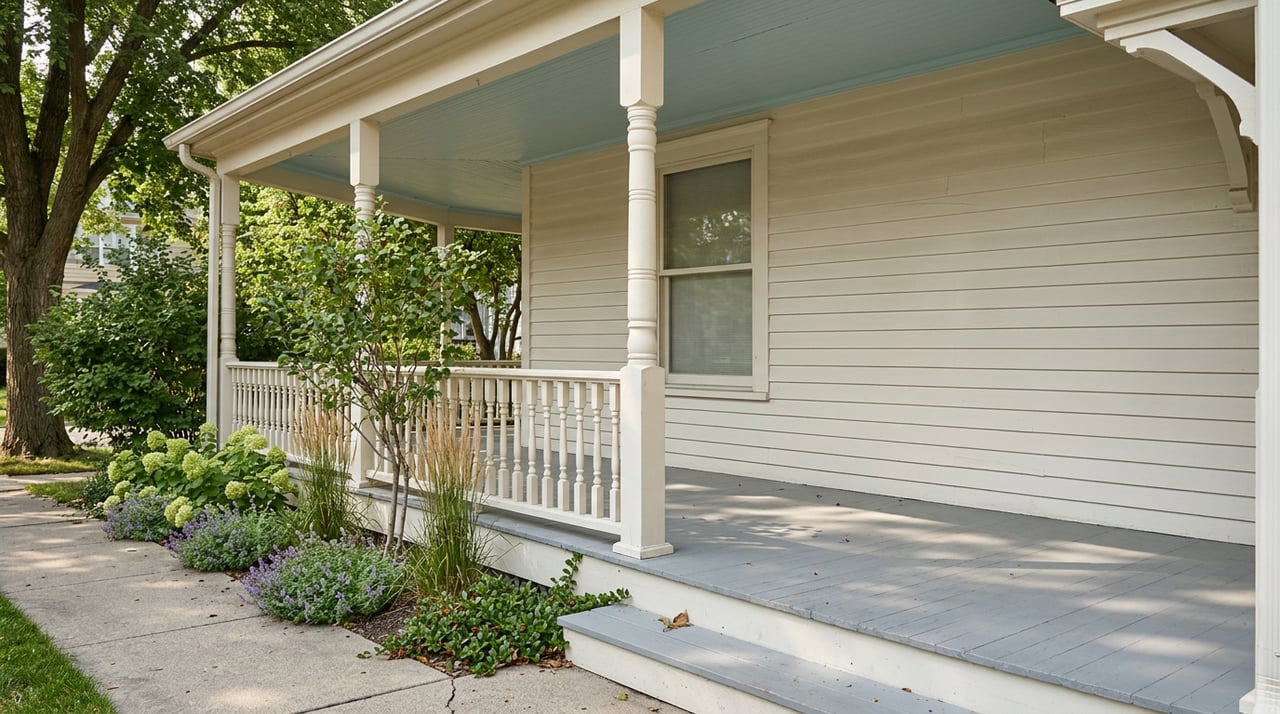
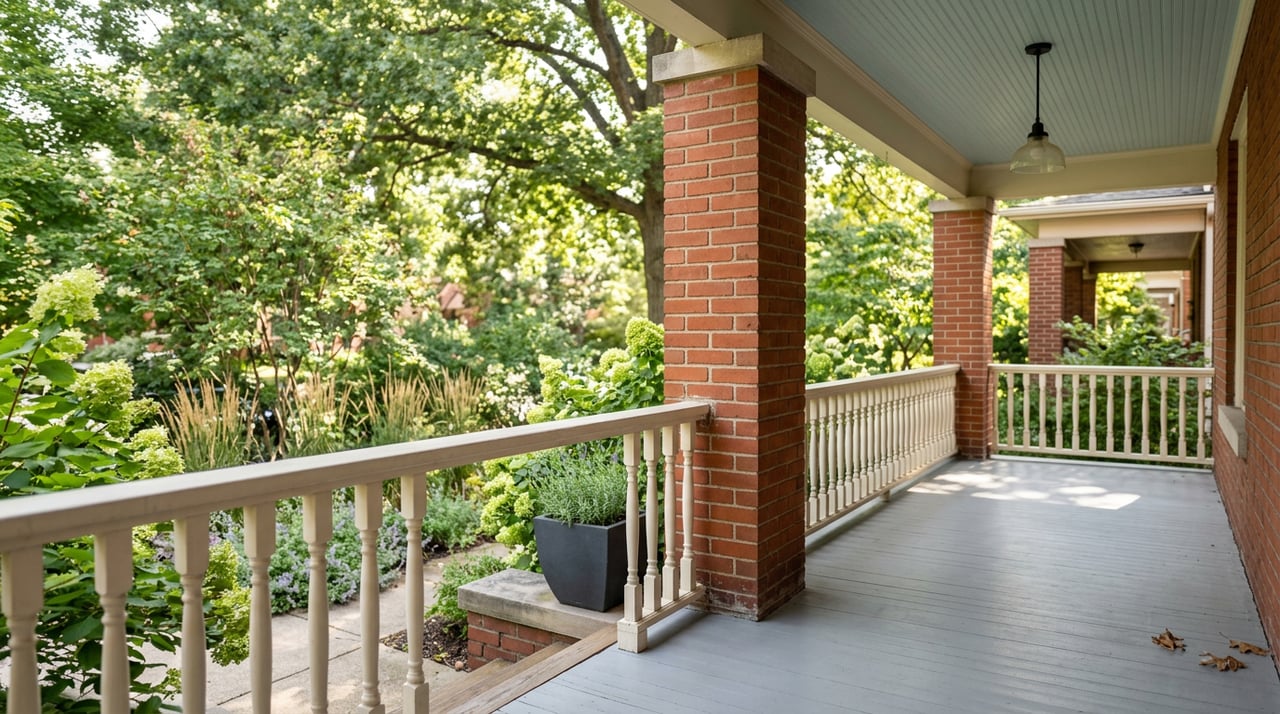
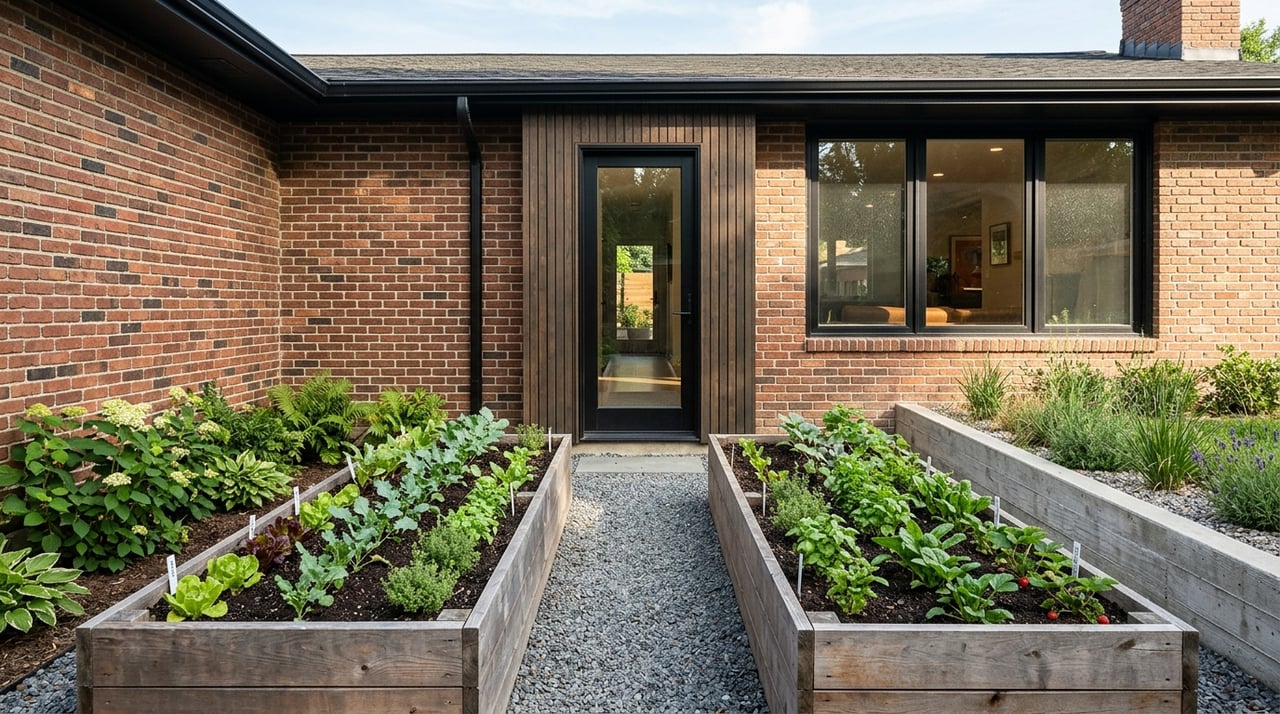
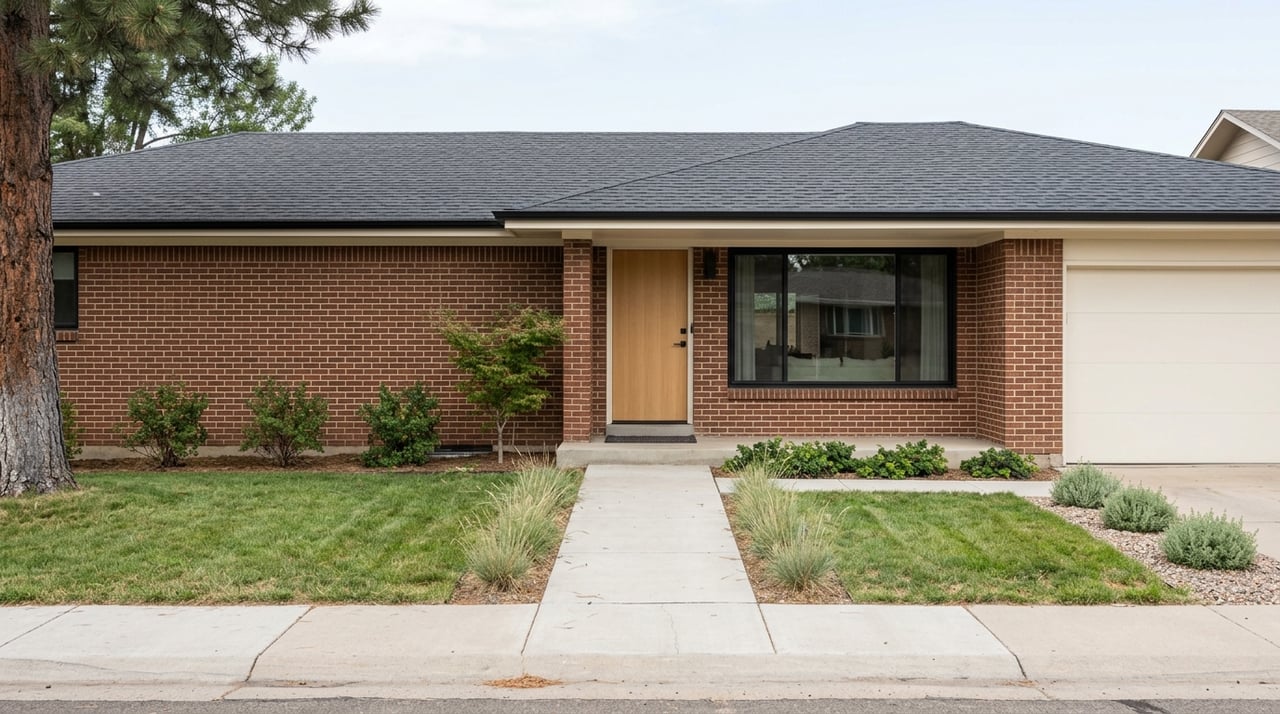
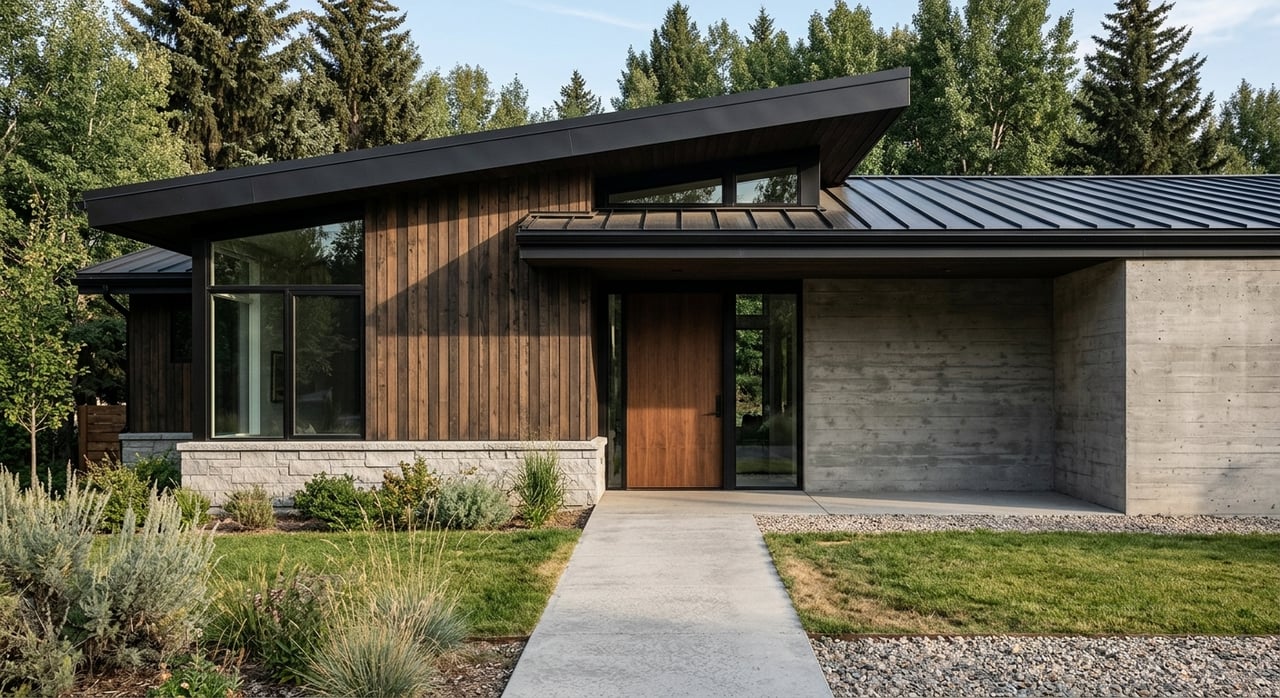
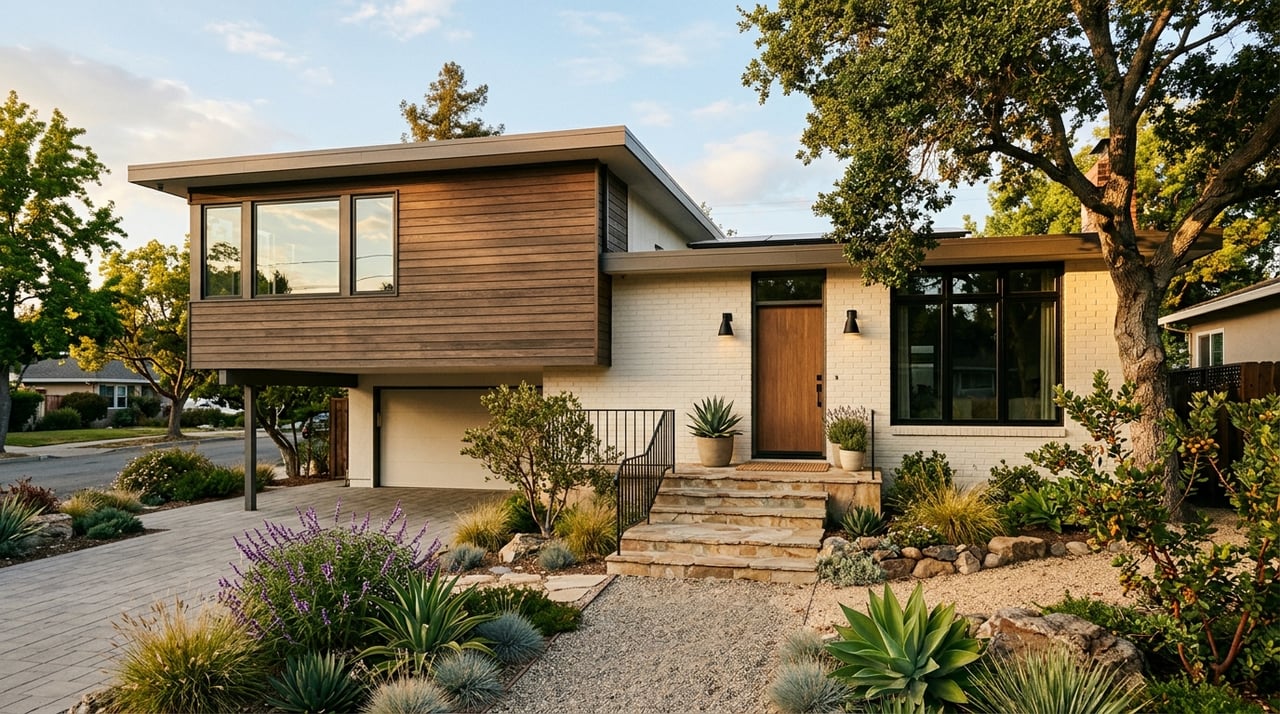
Single-family homes dominate Park Hill, and styles vary. You’ll see Craftsman bungalows, American Foursquares, Tudor Revival, Colonial Revival, and touches of Spanish Mission and Victorian influence. Front porches and detached alley garages are common.
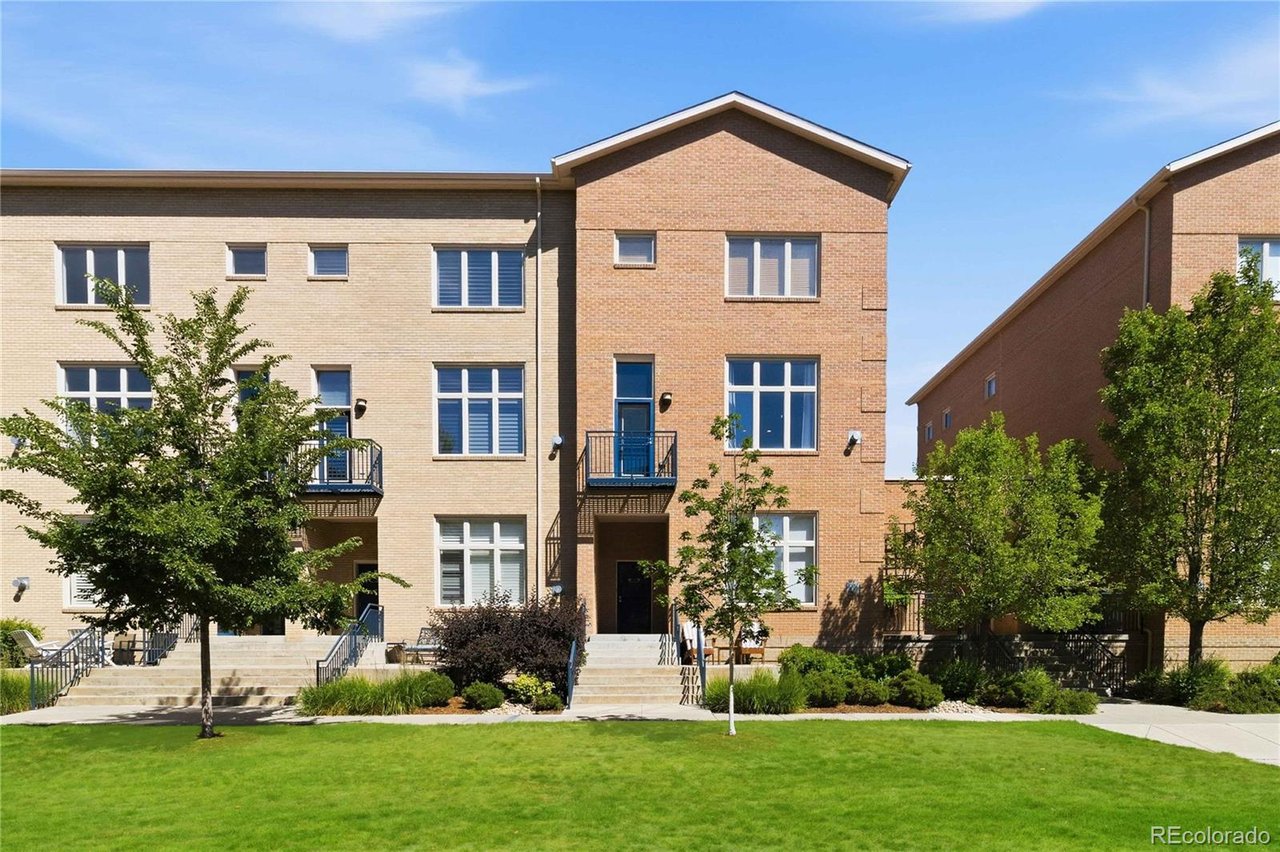
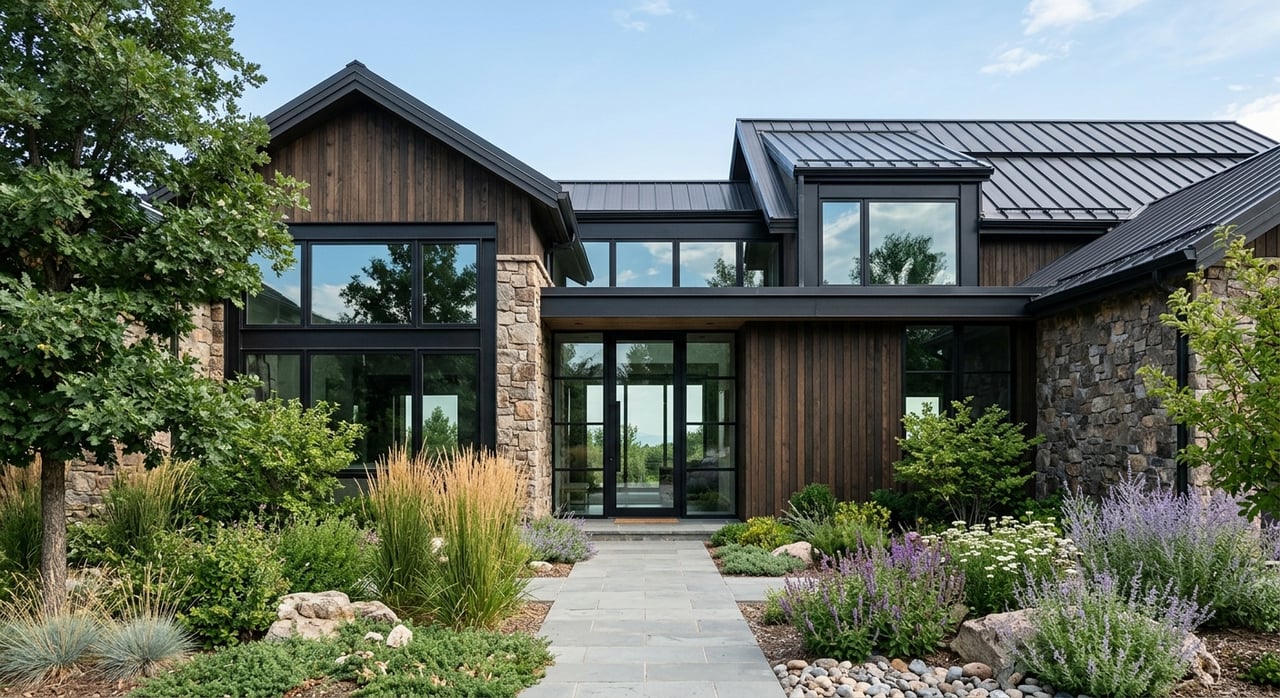
You’ll also find duplexes, stacked flats, and occasional townhomes near busier streets or as thoughtful infill. Many homes are renovated; others keep original details and invite updates. Buyers often choose between move-in-ready renovations and homes where you can add value over time.
Here’s a high-level way to think about price tiers in Park Hill:
- Smaller condos or one-bedroom flats are often the most affordable entry points.
- Modest single-family homes with 2–3 bedrooms and smaller lots typically sit in the neighborhood’s mid-market.
- Larger historic homes near City Park or fully renovated properties tend to land in the premium segment.
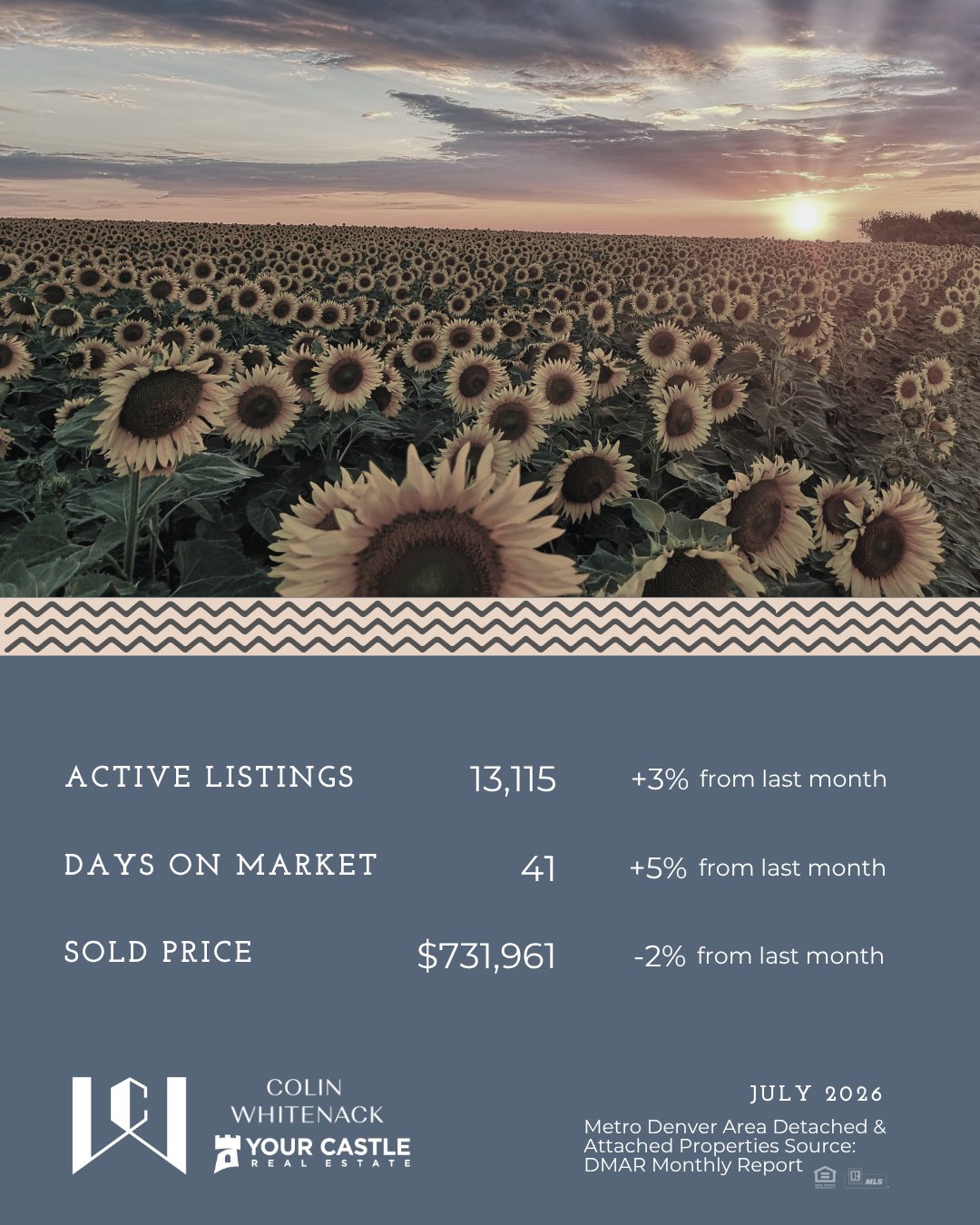
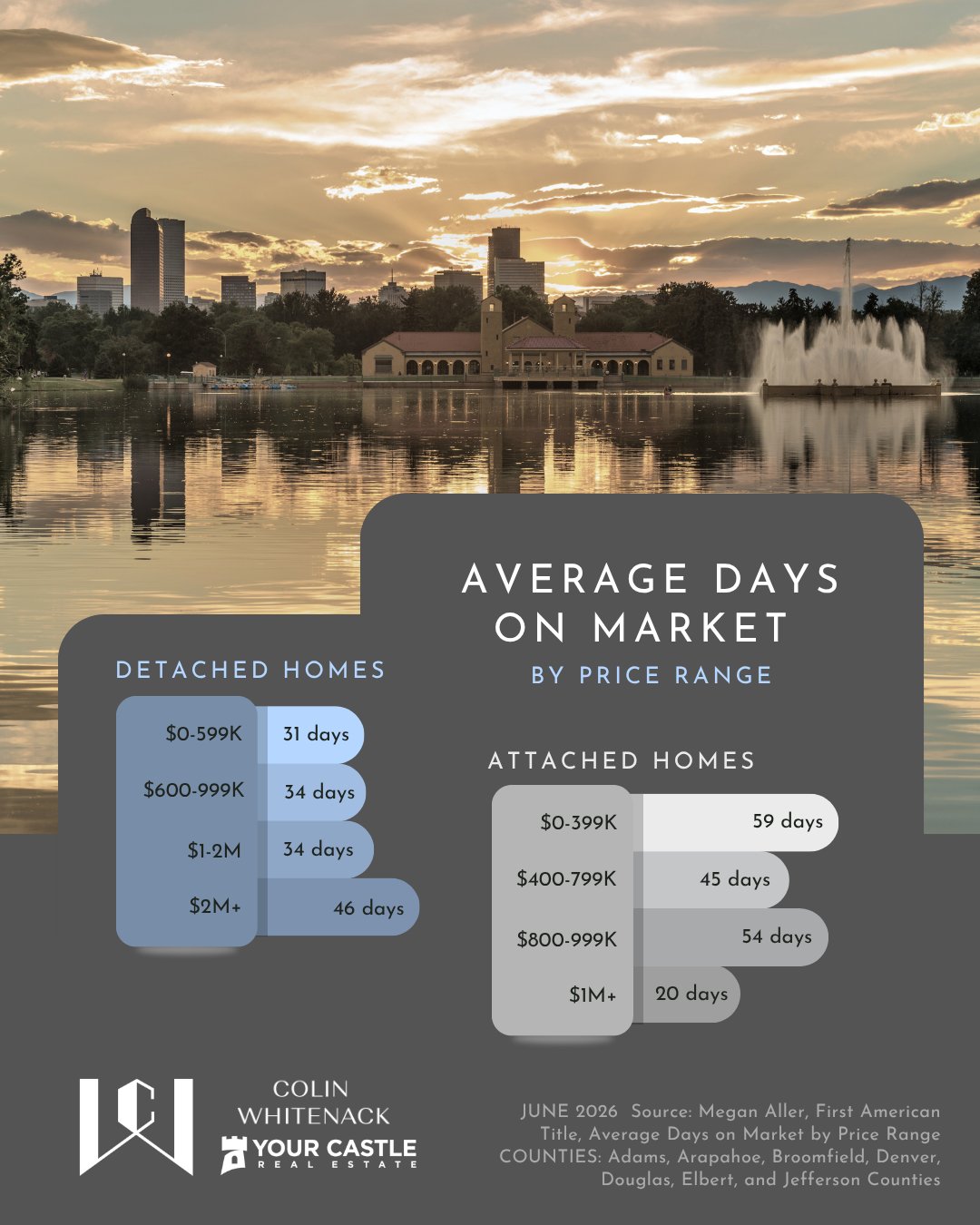
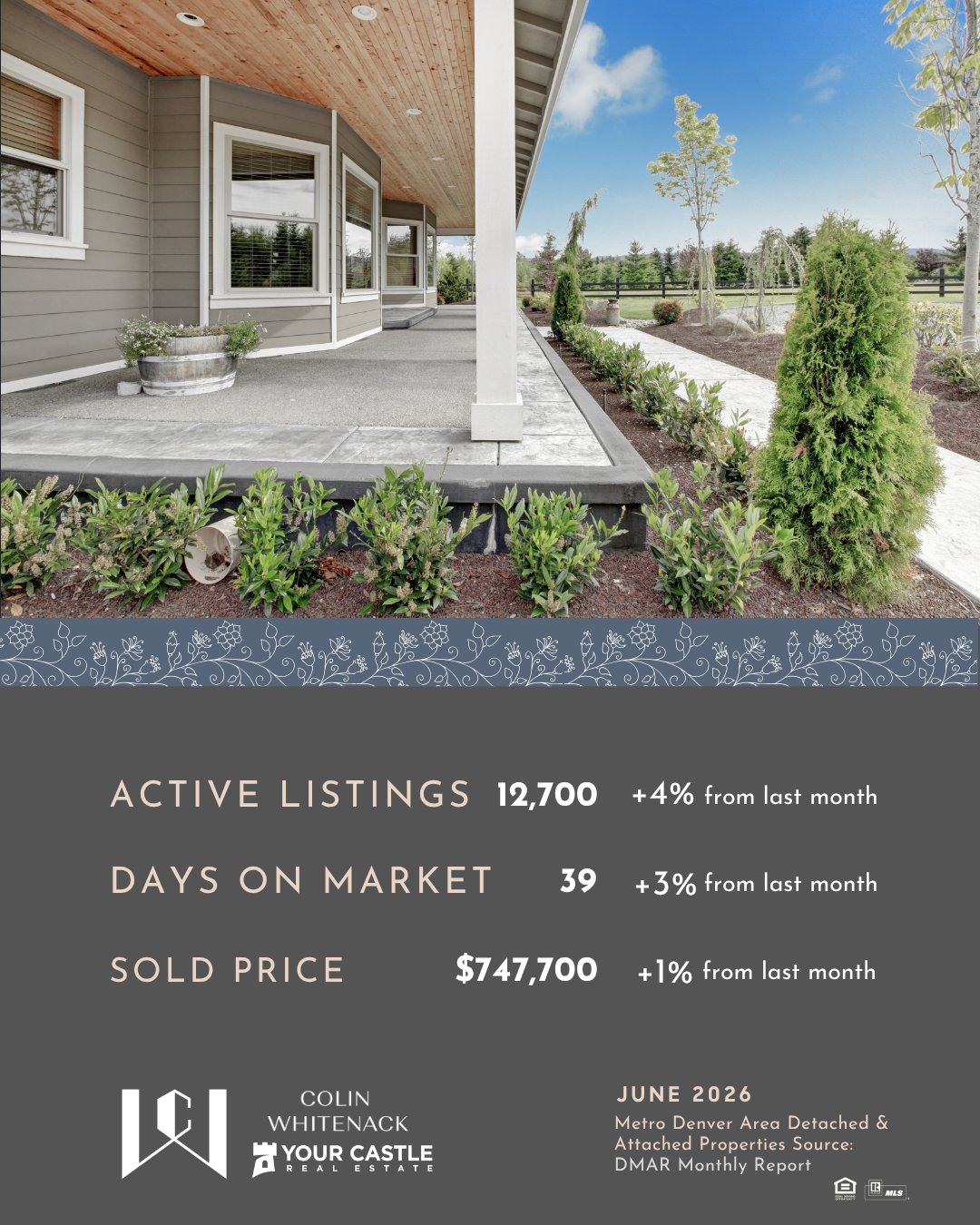
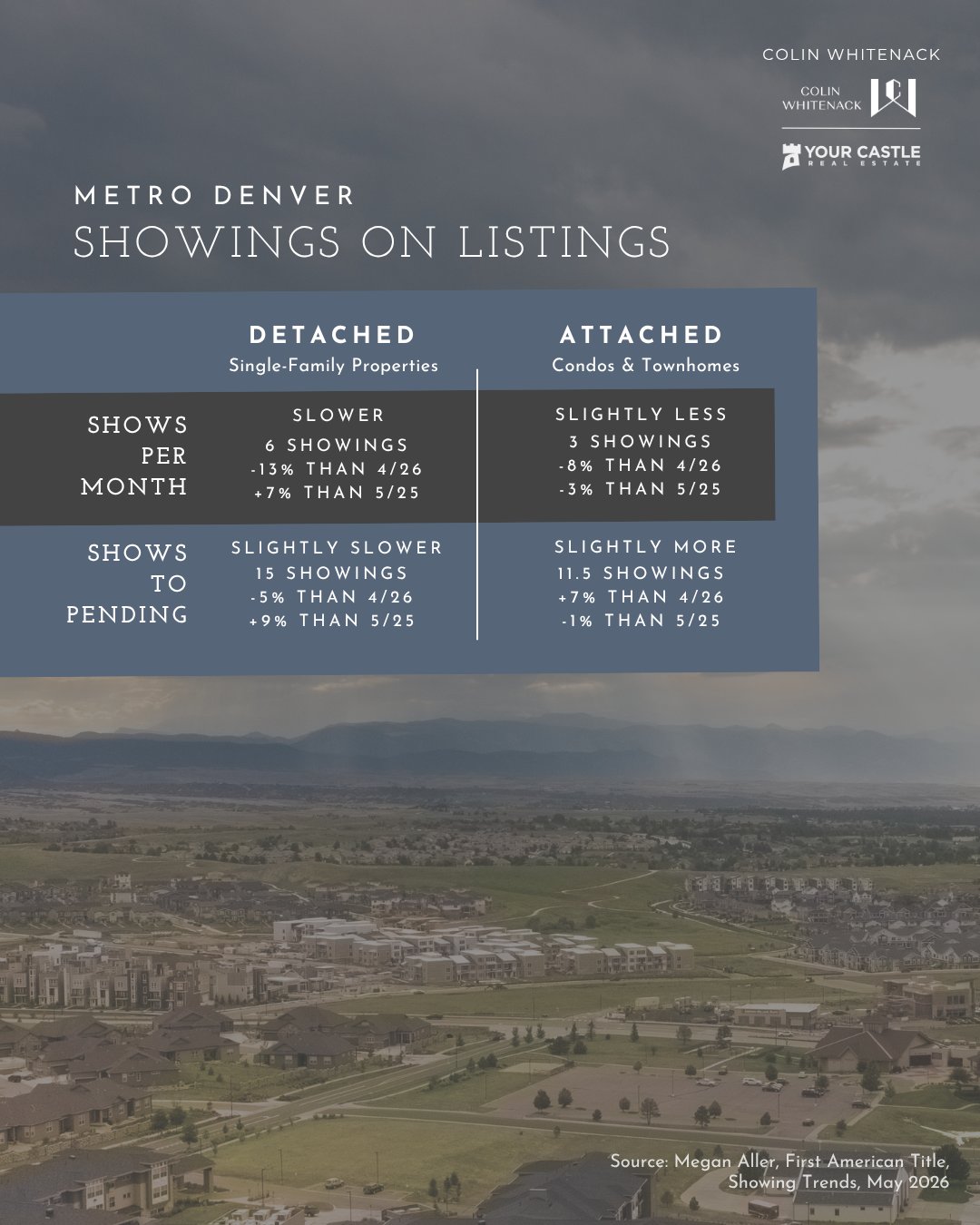
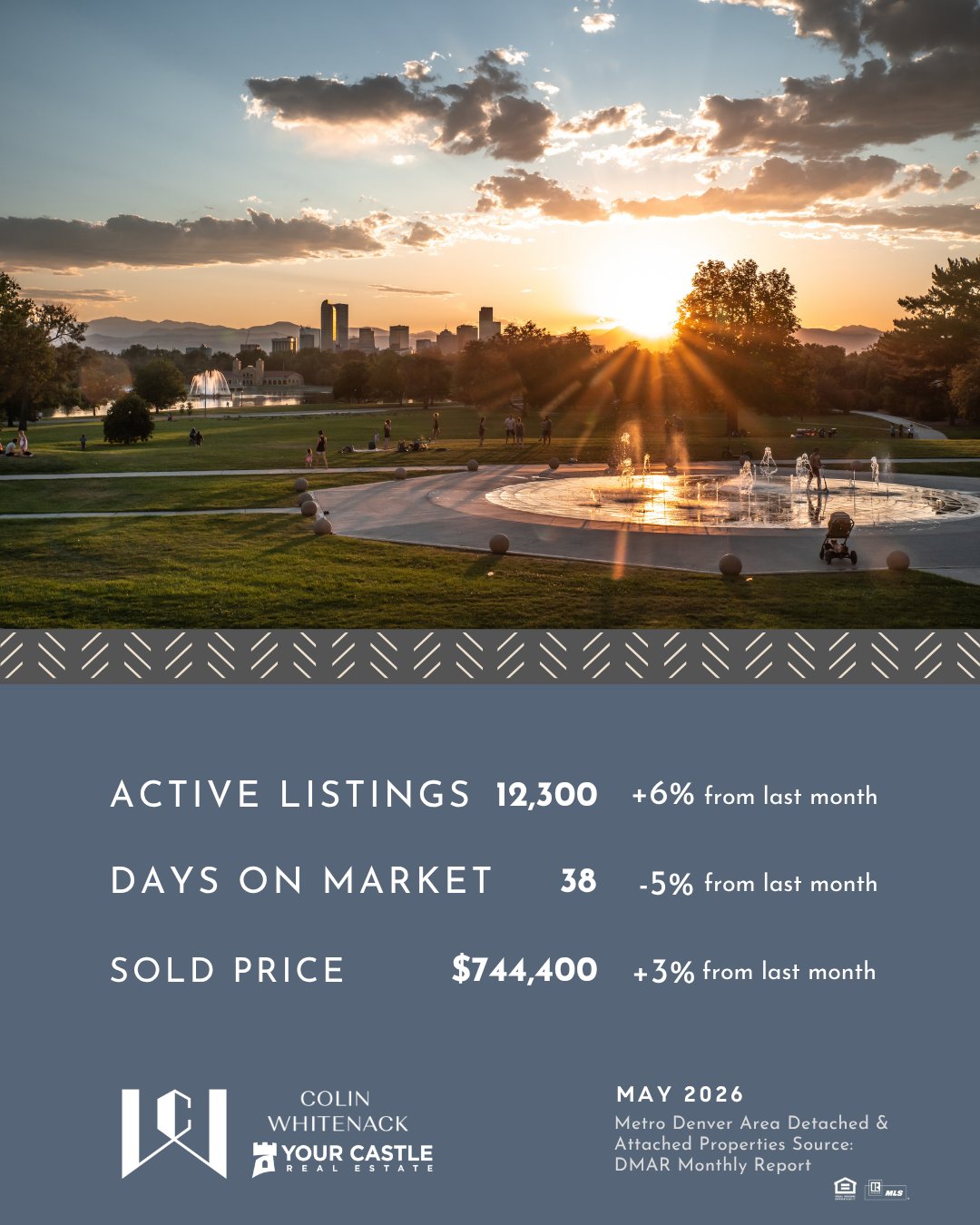
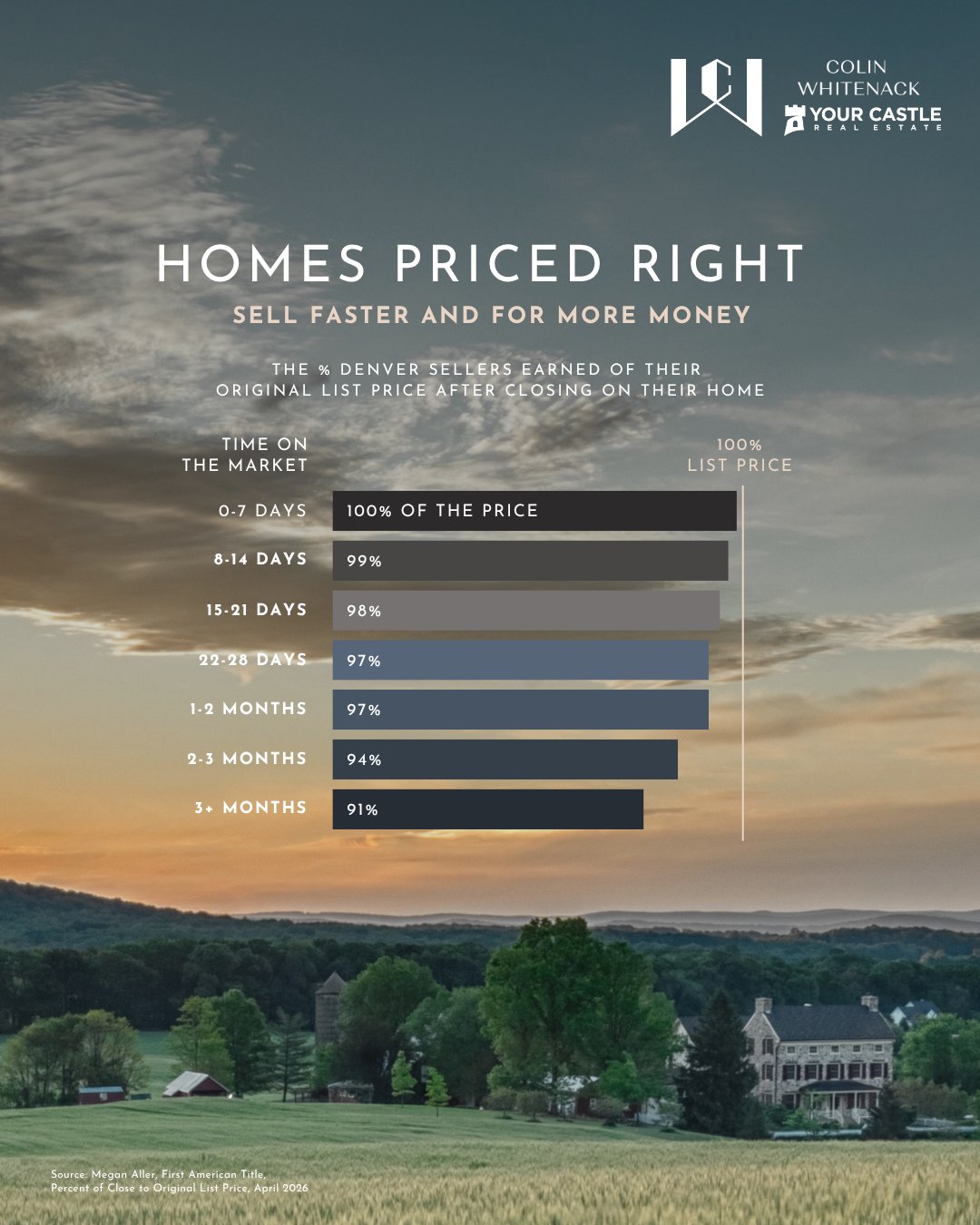
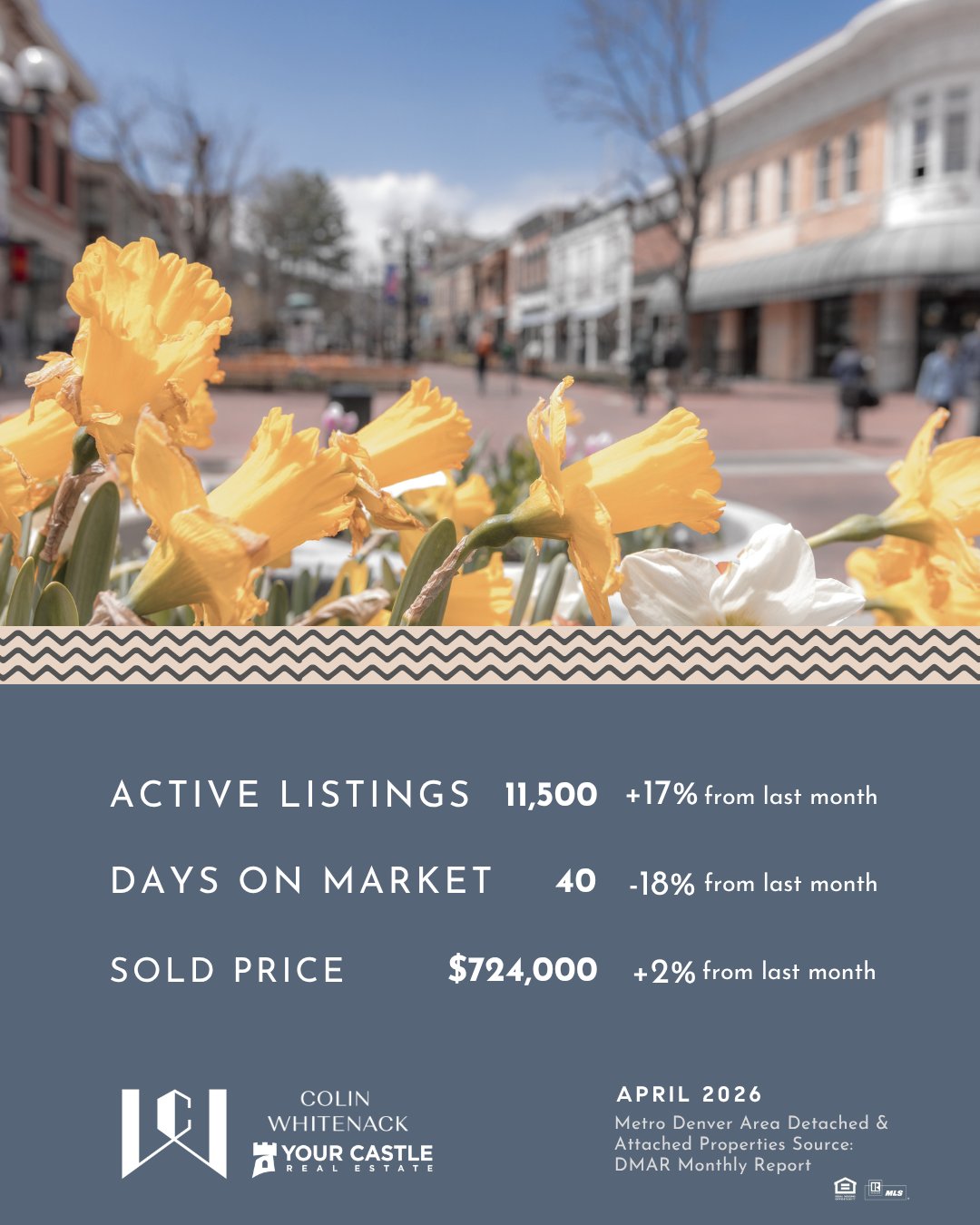
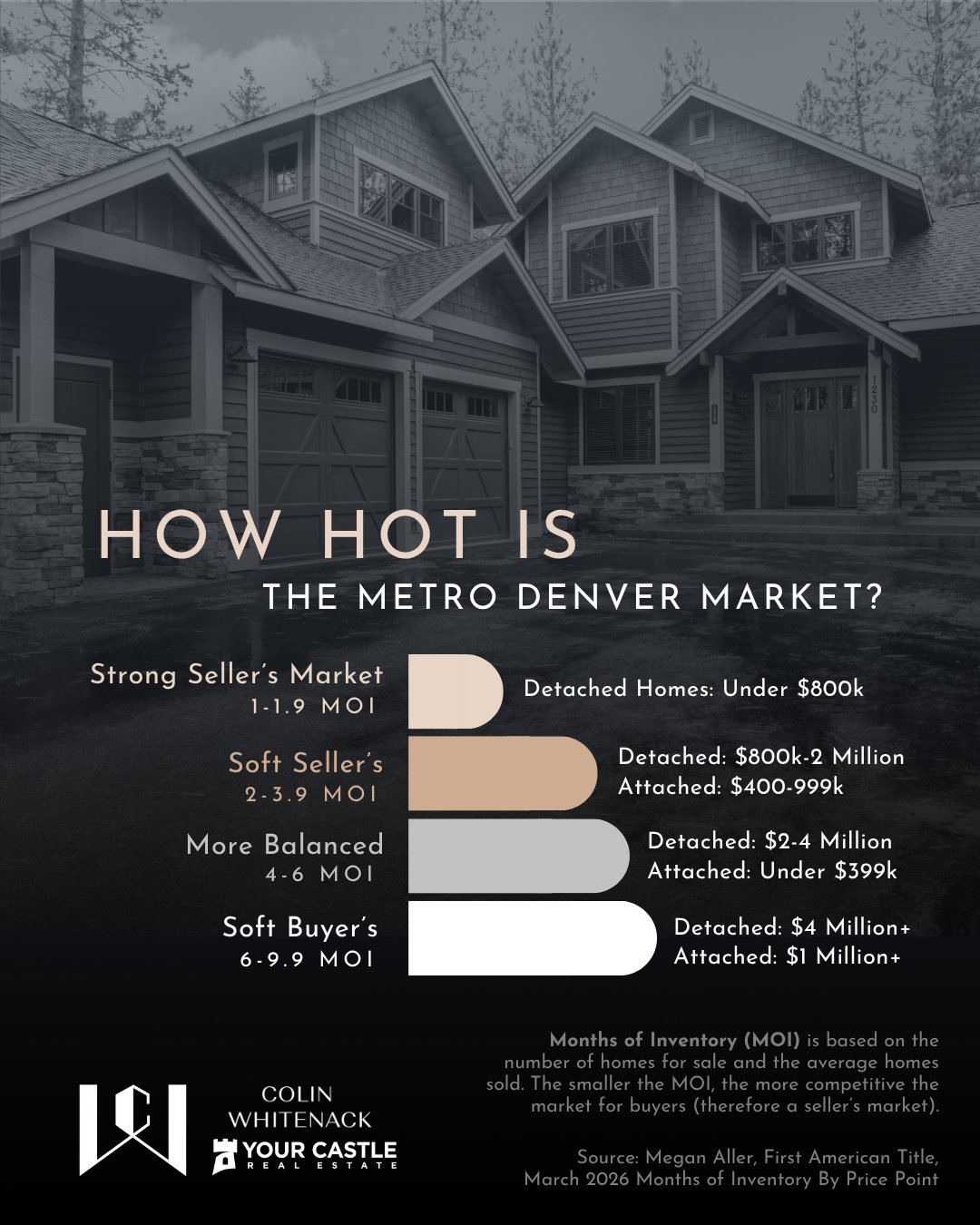
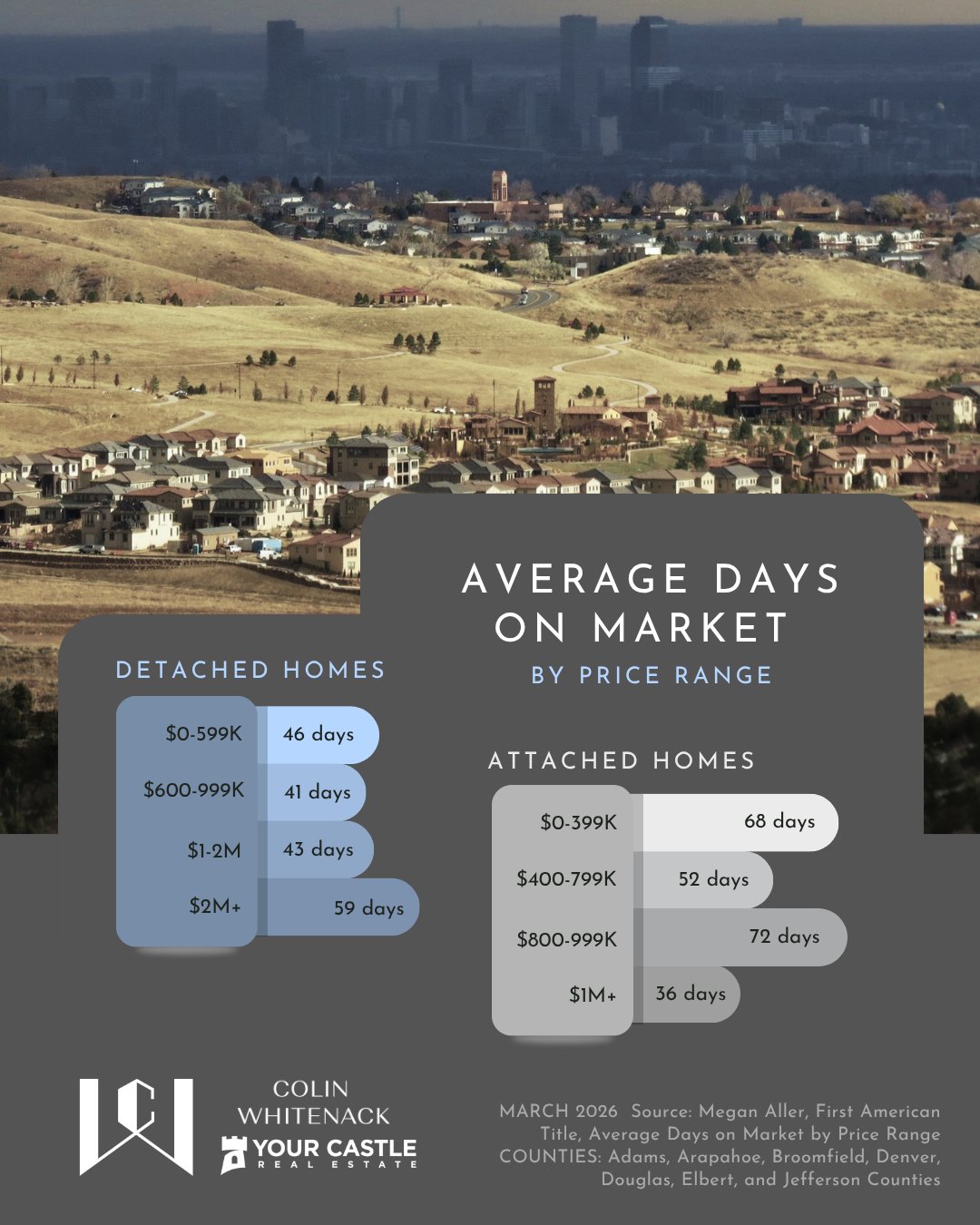
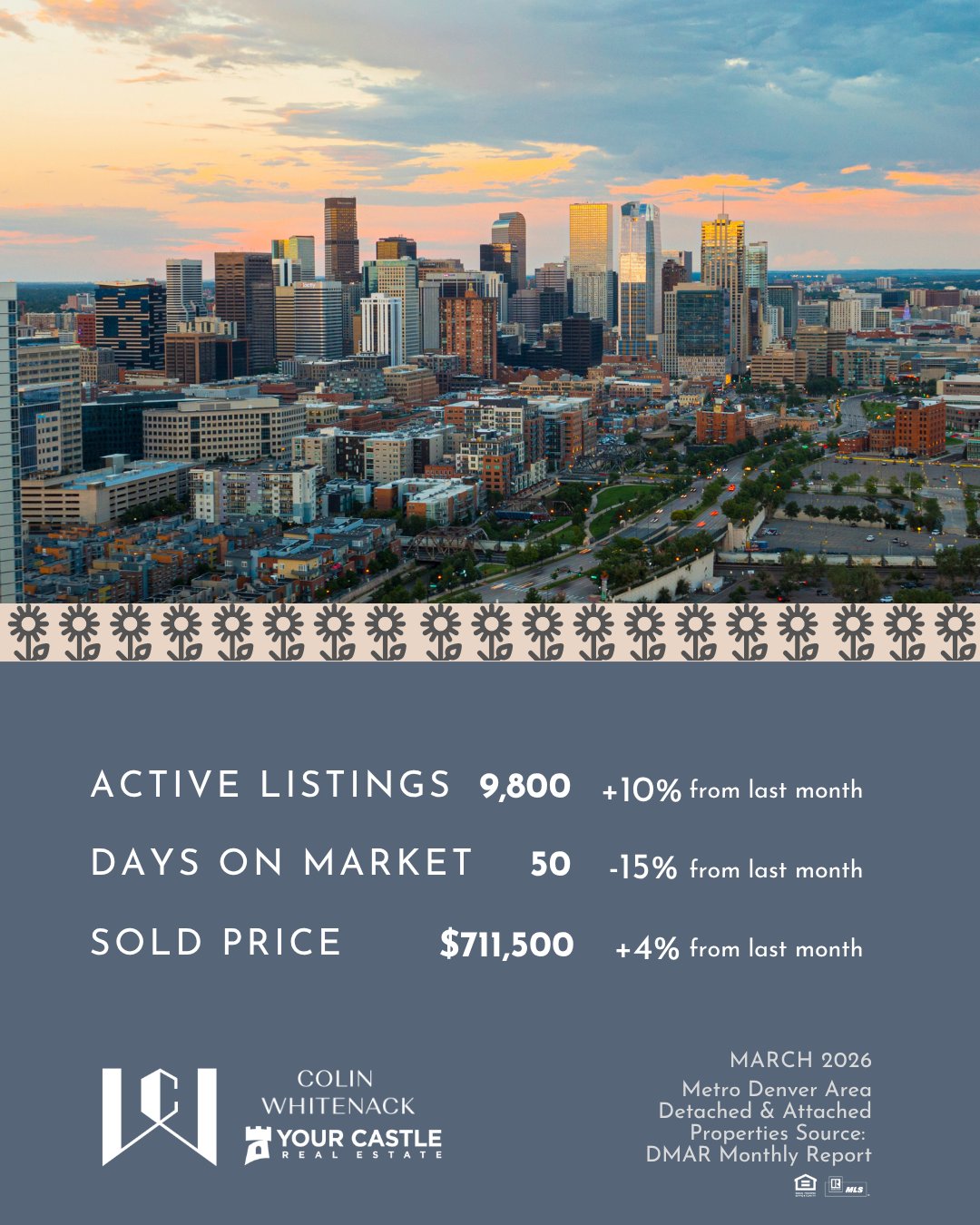
For current pricing, days on market, or inventory, connect with a local advisor who can pull live data and context block by block.
Getting around Park Hill
Walkability varies by location. Blocks near small retail pockets and park edges are more convenient for daily errands, while interior streets are quieter and more car-oriented. If you rely on transit, the neighborhood is served by multiple RTD bus routes that link to downtown, light-rail lines, and cross-city corridors. Check RTD schedules and route maps to plan your commute.
Driving into downtown is often a short trip, depending on time of day. Street parking is typical, and some areas have permit or seasonal rules. If you’re a cyclist, City Park and adjacent streets are popular, and many routes feel bike-friendly for local trips.
Schools and community life
Park Hill is served by Denver Public Schools, with neighborhood elementary schools and zoned middle and high schools. Some families choose magnet, charter, or private options based on their needs. School boundaries and programs can change, so check DPS tools for the latest details.
Community life is active and grounded in local involvement. The Park Hill Neighborhood Association hosts meetings, shares updates, and promotes neighborhood events and volunteer opportunities. Proximity to City Park adds museum programs, festivals, and seasonal happenings to the calendar.
For safety and crime information, review the Denver Police public dashboards for block-level insights. You can find maps and resources through the Denver Police Department.
Practical buyer tips for older homes
If you’re considering Park Hill, a few checks will help you buy with confidence:
- Systems and structure. Ask about plumbing, electrical, roof age, insulation, and HVAC. Many homes are updated, but older systems can require budgeting.
- Historic character. Original woodwork, built-ins, and windows add charm. Verify any preservation or design guidelines before major changes.
- Zoning and permits. For additions, ADUs, or duplex conversions, confirm what’s allowed with City planning and permitting resources.
- Parking and garages. Detached alley garages are common. Street rules can vary near City Park or event venues, so check posted signs and neighborhood updates.
- Utilities and internet. Standard city services are available. Providers vary by address, so verify coverage and speeds during your inspection period.
A day in Park Hill
Weekdays often start with a dog walk across City Park’s loop, followed by a quick commute or an RTD bus ride. After work, you might grab takeout from a neighborhood spot and unwind on the front porch under mature trees.
Weekends lean easy. Families and friends head to the Denver Museum of Nature & Science or the Denver Zoo in the morning, then meet up for a picnic or a bike ride around the park. Evening brings a cozy dinner at home or a casual meal along nearby corridors.
Is Park Hill a fit for you?
If you’re drawn to classic homes, leafy streets, and a location close to culture and parks, Park Hill is worth a closer look. The neighborhood’s housing mix offers choices for different budgets and project appetites, while City Park keeps your weekends full and your mornings peaceful.
If you want block-by-block guidance and up-to-the-minute market data, reach out to Colin Whitenack for a tailored Park Hill plan.
FAQs
How close is Park Hill to downtown Denver and the airport?
- Typical drives are often 10–25 minutes to downtown and 25–40 minutes to the airport, depending on traffic. For exact estimates at your commute time, use RTD’s trip tools or map apps.
What types of homes are common in Park Hill?
- You’ll mainly find single-family homes in Craftsman, Foursquare, Tudor, and Colonial styles, plus some duplexes and small flats near busier streets.
Which schools serve Park Hill families?
- The area is served by Denver Public Schools. Use DPS tools to verify current boundaries, programs, and enrollment options.
Is Park Hill walkable and transit-friendly?
- Walkability varies by block. RTD bus routes connect to downtown and light rail; check RTD schedules and route maps for service near your address.
Where can I find crime and safety data for Park Hill?
- Review neighborhood-level maps and dashboards from the Denver Police Department for current trends and block-specific details.
Are there local community events and ways to get involved?
- Yes. The Park Hill Neighborhood Association lists meetings, volunteer opportunities, and event updates.
What should I know about renovations or additions?
- Check zoning, permits, and design requirements through DenverGov planning and permitting before you plan an addition, ADU, or major remodel.