Trying to track down new construction in Lakewood but keep finding old listings or “coming soon” phases that never seem to open? You’re not alone. Inventory shifts fast here, and communities release lots in stages that can be hard to follow. In this guide, you’ll learn where new-build opportunities actually show up, how phases and timelines work, what fees to expect, and how to compare new vs resale with confidence. Let’s dive in.
Where new construction shows up
Lakewood’s new construction is a mix of infill redevelopment inside city limits and nearby greenfield projects in Jefferson County. Builders rotate between quick‑move spec homes, production move‑ins, and build‑to‑order lots. That means availability can change week to week.
The most reliable way to confirm what is actually for sale is to check live sources and verify details directly with a builder or local expert.
The most accurate places to look
- REcolorado MLS: This is the primary source for spec and quick‑move homes marketed as new construction.
- Builder websites and sales centers: You’ll find phase maps, model hours, included features, and presale lists here.
- City of Lakewood Planning & Development and Building Division: Public records show plats, subdivision approvals, and permit activity so you can confirm upcoming phases.
- Jefferson County Assessor and Recorder: Parcel and ownership records, special district documents, and recorded plats help you understand taxes and assessments.
- Major listing aggregators: Useful to browse, but they can lag MLS updates.
- Local broker teams and new‑construction specialists: They often hear about upcoming releases before they appear online.
Examples to watch and verify
You may hear about communities like Solterra or Green Gables. Treat names as starting points rather than guarantees. Always confirm current status, active phases, and lot availability through MLS, builder sites, or the city planning portal before you plan a visit.
Community and lot types
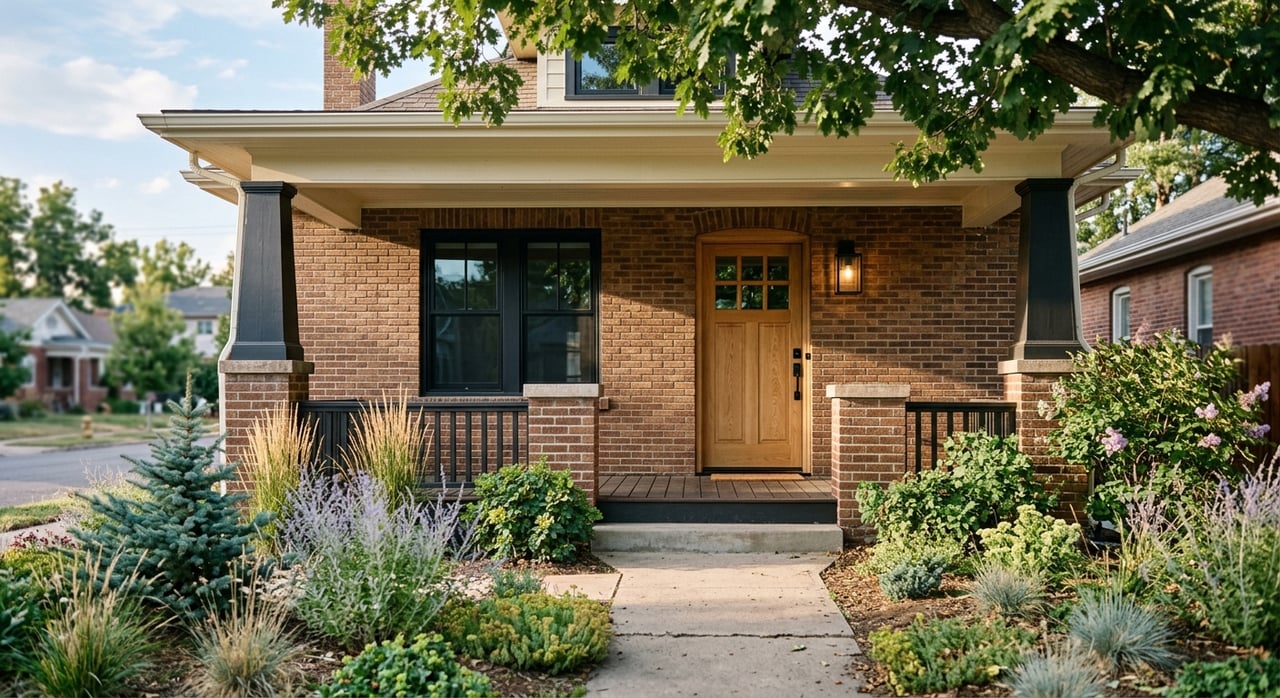
Single‑family detached
You’ll find everything from compact urban lots to larger sites over 50 feet wide. In foothill‑adjacent areas, walk‑out basements are common and can add value. Lot orientation and slope affect build complexity and cost, so note grade and drainage when comparing options.
Townhomes and attached options
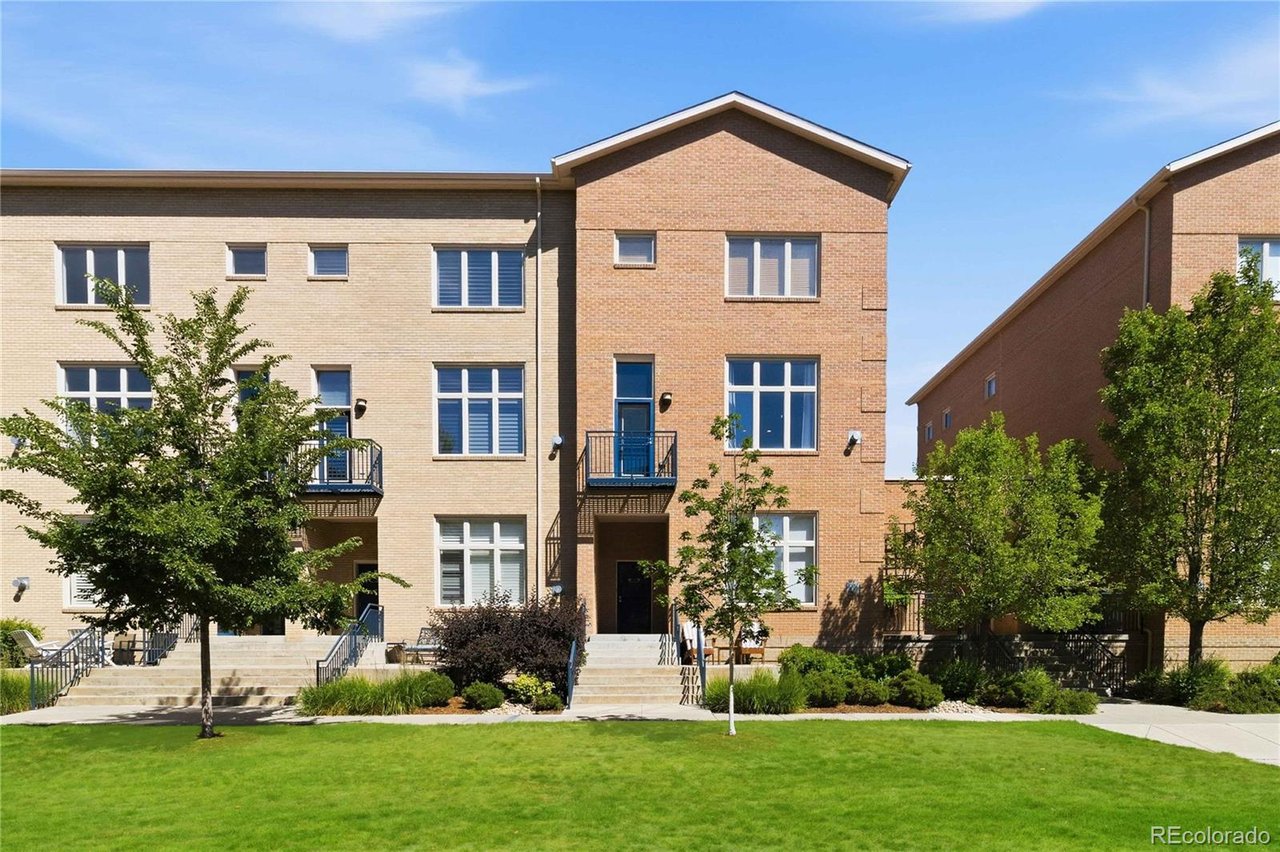
Attached homes are popular in infill and higher‑density locations, including areas near light rail. They often come with lower exterior maintenance and may offer quicker delivery timelines than larger single‑family builds.
Patio and zero‑lot‑line homes
These are designed for low‑maintenance living and downsizers who want lock‑and‑leave convenience. Yards are smaller and some exterior maintenance may be covered by the HOA.
Lot types that matter
- Flat (grade) lots: Typically easier and less expensive to build on and landscape.
- Walk‑out lots: Great natural light and yard access, but foundations and site work can cost more.
- Zero‑lot line/patio: Smaller yards and shared maintenance responsibilities are common.
- Corner and premium lots: More exposure and potential maintenance obligations; expect possible lot premiums.
How phases and releases work
Presales and waitlists
Builders often accept reservations or deposits before infrastructure is complete. Ask how the waitlist works, what your priority status is, and when lot pricing will be published.
Spec and quick‑move homes
Model homes and spec inventory are built for immediate or near‑term possession. These homes typically show up on MLS and can come with incentive packages, especially as closing dates approach.
Lot and plat releases
Developers record plats with the city, then release specific lots on a schedule. Always request the current lot map, phase plan, and any known timeline for utilities, roads, and permits. Get a written schedule from the builder and understand how delays are handled.
Build timelines, costs, and fees
Typical timelines
- Spec/quick‑move: Often 30 to 120 days, depending on completion and lot prep.
- Production builds: Commonly 4 to 9 months from permit to close, but this varies with weather, permit backlogs, and materials.
- Custom builds: Plan for 9 to 18 months or more based on complexity.
Always confirm timing in writing. Schedules can shift during busy seasons or due to contractor availability.
One‑time closing costs
- Tap and connection fees for water, sewer, and utilities (responsibility varies by contract).
- City or county impact and development fees (sometimes included in lot price or passed through).
- Permit and inspection fees (usually paid by the builder; verify in the contract).
- Title, escrow, recording, and transfer taxes where applicable.
- Initial HOA capital contribution or transfer fee at closing.
Recurring costs and assessments
- HOA dues: Cover common area upkeep and sometimes exterior maintenance and snow removal.
- Metro or special district taxes: Many new Colorado developments fund infrastructure with districts that appear on your property tax bill for years.
- Landscape or maintenance districts: May be annual or monthly.
- Energy costs: Newer systems often lower bills, but verify equipment and fuel type.
Upgrades and change orders
Builders price a base home with packages for finishes and systems. Changes after signing can affect price and schedule. Ask for a detailed list of included features, allowance limits, and the process for change orders before you commit.
New vs resale: the real comparison
New construction may come at a higher price per square foot but with fewer immediate maintenance needs. District assessments and HOA dues can offset some of that advantage. Compare the total monthly cost: mortgage, taxes, HOA and assessments, plus utilities.
Warranties, inspections, and representation
Typical builder warranty structure
While each builder’s warranty is unique, many follow this general pattern:
- Workmanship and finishes: Commonly 1 year for materials and labor.
- Systems coverage: Often 2 to 2.5 years for plumbing, electrical, and HVAC.
- Structural coverage: Frequently up to 10 years for major load‑bearing elements.
Get the exact warranty terms in writing, including what is included, what is excluded, and how claims are handled.
Inspections and walk‑throughs
- Before you sign: Review the feature list, specs, and model home differences.
- Pre‑drywall (if allowed): Have framing, rough‑in plumbing/electrical, and insulation checked.
- Final inspection: Hire an independent inspector experienced in new construction to build your punch list.
- 11‑month/1‑year walk‑through: Inspect before the warranty window closes and submit claims in writing.
Your representation with builders
On‑site sales teams represent the builder, not you. You have the option to hire your own buyer’s agent to review contracts, structure upgrade strategies, register you properly with the builder, and negotiate incentives. Some builders offer commissions to buyer agents and have strict registration rules, so clarify those early.
Incentives and negotiation
Spec homes near completion and slower markets can bring price reductions, lender credits, or closing cost help. In hot phases, builders may favor incentives tied to preferred lenders or timelines rather than price cuts. Ask about any conditions for incentives, including lender or title requirements.
Records and dispute steps
Keep written records of all selections, change orders, and communications. Track the warranty submission process and timelines. If you need escalation, start with the builder’s warranty department and document every step.
How to verify a Lakewood community today
Use this quick process for any neighborhood you’re considering, including examples like Solterra or Green Gables:
- Confirm the exact community name and builder(s). Ask for the current lot map and phase plan.
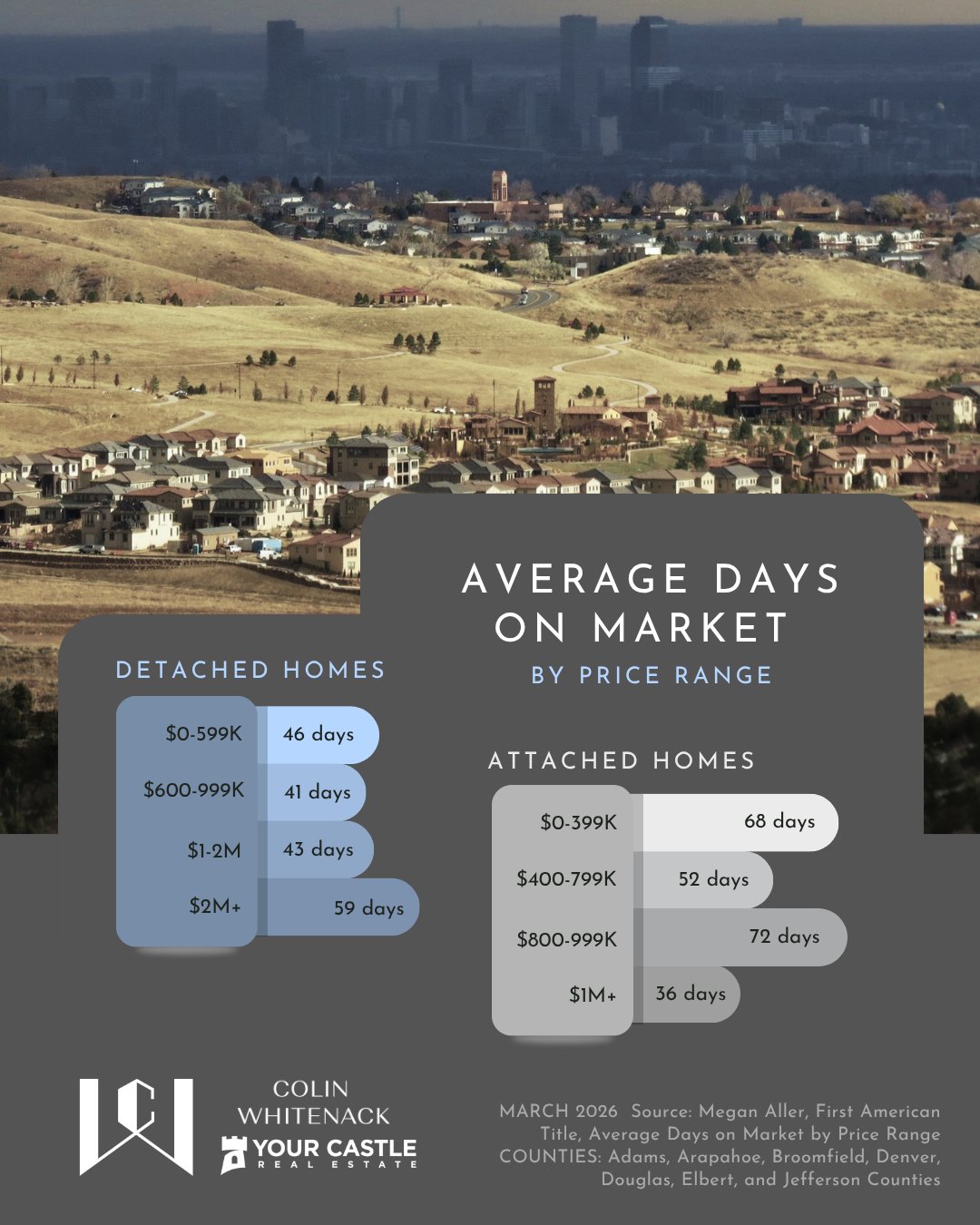
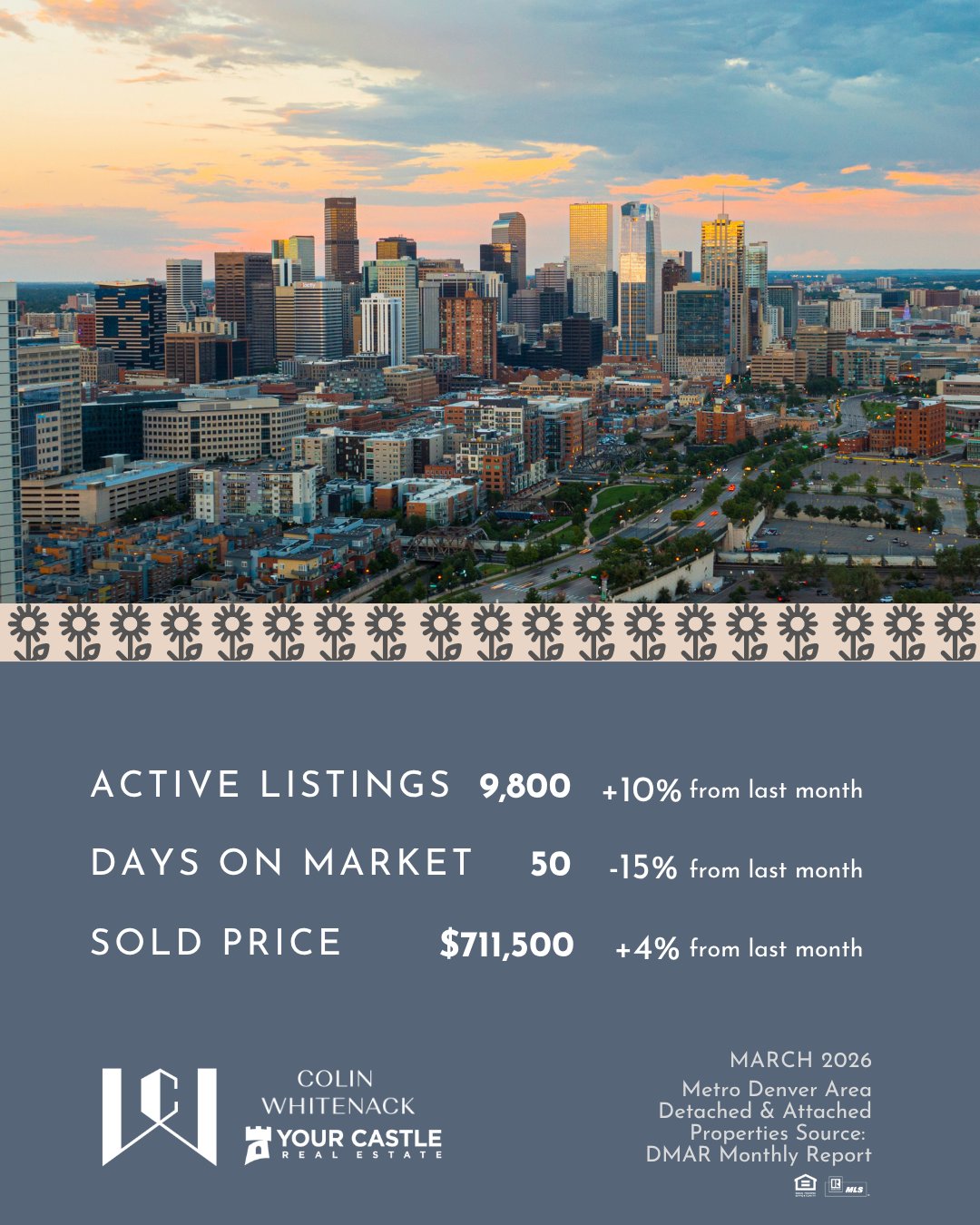
- Check REcolorado MLS for active new construction and quick‑move inventory. Note days on market and pricing trends.
- Visit the builder’s website or sales center for model hours, presale lists, and release schedules.
- Review City of Lakewood Planning & Development records for plats, permits, and infrastructure updates.
- Pull parcel data and special district documents from the Jefferson County Assessor/Recorder to understand tax impacts.
- Request HOA dues, capital contributions, and examples of recent tax bills if available.
- Verify access to transit, parks, and amenities through the city’s approved plats or developer agreements.
Make a plan with local guidance
If you want a smooth new‑build experience, start with a clear brief and a verified list of target communities. We’ll help you confirm live inventory, decode metro district taxes, compare lot types, and set expectations for timelines and warranties. When you are ready, we can register you with builders, structure upgrades that hold value, and negotiate the best total package for your goals.
Ready to explore new construction in Lakewood with a trusted local advisor? Connect with Colin Whitenack for a tailored plan and current opportunities.
FAQs
Where can I see current new construction in Lakewood?
- Check REcolorado MLS for live spec listings, then confirm phases and lot maps on builder websites and with the City of Lakewood’s planning and permitting records.
How long does a new build take in Lakewood?
- Spec homes can close in 30 to 120 days, production builds often run 4 to 9 months from permit, and custom homes can take 9 to 18 months or more depending on complexity.
What fees should I expect beyond the base price?
- Plan for tap and connection fees, impact or development fees, standard closing costs, and a one‑time HOA contribution, plus ongoing HOA dues and possible metro district assessments.
Do I need a buyer’s agent for a new build in Lakewood?
- On‑site sales teams represent the builder, so having your own agent helps with contract review, registration, incentives, inspection strategy, and keeping timelines and warranties on track.
Are metro district taxes common in new developments?
- Yes, many Colorado new developments use metro or special districts to finance infrastructure; these appear on property tax bills and can last for years, so include them in your monthly budget.