Eyeing a Washington Park home and wondering if your mortgage will count as jumbo? You are not alone. Many Wash Park homes sit at price points where the financing rules change, and lenders look more closely at your credit, income, and cash on hand. In this guide, you will learn what makes a loan “jumbo” in Denver County, what lenders expect, how appraisals work in Wash Park, and how to shape a competitive offer with confidence. Let’s dive in.
What makes a loan jumbo in Denver County
A conforming loan meets Fannie Mae and Freddie Mac guidelines and stays at or below the county’s conforming loan limit. Any loan amount above that county limit is a jumbo loan and is not eligible for purchase by Fannie or Freddie.
The Federal Housing Finance Agency sets county loan limits each year. Because limits change annually, it is smart to verify the current Denver County limit before you shop or write an offer. A local jumbo‑capable lender can confirm the latest value and tell you if your target price and down payment will push your loan into jumbo territory.
If your planned loan amount exceeds the current limit, your file will be treated as a jumbo. That often means tighter documentation, larger required reserves, and a more detailed appraisal.
Why Washington Park often requires jumbo
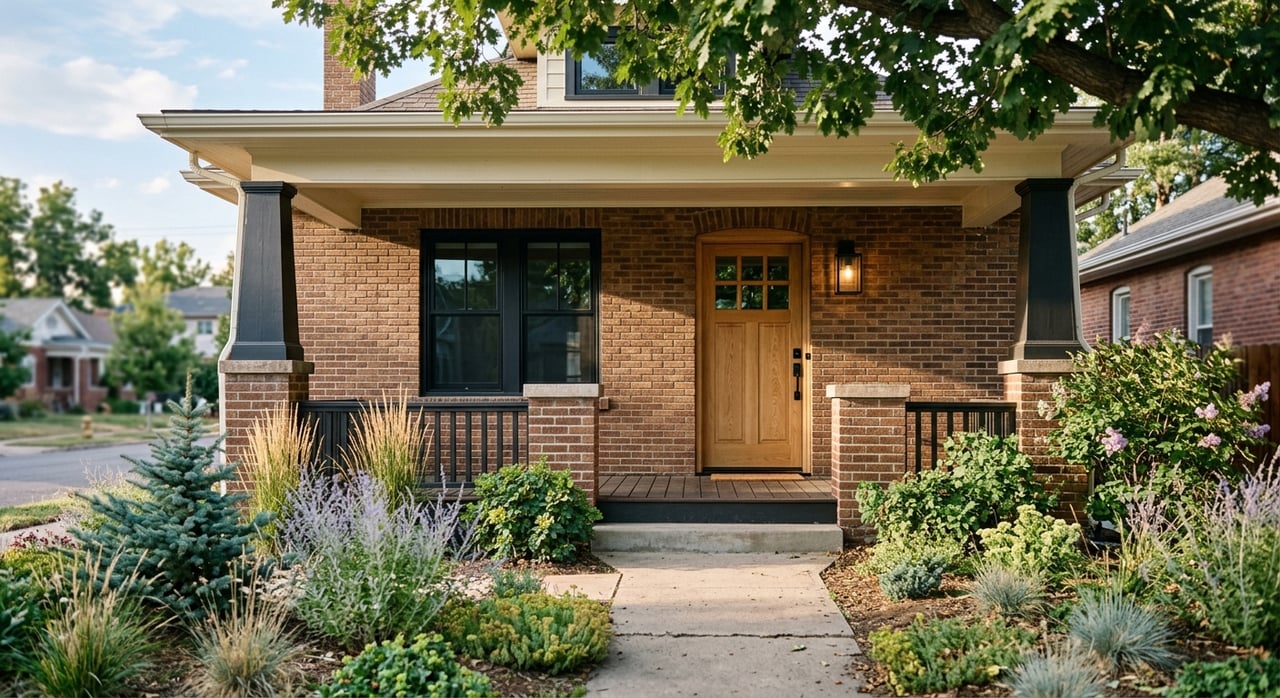
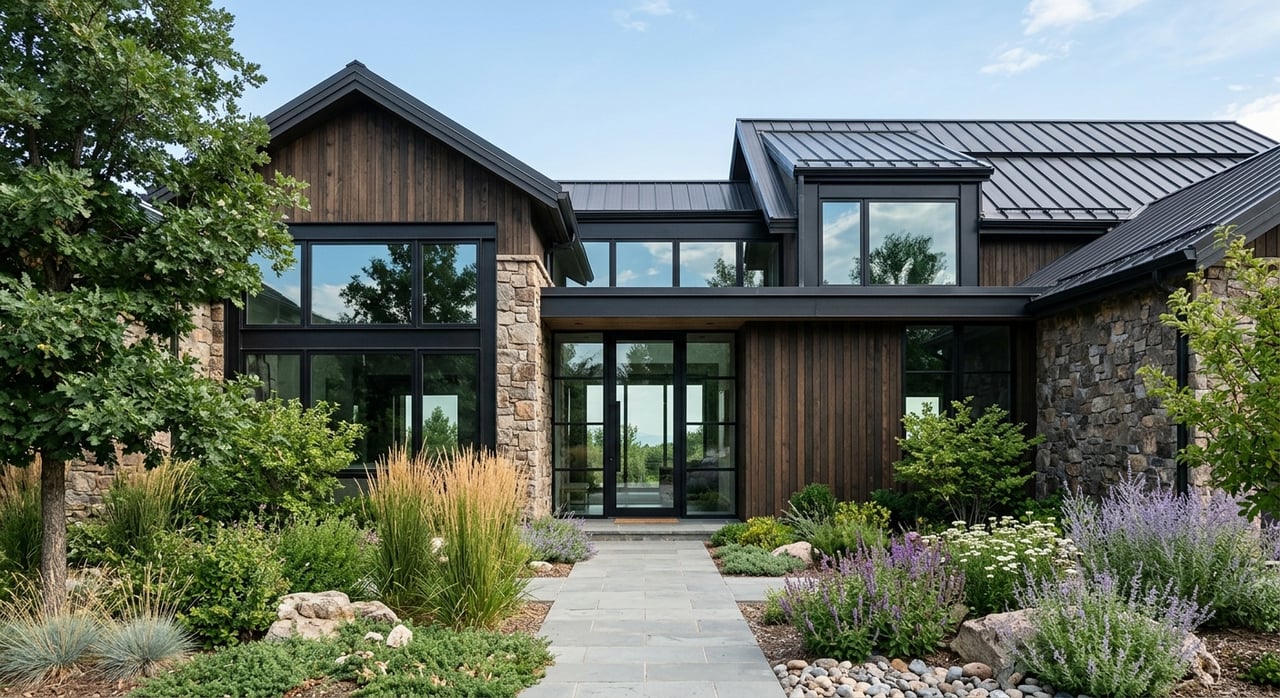
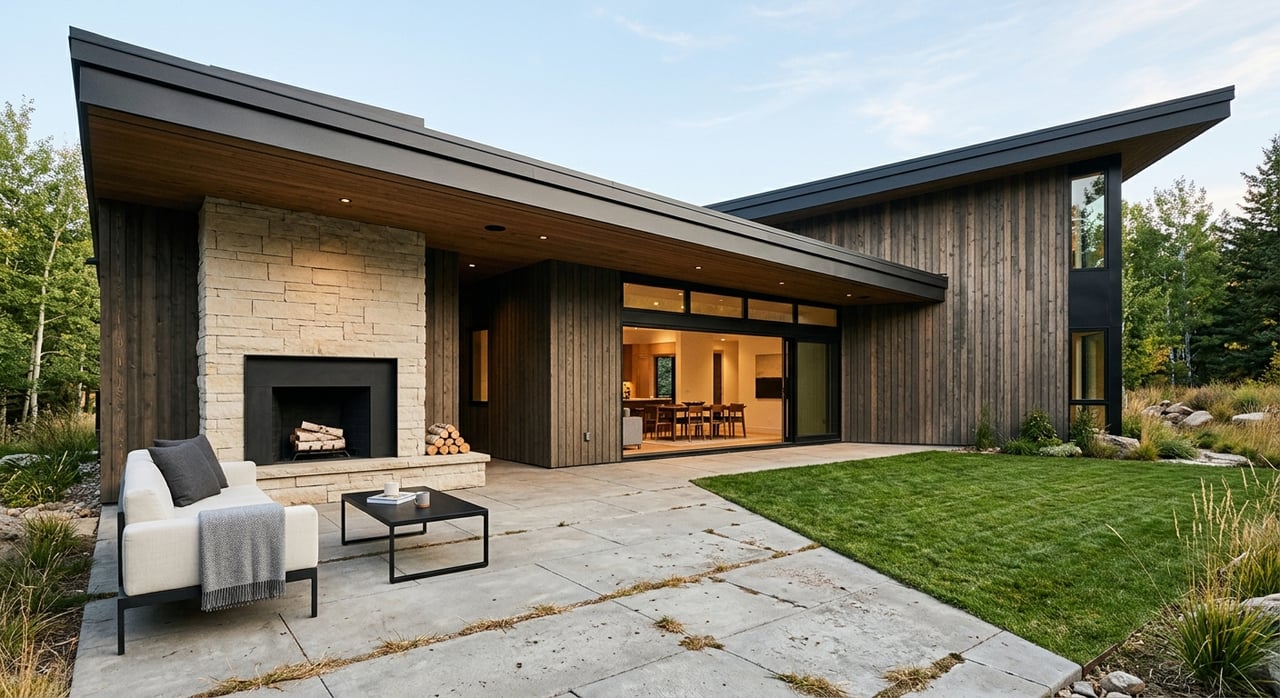
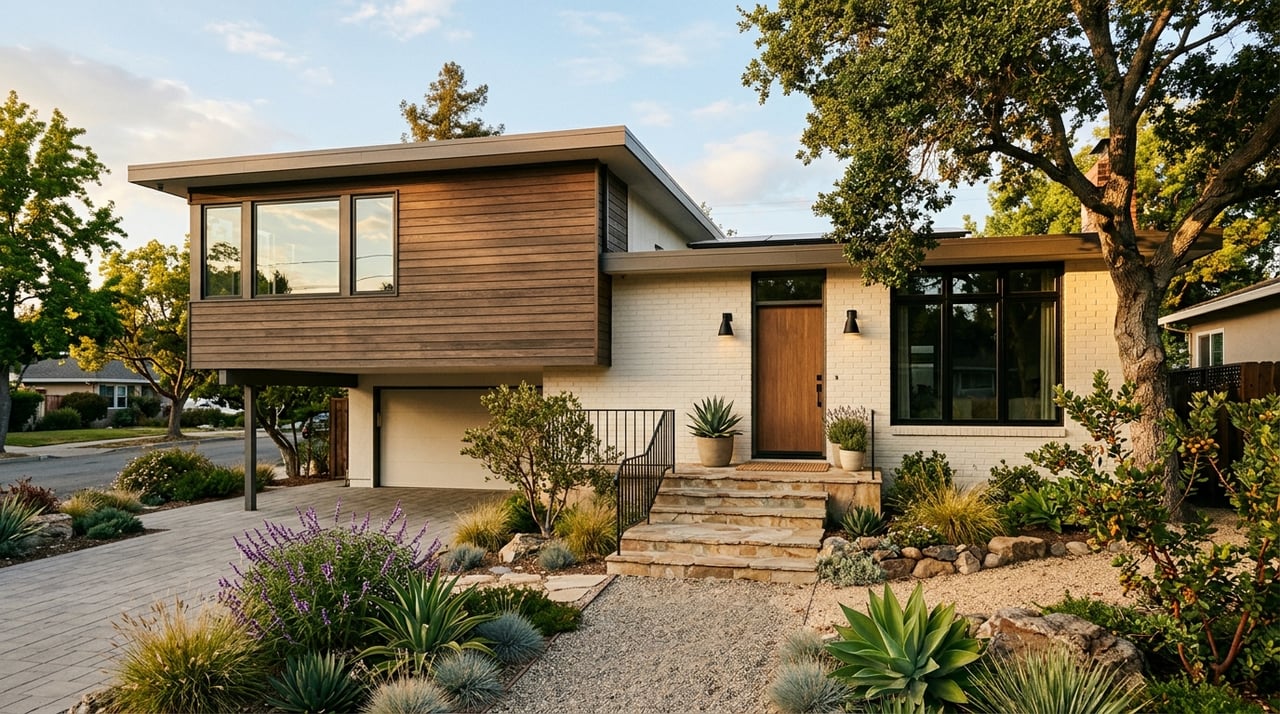
Washington Park is a centrally located Denver neighborhood with many renovated homes, larger lots, and custom infill. A meaningful share of listings here land above the county’s conforming limit, especially updated or expanded properties. As a result, many buyers in Wash Park use jumbo financing.
When your loan size moves into jumbo, lender choices narrow and underwriting can be more detailed. Expect full documentation, careful review of income and assets, and a stronger focus on reserves and appraisal support.
Jumbo loan options that fit Wash Park
Agency‑style vs. portfolio jumbos
- Agency‑style jumbo: Larger lenders that apply investor‑type guidelines to loans above the conforming limit. These programs feel more standardized with clear rules on credit, debt‑to‑income, and reserves.
- Portfolio or non‑agency: Community banks and portfolio lenders that keep loans in house. These can be more flexible on documentation and DTI, which can help self‑employed or non‑traditional income buyers.
Fixed‑rate vs. ARM structures
- Fixed‑rate options: 30‑year and 15‑year fixed loans are common and provide payment stability. Many Wash Park buyers prefer this for long‑term holds.
- ARMs (adjustable‑rate mortgages): Examples include 5/6 and 7/6 ARMs. These can offer lower initial rates, which may help if you plan to sell or refinance within a set time frame. They do carry reset risk if you keep the home longer.
Interest‑only and piggyback options
- Interest‑only: Some lenders offer interest‑only periods to manage cash flow. This lowers initial payments but can raise long‑term risk.
- PMI and piggybacks: Traditional jumbos often avoid PMI with 20 percent down. Some lenders offer second‑mortgage piggybacks, though these are less common than before.
What lenders expect from jumbo borrowers
Down payment norms
- Minimums often start around 10 to 15 percent for highly qualified borrowers.
- A 20 percent down payment is common to get stronger pricing and fewer overlays.
- Second homes or investments usually require more, often in the 20 to 30 percent range.
Credit, DTI, and documentation
- Credit score: Many programs prefer 700 to 740 or higher, with the best terms at higher scores.
- Debt‑to‑income (DTI): Limits often range from 43 to 50 percent, depending on your full profile and reserves.
- Documentation: Full documentation is standard. Portfolio lenders can be more flexible with bank‑statement or asset‑based programs.
Cash reserves and asset seasoning
- Primary residences commonly require 6 to 12 months of PITI reserves.
- Second homes and investment properties often need 12 months or more.
- Lenders typically want reserves in accessible, verifiable accounts. Ask about any seasoning rules for funds.
Rates and pricing
Jumbo rates can be competitive with conforming loans, but pricing varies by lender, product, and borrower profile. Portfolio programs may cost a bit more in exchange for flexibility.
Appraisals in Washington Park: what to expect
Wash Park appraisals can be complex. The neighborhood includes unique remodels, historic properties, and custom infill, which can make perfect comparable sales harder to find. That can challenge valuation and pace.
Most jumbo loans require a full interior and exterior appraisal. On higher loan amounts, some lenders request a review appraisal or a second opinion. Appraisers may expand the search area to adjacent neighborhoods with similar characteristics, apply detailed adjustments for upgrades and lot differences, or reference the cost approach for unique homes.
Be ready for appraisal risk. If value comes in below contract price, you may need to add cash to cover the gap, renegotiate price, or rely on contingency language. In competitive markets, sellers may ask for shorter appraisal windows or even appraisal waivers, but jumbo lenders typically still require an appraisal.
Offer strategy and timing for jumbo buyers
Loop in a local jumbo‑savvy lender early. Before touring, confirm your program options, comfortable price point, and documentation checklist. Before writing an offer, request a full written pre‑approval rather than a quick pre‑qualification. For many jumbo files, lenders can pre‑underwrite your documents, which makes your offer stronger.
Bring Colin in at the pre‑offer stage. He can align earnest money and contingency lengths with your lender’s timelines and advise on negotiation tools like escalation clauses or appraisal gap coverage. If the home is unique or comps are thin, Colin can help you decide whether to include an appraisal objection plan or pursue seller concessions.
Plan realistic timelines with your lender:
- Appraisal completion: Often 7 to 14 days, with extra time in busy periods.
- Underwriting: Jumbo files can require an additional 1 to 2 weeks for final sign‑off.
- Rate lock: Discuss when to lock. Some buyers lock at commitment for certainty. Others wait for key milestones, understanding float‑down limits and market risk.
- Contingencies: In competitive Wash Park offers, shorter windows can help, but do not shorten to the point that appraisal or underwriting cannot realistically keep up.
Risks and tradeoffs to consider
Jumbo underwriting varies a lot between lenders. One lender’s minimum down payment, reserve requirement, or DTI tolerance may differ from another’s. Portfolio lenders may offer more flexible documentation but ask for more reserves or slightly higher rates.
Lower‑down‑payment jumbos exist, but they can come with stricter credit and asset rules or higher costs. ARMs can reduce initial payments but introduce reset risk if plans change. Bridge loans or HELOCs to cover appraisal gaps add complexity and cost. Larger loans also increase closing costs, so plan for both down payment and meaningful reserves.
A simple jumbo checklist for Wash Park
Do before house‑hunting
- Connect with a local lender experienced in jumbo loans and request a written pre‑approval.
- Gather documents: tax returns, W‑2s, bank and asset statements, and any gift letters.
- Decide on a target down payment and confirm your reserve capacity.
Do before making an offer
- Ask your lender about appraisal timelines and whether a second appraisal could be required.
- Work with Colin to set earnest money, realistic contingency dates, and negotiation tools.
- If appraisal risk is high, consider pre‑offer valuation strategies or prepare cash to cover a possible gap.
Do during escrow
- Ensure the lender orders the appraisal quickly and keeps communication tight with the agent.
- Keep reserve funds accessible and verify any asset seasoning needs.
- Coordinate inspection, repair talks, and appraisal access to avoid delays.
Work with a neighborhood‑savvy advisor
Jumbo purchases in Washington Park move faster and smoother with the right team. You want a lender who understands jumbo guidelines and a local agent who knows the block‑by‑block nuances, comps, and contract norms. Colin & Company pairs neighborhood expertise with hands‑on guidance so you can compete confidently while protecting your interests.
Ready to plan your jumbo purchase in Wash Park? Reach out to Colin Whitenack to map your financing strategy, offer game plan, and timeline.
FAQs
What is a jumbo loan in Denver County?
- A jumbo loan is any mortgage with a loan amount above the annual conforming loan limit set for Denver County by the Federal Housing Finance Agency.
How much down payment do I need for a Wash Park jumbo?
- Many programs start around 10 to 15 percent down, but 20 percent or more is common to access stronger pricing and avoid extra overlays.
Are jumbo mortgage rates higher than conforming?
- They can be similar or slightly higher depending on the lender, your profile, and the product. Portfolio flexibility may come with a pricing premium.
How long does a jumbo loan closing take in Denver?
- Timelines vary, but appraisals often take 7 to 14 days and jumbo underwriting can need an extra 1 to 2 weeks compared to conforming.
What if the appraisal comes in low on my jumbo purchase?
- You can add cash to cover the gap, renegotiate, or rely on appraisal contingency terms. Your strategy should match your lender’s guidance and offer plan.
Should I choose a fixed rate or an ARM for a jumbo?
- Choose based on your time horizon and risk tolerance. Fixed offers stability. ARMs can lower initial payments but carry reset risk if you keep the home longer.
Can I use gift funds on a jumbo purchase?
- Sometimes. Rules vary by lender and program, and gifts may require documentation and seasoning. Confirm specifics with your lender early.