Thinking about adding an accessory dwelling unit to your Park Hill property? You are not alone. ADUs can create flexible space for family or a steady rental income stream, but the path from idea to keys includes zoning checks, permits, costs, and timelines. In this guide, you will learn how ADUs work in Denver, what to expect in Park Hill, how to estimate costs and ROI, and a practical step-by-step plan to get started. Let’s dive in.
What an ADU is in Denver
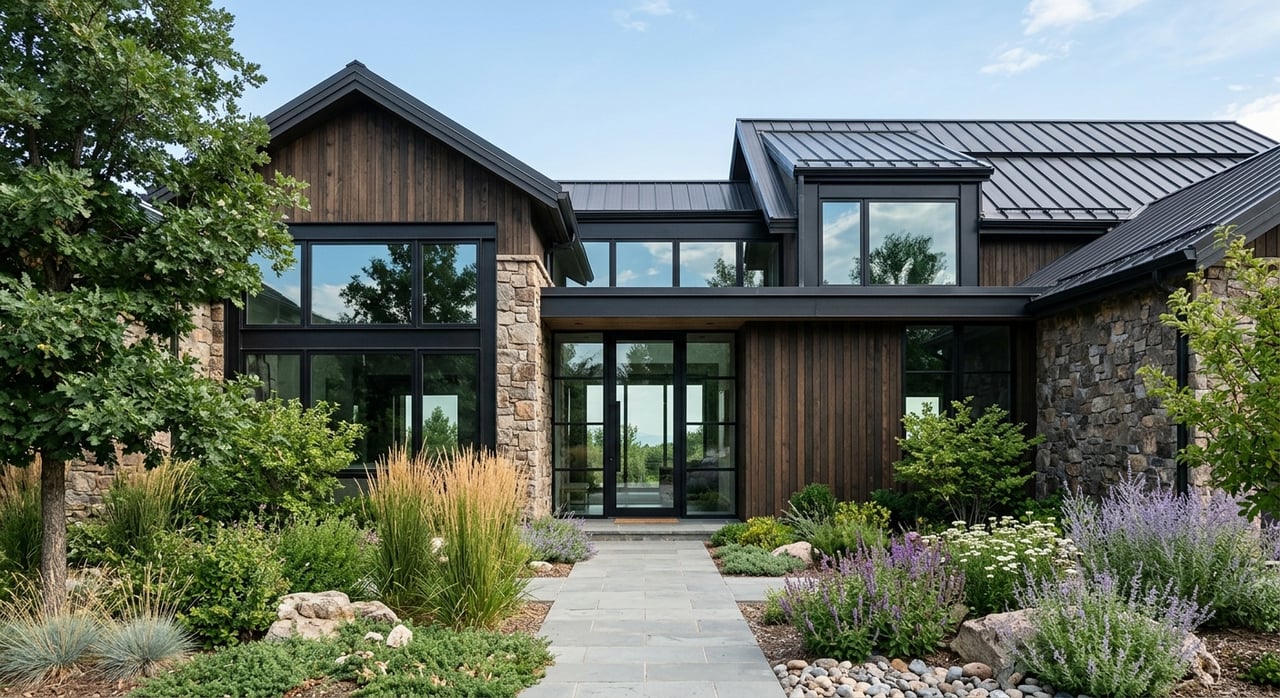
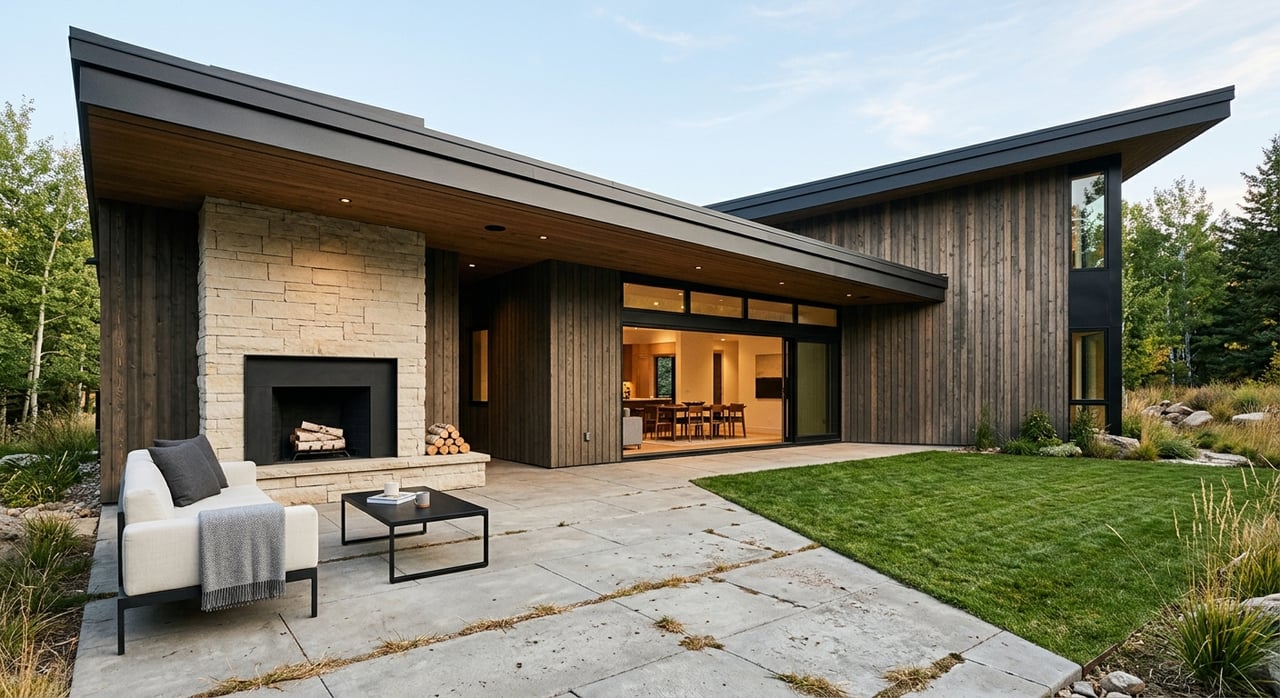
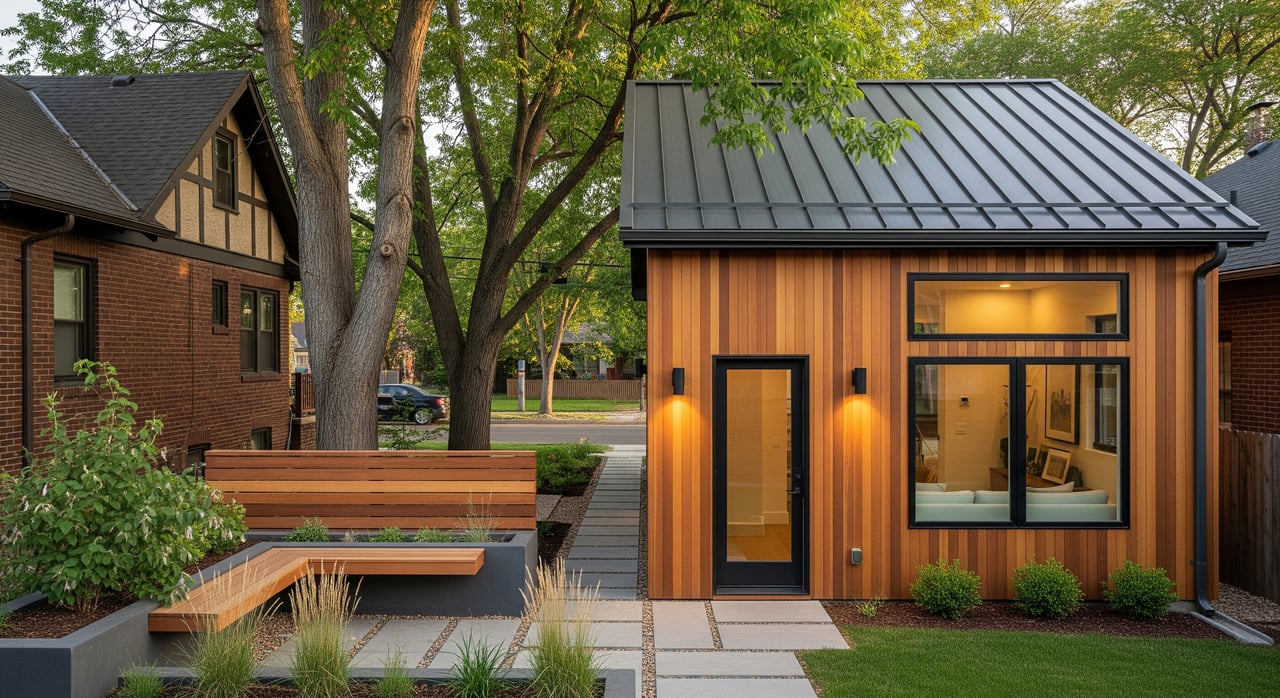
An ADU is a smaller, independent home on the same lot as your primary residence. Common formats include a basement conversion, an internal suite within your existing footprint, an attached addition, a detached backyard unit, or a new unit over a garage. In Denver, ADUs are allowed in many residential zones, but you must follow zoning standards and building codes, secure permits, and pass inspections.
You can use an ADU for long-term rental, a guest space, multigenerational living, or potentially short-term rental if you meet the city’s licensing rules. Because details can vary by neighborhood, Park Hill’s zoning, lot patterns, and possible historic context make local due diligence essential.
Park Hill zoning at a glance
Park Hill includes a mix of lot sizes and architectural styles. Before you sketch floor plans, confirm what your property allows.
Confirm your zoning and overlays
- Look up your property’s zoning designation using Denver’s official zoning resources.
- Check for overlays that can add design review steps, such as a historic or landmark district.
- Note your lot size and layout. Narrow or deep lots can limit where a detached ADU can fit.
Key standards to check
- Maximum ADU size. Many zones cap ADU square footage by a percentage of the main home or an absolute limit. Confirm what applies to your address.
- Setbacks and height. Detached units must typically respect rear and side yard setbacks, and height limits may be lower than the main house.
- Lot coverage and impervious surface. Added footprint can push a lot over coverage limits, which may require design adjustments.
- Floor-area ratio. Some zoning districts use FAR, which can limit overall square footage.
- Parking. Requirements can vary by zone and proximity to transit. Confirm whether your ADU triggers additional parking obligations.
- Utilities and meters. Ask utility providers about separate meters and service connection policies or fees.
- Short-term rental rules. Denver requires STR licensing and has specific rules. Confirm whether an ADU at your address qualifies and what is required.
Permits and reviews
- Zoning confirmation. Verify that an ADU is permitted for your lot and zoning district.
- Building permits. You will submit architectural and structural plans, plus mechanical, electrical, and plumbing details.
- Plan review and inspections. City reviewers check code compliance, then inspectors visit during construction for foundation, framing, utilities, and final approval.
- Historic review if applicable. Properties in a designated historic area or with landmark status may require additional design review and approvals.
Cost to build an ADU
Your budget depends on the ADU type, site conditions, design, and finish level. Plan with a full picture of hard and soft costs.
What drives cost
- Hard construction. Foundation, framing, roofing, windows, doors, insulation, interior finishes, kitchen and bath, HVAC, electrical, and plumbing.
- Site work. Grading, utility connections, possible driveway changes, landscaping, and stormwater measures.
- Soft costs. Architectural and engineering fees, plan review, permits, surveys, and energy code documentation.
- Specialty items. Utility meter upgrades, sewer lateral work, retaining walls, tree protection, and historic mitigation if required.
- Contingency. A 10 to 20 percent reserve is wise to handle unforeseen conditions.
Typical ranges in Denver
- Interior conversion. Often the lowest cost path. Expect a range from the low to mid tens of thousands into the low six figures depending on upgrades and code compliance.
- Attached ADU or addition. Often in the mid to high six figures, driven by size and finishes.
- Detached new-build. Commonly mid to high six figures. Prefab can help but still needs site work and utilities.
- Garage conversions. Usually less than a ground-up detached unit, but costs vary with structural work and routing utilities.
Get written estimates from two or three Denver-area contractors with ADU experience. Ask for line items for both hard and soft costs so you can budget accurately.
Financing your project
- HELOC or home equity loan. Tap existing equity with flexible terms.
- Renovation or construction loan. Finance design and build, sometimes converting to a permanent mortgage.
- Cash-out refinance. Replace your current mortgage and pull out equity.
- Cash. Useful if you want speed and simplicity.
- Construction-to-permanent loan. One set of closing costs that converts to a long-term loan at completion.
- Grants or incentives. Check for local pilot programs or incentives that may offset costs.
Timeline expectations
Expect a multi-step process that can span months.
- Zoning confirmation. Often days to weeks.
- Plan review. Several weeks to months depending on City workload and project complexity.
- Construction. Conversions can take 2 to 6 months. Detached builds often run 6 to 12 months or more, especially with site work or historic review.
- Inspections and closeout. Final inspections occur at completion.
Well-prepared plans and experienced pros can help streamline review and keep your schedule on track.
Renting your ADU and ROI
If you plan to rent, estimate income and expenses up front so you can decide if the numbers work for you.
Estimate rent
Use recent local listings for similar studios or one-bedrooms in Park Hill and nearby areas. Adjust for size, finishes, private entrances, parking, and proximity to transit or amenities. In-unit laundry and outdoor space can increase demand.
Expenses to include
- Vacancy and turnover. Budget 5 to 10 percent of gross rent for downtime.
- Operating expenses. Maintenance, utilities you will pay, insurance, and repairs. If you use a manager, include their fee.
- Taxes. Rental income is taxable. An ADU can increase assessed value and property taxes after reassessment, so plan for that and consult a tax professional.
- Short-term rental factors. STRs can earn higher nightly rates but require licensing, have higher operating costs, and face occupancy variability. Confirm Denver’s rules before proceeding.
Simple ROI math
- Gross annual rent = monthly rent × 12
- Net operating income (NOI) = gross income − vacancy − operating expenses
- Simple cap rate = NOI ÷ total project cost
- Cash-on-cash return = annual pre-tax cash flow ÷ cash invested
- Payback period = total project cost ÷ annual net cash flow
Example (hypothetical)
- Total ADU cost: $200,000
- Monthly rent: $1,600 → annual gross $19,200
- Vacancy plus operating expenses: 30 percent of gross → $5,760
- NOI: $13,440
- Simple cap rate: $13,440 ÷ $200,000 = 6.7 percent
Interpretation: A cap rate in the mid single digits to low double digits is common depending on your costs and local rent. Financing terms will change cash-on-cash returns, so run the numbers with lender quotes and actual rent comps.
Park Hill insights that matter
- Lot patterns. Many Park Hill lots are older and can be narrow or deep. This affects where a detached ADU or parking can fit.
- Historic context. Some areas include historic homes or conservation areas. Exterior changes may require additional review.
- Mature trees. Street and yard trees often need protection during construction, which can affect siting and cost.
- On-street parking. Check current street parking rules and any permit programs that could affect your tenants.
- Transit and amenities. Proximity to City Park and local transit can improve rental appeal and ease parking pressure.
Step-by-step checklist
Step 0: Initial feasibility
- Confirm zoning and overlays for your address.
- Verify lot size, required setbacks, and whether historic review applies.
- Complete a quick consult with Denver Development Services for early feedback.
Step 1: Concept and budget
- Decide on ADU type: conversion, attached, detached, or garage.
- Get ballpark estimates from two or three local contractors.
- Engage an architect or designer who knows Denver’s ADU standards.
Step 2: Permitting and design
- Submit zoning confirmation and building permit applications as required.
- Prepare architectural, structural, and MEP drawings and energy code documents.
- If in a historic area, assemble materials for design review.
Step 3: Financing and tax planning
- Compare HELOC, construction loan, refinance, or cash options.
- Consult a CPA on rental income, depreciation, and likely property tax changes.
Step 4: Construction and inspections
- Hire a licensed contractor familiar with Denver inspections.
- Schedule and pass staged inspections: foundation, framing, utilities, and final.
Step 5: Leasing and management
- For long-term rentals, prepare a compliant lease and disclosures.
- For STR, confirm Denver licensing and neighborhood rules.
- Decide on self-management or a property manager.
When to bring in pros
- Denver planner or zoning official. Confirm feasibility, overlays, and process.
- Architect or ADU-focused designer. Create plans that meet code and fit your lot.
- Structural, plumbing, and electrical engineers. Address conversions or utility upgrades.
- General contractor. Provide accurate estimates and manage construction.
- Historic preservation reviewer. Required if the property is designated or within a historic area.
- Lender or financial advisor. Structure funding and payments.
- Real estate agent. Estimate post-ADU value in Park Hill and advise on resale strategy.
- Tax advisor or CPA. Optimize deductions and plan for property tax changes.
- Property manager. Support leasing, screening, and ongoing operations.
Common pitfalls to avoid
- Skipping zoning checks or overlay research.
- Underestimating soft costs, utility work, and contingencies.
- Overlooking tree protection or site constraints that affect design.
- Assuming parking is not required without confirming current rules.
- Designing an ADU that exceeds lot coverage or height limits.
- Planning for STR income without verifying licensing requirements.
- Forgetting that an ADU can affect assessed value and insurance.
Is an ADU right for you?
An ADU in Park Hill can add flexibility and long-term value. Whether you want rental income, a guest space, or multigenerational living, success starts with local zoning checks, a realistic budget, and the right team. If the math supports your goals and the site fits, an ADU can be a smart, lifestyle-friendly investment.
Ready to talk about feasibility, budgets, and value in Park Hill? Reach out to Colin & Company for a neighborhood-savvy plan tailored to your property. Connect with Colin Whitenack to get started.
FAQs
What is an ADU in Denver?
- An ADU is a small, independent home on the same lot as your main house, allowed in many Denver zones if it meets zoning and building code standards and passes permitting and inspections.
Can I build a detached ADU in Park Hill?
- It depends on your property’s zoning, lot size, setbacks, and any overlays such as historic or landmark review. Confirm details for your address with Denver’s zoning resources and Development Services.
How much does a Park Hill ADU cost?
- Conversions can range from the low tens of thousands into the low six figures, while attached or detached builds are often mid to high six figures. Include design, permits, and a 10 to 20 percent contingency.
Do I need parking for an ADU?
- Parking rules vary by zone and location relative to transit. Confirm current Denver requirements for your address to see whether additional off-street parking is needed.
Can I rent my ADU short term?
- Denver has short-term rental licensing and specific rules. Confirm whether your ADU qualifies and what is required before planning for STR income.
How long does permitting take in Denver?
- Zoning confirmation can be days to weeks, plan review is often weeks to months, and total project time can run 3 to 12 months or more depending on scope and review workload.
Will my property taxes increase with an ADU?
- Adding livable space can increase assessed value at the next reassessment, which can raise property taxes. Consult a tax advisor to plan for the change.