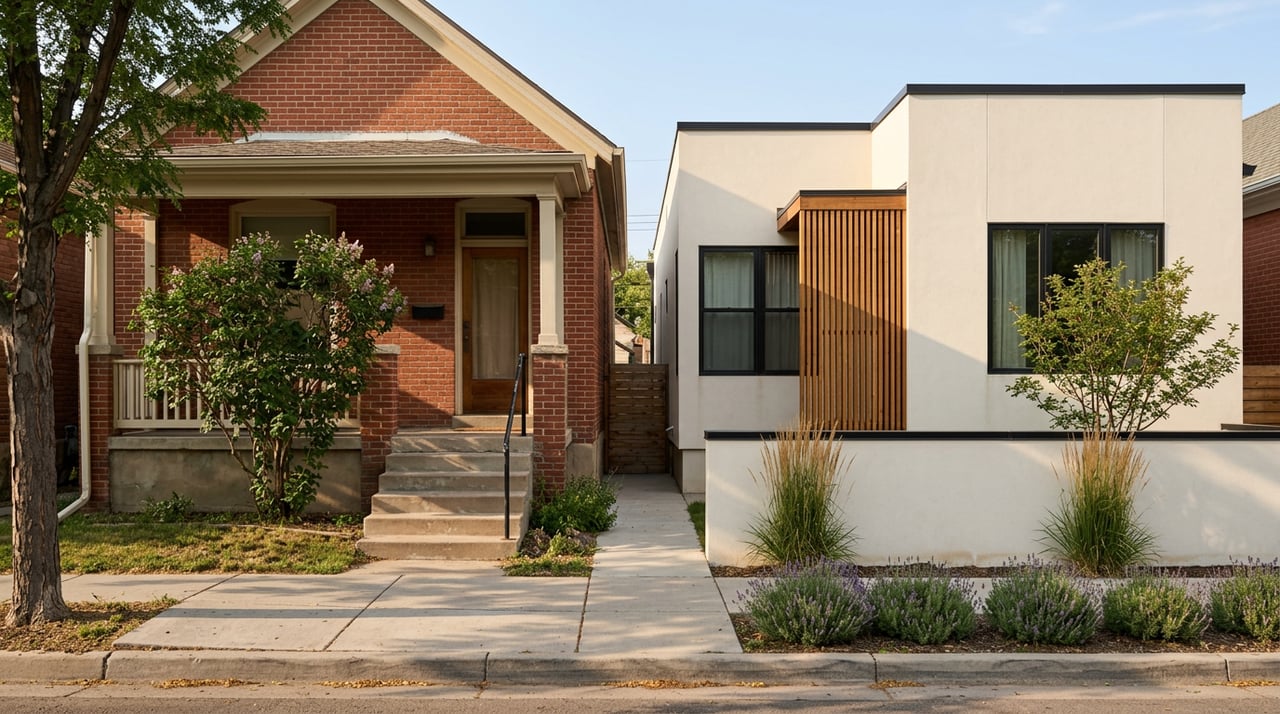
Are you drawn to Highland’s tree-lined streets but not sure which home style fits your life? You’re not alone. With everything from 1890s Victorians to sleek LoHi townhomes, the choices can feel exciting and overwhelming. In this guide, you’ll learn how each Highland home style tends to live, what to expect for maintenance and permits, and how to tour with confidence. Let’s dive in.
Highland at a glance
Highland blends historic residential blocks with active retail corridors, especially around LoHi and Highland Square. The walkable commercial fabric is a big part of the neighborhood’s appeal, with dining and shops set into a compact, human-scale grid. You can get a feel for the street-level energy by browsing the local overview at Visit Highlands.
Much of Highland grew during Denver’s streetcar era, which is why you see late 19th and early 20th century homes on relatively compact lots. That pattern also explains the rise of rowhouses, duplexes, and later infill. For background on how these historic streetcar districts shaped neighborhoods, see this summary on embedded streetcar districts.
Victorian and Queen Anne
Victorian and Queen Anne homes were largely built in the late 1800s into the early 1900s. You’ll notice steep gables, ornate trim, bay windows, and sometimes a turret. Interiors often have a formal front parlor, separate dining room, and high ceilings.
What it means for you:
- Layout: Expect a series of defined rooms instead of a wide-open plan. Many kitchens were expanded later.
- Maintenance: Original plaster, millwork, and windows are character-defining and may need careful restoration. Systems upgrades vary by house, so verify permits and contractor invoices.
- Health and safety: If built before 1978, assume lead-based paint may be present and plan lead-safe work for any renovation. The EPA’s Region 8 guidance explains why this matters in Denver-area projects. Review the EPA RRP enforcement overview.
- Resale: Character sells. Well-executed restorations tend to hold value when they respect the home’s original details.
Craftsman and bungalow
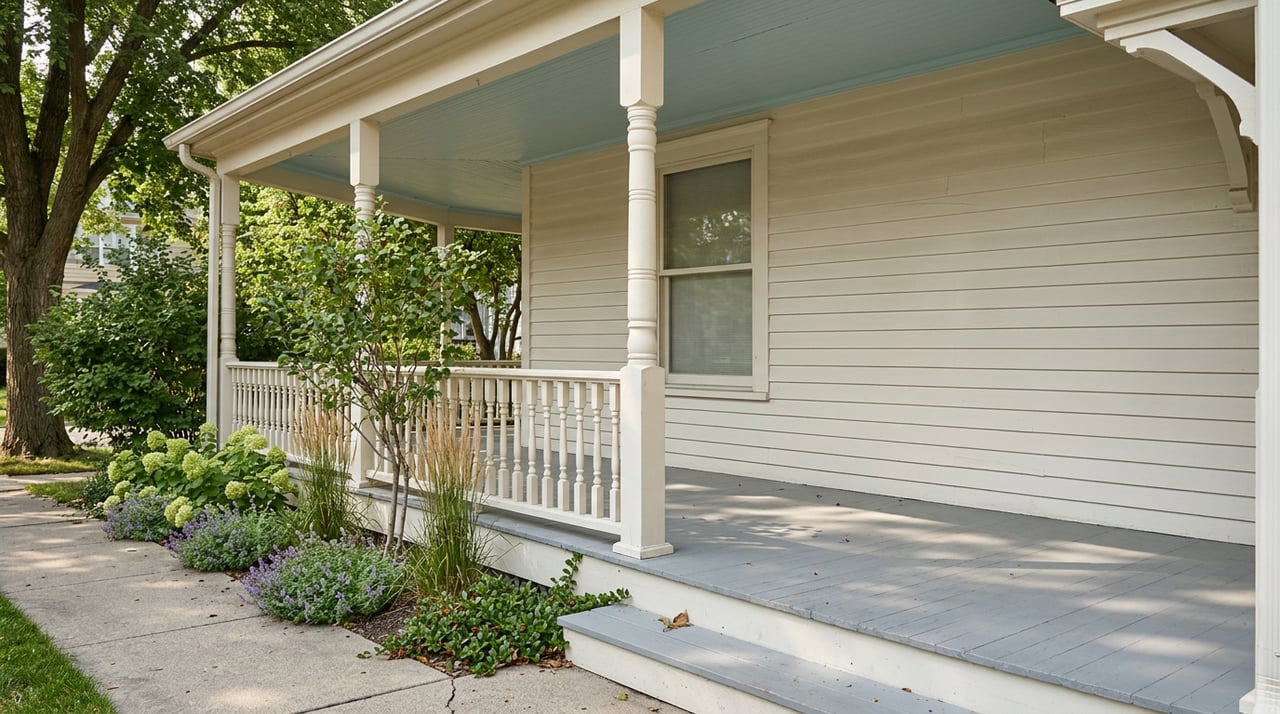
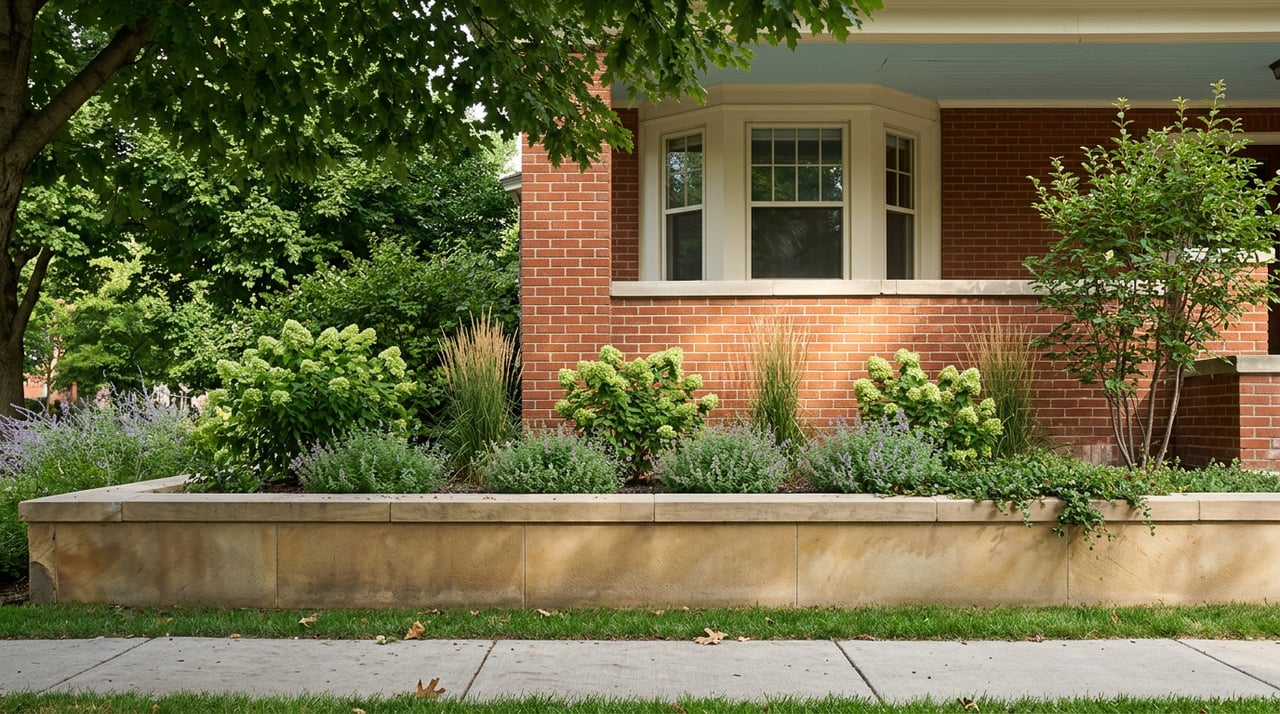
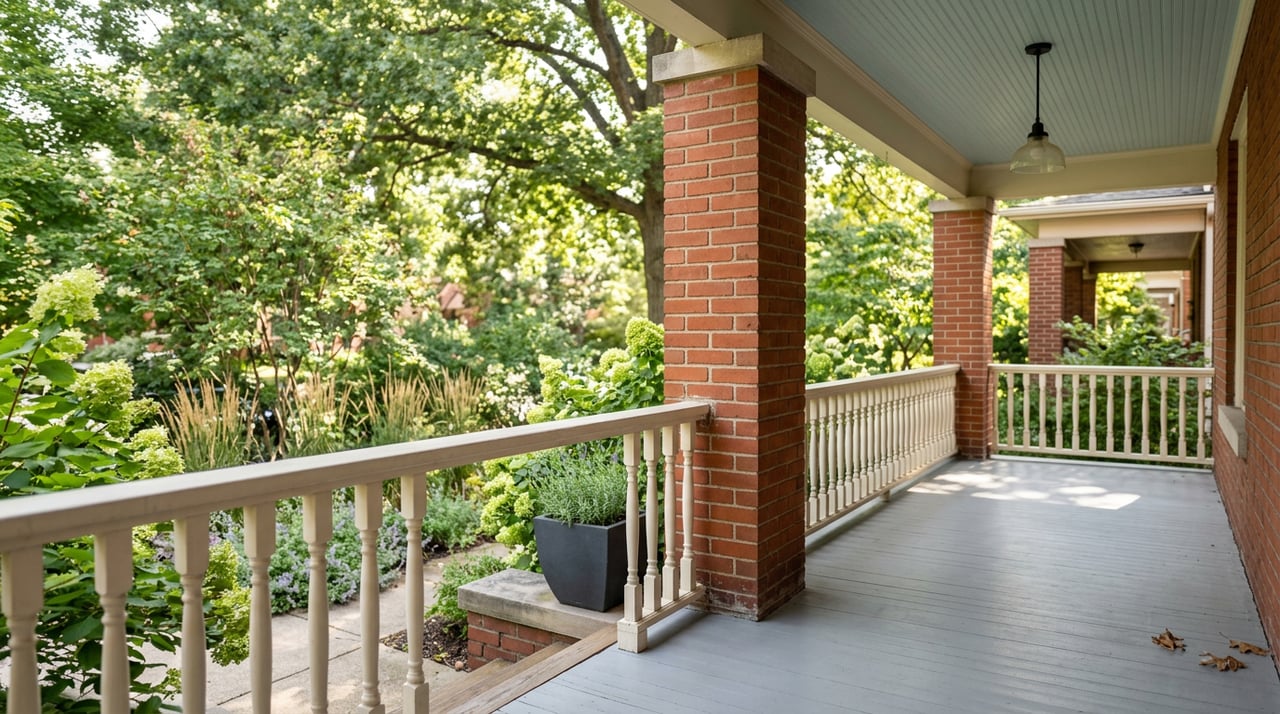
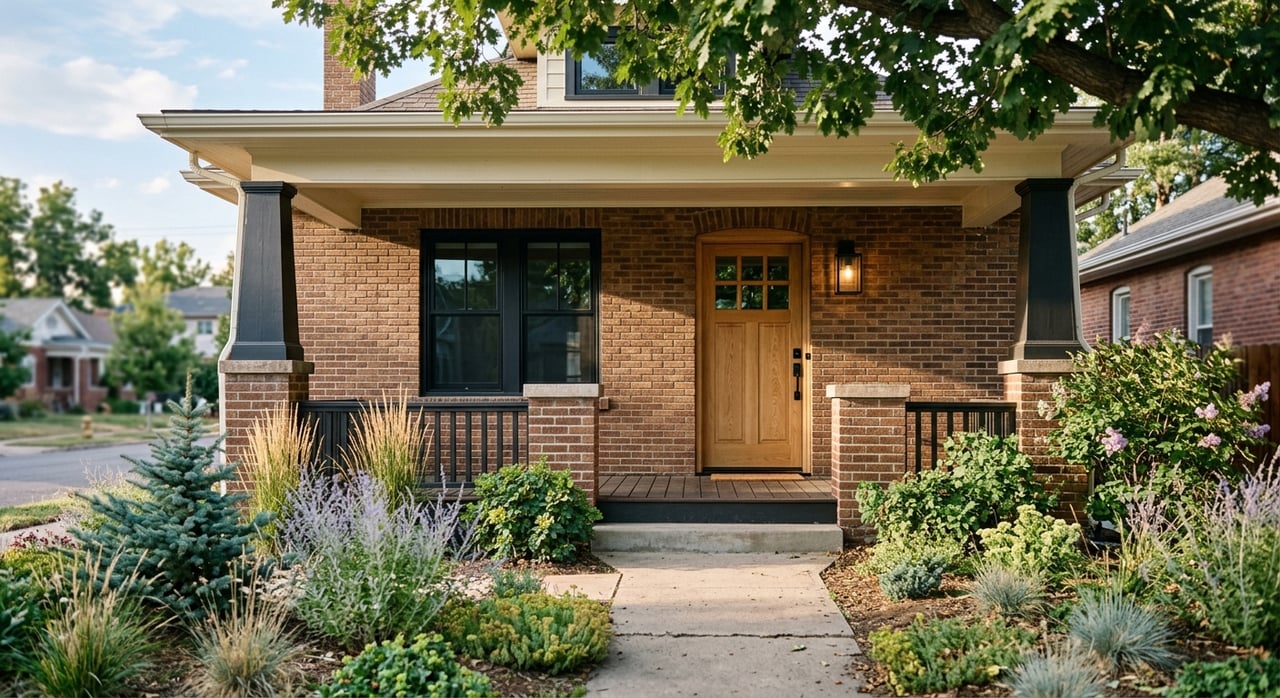
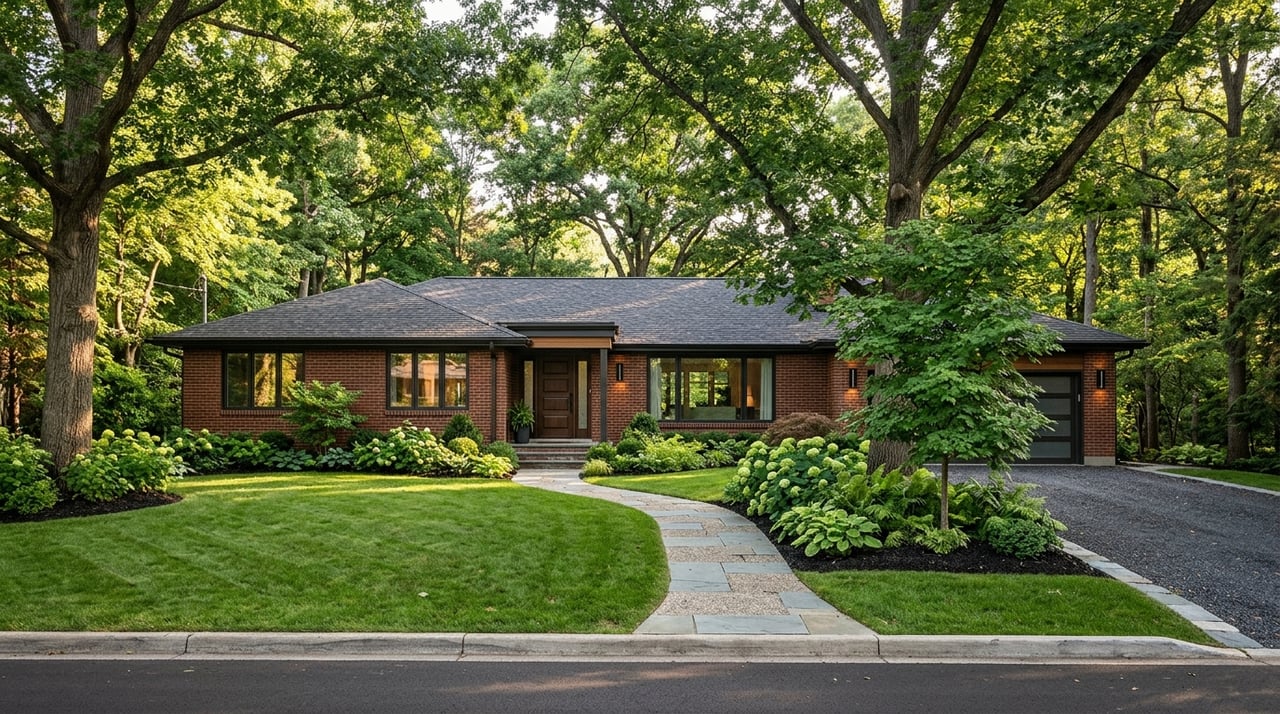
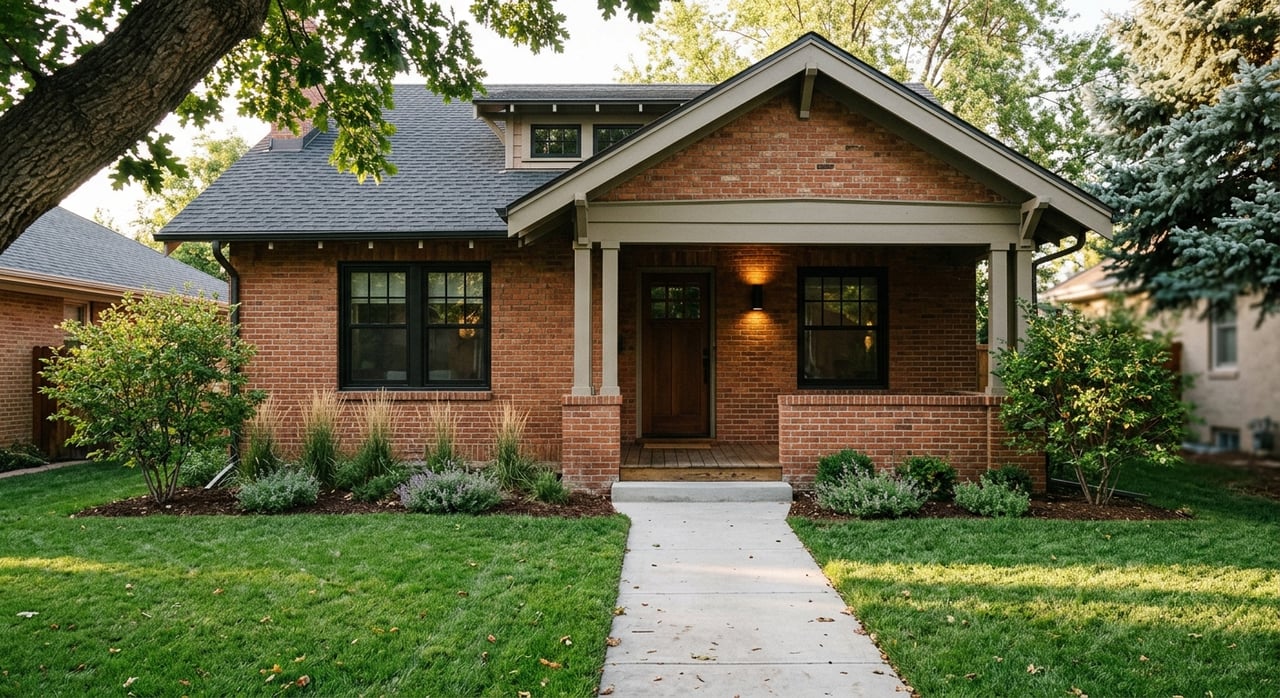
Craftsman and bungalow homes, common from about 1900 to 1930, favor low-pitched roofs, broad front porches, and warm wood details. Many offer 1 to 1.5 stories and an efficient main-level flow.
What it means for you:
- Layout: Single-level living with built-ins and a welcoming porch. Backyards are often usable and scaled to the lot.
- Maintenance: Porch structures and woodwork deserve regular care. Older homes benefit from energy upgrades like insulation and window improvements. For practical old-home tips, see the homeowner guidance from Historic New England.
- Resale: Bungalows check a lot of boxes for buyers who want character plus approachable updates.
Denver Square (American Foursquare)
The Denver Square is a local favorite: a solid, two-story box with a hipped roof and central dormer, often with a generous front porch. Inside you’ll often find four rooms per floor around a central stair, with good ceiling heights and usable attic or basement space. For a quick primer, read the University of Colorado Denver’s overview, What is a Denver Square?
What it means for you:
- Layout: Logical rooms and a central hall make remodeling straightforward.
- Maintenance: Focus on roof, foundation, and mechanicals. Many adapt well to kitchen expansions and added baths.
- Resale: Broad appeal thanks to flexible space and classic curb presence.
Tudor and other revival styles
You’ll spot steeply pitched roofs, arched doors, and decorative half-timbering on Tudor and other period-revival homes scattered through the area. Plans can be quirky but charming.
What it means for you:
- Layout: Unique rooms and cozy nooks rather than expansive open plans.
- Maintenance: Some exterior materials need specialist repairs. Budget for targeted work to preserve detail.
Townhomes, rowhouses, lofts, and condos
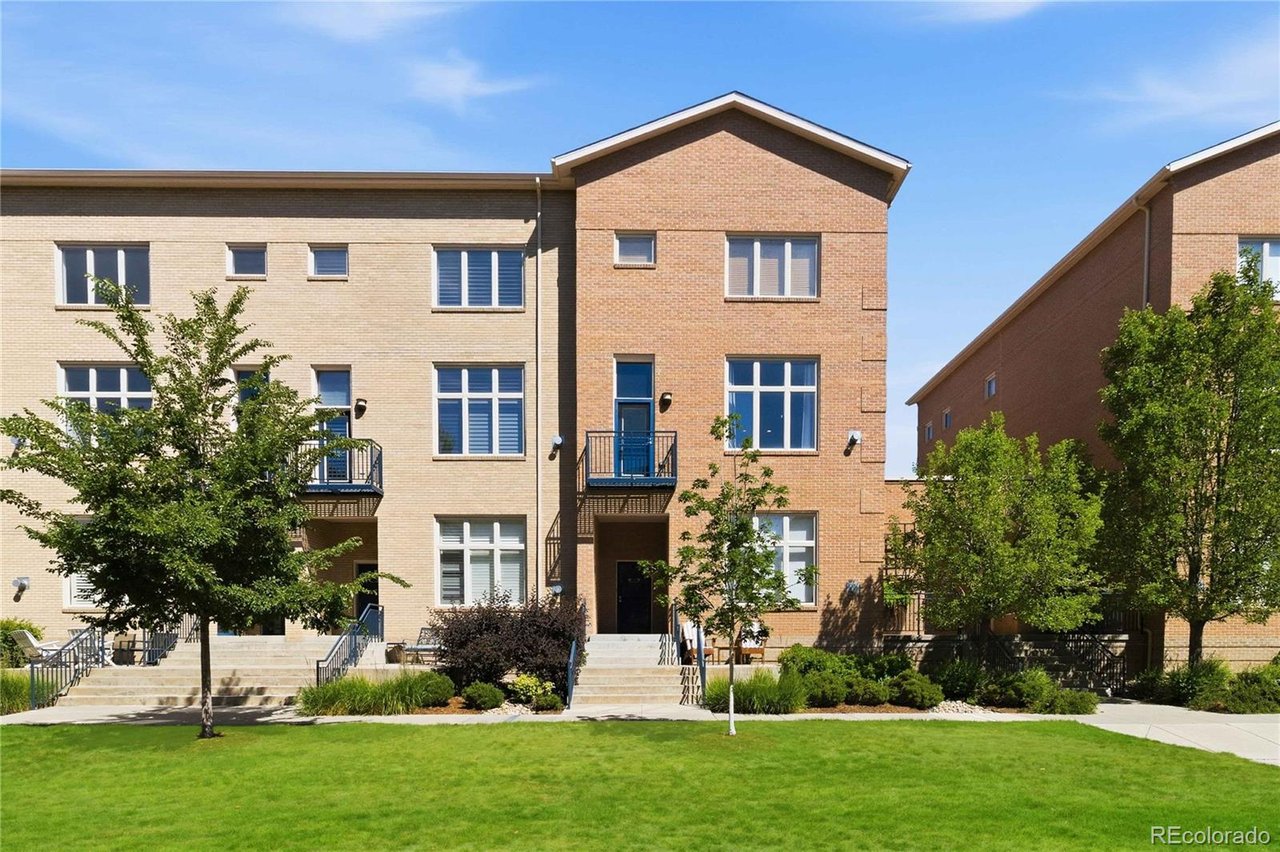
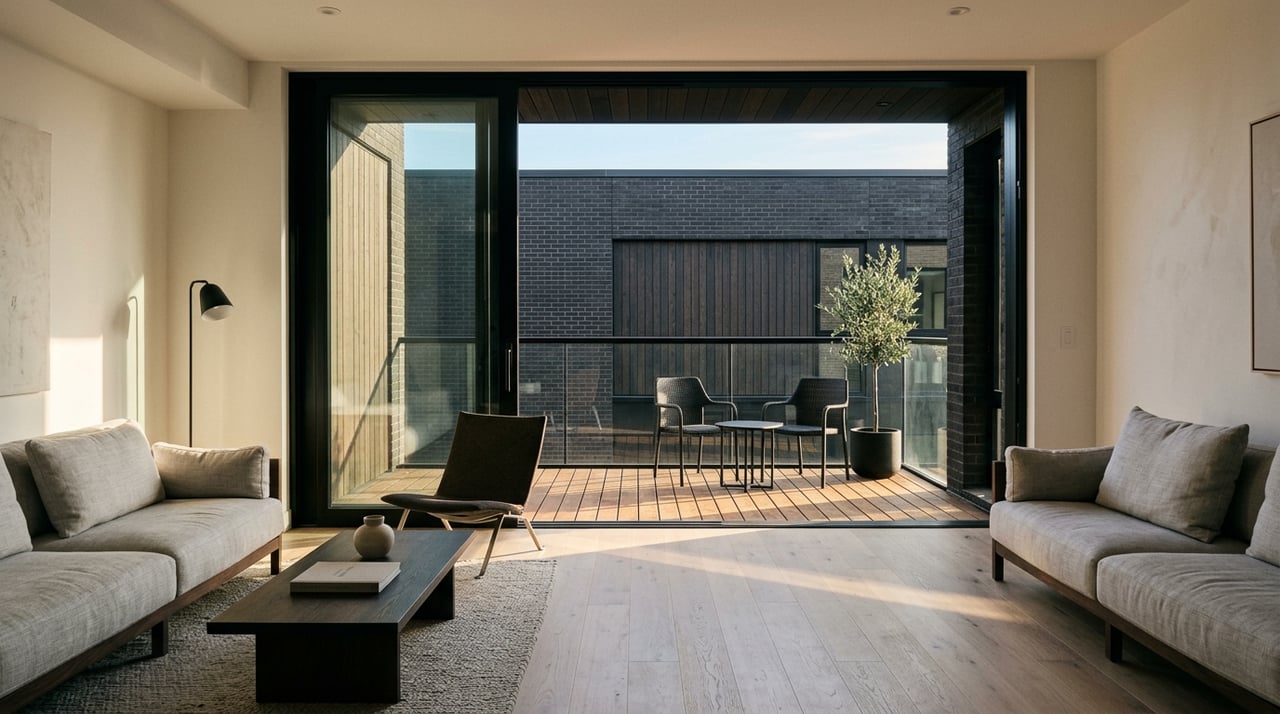
LoHi in particular has a heavier mix of attached homes, modern townhomes with rooftop decks, and condo conversions of older buildings.
What it means for you:
- Layout: Multi-level living with less private yard space and often a garage or integrated parking.
- Ownership: You’ll usually have an HOA that manages common elements and rules. Review bylaws, fees, reserve studies, and any special assessments closely.
- Resale: These shine for buyers who want low exterior maintenance and proximity to restaurants and retail.
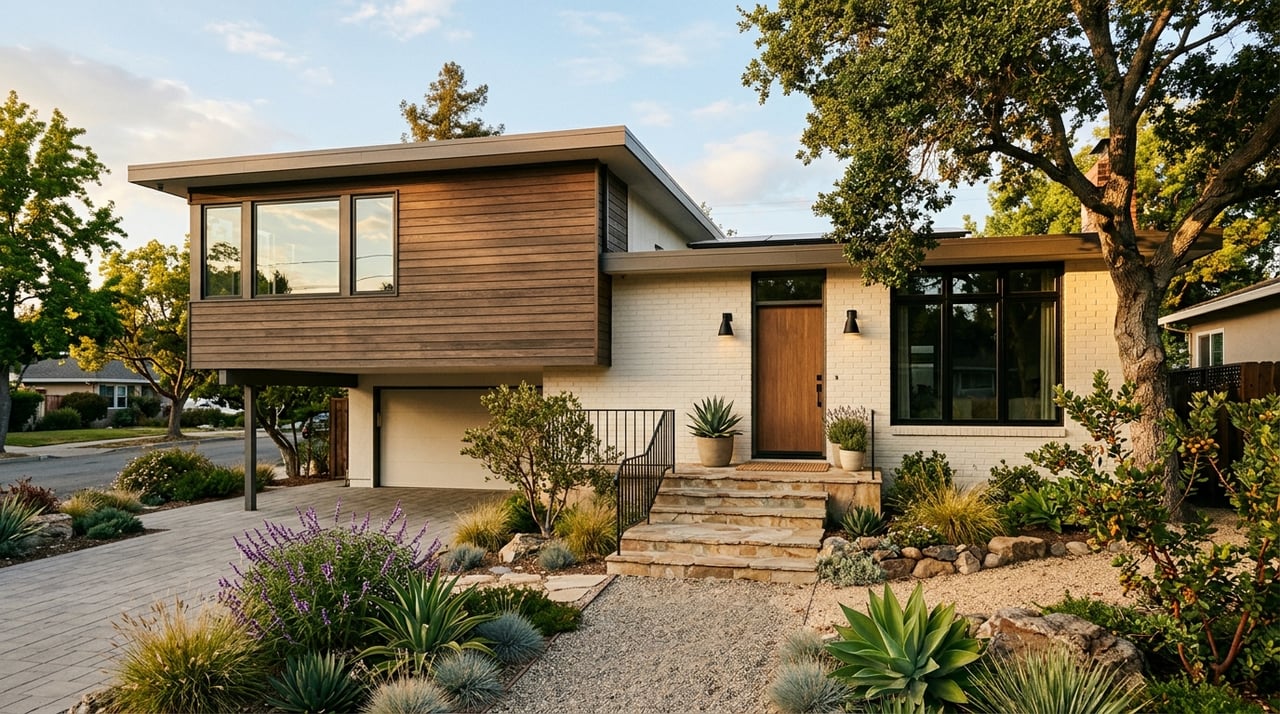
Contemporary infill and pop-tops
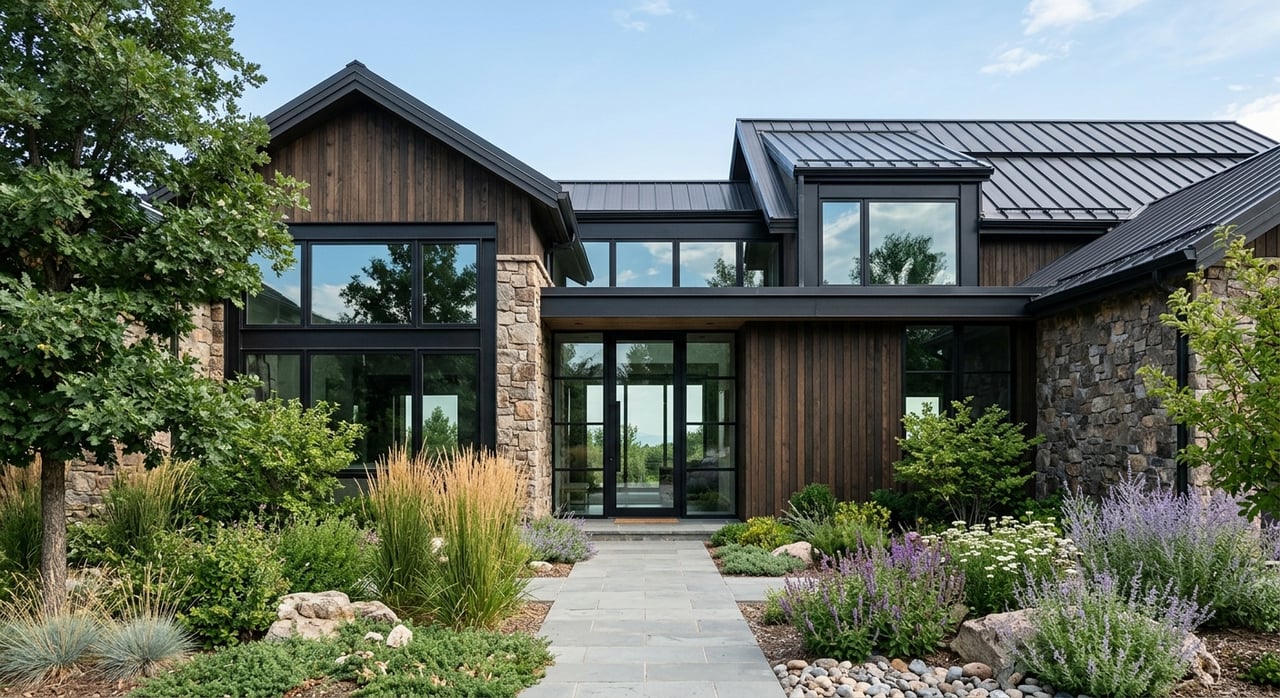
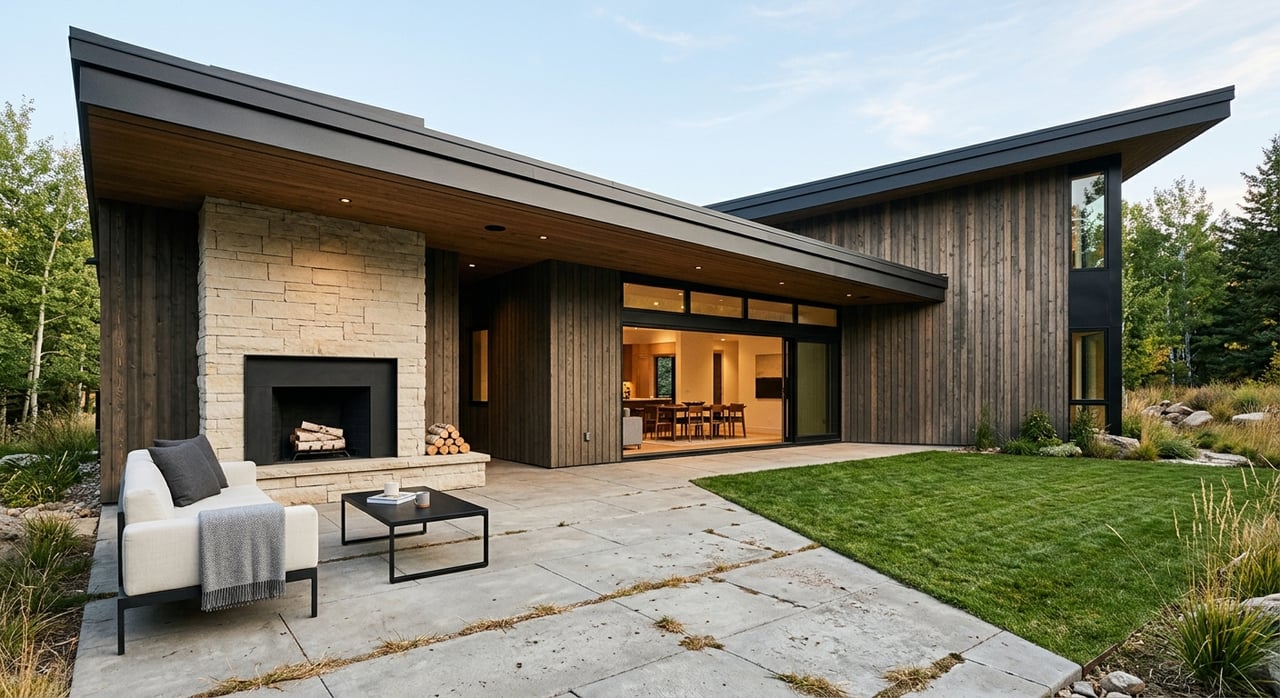
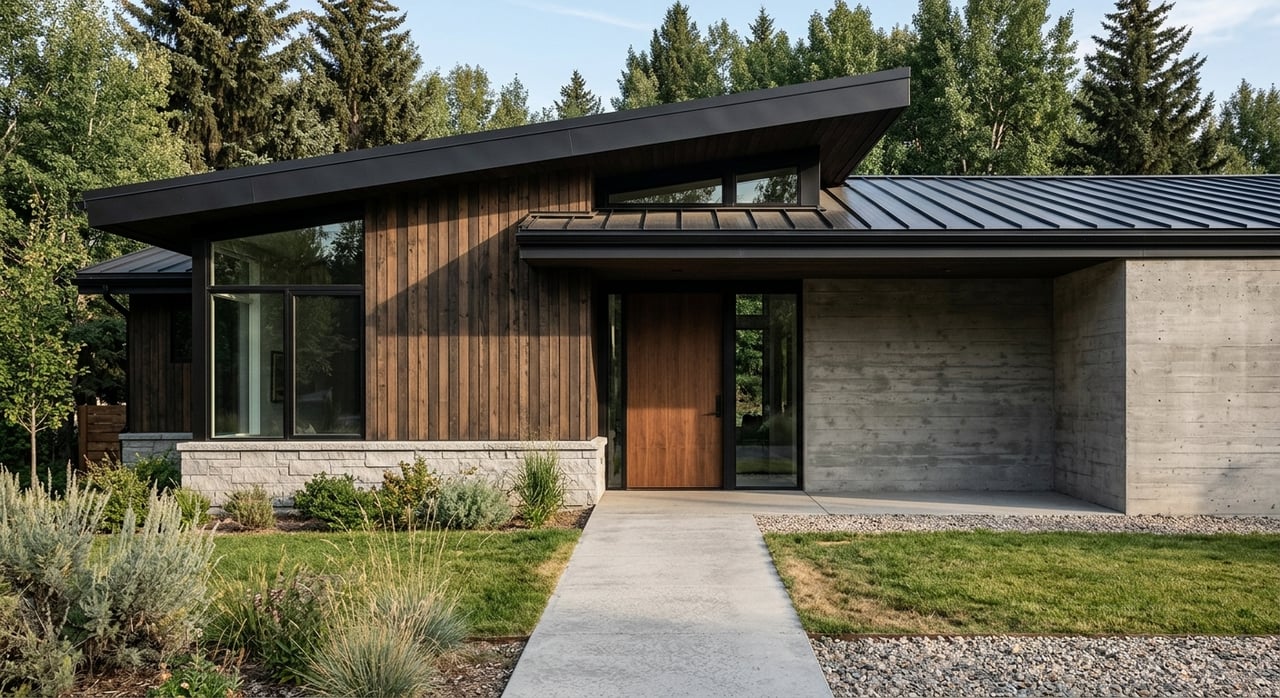
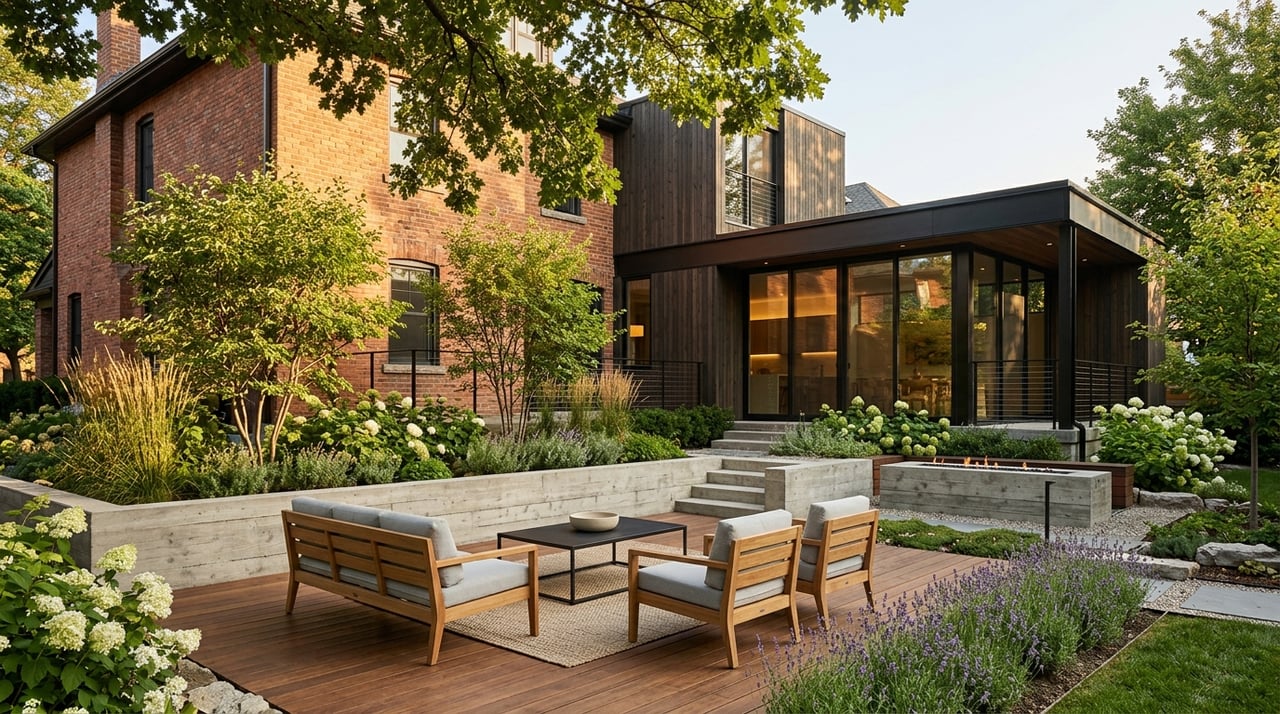
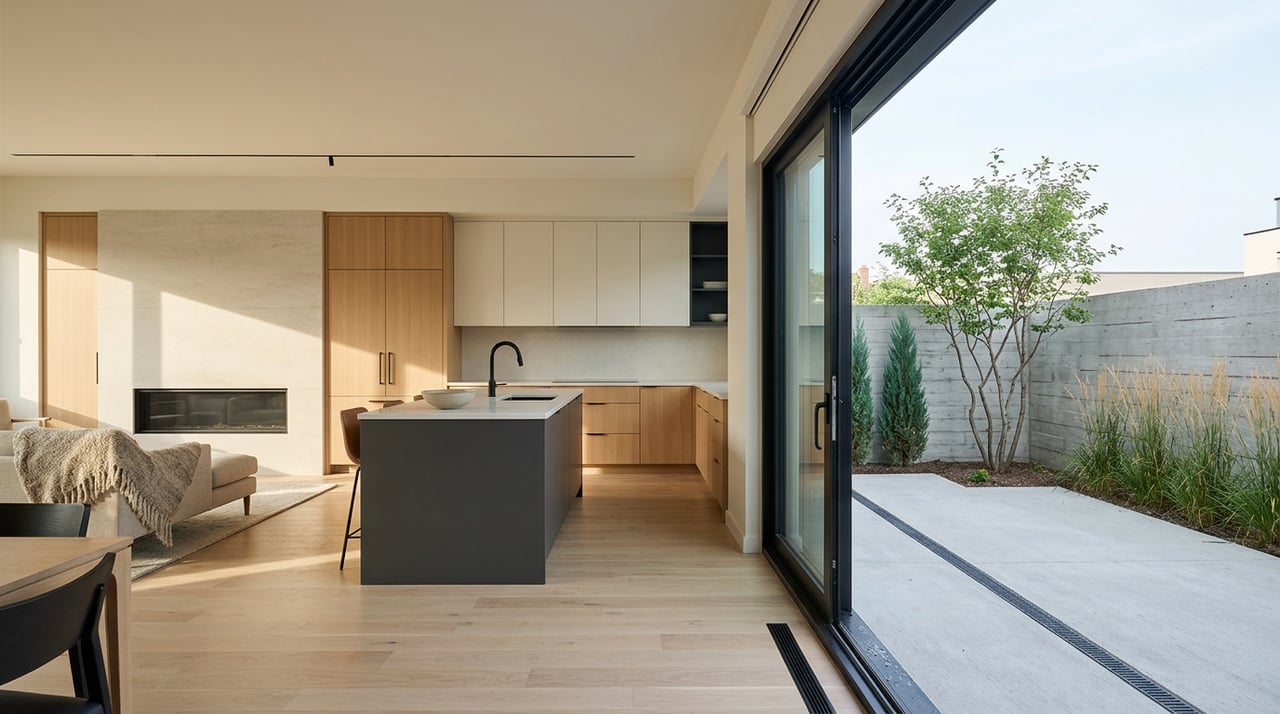
In a high-demand, small-lot neighborhood, you’ll see new construction, pop-top additions, and occasional tear-downs. These homes offer newer systems, open plans, and energy efficiency.
What it means for you:
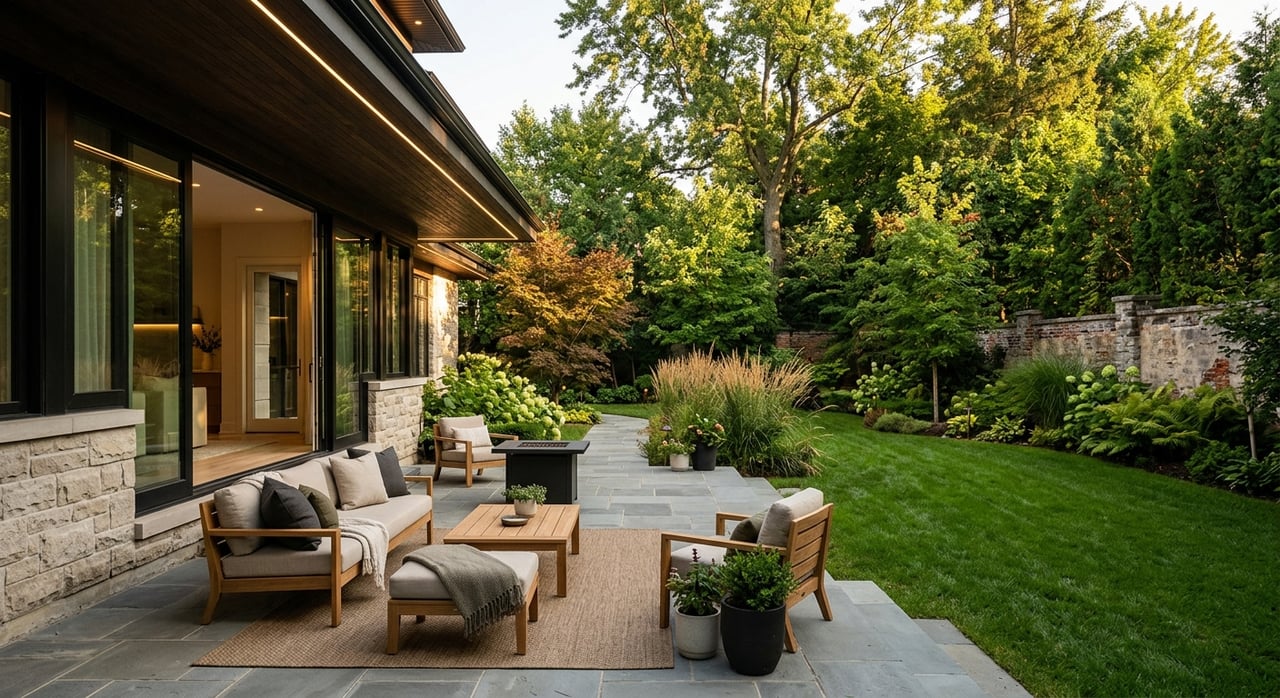
- Layout: Modern kitchens, larger primary suites, and indoor-outdoor flow are common.
- Permits and design review: If a property sits in a local historic district, many exterior changes will go through Denver Landmark Preservation. That can shape massing, materials, and siting. Review the city’s Design Guidelines for Landmark Structures and Districts early.
Renovation and permit realities in Denver
Historic-district status matters. In designated areas, exterior work and many additions require a certificate of appropriateness before permits are issued. Confirm status before you count on a dormer, pop-top, or new garage. The city’s step-by-step Landmark guidance is here: Design Guidelines for Landmark Structures and Districts.
If you are planning an accessory dwelling unit, Denver has a defined permit path. In a historic district, ADU design is typically reviewed for compatibility. See the city’s summary of ADU permits to understand the process.
What to inspect before you bid
Highland’s older homes are special, and they reward a smart inspection plan. Here are common items to prioritize.
- Lead-based paint in pre-1978 homes. Plan testing and lead-safe work if you will disturb painted surfaces. The EPA’s Region 8 materials explain local enforcement and why compliance protects health. Review the EPA RRP enforcement overview.
- Old electrical systems, such as knob-and-tube or cloth-insulated wiring. These can affect capacity, grounding, and insurance. A licensed electrician should evaluate, especially if insulation hides older wiring. See this homeowner-focused primer on knob-and-tube safety.
- Sewer laterals. Many older Denver homes still have clay or cast-iron lines that can crack or clog with roots. A sewer camera inspection is a standard contingency in competitive offers. For repair context, explore modern trenchless options and issues with aging lines using this cast iron sewer line overview.
- Foundations and moisture. Look for floor slope, wall cracks, musty scents, or basement efflorescence. If you see movement, get a structural opinion. For a practical preservation lens on moisture and materials, the A–Z Primer for Homeowners is a helpful read.
Style-specific themes to watch:
- Victorian and pre-1900 homes: Check plaster repairs, original windows, chimneys, brickwork, and whether mechanicals were upgraded with permits.
- Bungalows and Denver Squares: Inspect porches for rot, roof age, and framing for sag. Ensure attic insulation does not bury old wiring.
- Townhomes and new infill: Request HOA documents, reserve studies, and any developer warranties. Verify permits for rooftop decks and garages.
Recommended add-ons beyond a general inspection:
- Sewer camera inspection
- Licensed electrician evaluation if wiring is suspect
- Lead paint testing for pre-1978 homes if you plan renovations
- Chimney and masonry review for significant older stacks
- Energy and insulation assessment for drafty envelopes
Which style fits your lifestyle
Use these quick profiles to focus your search.
- Move-in now, low-maintenance living: Consider a modern townhome or condo, or a newer infill with warranties. Review HOA health before you commit.
- Character lover planning smart updates: A Denver Square or bungalow pairs classic details with adaptable layouts for kitchen and bath upgrades.
- Historic-detail devotee, patient with projects: A Victorian or Queen Anne delivers rare character. Budget for specialist trades, longer timelines, and potential landmark review.
- Builder or investor weighing infill: Verify zoning and design guidelines before assuming a teardown or pop-top is feasible. Historic designation can change the path.
Touring and pre-offer checklist
Bring this list to your next showing and request documents early.
Year built and system ages. Ask about the roof, furnace, water heater, electrical panel, and sewer line. Request invoices and permit records.
Historic status. Is the home within a local historic district or a designated landmark? If yes, confirm which exterior changes require a certificate of appropriateness through Landmark Preservation.
Moisture or structural clues. Note sloping floors, wall cracks, water stains, and basement efflorescence. If visible movement exists, consult a structural pro.
Lead, wiring, and asbestos. For pre-1978 homes, plan a lead test if you will renovate. Ask about old wiring types or any known asbestos-containing materials.
Sewer camera inspection. Make it a contingency if no recent report exists. Repair costs can be significant if issues surface.
HOA review for condos and townhomes. Read bylaws, financials, reserve studies, and recent assessments. Confirm any developer warranties and what they cover.
Permit verification. Request municipal permit numbers for major work. Lack of permits can be a negotiation point or a post-closing liability.
Ready to narrow your Highland search to the right homes, on the right blocks, with eyes wide open on projects and permits? Let’s put a plan together that fits your lifestyle and timing. Reach out to Colin Whitenack to get started.
FAQs
What is a Denver Square in Highland?
- A Denver Square is a two-story American Foursquare with a hipped roof and central dormer, often brick, known for a four-rooms-per-floor layout and flexible remodeling potential.
How do Highland historic districts affect exterior changes?
- In designated areas, exterior work like additions or new construction typically requires Landmark Preservation review and a certificate of appropriateness before permits are issued.
Do older Highland homes have lead paint risks?
- Many pre-1978 homes can have lead-based paint. If your project will disturb painted surfaces, plan testing and lead-safe work practices as part of your renovation process.
Should I scope the sewer line before closing on an older home?
- Yes. Many older homes have clay or cast-iron laterals that can crack or clog. A sewer camera inspection is a common contingency that can prevent costly surprises.
What should I look for in a LoHi townhome HOA?
- Review bylaws, monthly dues, reserve funding, special assessments, and maintenance responsibilities. Healthy reserves and clear rules help protect long-term value.