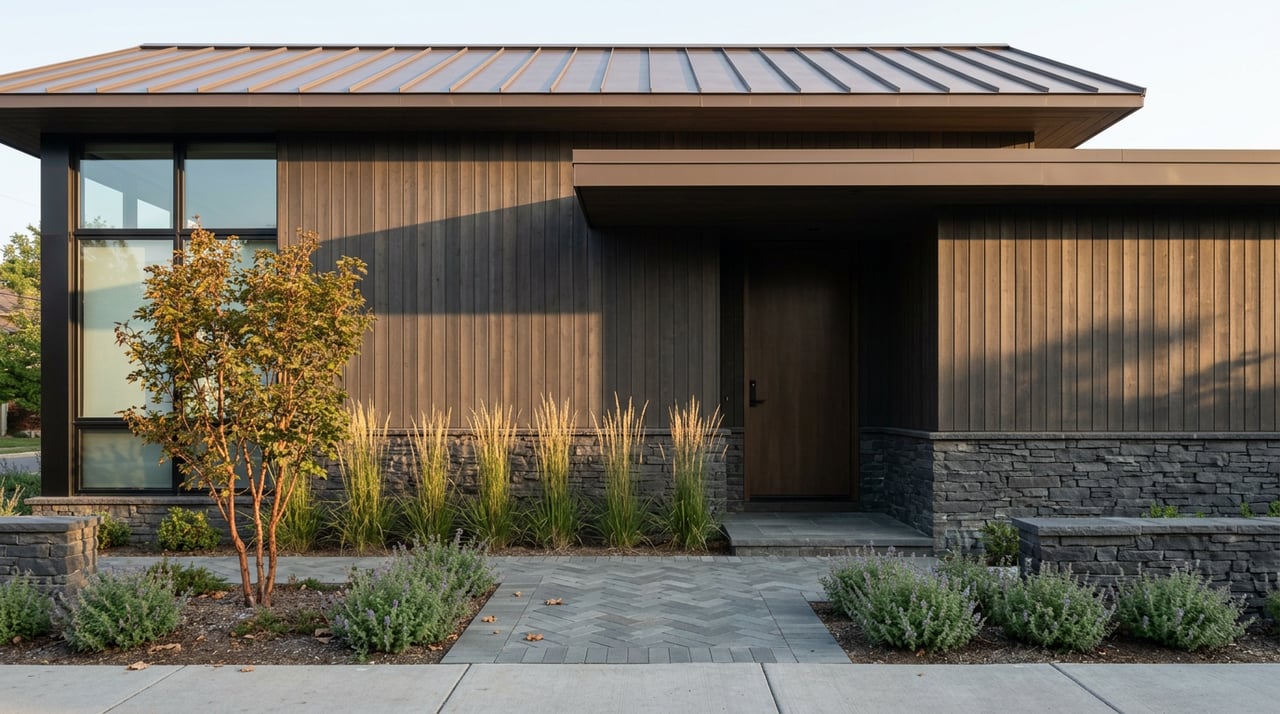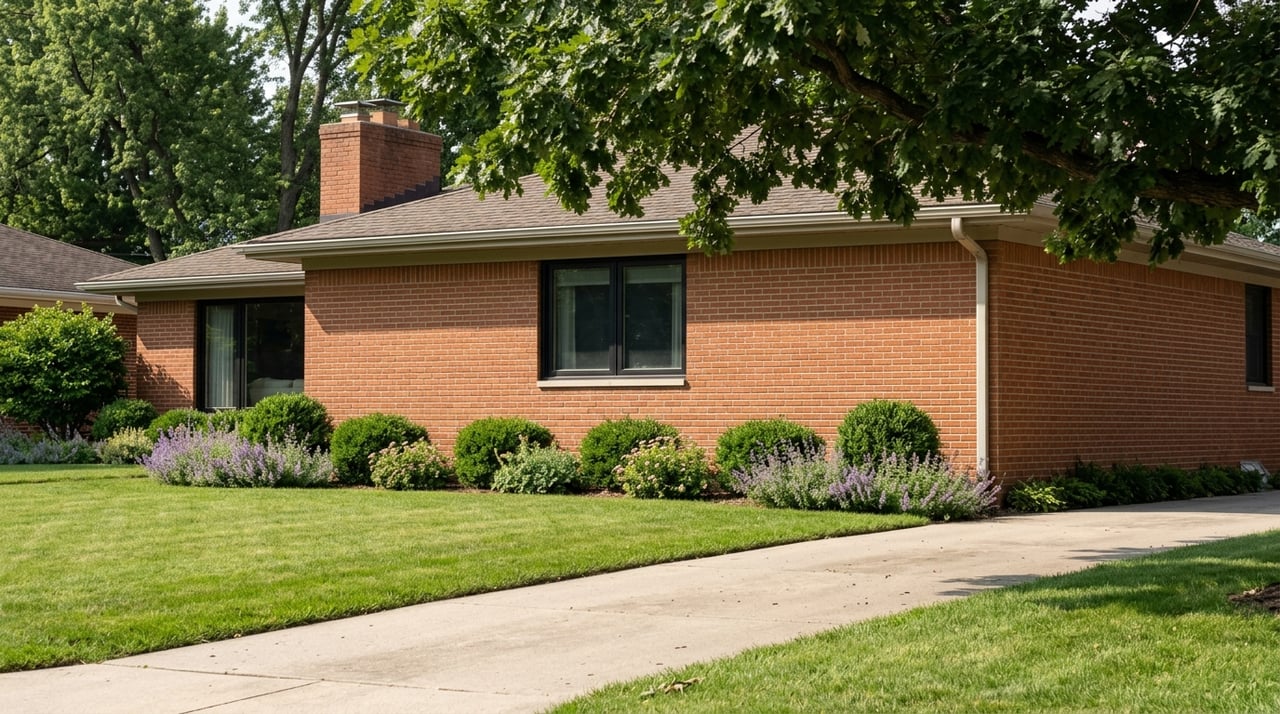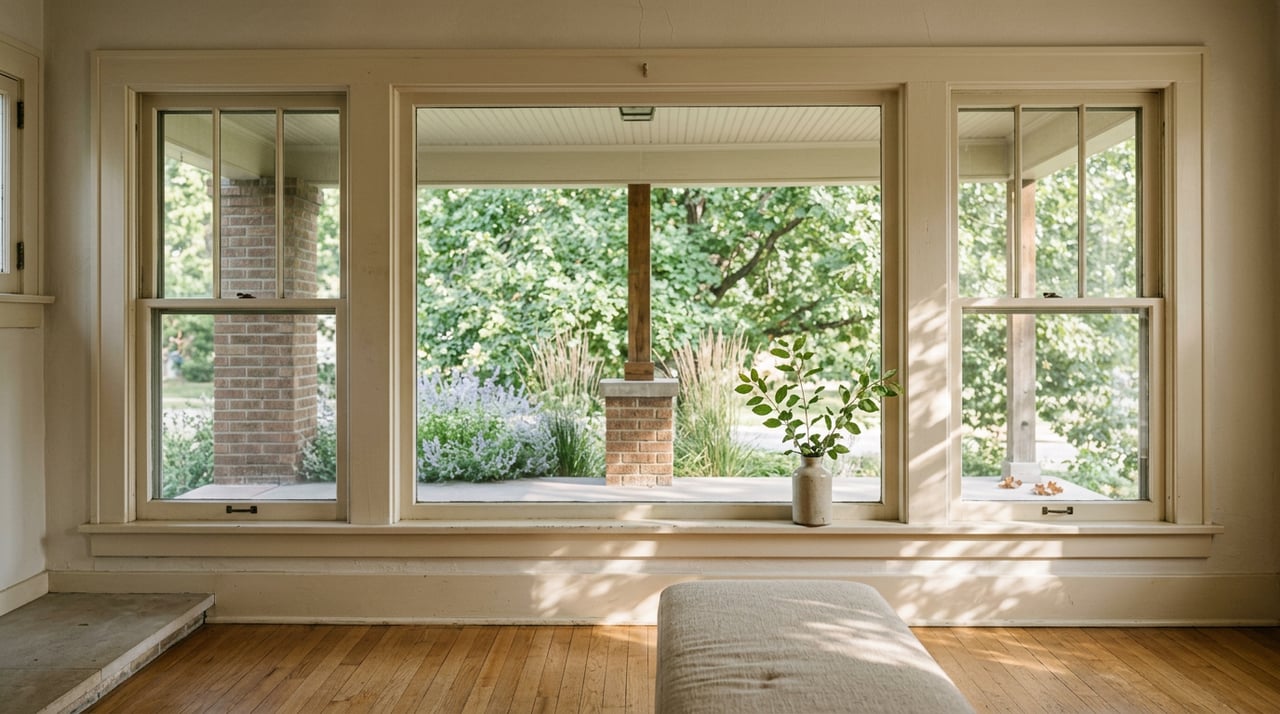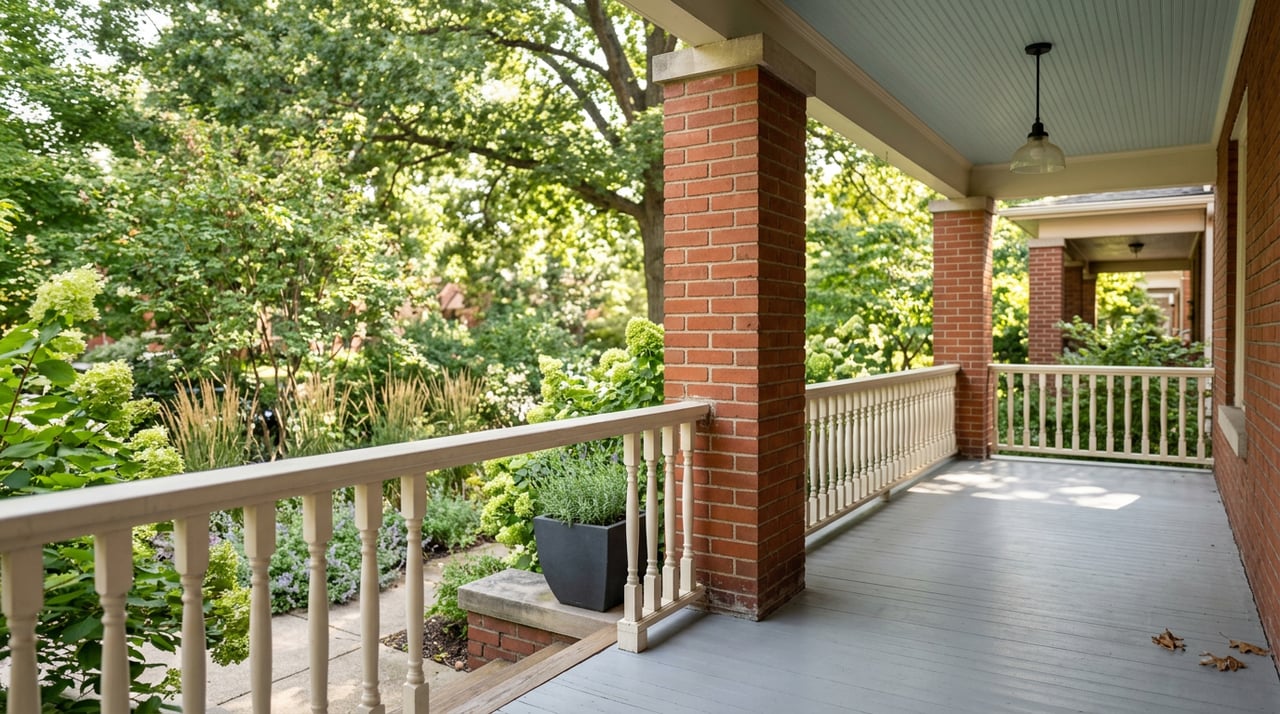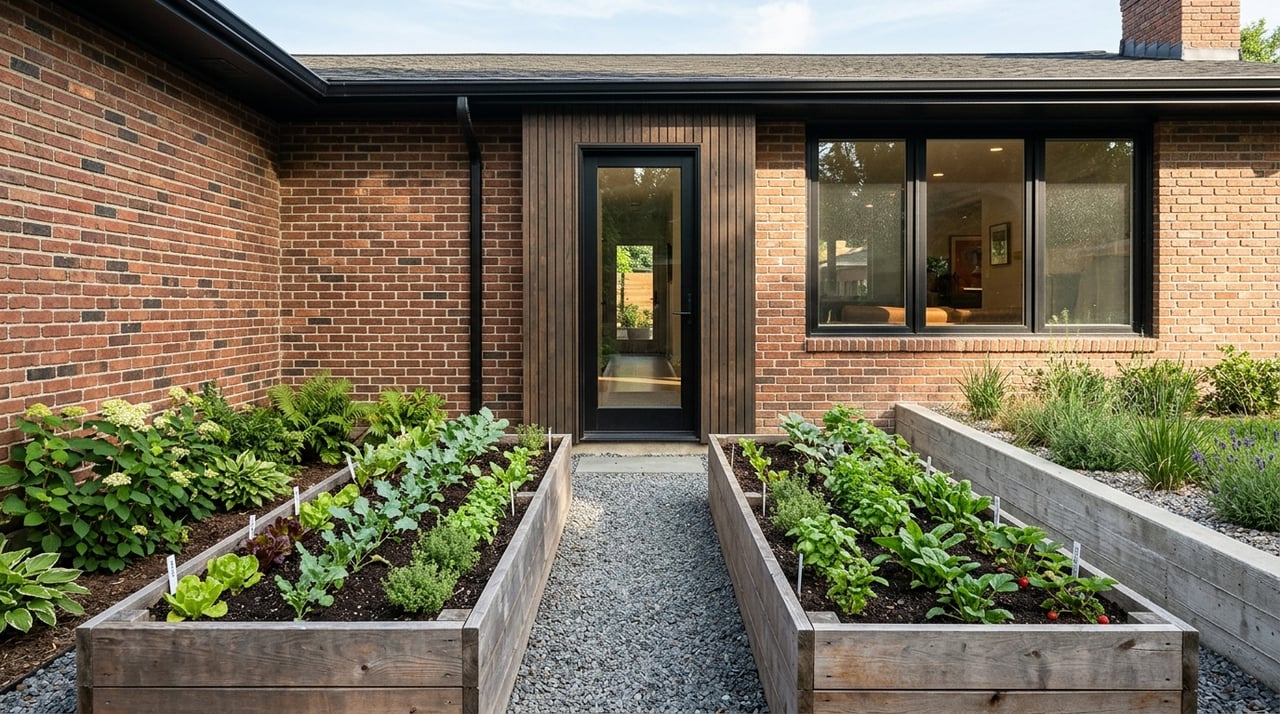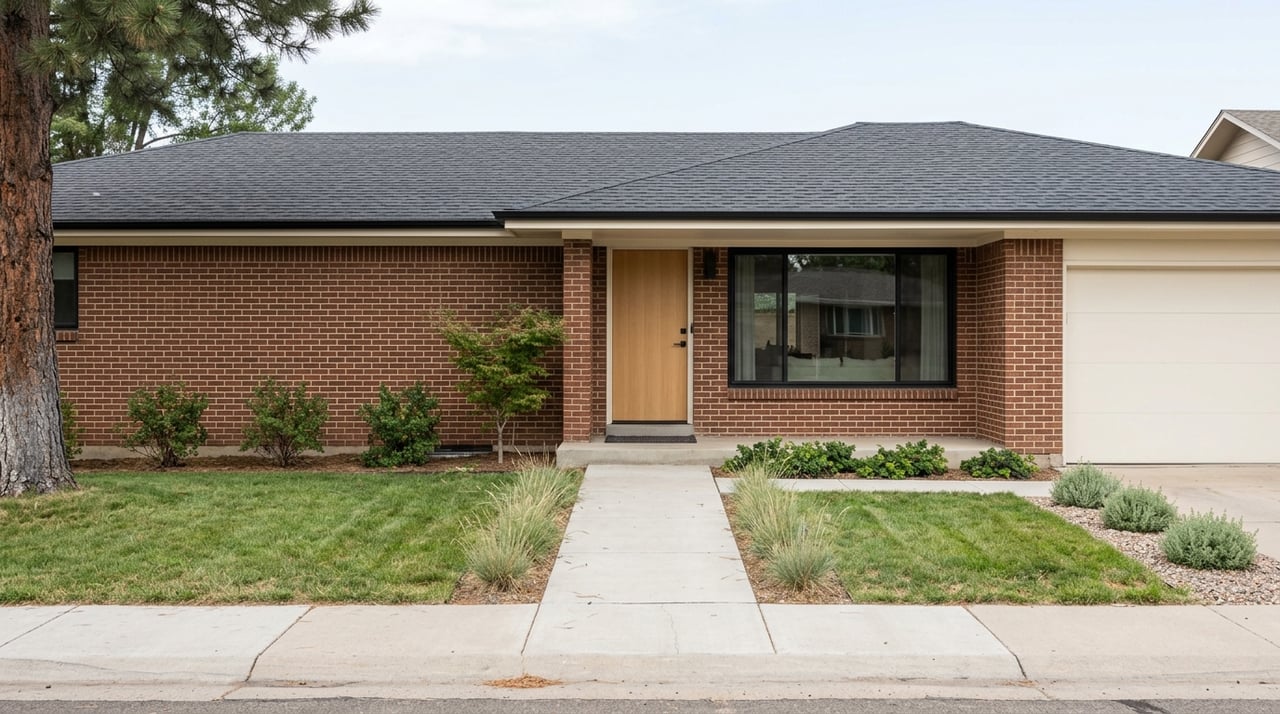
A lot of what makes Park Hill appealing to buyers dates to before World War II. The age of those homes also raises a question every buyer asks once they see a construction date in the 1920s: is there a lead water line running from the street to the house? In Park Hill you can answer that for one address at a time, on a public map, before you make an offer. Denver Water replaces lead lines at no direct charge to the customer. That leaves a buyer with two practical questions. What does the replacement leave behind on the property, and where in the schedule is this particular house?
The construction year narrows it down
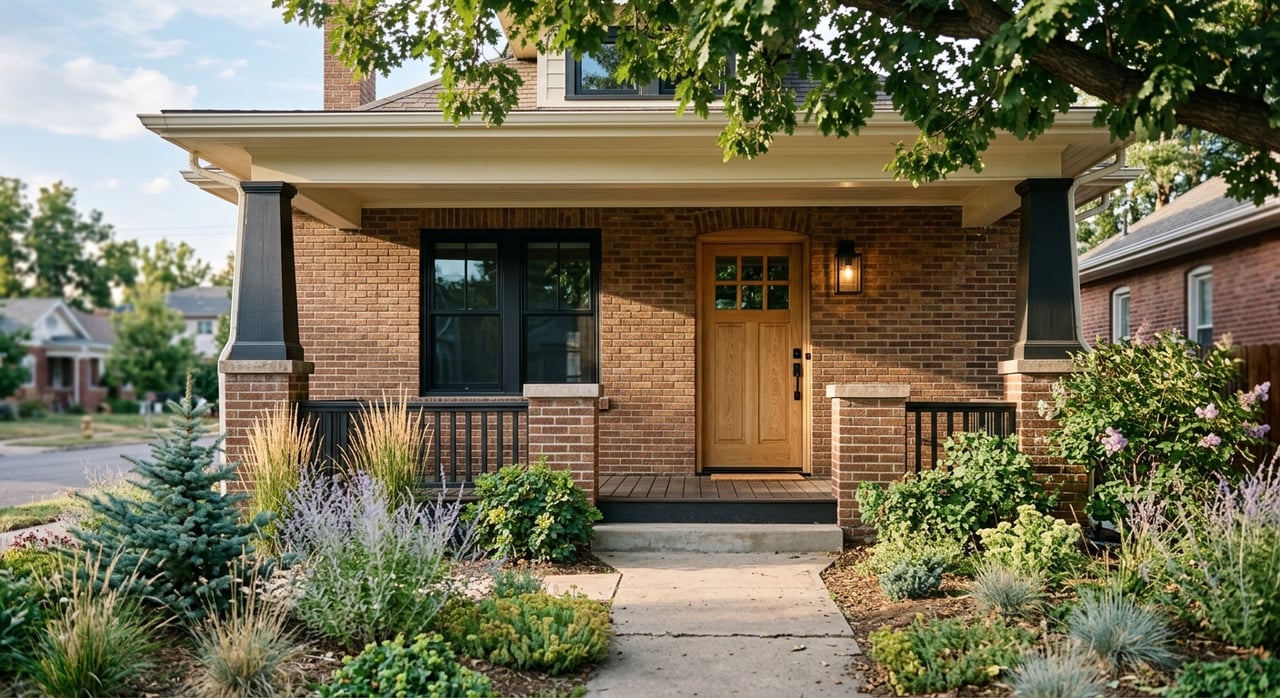
Denver Water says homes built before 1951 are more likely to have lead service lines. Most of South Park Hill falls before that year. In the East Area Plan supplement, the city says nearly four in five South Park Hill buildings went up before 1945. The document gives the share as 78 percent in one section and 79 percent in another. The city describes that housing as Craftsman bungalows, Denver Squares, Tudor Revival and Spanish Revival homes.
The Denver Public Library uses 23rd Avenue as the line between South Park Hill and North Park Hill. The city's Park Hill Neighborhood Plan says many of the single-family ranch-style homes and low-rise apartments north of 26th Avenue came from the postwar housing expansion. Some of those homes were built before 1951 and some after. On many North Park Hill blocks, the year alone won't settle the question.
So the construction year tells you which homes deserve a closer look. Whether a particular house has lead in the ground is a fact about that address, and Denver Water publishes it.
Park Hill is well into the work
Park Hill is one of the neighborhoods where Denver Water has already done the most. Denverite reported in September 2024 that as of June 2024, Denver Water had replaced more pipes in North Park Hill than in any other Denver neighborhood, over 2,000. South Park Hill, Congress Park and East Colfax were also near the top of the list, with more than 1,000 replacements each. Those counts are more than two years old, and the work has kept going.
Across the whole system, Denver Water's semi-annual report says 39,060 lines had been replaced from the program's start on January 1, 2020 through June 30, 2026, including 2,229 in the first six months of 2026. The utility's progress dashboard for January 1 through October 31, 2026 shows 40,258 replacements. The program runs through January 1, 2035.
All that past work means two Park Hill houses on the same block can be in very different spots. A 1928 Tudor may have had copper since 2023. A neighbor built the same year may still be waiting for its turn. Two listings with nearly identical photos can be at different stages of something a buyer will deal with.
How to read the map for one address
Denver Water's address lookup is called the Lead Service Line Inventory - LCRR, linked from the utility's lead page. The map marks each property as unknown material, confirmed no lead, or confirmed lead or galvanized requiring replacement, and clicking a property brings up more detail on how likely it is to have lead.
For a buyer, the label decides what to ask next. If it says confirmed no lead, that usually ends the question. With confirmed lead, a crew will be working on the property at some point, so the yard and the driveway are worth a closer look on your tour. An unknown label is one to raise with the listing side early, along with any paperwork the owner has from a past replacement.
For timing, Denver Water publishes a 2027 to 2031 work-area map dated October 13, 2026. It marks geographic areas by year and warns that it is "not a guaranteed timeline". Read it as a rough guide to when a block might come up, not as a firm date.
What a replacement leaves on a Park Hill lot
The line itself carries no direct charge, so the thing to plan for is whatever the crew doesn't put back. Denver Water says a replacement usually takes four to eight hours. An adult needs to be home the whole time, and the water may be off for four to eight hours. Crews use trenchless replacement where they can, which usually means one excavation in the street and another around the meter pit. The actual plan is worked out at the property.
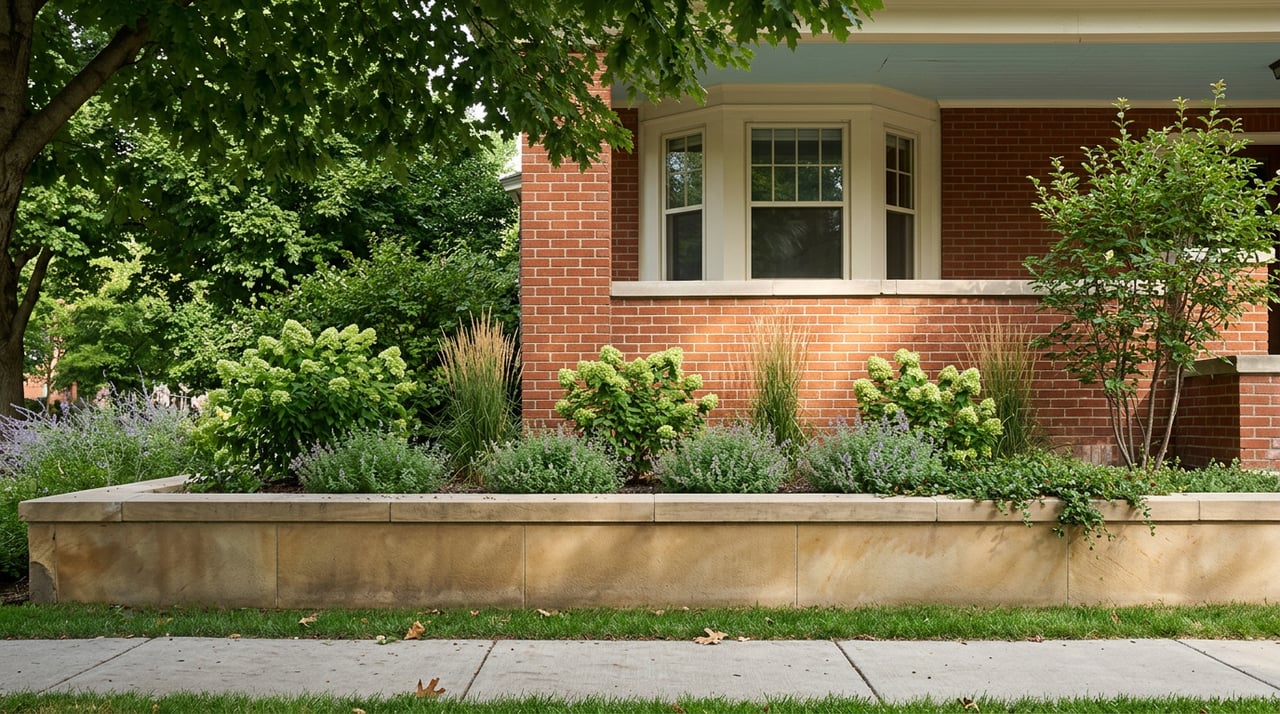
Denver Water restores disturbed grass to ground level with sod or seed. It does not cover other landscaping or hardscape, and pavement restoration can be held up by weather. Inside, crews may need to take out drywall or flooring to reach the line, and Denver Water doesn't put those finishes back.
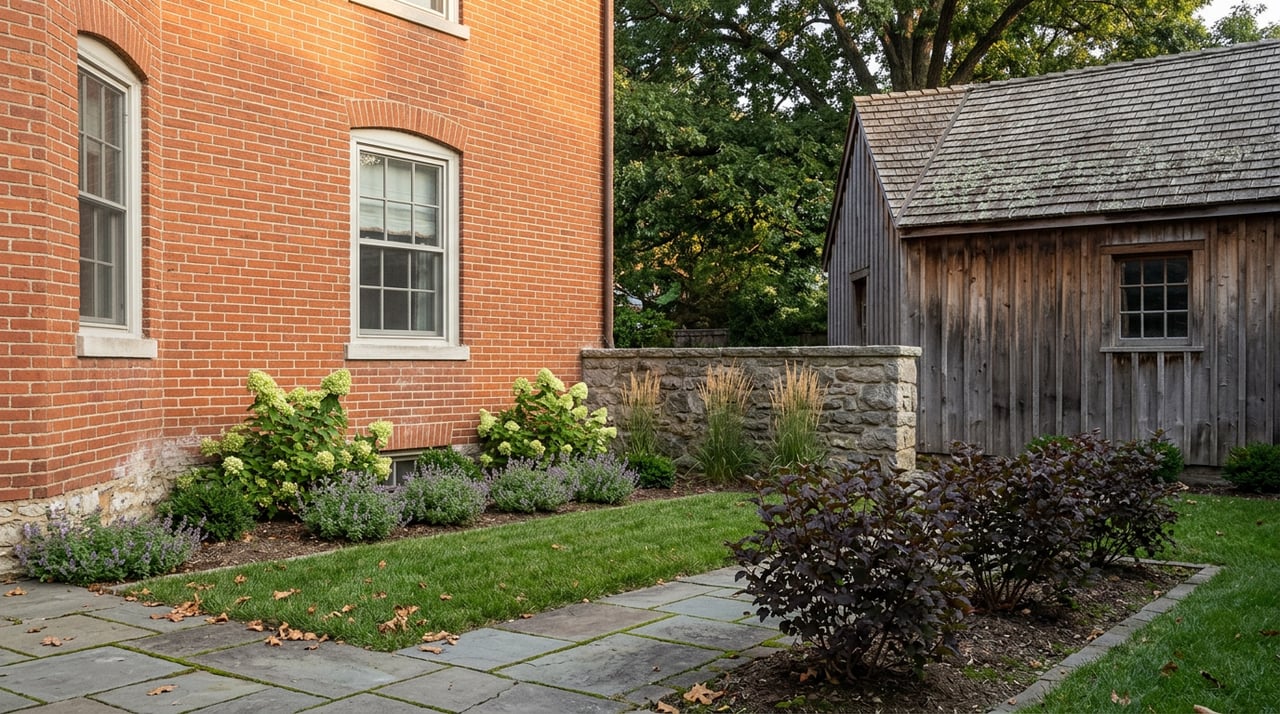
That matters more on Park Hill's bigger lots. In South Park Hill, 82 percent of lots are larger than 5,000 square feet, and the lots over 10,000 square feet are concentrated along Montview Boulevard, 17th Avenue Parkway and Forest Parkway. A front yard with mature plantings, a stone walk or a recently finished basement near where the line enters the house has more that the program won't restore. On a home the map shows as confirmed lead, it's reasonable to factor that into your plans for the property, especially a basement you intend to finish.
Until the line is replaced, Denver Water provides a free pitcher, lead-certified filters and replacement filters to customers who may have a lead service line, through six months after replacement. A free water test kit is also available on request.
When the house changes hands
Homes still waiting on a replacement keep changing hands. In the first half of 2026, 14 properties where a previous owner had declined replacement were sold, and Denver Water was reaching out to each new owner within a year of the sale. If the map shows lead on a Park Hill home you're considering, ask the seller early whether Denver Water has sent any letters or scheduling notices. Their answer gives you a sense of whether the yard work is likely to come before or after you move in, which matters if you're planning landscaping or a basement project.
Some owners would rather handle the work themselves on their own schedule, and Denver Water has a partial reimbursement program for owners who replace the line on their own. This post is general information, not legal or financial advice. Confirm what applies to a specific property directly with Denver Water and the right professionals.
Quick answers
Does a newer North Park Hill ranch need checking? If it was built before 1951, yes. The address lookup shows the status the same way for every house, so it's worth looking up a later home too.
Will replacement change the home's water service for long? Denver Water says the water may be off for four to eight hours on replacement day.
Will the work happen before closing? That depends on where Denver Water's crews are working, and the 2027 to 2031 map is only a rough guide. The seller's letters from Denver Water are the best clue.
For more on the neighborhood itself, see our Park Hill neighborhood guide and our recent piece on Park Hill Park's first year. For another below-ground issue that shows up in inspections, read why even newer homes are having sewer line problems.
If you're touring older homes in South or North Park Hill, and want help sorting out what the water line map means for an offer, Colin & Company is happy to talk it through with you. Let's Connect.