Ask anyone in Cory-Merrill where the neighborhood gathers and they'll say the same thing without thinking twice: the Kirk. Not a corner cafe with outdoor seating, not a plaza, not a stretch of independent storefronts you can walk to on a Tuesday night. A church parking lot on South Steele Street.
That's not a gap in the neighborhood's identity. It's the identity. Cory-Merrill was built as pure residential ground, tract homes on farmland cleared for returning veterans after World War II, and nobody ever added the commercial core that most Denver neighborhoods take for granted. So when the neighborhood needed a place to hold its community, it borrowed one. Understanding that single fact explains more about how Cory-Merrill actually functions, day to day, than any list of nearby restaurants ever could.
The Kirk Is Doing More Work Than You Think
The Cory-Merrill Neighborhood Association runs its Food Truck Nights in the parking lot of the Kirk of Bonnie Brae Church, typically from 5:30 to 7:30 p.m. The church itself sells beer and wine for $7 a drink to benefit its own ministries, since outside alcohol isn't permitted on the lot. It's a small detail, but it tells you something: this isn't a neighborhood association renting space from a disinterested landlord. The church is a participant, not a backdrop.
That same building at 1201 S. Steele Street is also where CMNA holds its quarterly general meetings, on the first Wednesday of February, May, August, and November, starting at 6 p.m. The association's August meeting already happened this month. The next one lands the first Wednesday of November, which means it will likely double as the unofficial kickoff to the neighborhood's Halloween season, since CMNA's annual Halloween parade is one of the few traditions here that draws people out of their yards and into the street together.
Two very different kinds of gatherings, food trucks and civic meetings, happening in the same parking lot, hosted by the same congregation. Most Denver neighborhoods have a rec center, a business improvement district, or a stretch of retail that absorbs this role by default. Cory-Merrill doesn't, so one building ends up doing the job of three.
Why There's No Corner To Walk To
This isn't an accident of planning. Cory-Merrill sits inside a tight, deliberate rectangle: East Mississippi Avenue to the north, South Colorado Boulevard to the east, I-25 to the south, and South University Boulevard to the west, all zip code 80210. The neighborhood takes its name from two Denver educators, John J. Cory, who served as principal of South High School from 1919 to 1945, and Louise A. Merrill, a teacher of literature and history whose name was given to Merrill Middle School in 1953. Those two schools still sit at the geographic center of the neighborhood today, which tells you what kind of place this was built to be from the start: a place organized around schools and homes, not shops.
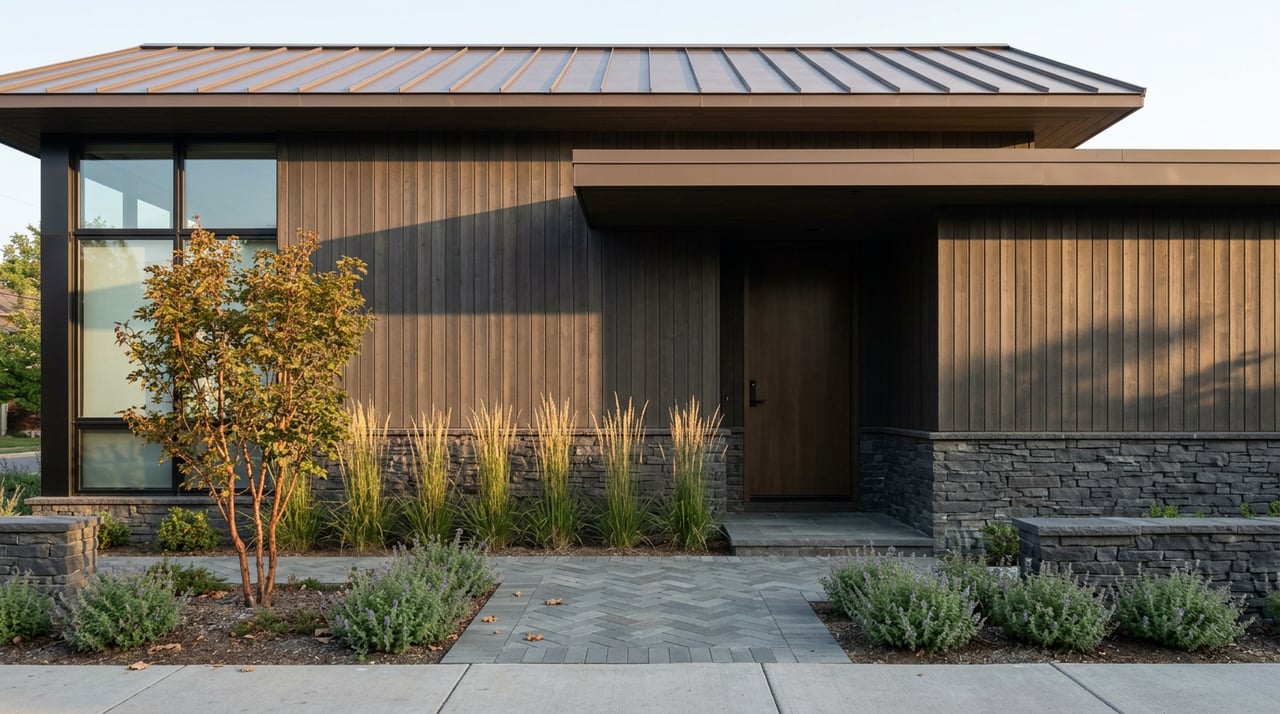
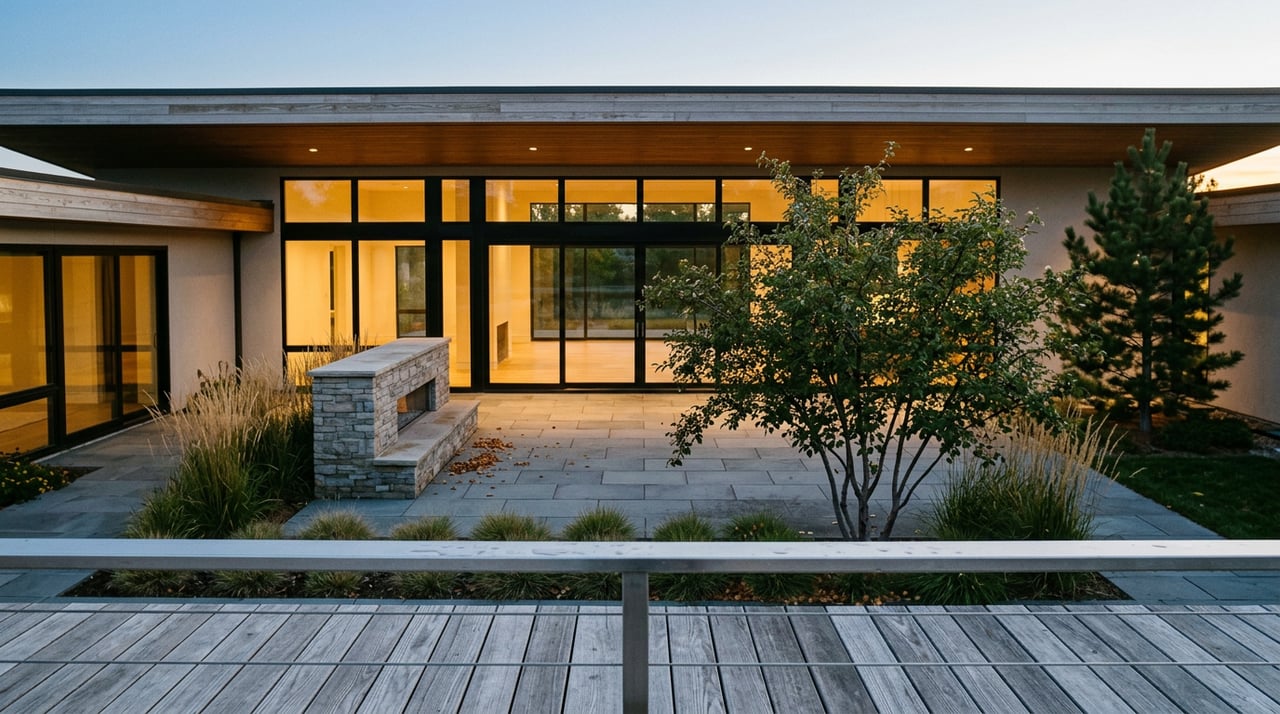
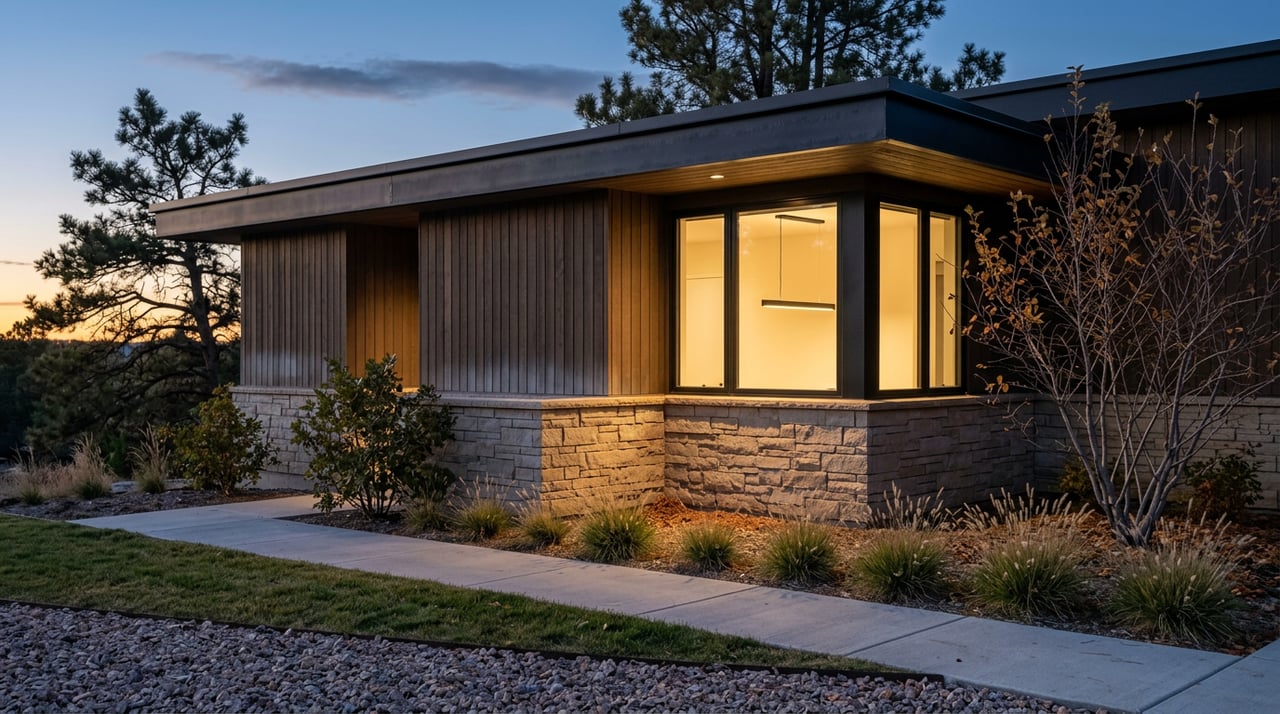
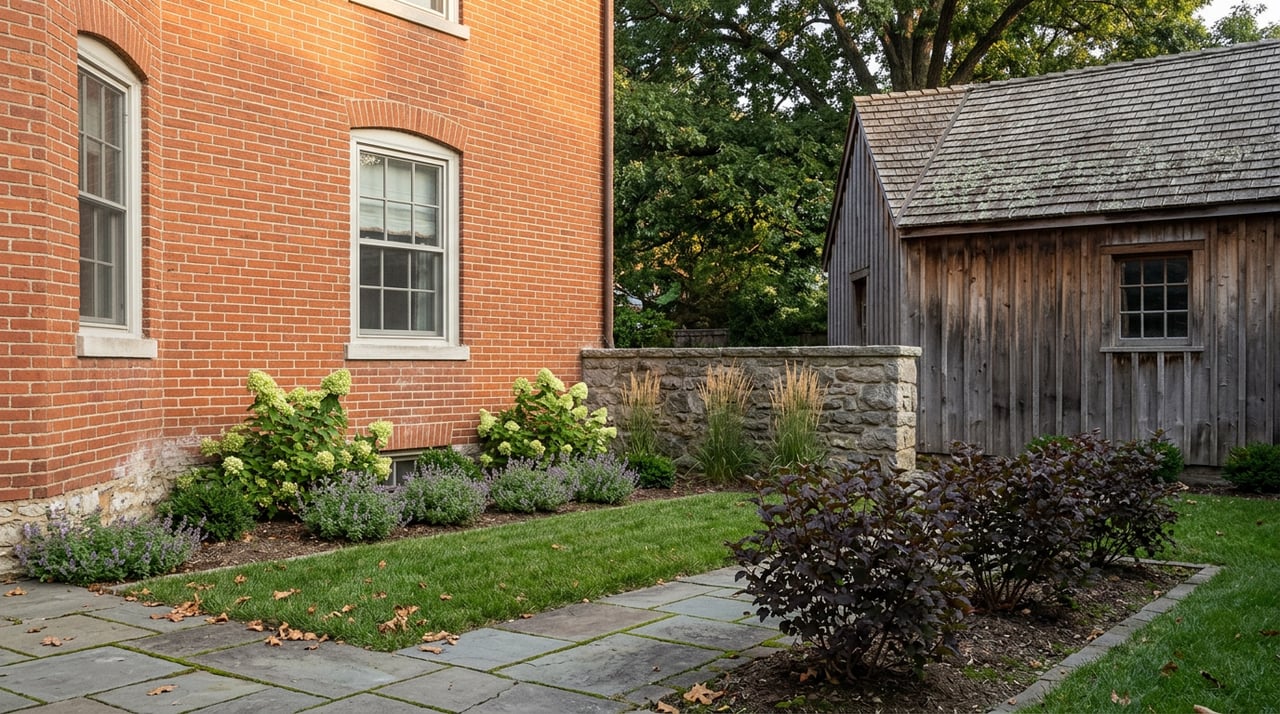
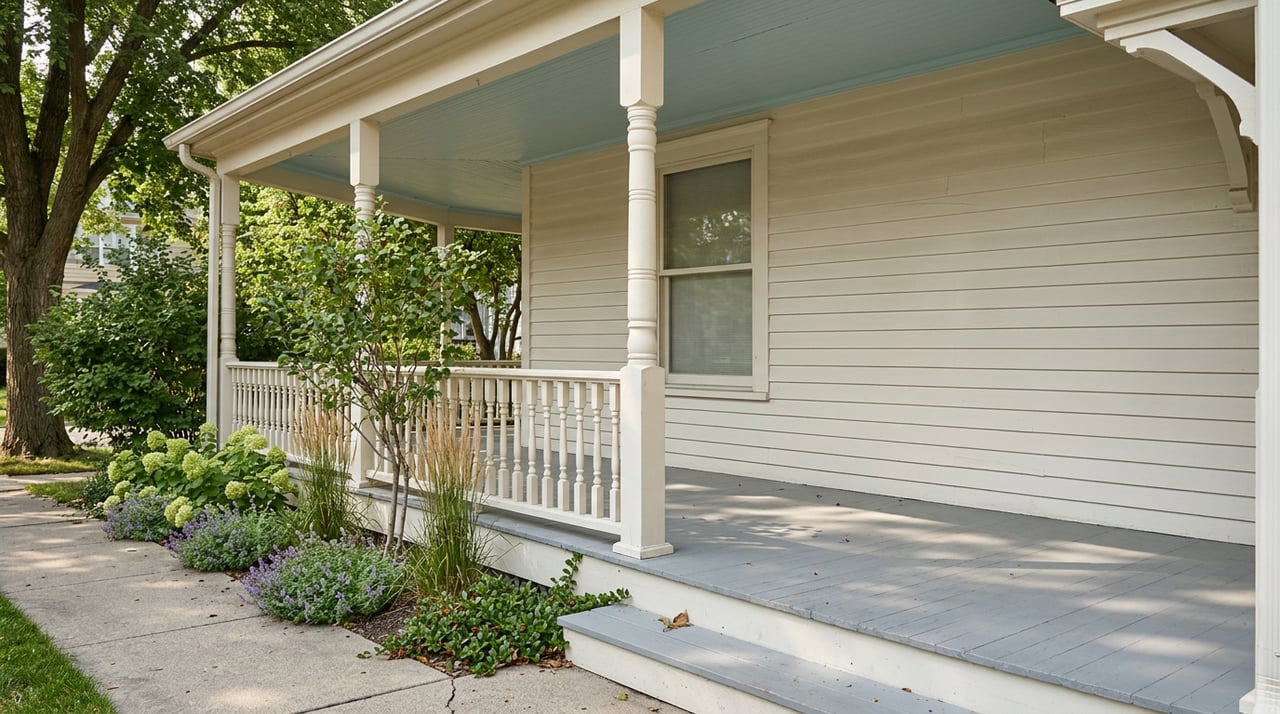
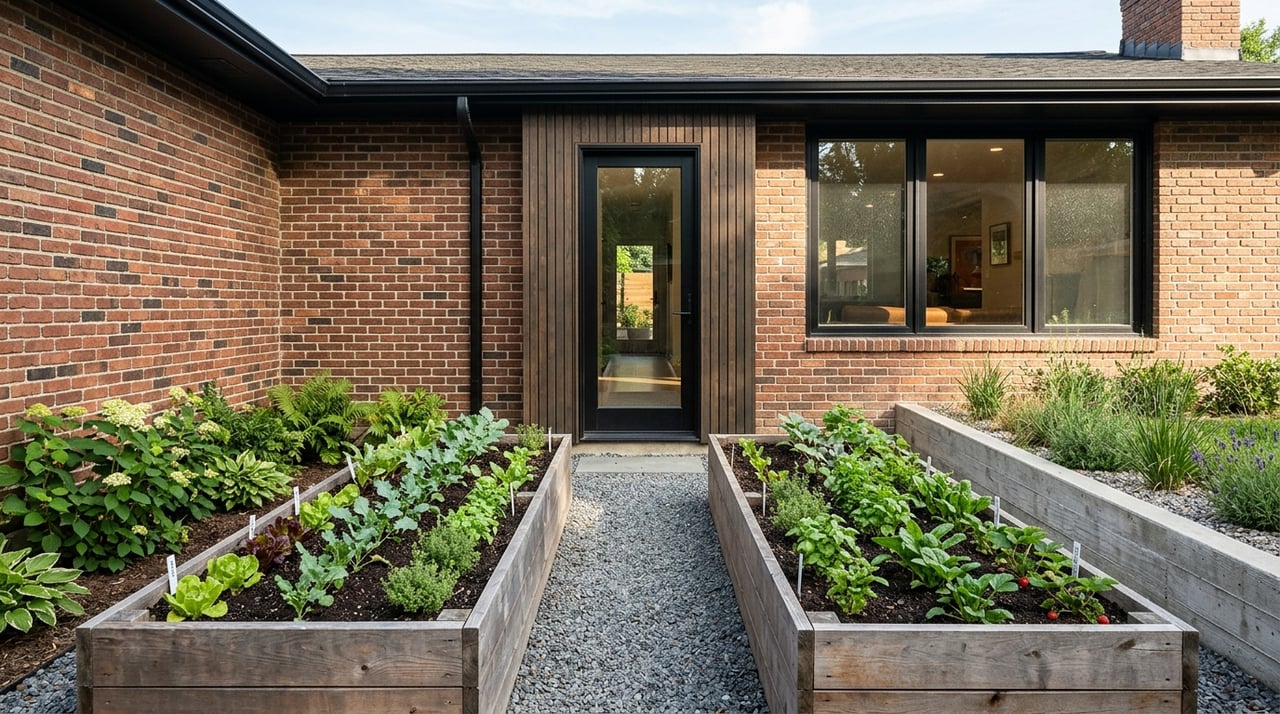
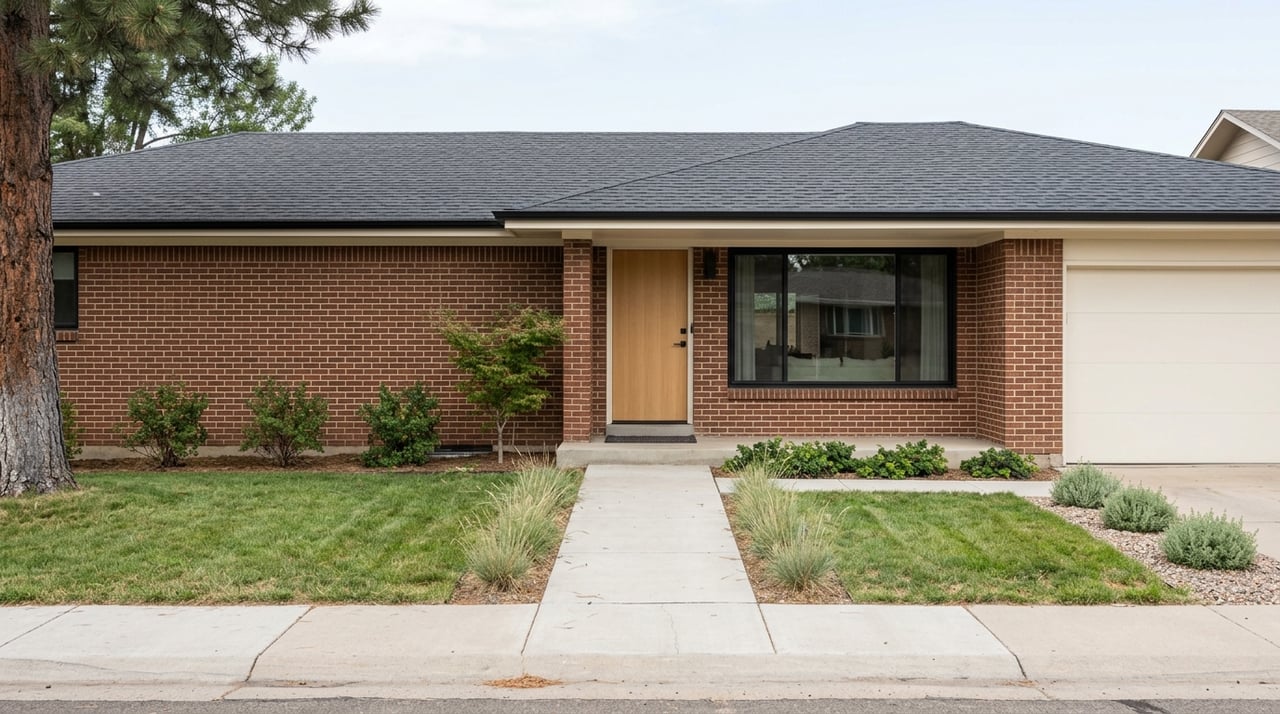
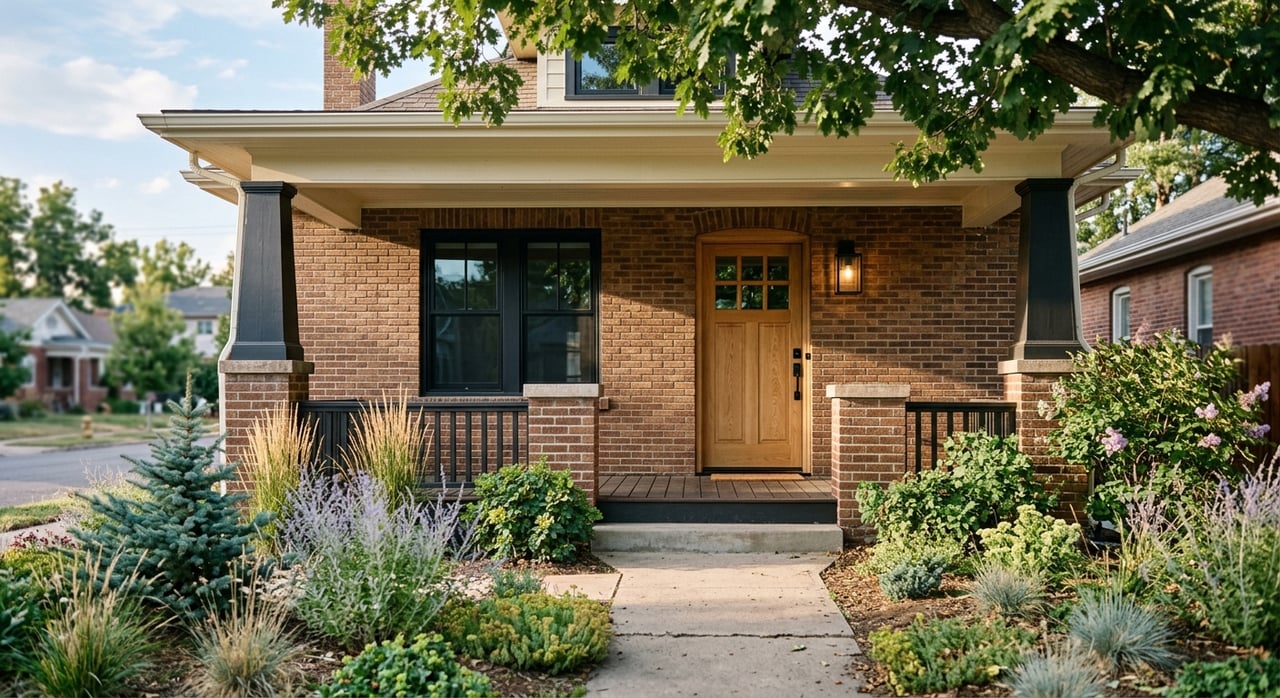
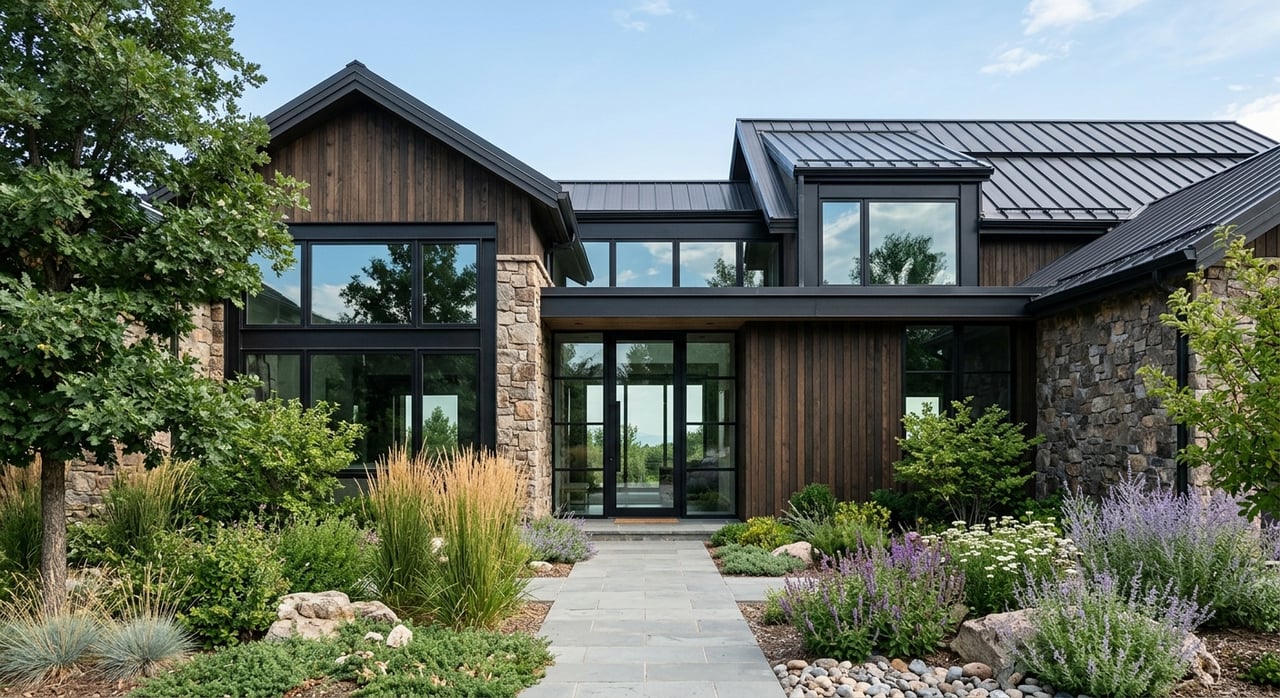
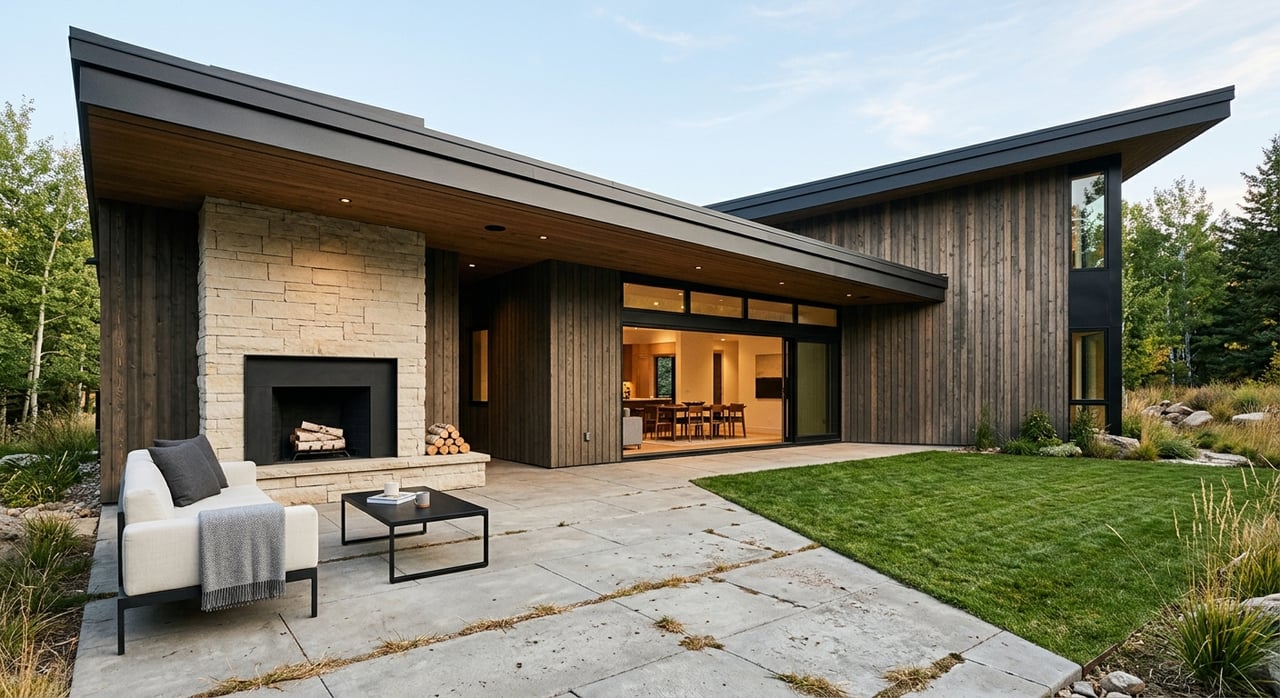
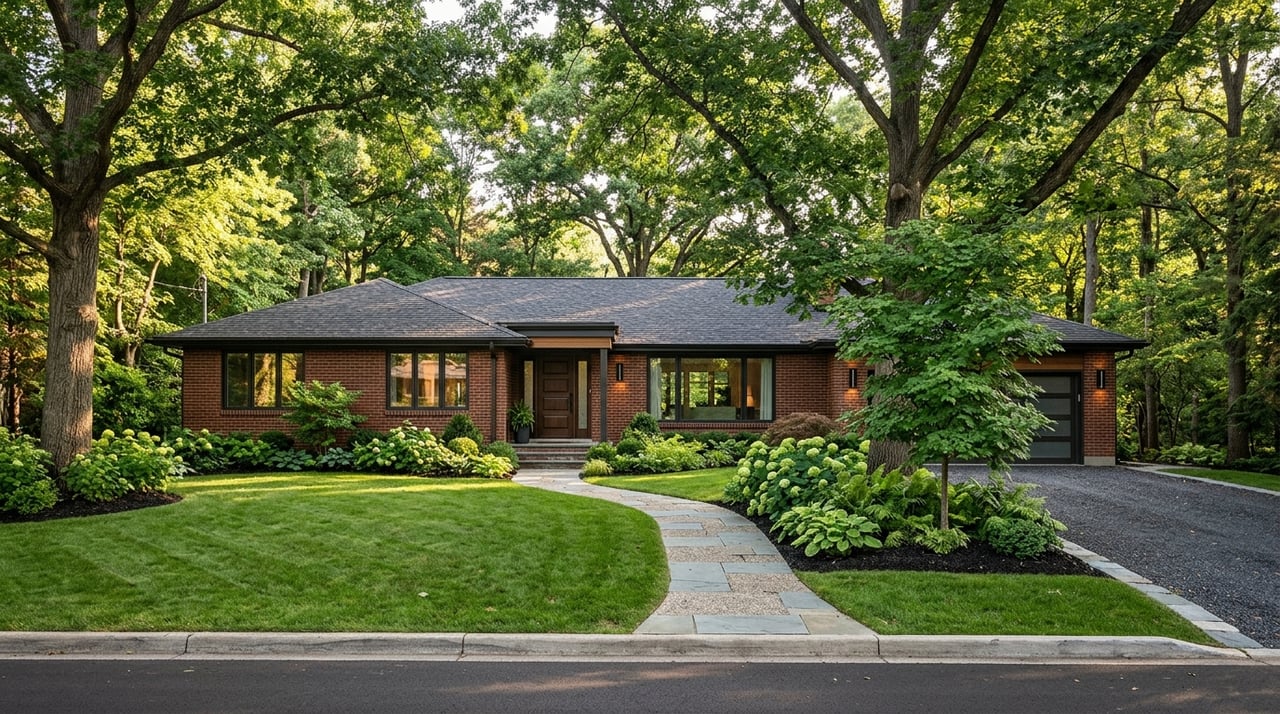
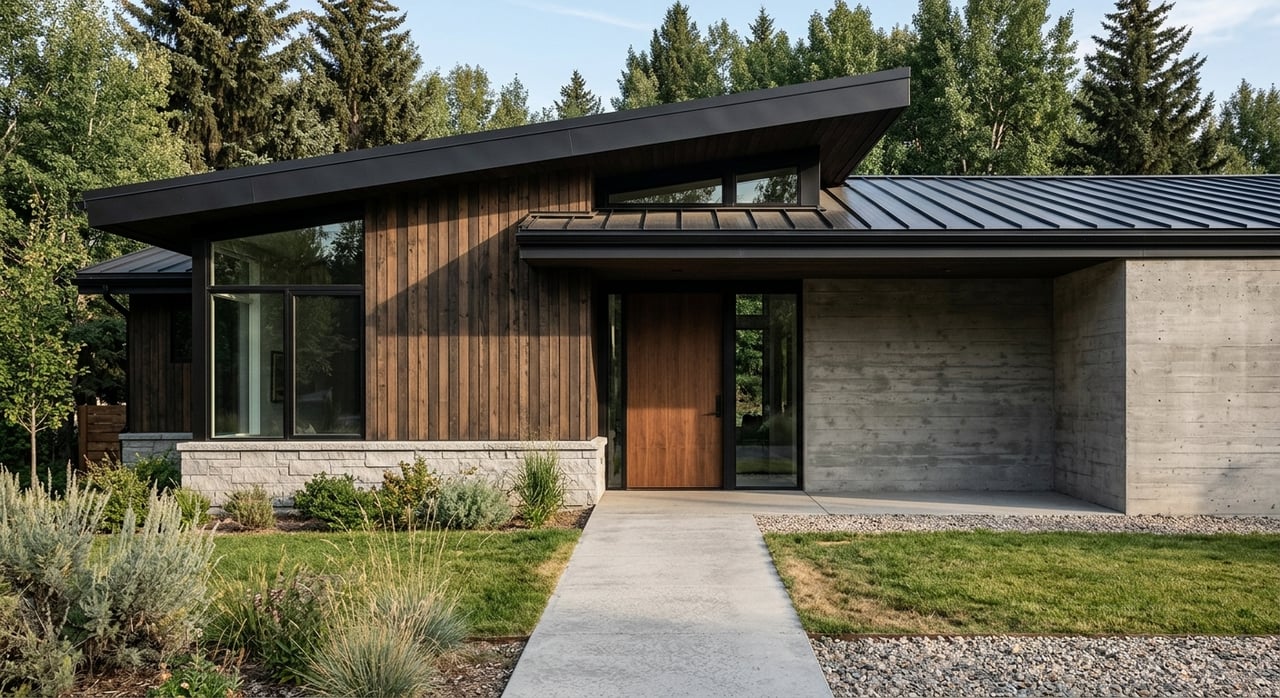
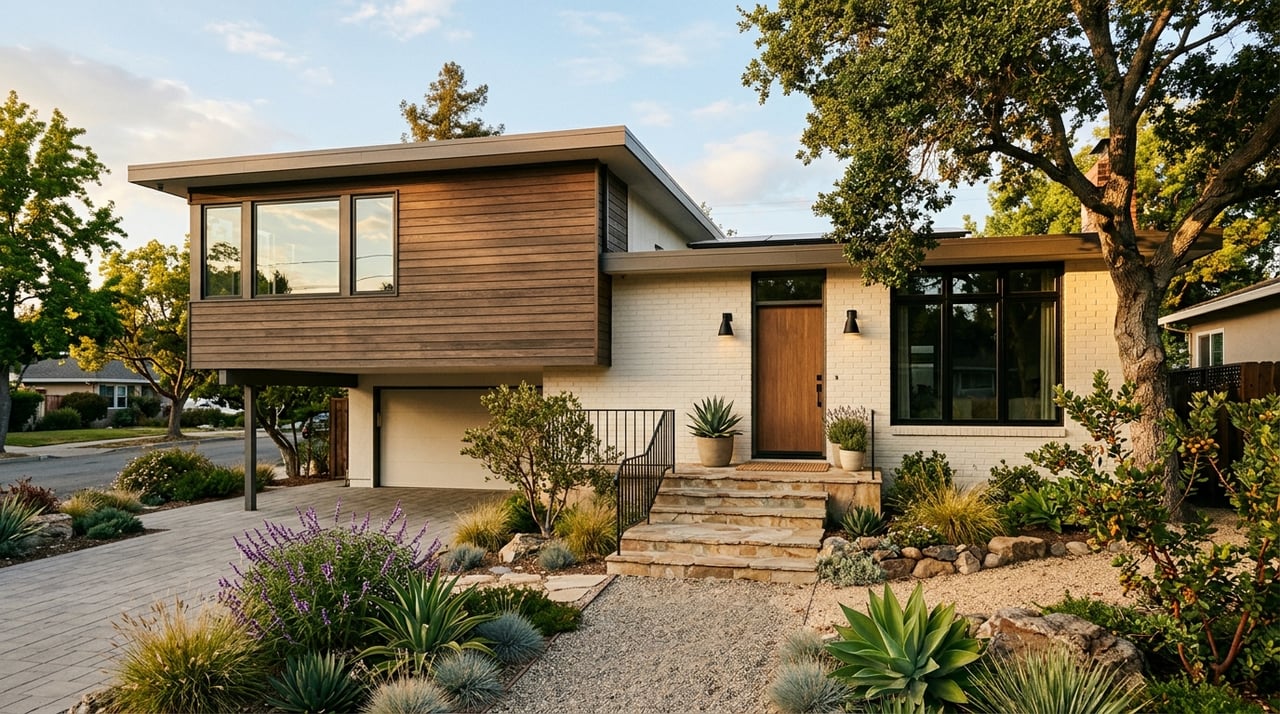
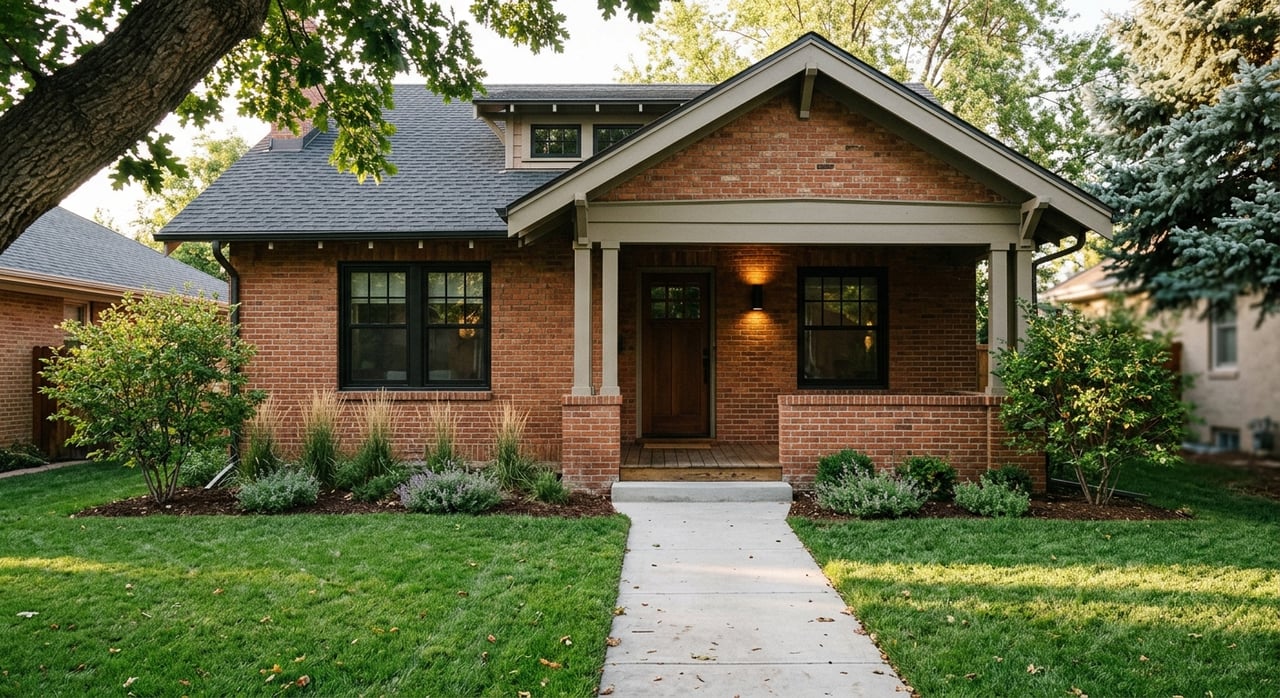
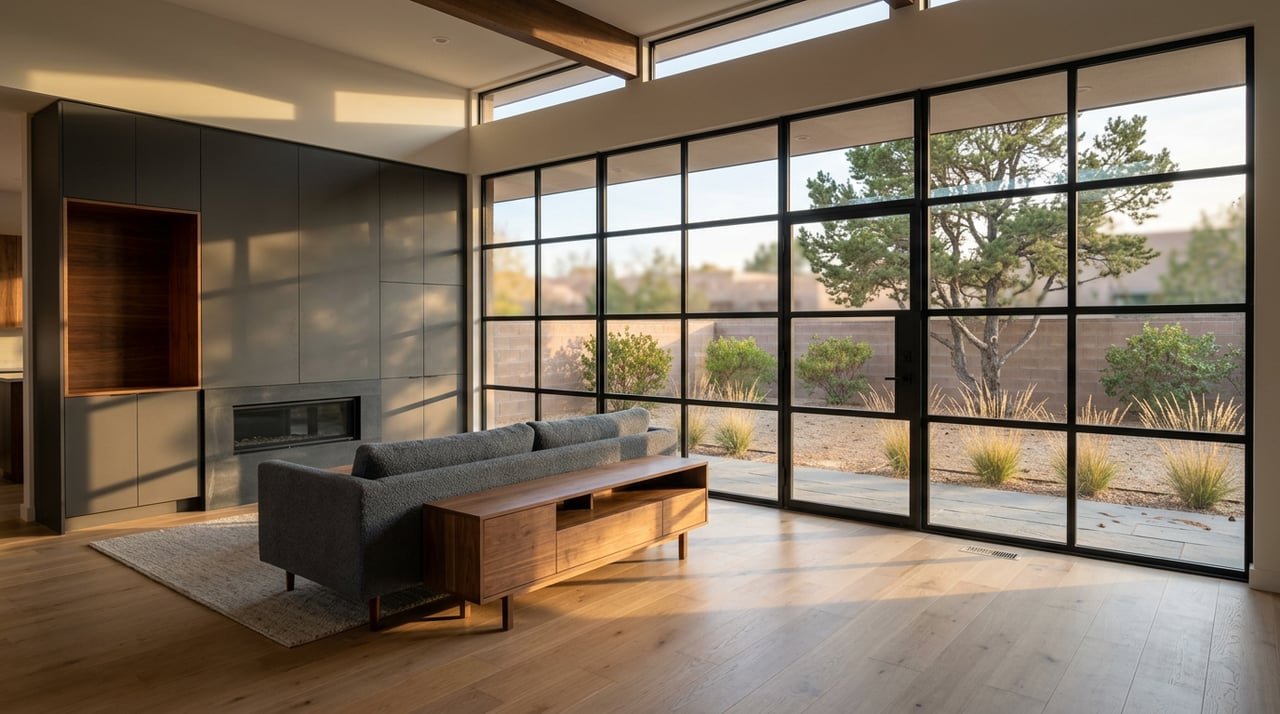
The housing stock backs this up. Drive any block and you'll see three distinct generations layered on top of each other: a handful of original 1920s houses scattered among what used to be open fields, the postwar tract homes that filled those fields in through the 1940s and 50s, and a wave of scrape-and-rebuild custom homes going up steadily since 2003. That last wave is aggressive enough that people in the local real estate world have taken to calling Cory-Merrill Denver's capital of pop-tops. The neighborhood is changing physically, house by house, while its social structure has stayed exactly the same for decades: no retail core, no reason for outsiders to pass through, just houses and the schools they were built around.
The Short List Every Resident Already Has Memorized
Because Cory-Merrill never developed its own commercial strip, residents default to a short, specific rotation instead of a walkable cluster of options. Ask a longtime neighbor for recommendations and you'll hear the same handful of names come up again and again:
- A Cheerful Cup for coffee, the one independent option in a neighborhood otherwise served by chains
- Jaya Asian Grill, known locally for lunch specials in the $12.95 to $13.95 range and dishes like curry ayam and spicy basil shrimp and scallops
- The Bronze Empire, a hot pot spot residents describe as the most authentic in the state, with a menu built around Kobe beef, pork belly, and a Sichuan pot base
- Runners Roost for anyone replacing running shoes without a drive across town
None of these sit on a single block you can stroll. They're scattered along the neighborhood's edges, closer to Colorado Boulevard than to each other. When residents want the kind of walkable cluster other neighborhoods have built in, they head a few blocks over to Old South Gaylord for its boutiques and upscale dining, or to Bonnie Brae for its namesake ice cream shop. Cory-Merrill doesn't compete with those blocks. It borrows them, the same way it borrows the Kirk's parking lot.
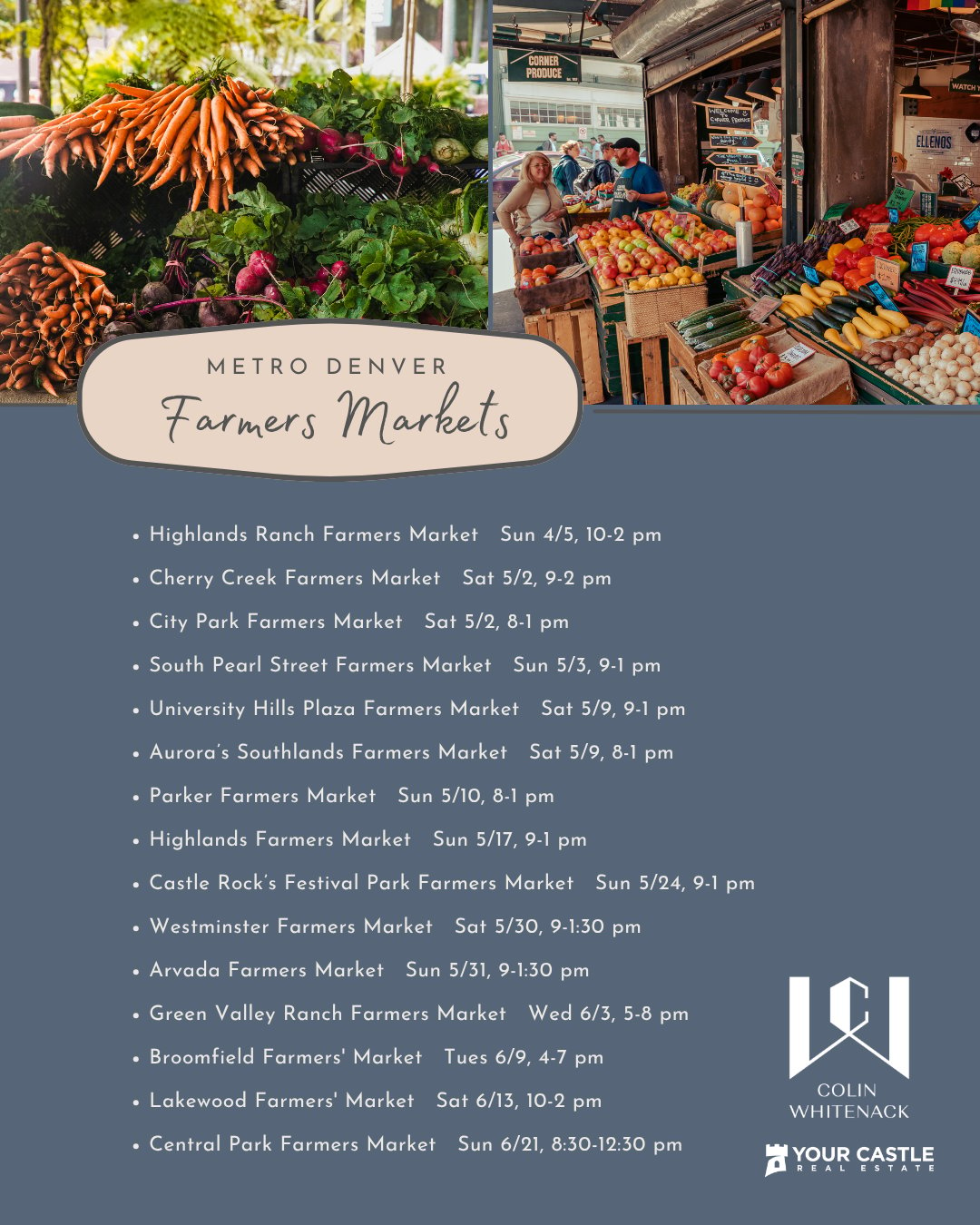
The pattern extends past the neighborhood's own boundary, too. Just south, near Colorado Boulevard and Amherst Avenue, Wellshire Presbyterian Church hosts the University Hills Farmers Market, which draws close to 50 vendors weekly along with live music and free parking. It's not technically inside Cory-Merrill, but it's close enough that plenty of residents treat it as their own. Once again: a church lot, standing in for infrastructure the neighborhood never built for itself.
What's Actually On The Calendar Before Halloween
For residents planning the next couple months, here's where that borrowed-space pattern shows up on the calendar. Food Truck Nights run monthly through the summer season at the Kirk, and with August closing out, the remaining dates for the year will likely wind down as the weather turns. CMNA's quarterly board meetings, distinct from the general meetings, happen on the first Wednesday of January, April, June, and September, so residents interested in the association's actual decision-making rather than its social calendar have a September touchpoint coming up before the year's out.
Then comes the neighborhood's biggest shared tradition: the Halloween parade, which residents describe as a fixture where the streets fill with costumes and the kind of community spirit that a neighborhood without a town square has to work harder to generate on its own. It's the one night of the year Cory-Merrill doesn't need to borrow anyone's parking lot. The street itself becomes the gathering place, briefly, before the neighborhood goes quiet again until spring.
For anyone who wants the specifics on dates, vendors, and meeting agendas as they're posted, the Cory-Merrill Neighborhood Association keeps its calendar updated directly on its own site.
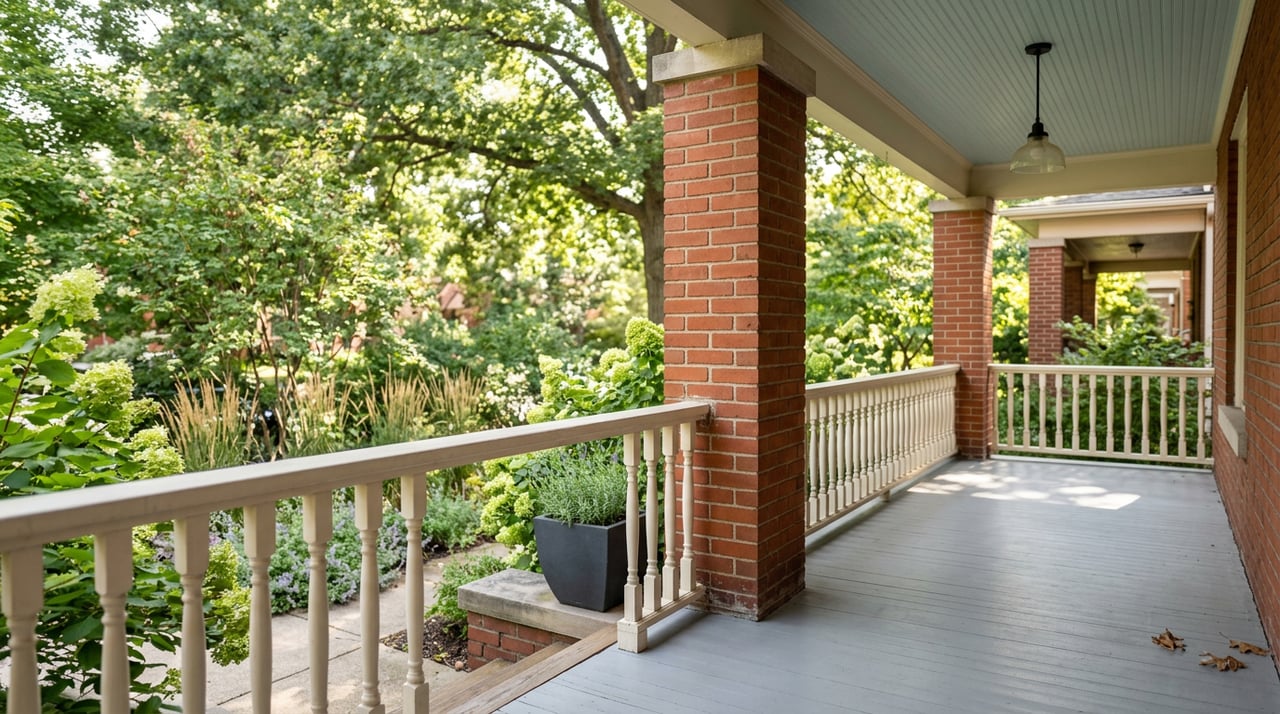
None of this makes Cory-Merrill lesser than the neighborhoods around it. It makes the community here more deliberate. When there's no coffee shop on the corner to bump into your neighbor, showing up to Food Truck Night or the quarterly meeting becomes the thing you actually do on purpose. The Kirk's parking lot isn't a workaround. It's the closest thing this neighborhood has to a front porch, shared by everyone on the block instead of just one house.
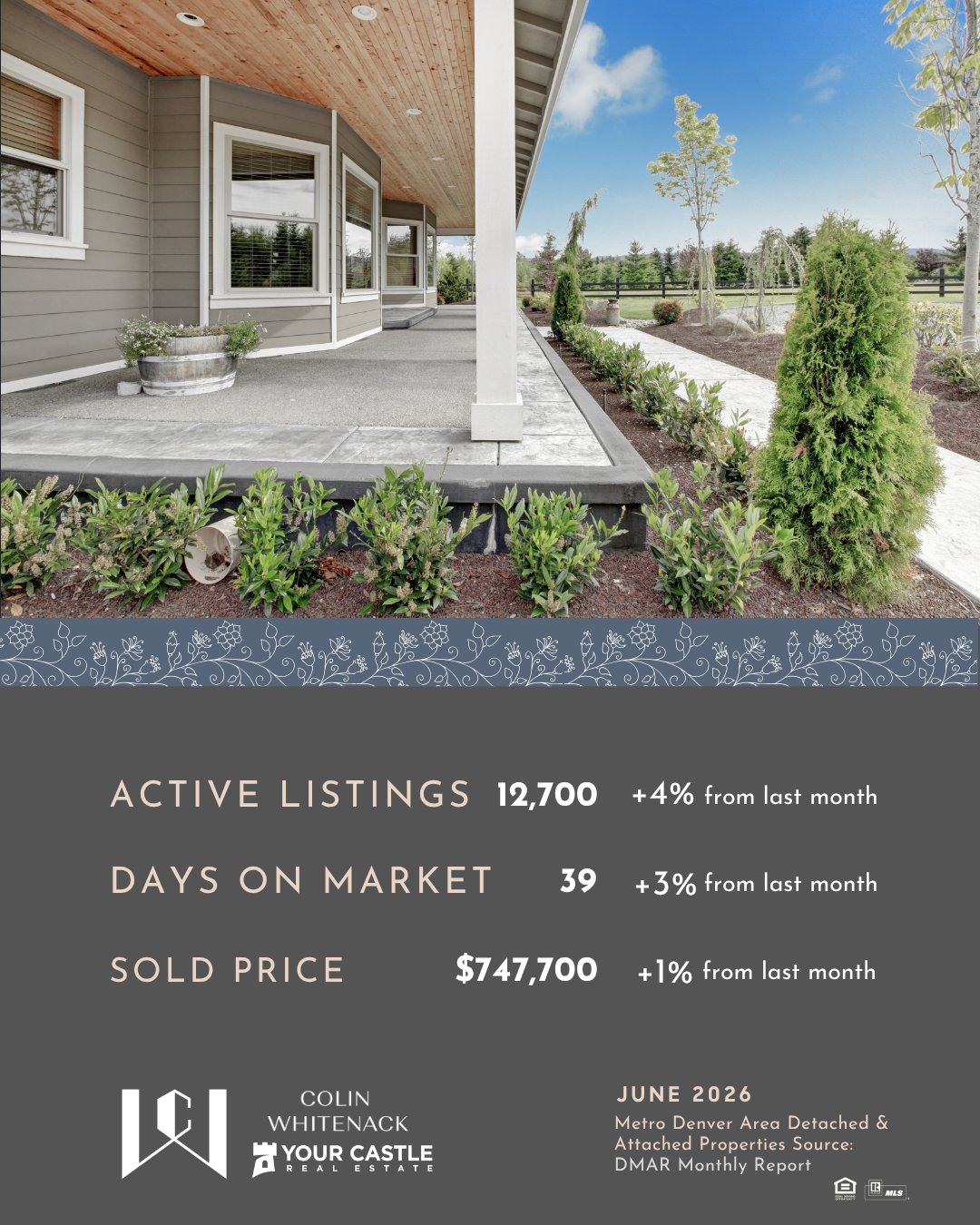
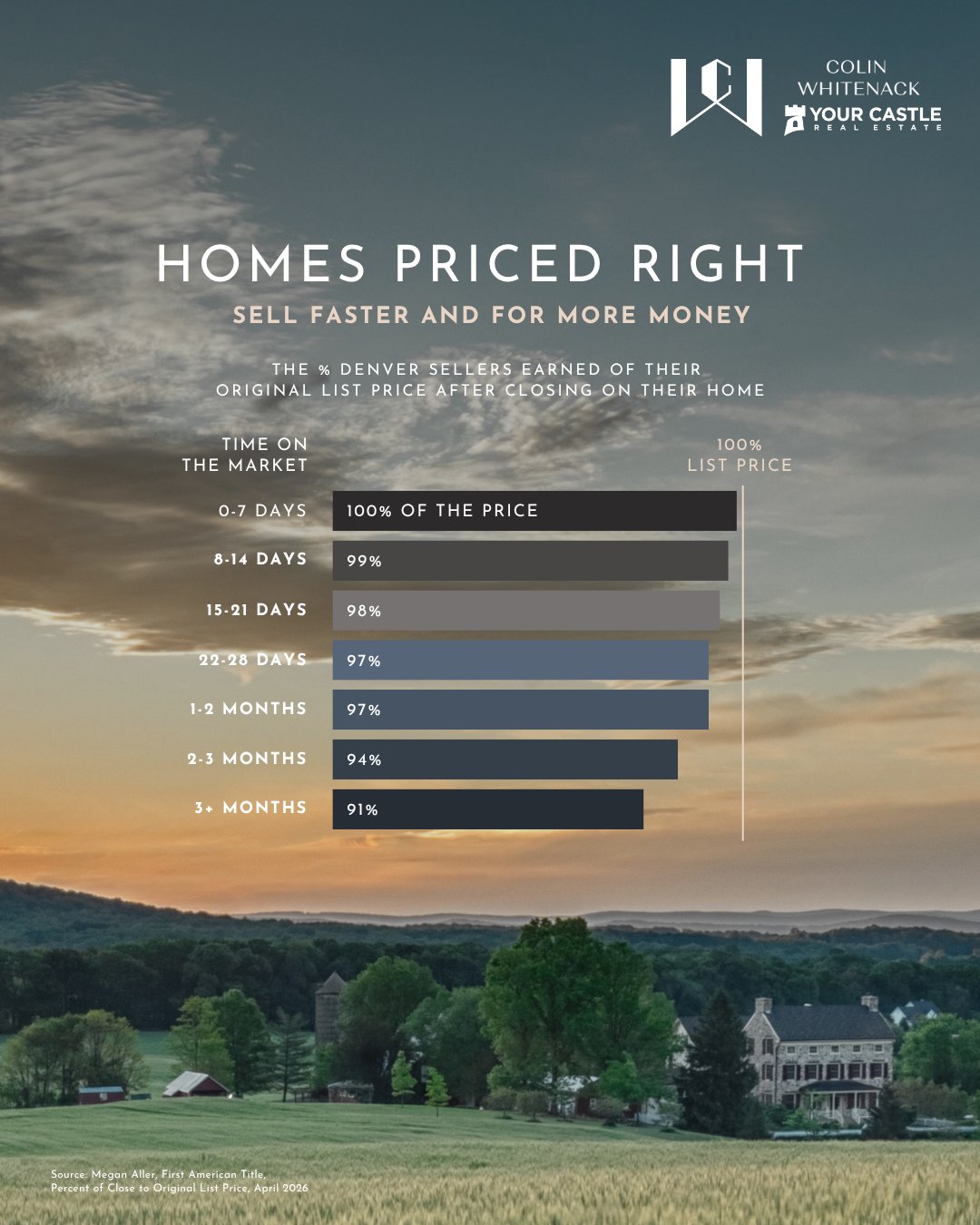
If you're already living here and wondering how any of this shows up in what your home is worth, or you're weighing a move into a neighborhood that runs on borrowed space instead of a business district, Colin & Company knows this stretch of Denver block by block. Let's Connect.