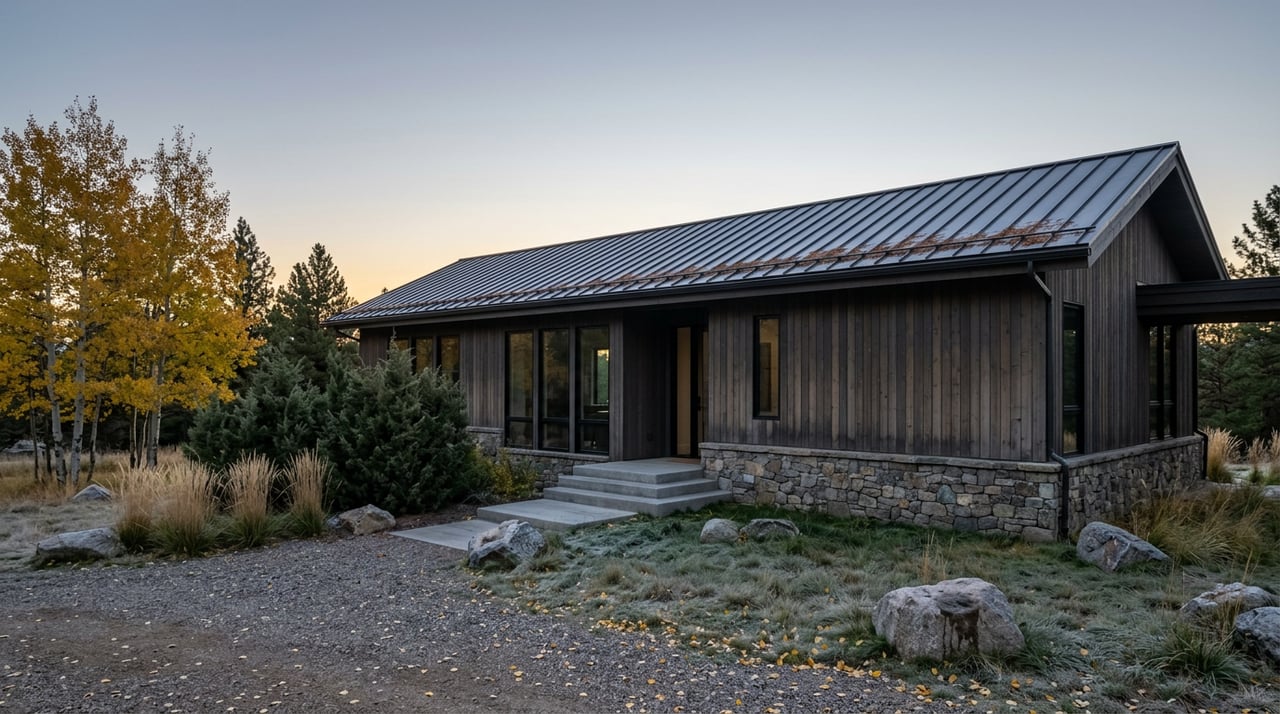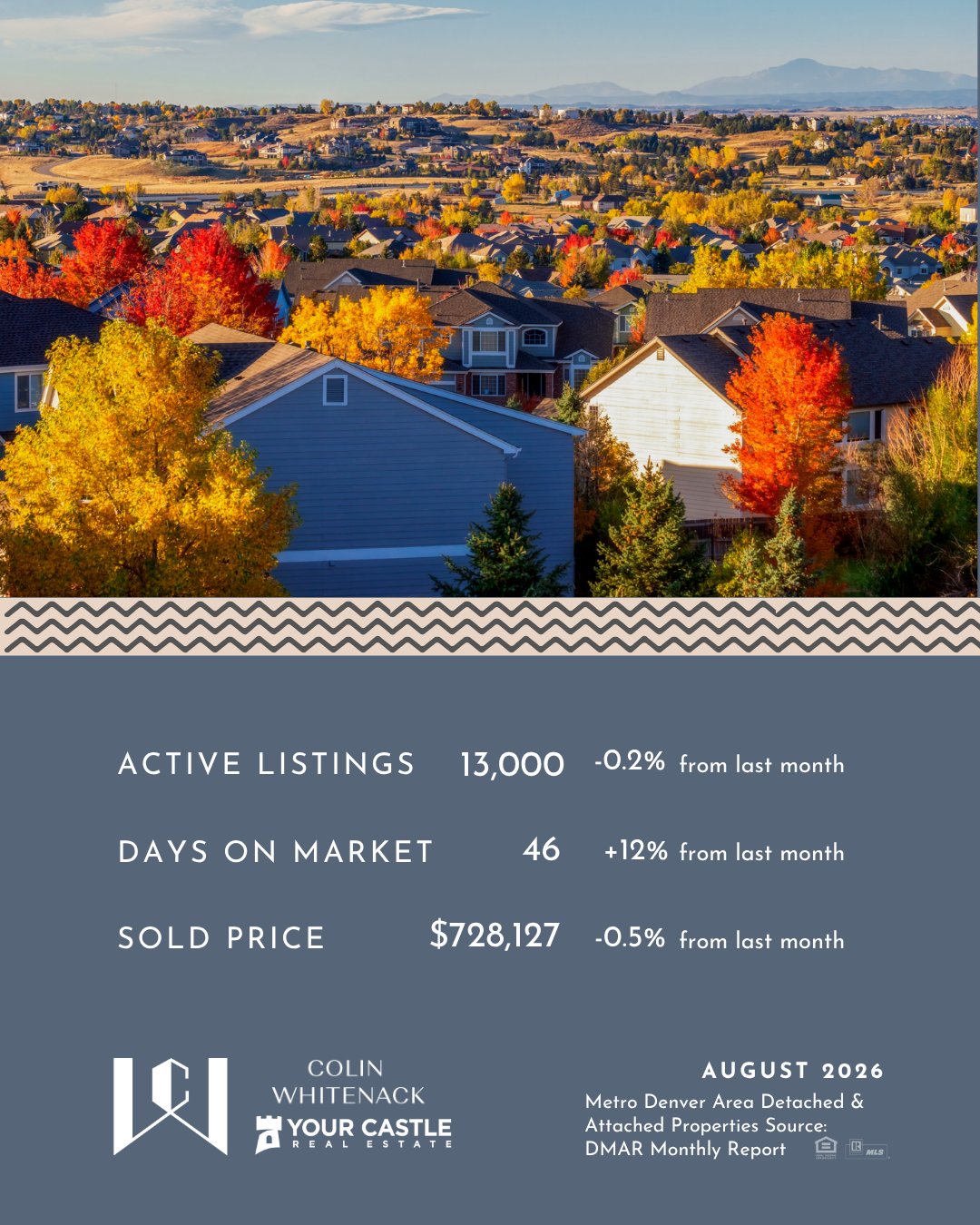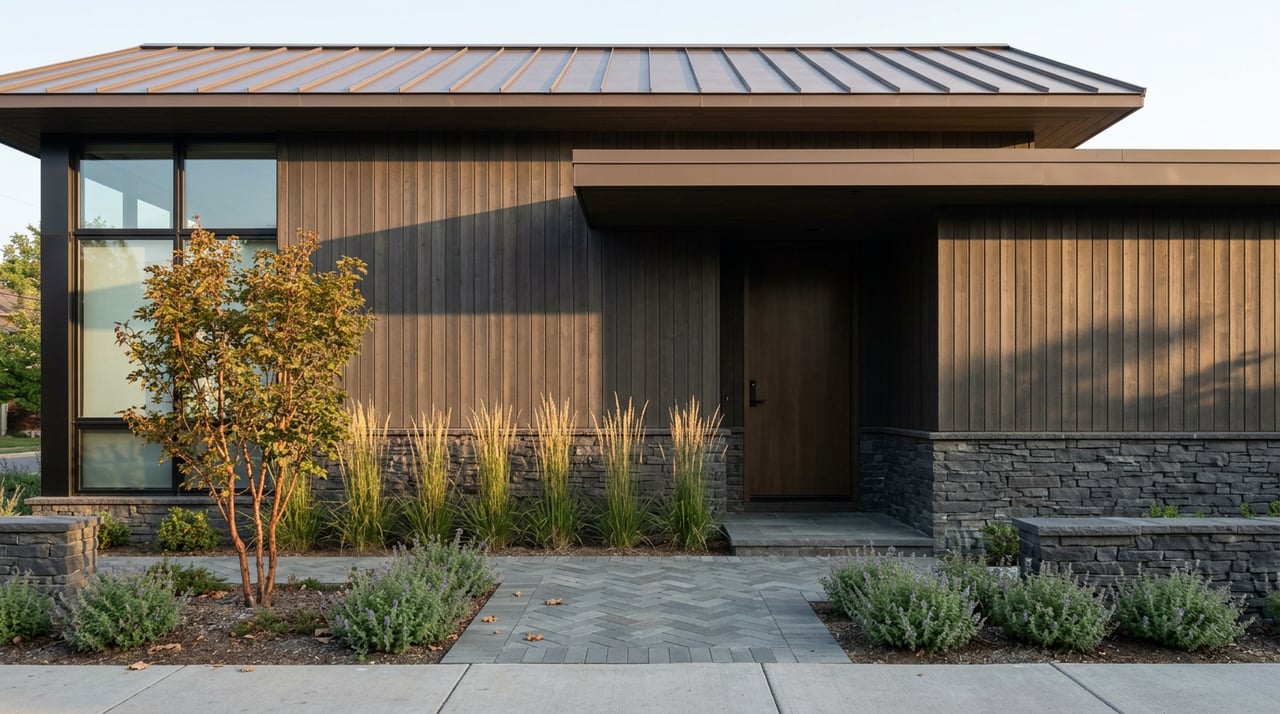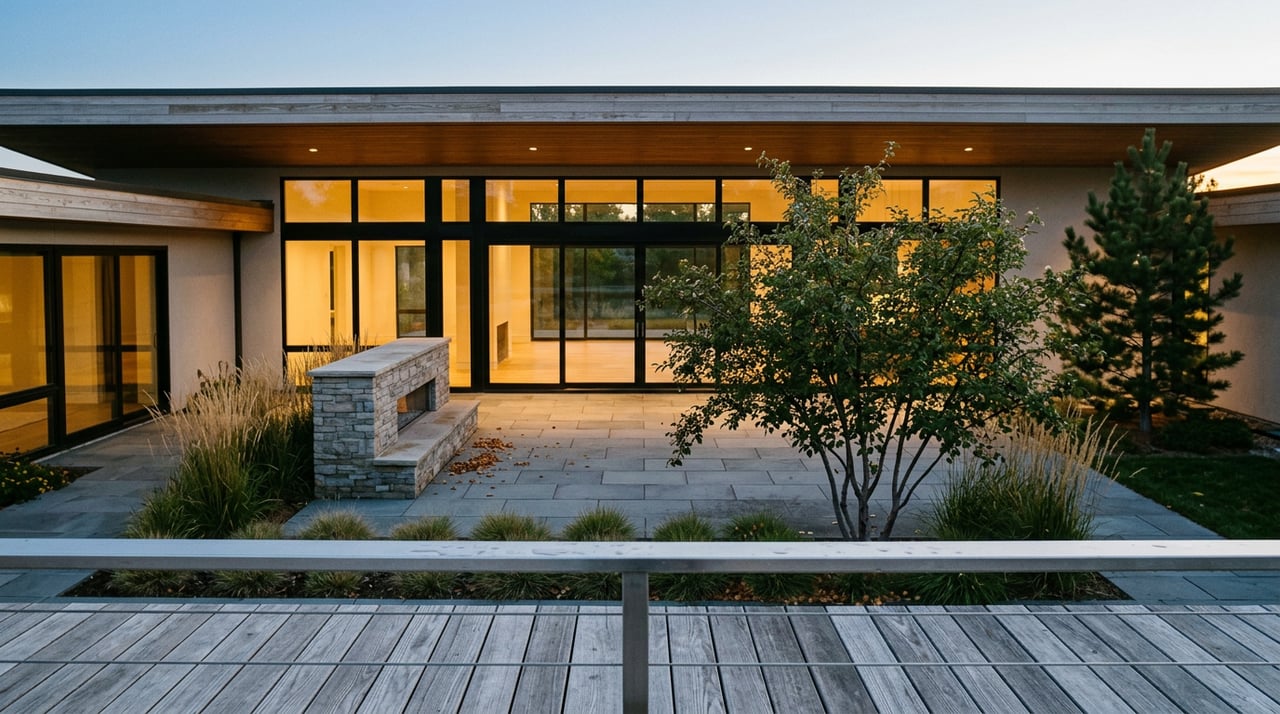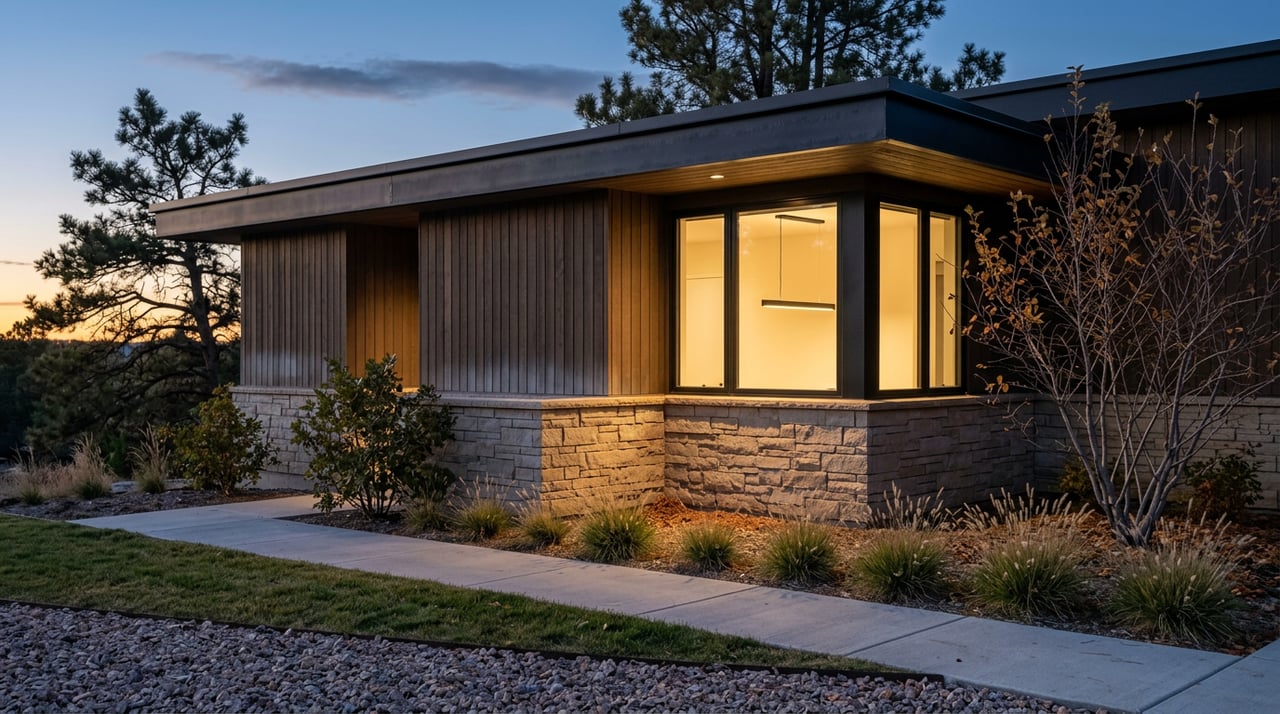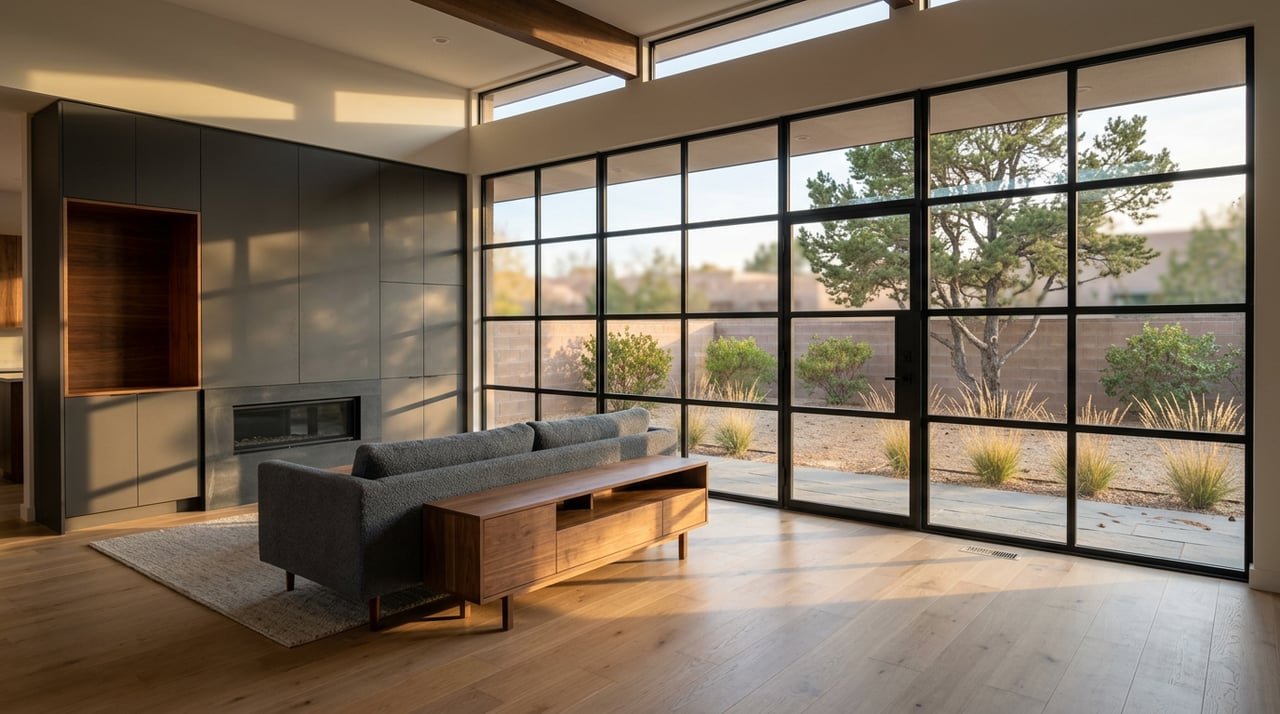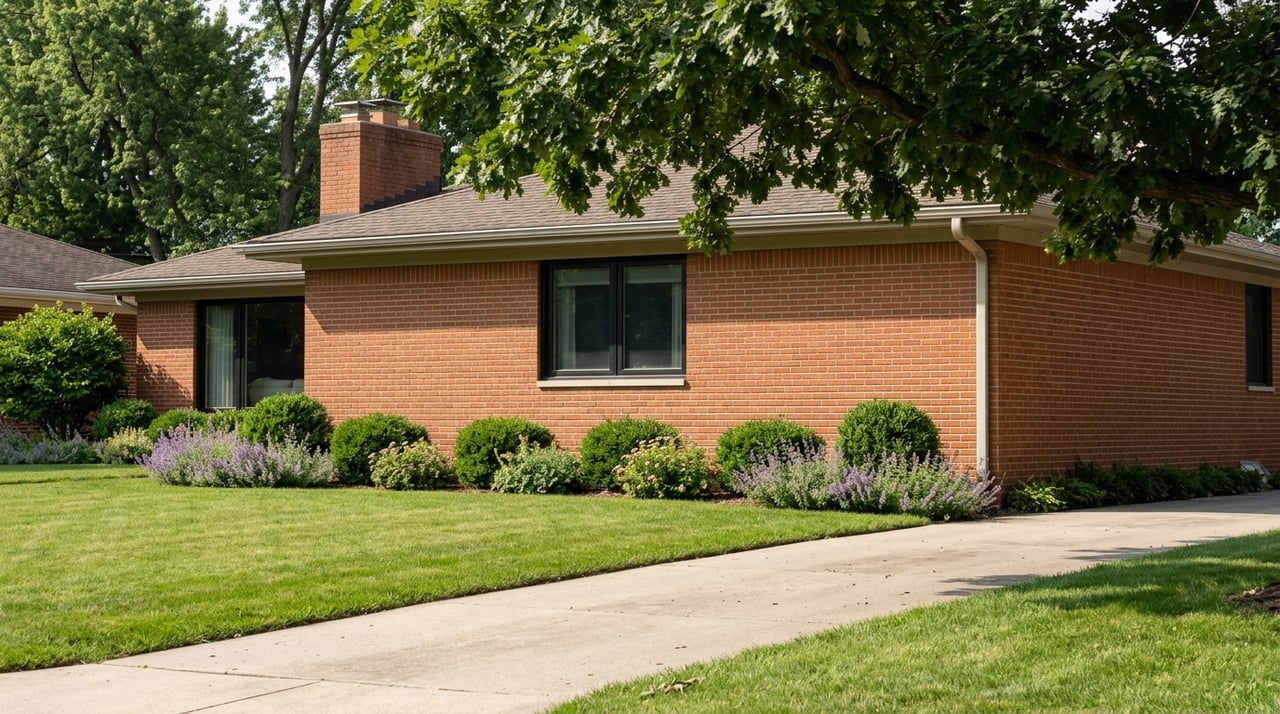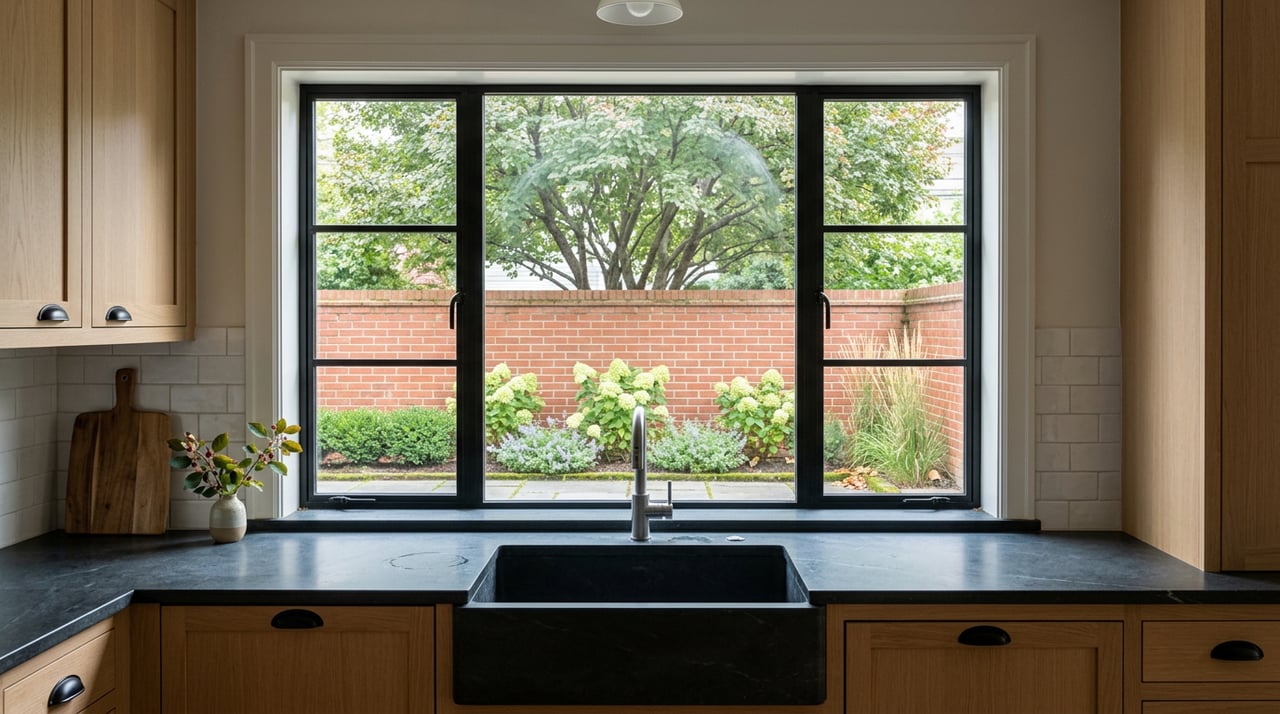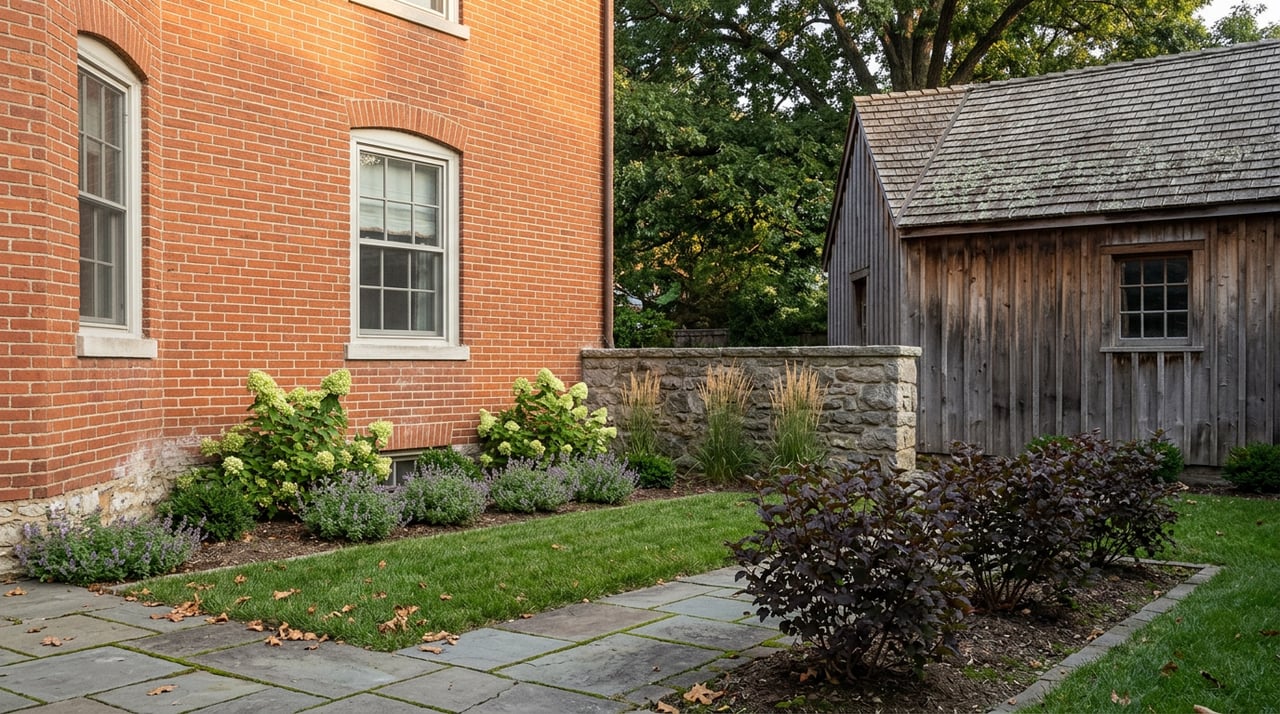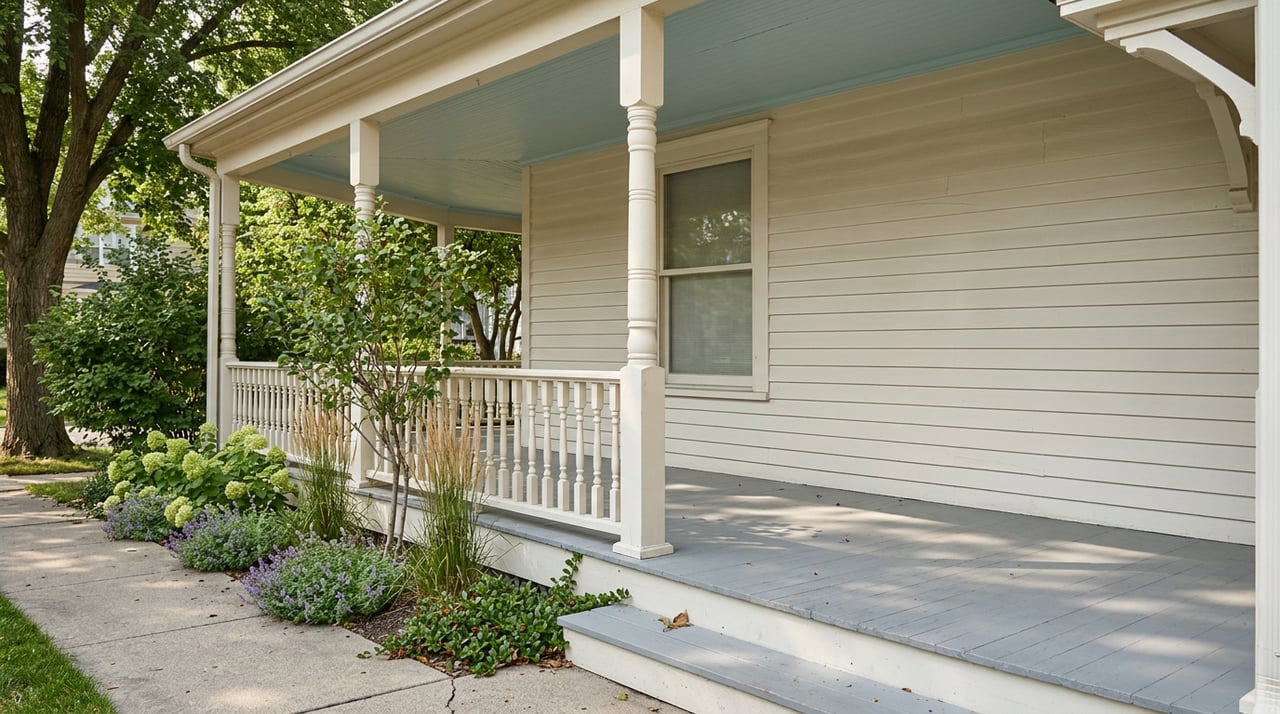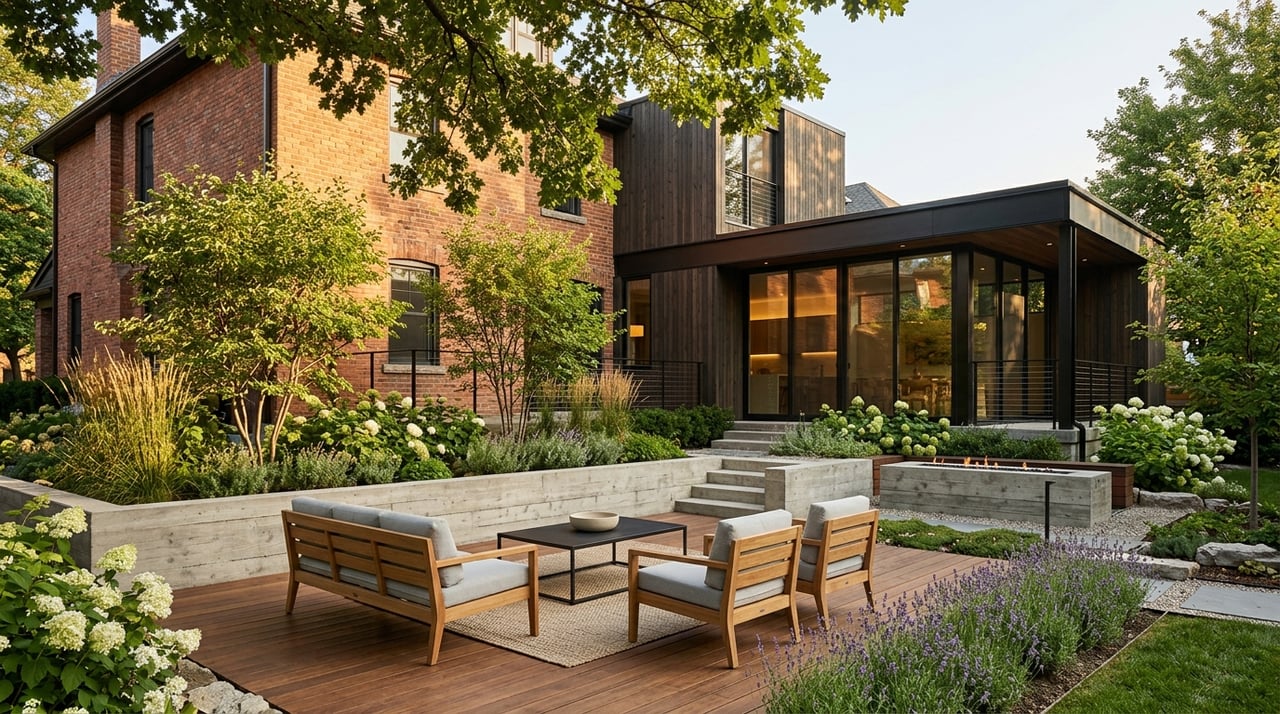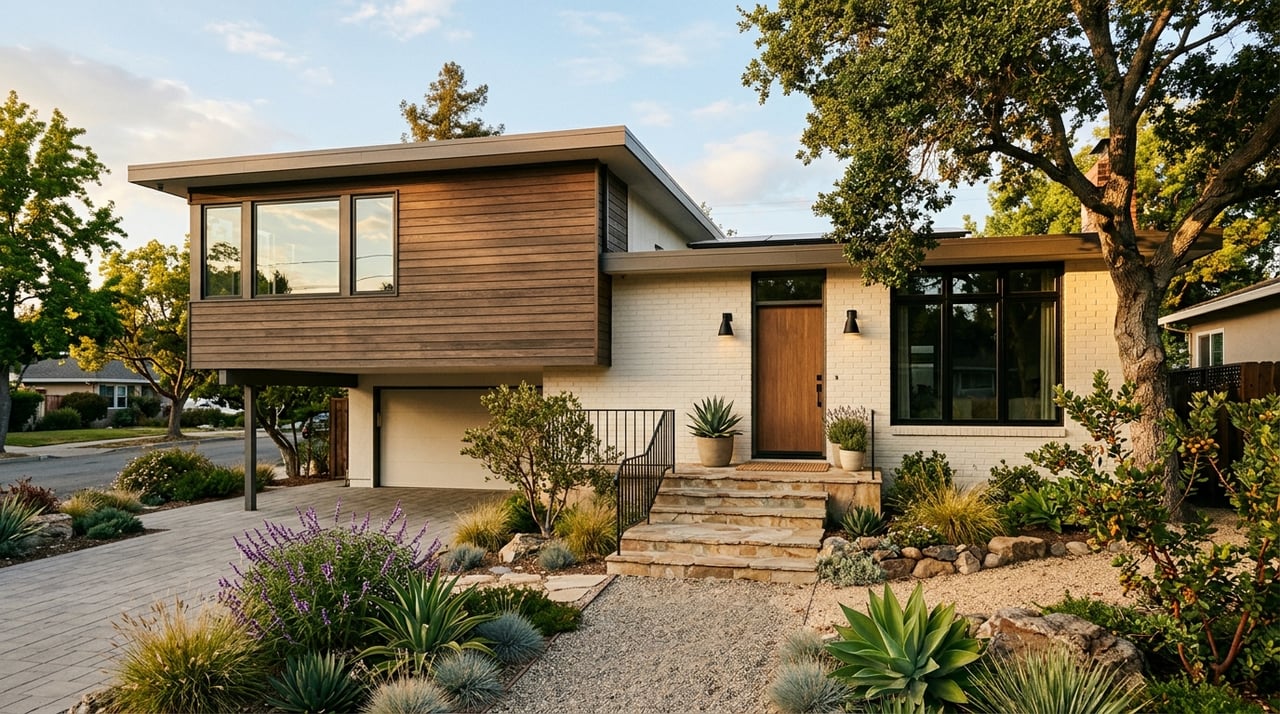
If you’re thinking about selling in Littleton, one question can shape almost every part of your strategy: are you selling an Old Town home or a property in one of Littleton’s newer subdivisions? Buyers often respond to these areas for very different reasons, which means pricing, prep, photos, and marketing should shift too. When you understand what today’s buyers are really comparing, you can position your home more effectively and avoid a one-size-fits-all approach. Let’s dive in.
Old Town and newer Littleton differ
In Littleton, “Old Town” usually refers to the Main Street historic district rather than just any older home. City code places that district generally along the 2200 through 2700 blocks of Main Street, with a period of significance from 1870 through 1970. Downtown Littleton is closely tied to historic buildings, local shops, events, walking tours, and access to the Littleton/Downtown light-rail station one block north.
Newer Littleton neighborhoods tell a different story. Planned communities like RiverPark were designed around modern priorities such as pedestrian connections, internal circulation, and open space. In communities like Littleton Village, buyers may also see features like attached garages, covered porches, walking paths, parks, playgrounds, and dog parks.
That difference matters when you sell. A home near Main Street may win buyers with charm, scarcity, and walkability, while a newer home may win on layout, storage, parking, and daily convenience.
What Old Town buyers value
Buyers looking at Old Town Littleton are often drawn to the lifestyle around historic downtown. Current listing positioning in Historic Downtown Littleton emphasizes being close to Main Street dining, shopping, light rail, and bus service. That kind of location often appeals to people who care more about character and convenience than having the biggest footprint or a yard-first suburban setup.
They are not just buying a house. They are often buying into a streetscape, a rhythm of daily life, and easy access to downtown Littleton amenities. That means your home’s exterior presence and its connection to the surrounding area can carry real weight.
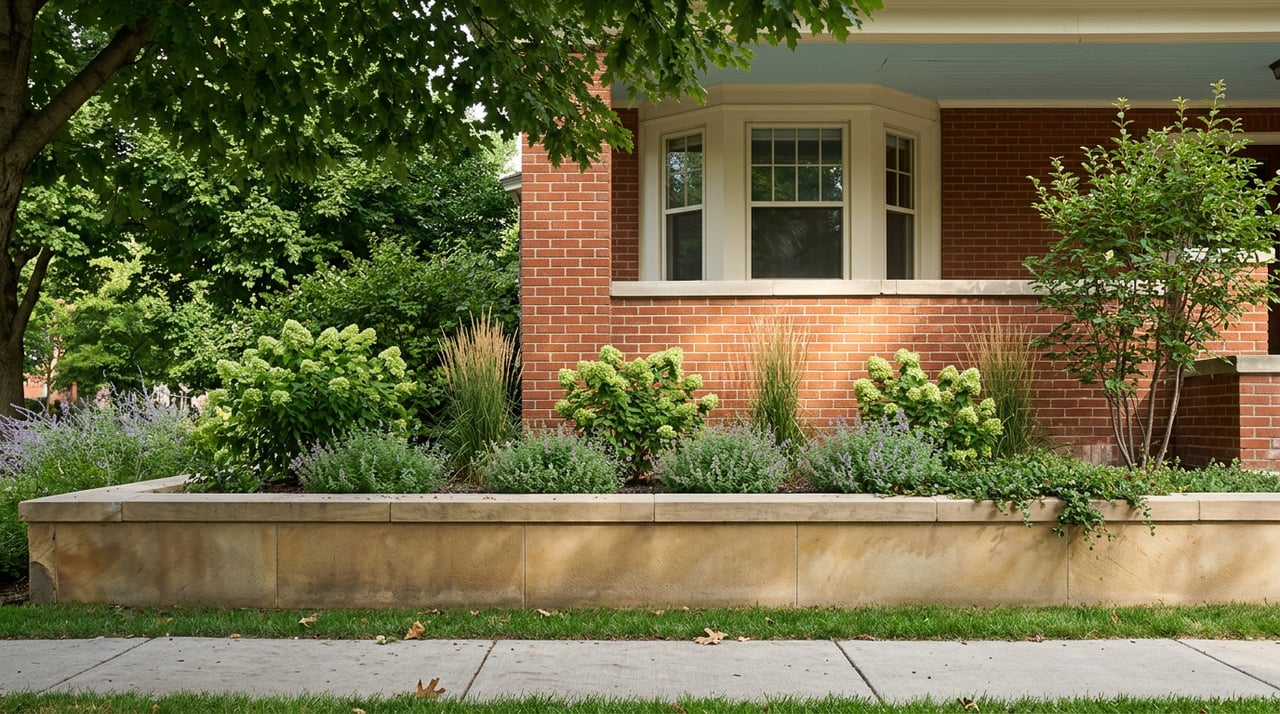
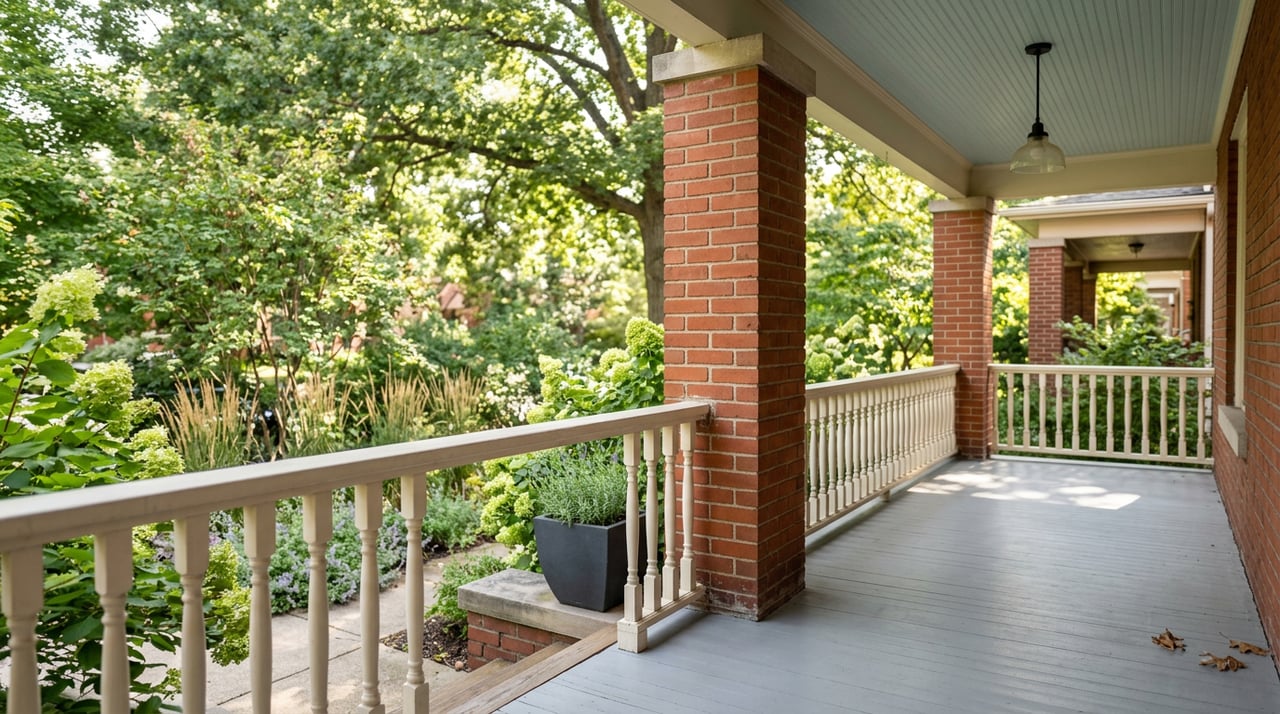
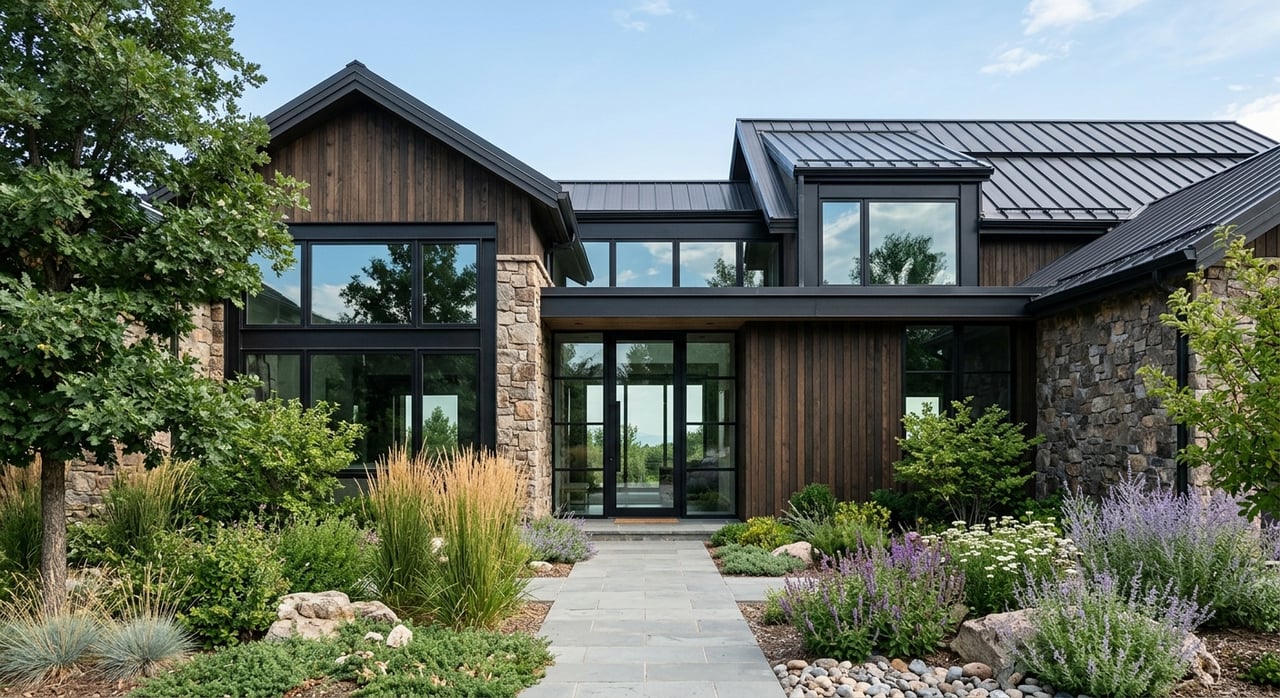
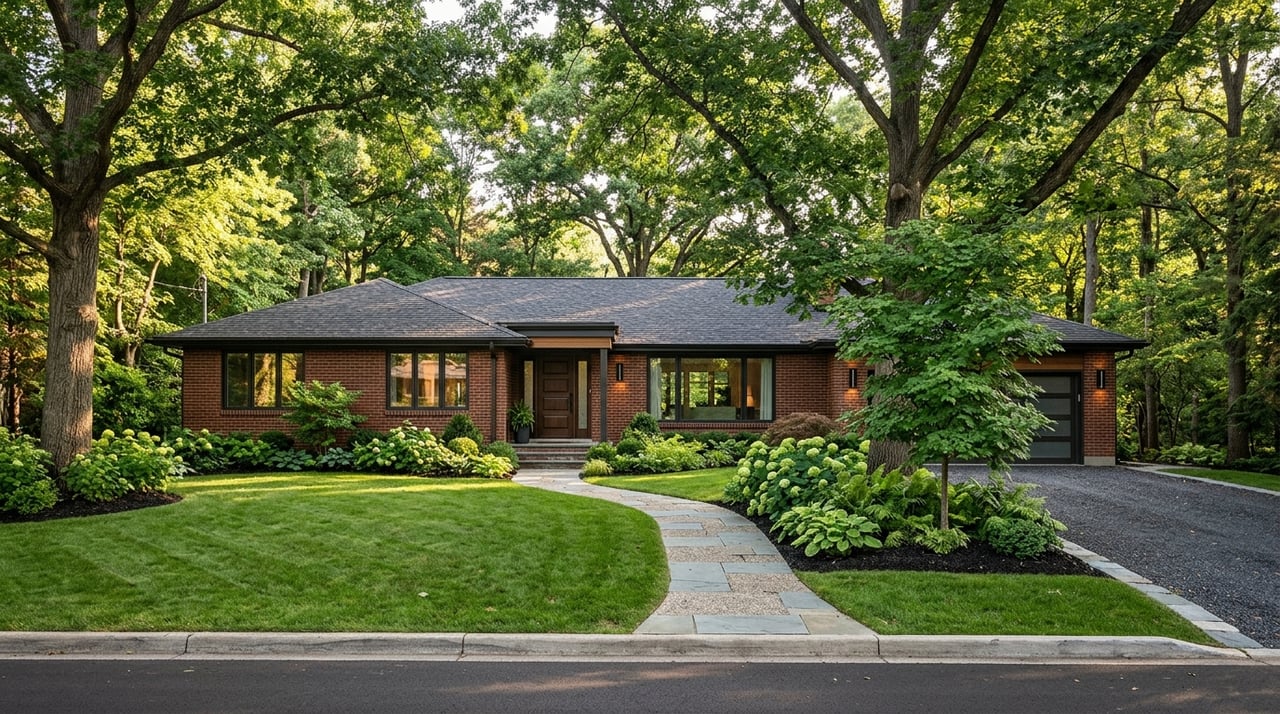
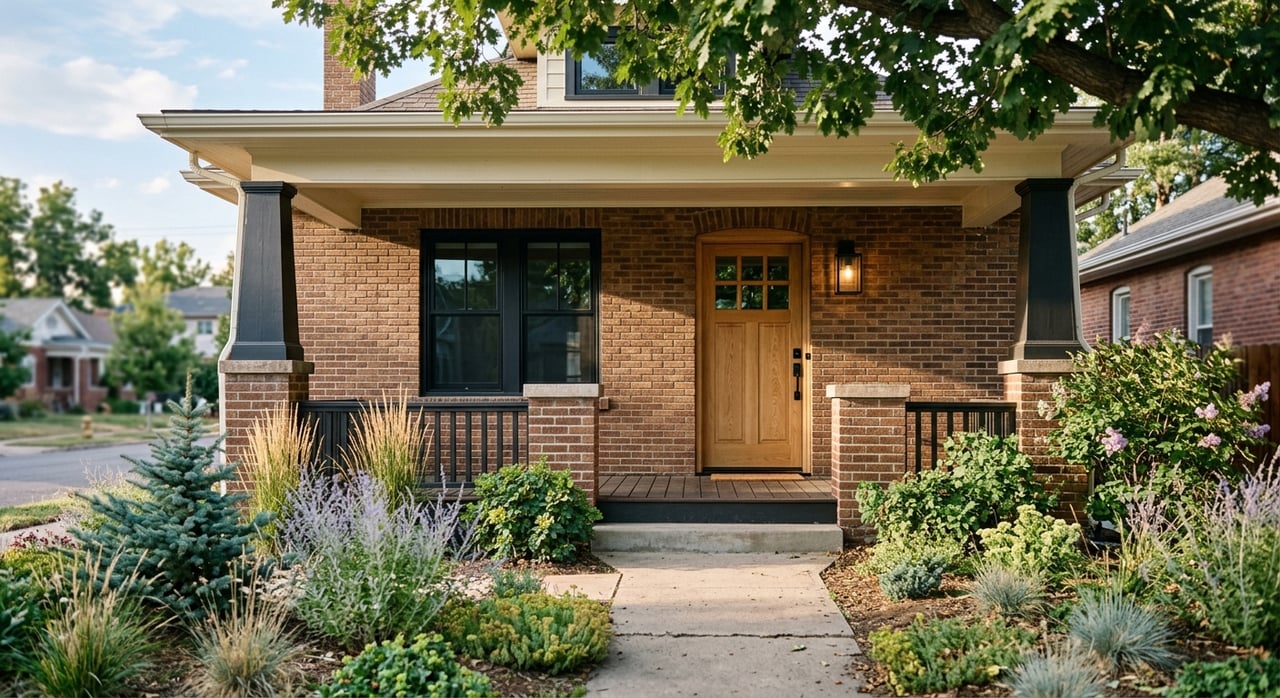
For sellers, this creates a clear opportunity. If your home has a porch, original details, mature setting, or an attractive relationship to the street, those features should be part of the story from the start.
Character still needs proof
Charm alone is rarely enough. Buyers may love an older home’s look, but they still want confidence in the property’s condition and function. Kitchens, baths, windows, roof, and major systems should be presented clearly so buyers understand what has been improved and what has been maintained.
That balance is especially important in Old Town. The goal is to preserve the emotional appeal of the home while removing uncertainty that could slow down offers or create pricing resistance.
Historic district details matter
If your property is in the Main Street historic district, or on an opt-in parcel, exterior changes may involve a city review process. Littleton code includes historic district designation language and historic appropriateness review by the preservation board. If you are planning exterior work before listing, it is wise to confirm what process applies before making changes.
What newer subdivision buyers value
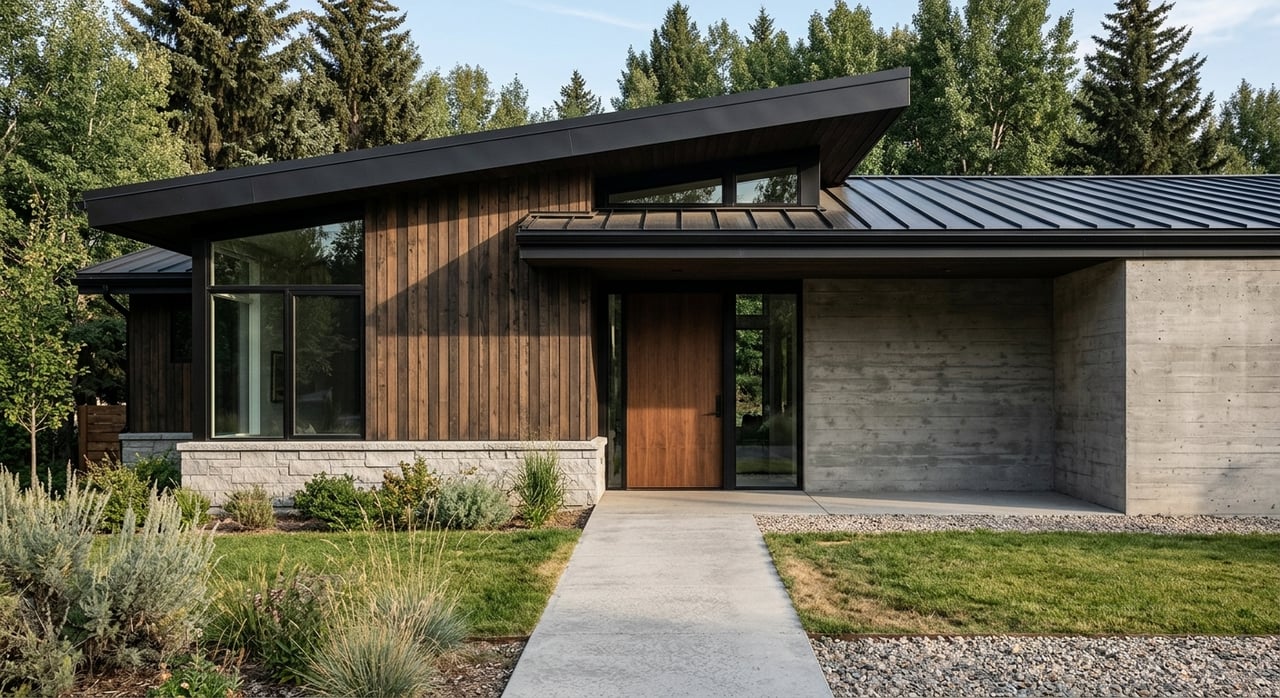
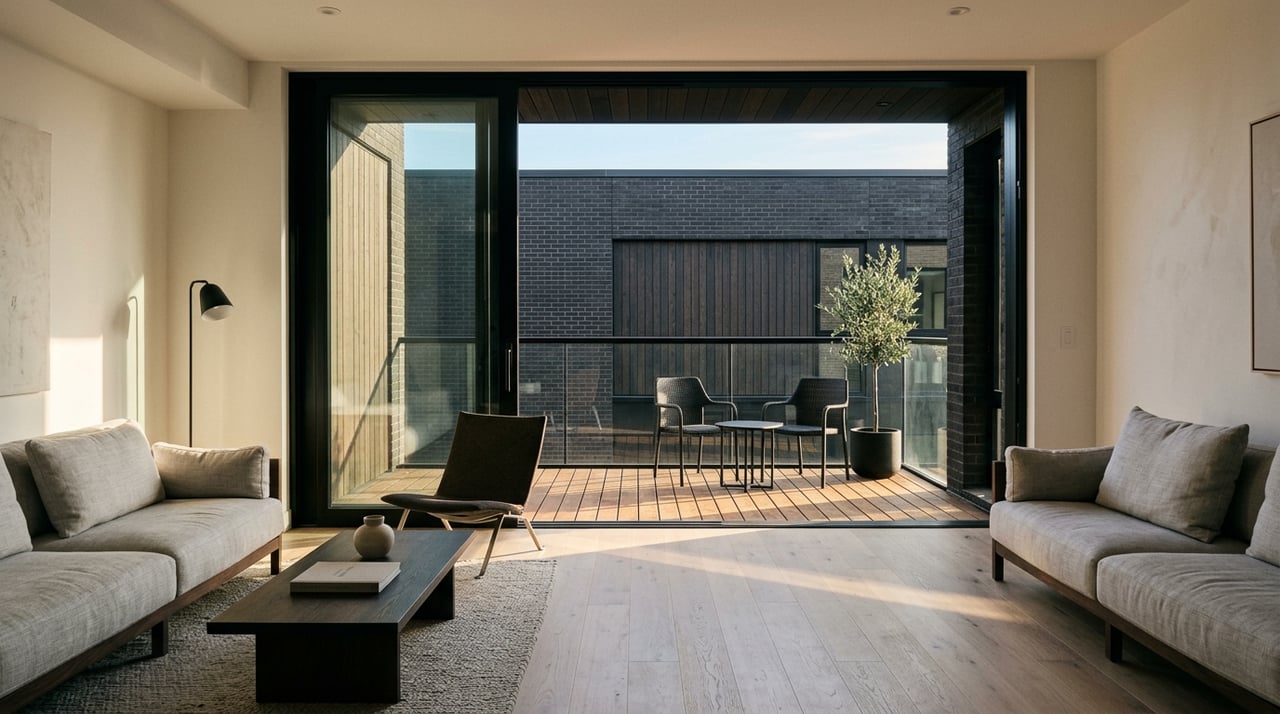
Buyers shopping newer Littleton neighborhoods often focus on function first. Listings and design standards in areas like Littleton Village and RiverPark point toward open layouts, attached garages, flexible-use rooms, paths, parks, and easier day-to-day living. These are practical features that can strongly shape buying decisions.
In many cases, these buyers want less guesswork. They may be looking for a more turnkey experience, more storage, better parking, or a floor plan that fits remote work, hobbies, or changing household needs.
That means your sale strategy should lean into usability. Instead of leading with age or style alone, it helps to show how the home supports everyday life.
Ease of ownership is the story
For newer homes, buyers often respond to a cleaner and more streamlined presentation. Open flow, organized storage, office or flex space, garage capacity, and outdoor living areas can all support a strong first impression. Community features also matter, especially when they are part of the design of the neighborhood.
In RiverPark-style planning, walkability and parking design are built into the experience of the community. In Littleton Village examples, paths, parks, covered entries, dog parks, and attached parking all help reinforce the value proposition. Those details should not be treated like background information in your marketing.
How your listing strategy should change
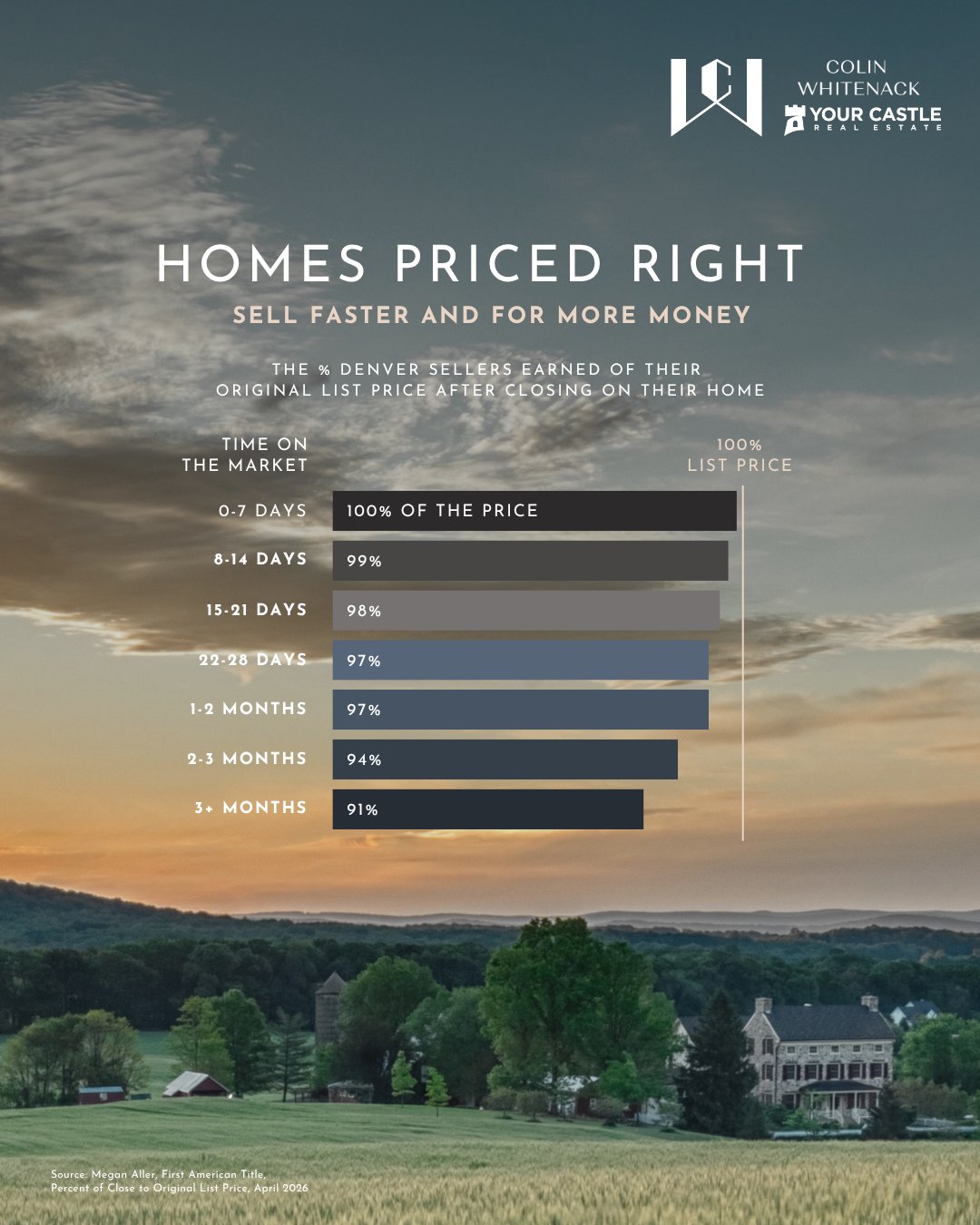
A seller in Old Town and a seller in a newer subdivision should not market their homes the same way. The strongest results usually come from matching the presentation to what buyers in that micro-market already care about. That starts with photos, staging, and the order of your listing story.
Old Town listing priorities
For an Old Town home, lead with the pieces that make the property feel rooted in place. That can include:
- Front elevation
- Porch or entry details
- Streetscape views
- Authentic architectural features
- Proximity to Main Street and transit access
Then support that character with proof of condition. Buyers should be able to quickly spot updates to kitchens, baths, windows, roof, and systems. If those items are buried, buyers may assume more risk than is really there.
Newer subdivision listing priorities
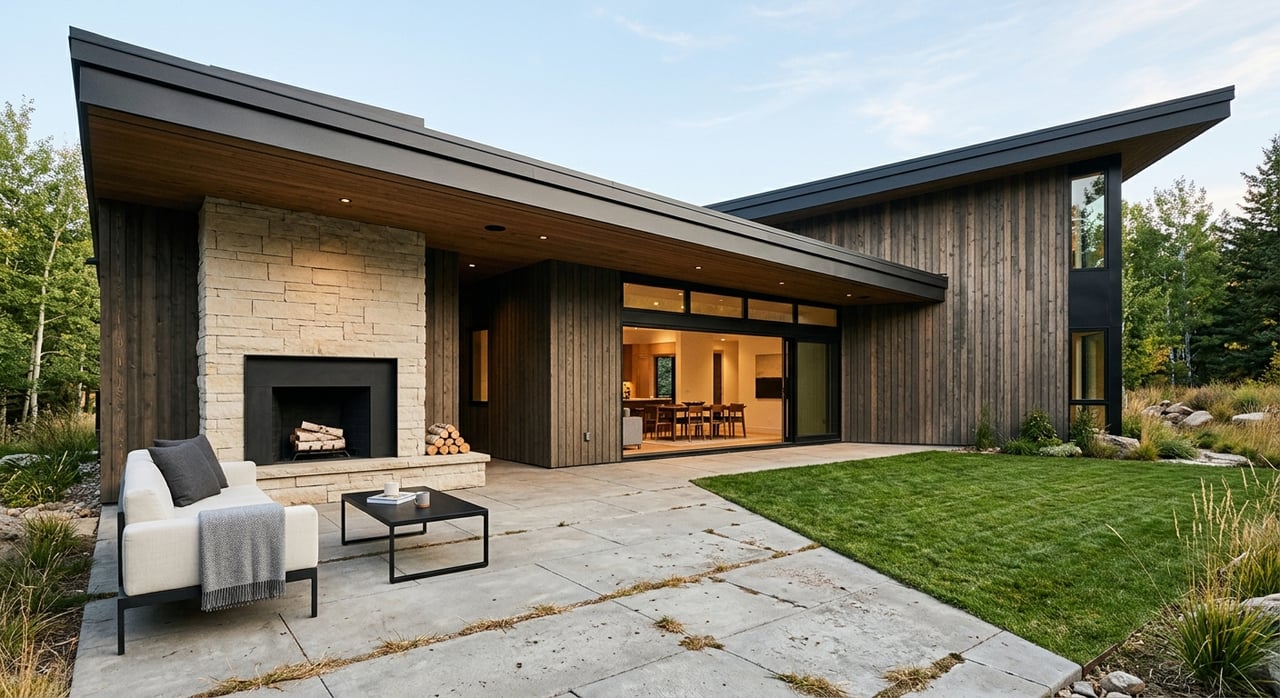
For a newer home, the emphasis usually shifts toward a turnkey lifestyle. The most useful highlights often include:
- Open-concept living areas
- Attached garage and parking capacity
- Flex room or office potential
- Storage and closet function
- Covered outdoor space
- Community paths, parks, or shared open space
The photos and staging should make the home feel clean, easy, and ready to use. Buyers in this segment are often comparing convenience as much as design.
Pricing works differently by area
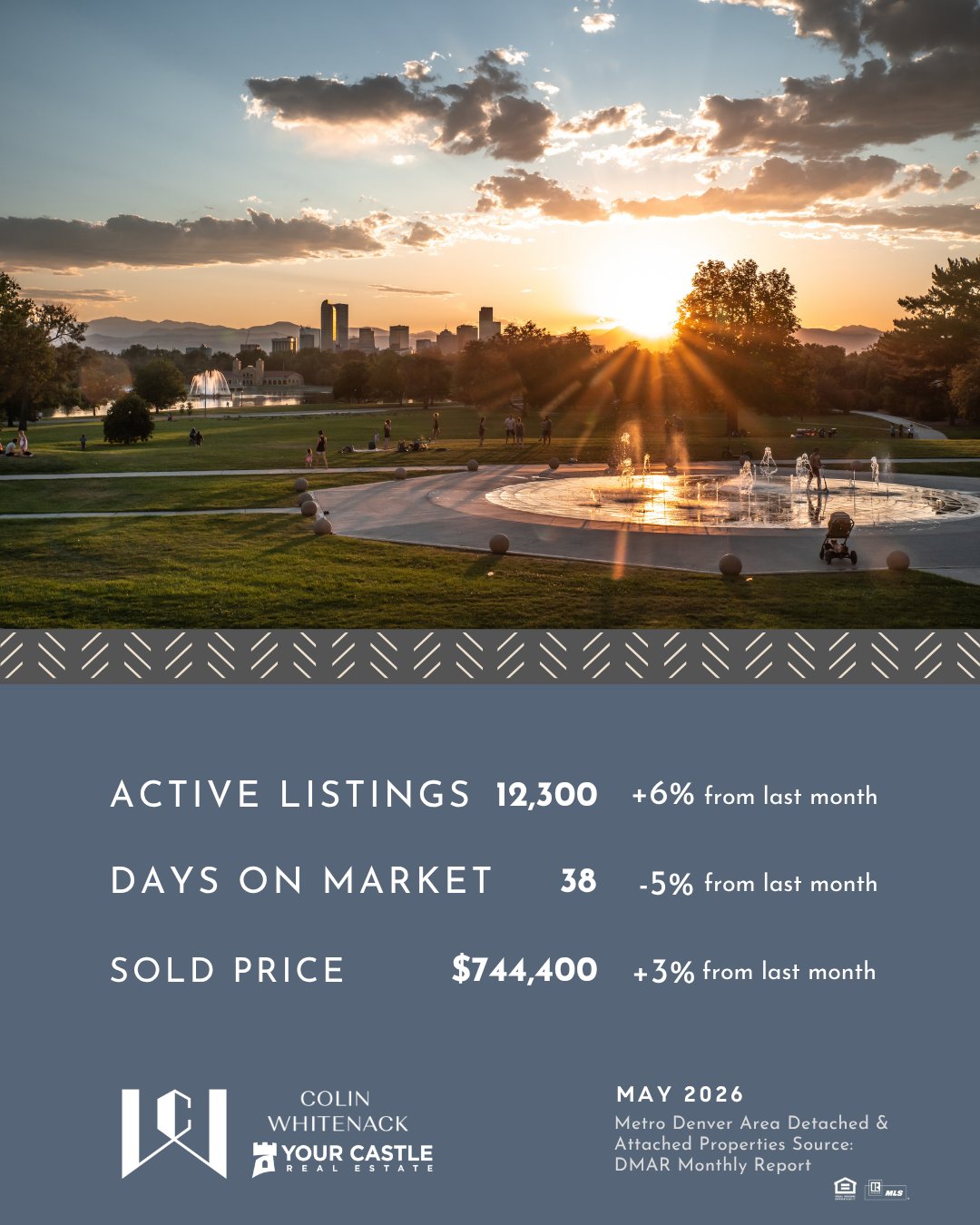
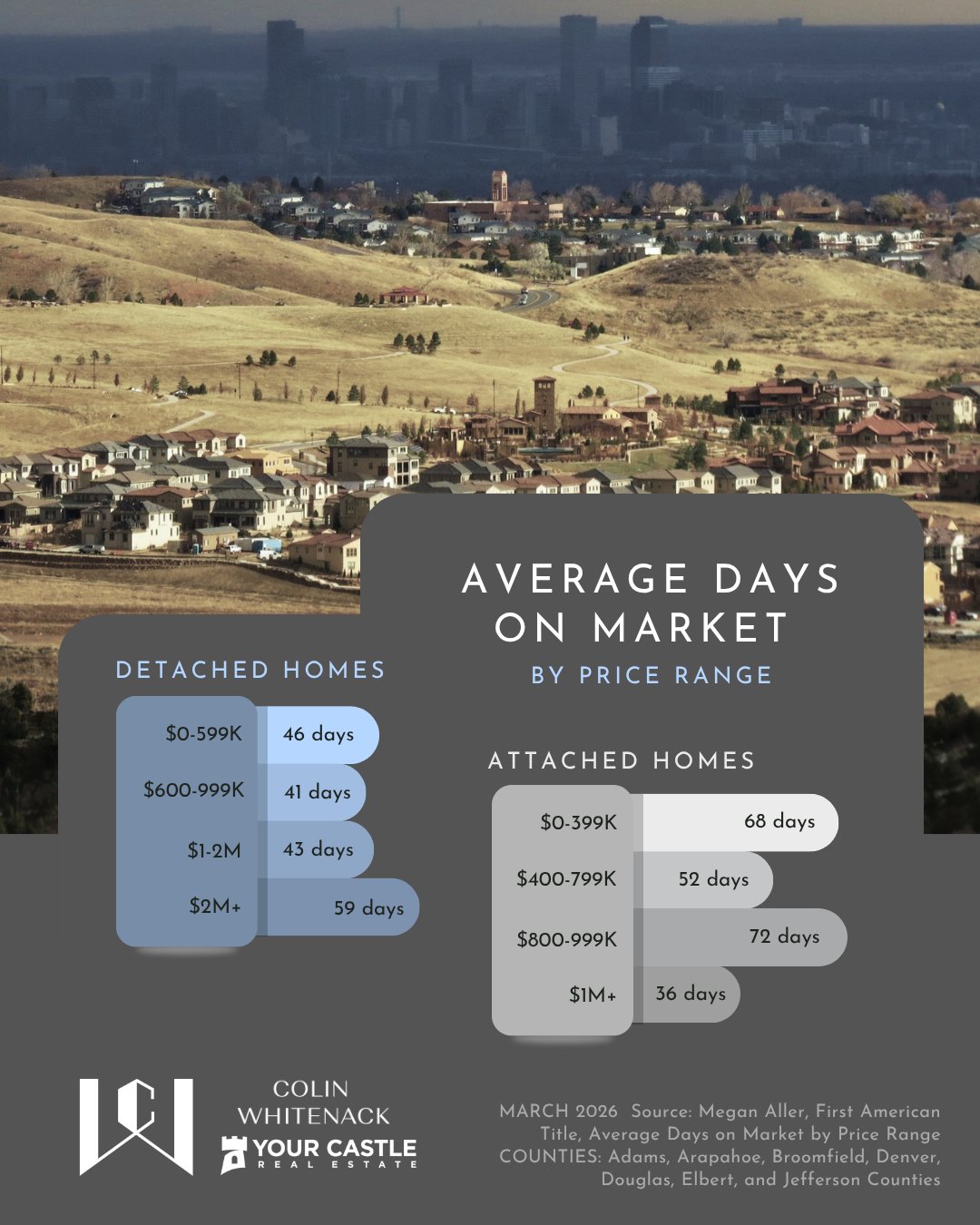
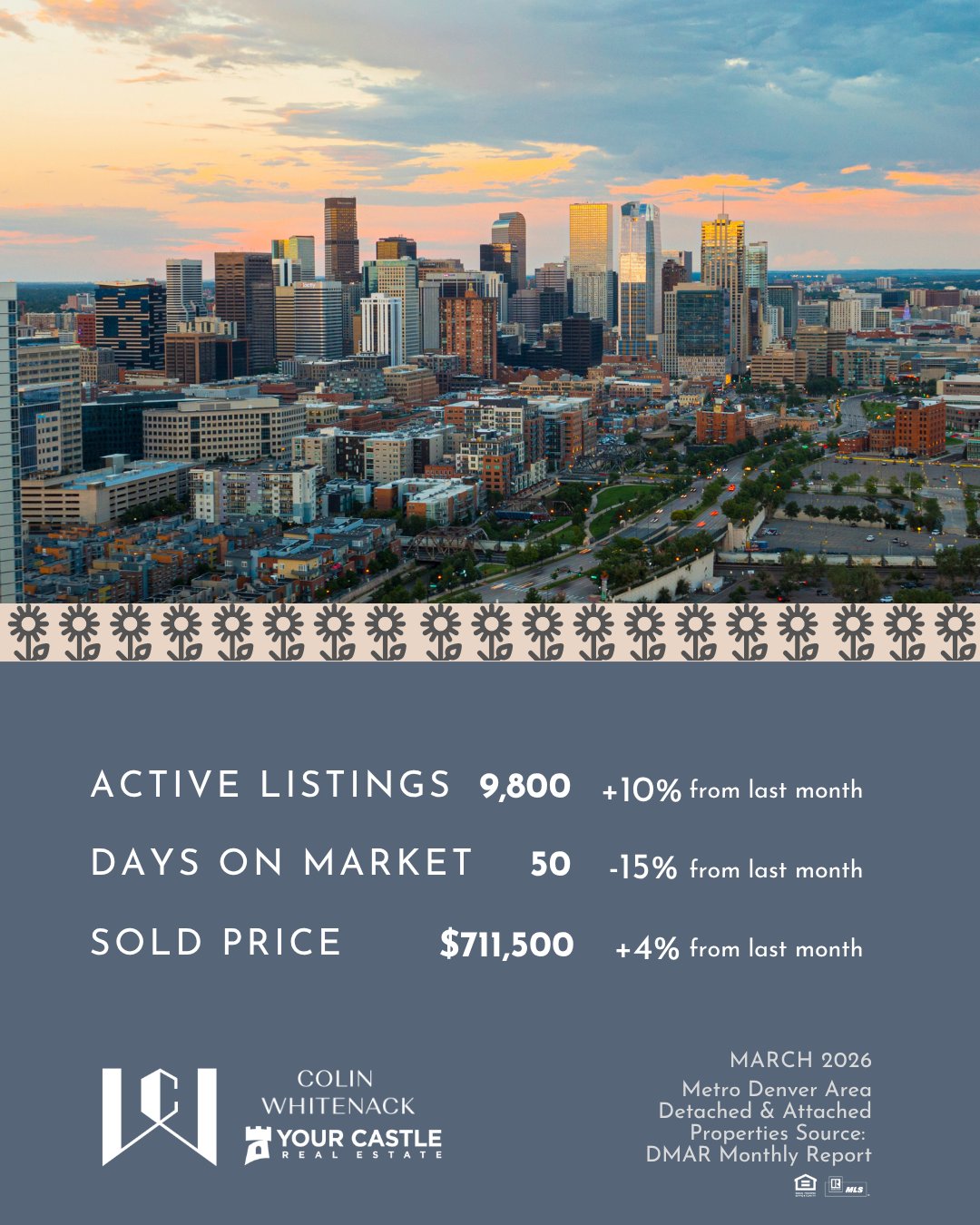
Littleton’s overall market gives helpful context, but it is not enough to price every property accurately. In a March 2026 snapshot, Littleton’s median sale price was $635,000, homes averaged about 18 days on market, and the market was described as very competitive with about two offers on average. That tells you the city is active, but it does not tell you how to price a historic cottage versus a newer townhome.
Neighborhood-level snapshots show why. Historic Downtown Littleton showed a sale price of $665,000, a sale price per square foot of $410, and 19 days on market. Littleton Village Townhomes showed a sale price of $863,000, a sale price per square foot of $264, and 40 days on market.
Those figures are not apples to apples. Housing types differ, and small sample sizes can distort the picture. Still, they point to an important pattern: Old Town can command a stronger price per square foot because of location and scarcity, while newer product can reach a higher total price when the floor plan, garage, and amenity package are strong.
Why micro-neighborhood comps matter
The safest pricing strategy in Littleton is to compare your home to the closest product type in the closest micro-neighborhood. A downtown condo, a historic bungalow, a newer townhome, and a detached home in a planned neighborhood may all sit within the same city, but they do not necessarily behave like the same market.
This is where sellers can get tripped up. Pricing off the city median alone may cause you to miss what buyers are actually paying for in your specific area. A sharper comp strategy usually leads to a more credible list price and stronger early-market traction.
Which features deserve attention before listing
If you want to improve your position before going live, focus on updates and presentation choices that fit your area’s buyer expectations.
For Old Town sellers
Before listing, consider whether buyers will have clear confidence in both charm and condition. Priorities may include:
- Tidying the front exterior and porch presentation
- Highlighting original details that remain intact
- Clarifying the age or update status of major systems
- Refreshing kitchens or baths if they distract from the home’s value
- Confirming any historic district process before exterior work
For newer subdivision sellers
In newer neighborhoods, buyers may respond best when the home feels simple, organized, and move-in ready. Priorities may include:
- Decluttering to show open flow
- Staging flex rooms with a clear purpose
- Showing garage usefulness, not just square footage
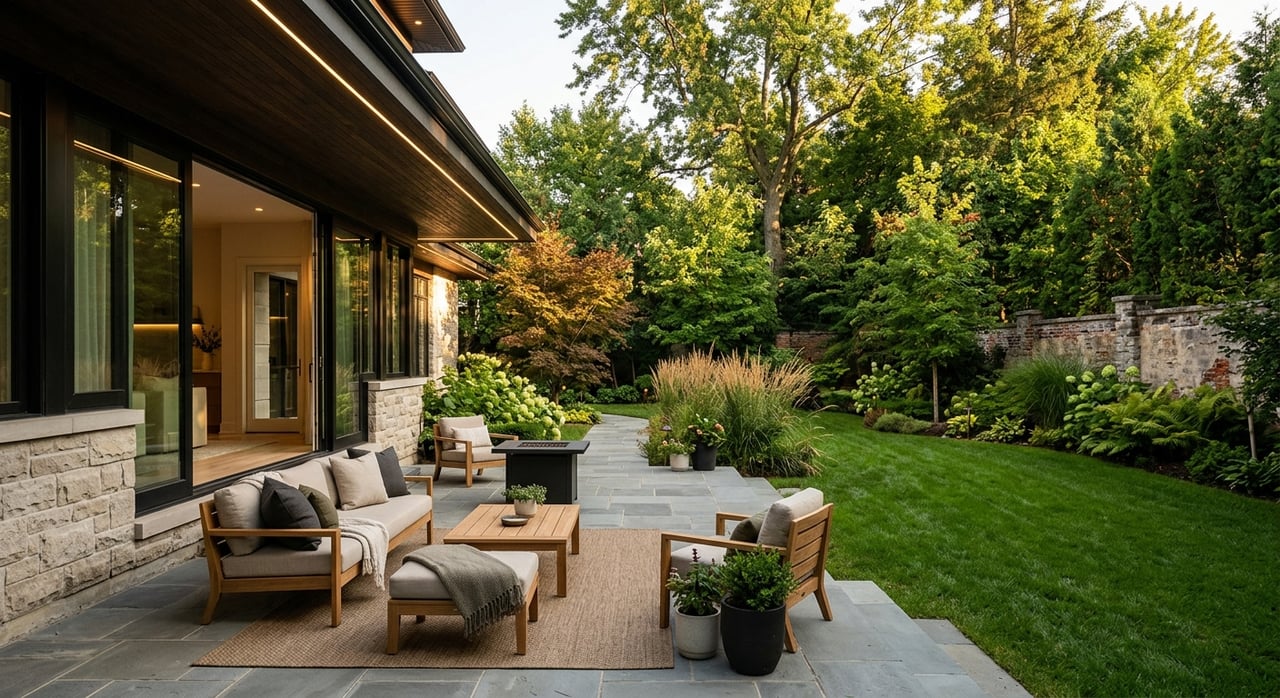
- Making patios, porches, or outdoor spaces feel usable
- Calling out paths, parks, and neighborhood connections in the marketing
The right story helps your home stand out
Selling in Littleton is not just about putting a home on the market. It is about understanding what kind of lifestyle your home represents and then backing that up with the right pricing and presentation. Old Town homes often sell best when they honor character and reduce condition concerns, while newer subdivision homes often perform best when they highlight function, ease, and community design.
If you’re preparing to sell in Littleton, a neighborhood-aware strategy can make a meaningful difference. From pricing and staging to the way your home is positioned online, the details should match the buyer expectations of your exact pocket of the market. If you want tailored guidance for your next move, Colin Whitenack can help you build a listing strategy around your home, your goals, and the part of Littleton you call home.
FAQs
How is Old Town Littleton defined for home sellers?
- Old Town Littleton is commonly understood as the Main Street historic district, generally located along the 2200 through 2700 blocks of Main Street.
What do buyers usually want in Old Town Littleton?
- Buyers in Old Town often value walkability, historic character, access to Main Street businesses, and proximity to transit.
What do buyers usually want in newer Littleton subdivisions?
- Buyers in newer Littleton neighborhoods often look for open layouts, attached garages, flexible rooms, paths, parks, and easier day-to-day living.
Should a Littleton seller price from citywide averages?
- No. Citywide numbers offer context, but the better approach is to use comps from the closest micro-neighborhood and the most similar home type.
Why can Old Town Littleton have a higher price per square foot?
- Old Town may command a stronger price per square foot because of location, walkability, and limited supply, even when total prices are lower than some newer homes.
What should a newer Littleton home listing emphasize?
- A newer Littleton listing should usually emphasize turnkey condition, layout, storage, garage capacity, outdoor living, and neighborhood amenities.