If you have checked your home's estimated value this year, the number probably felt reassuring. Wheat Ridge's median sale price sat around $608,000 as of January 2026, up a modest 1.3% from the year before. Steady. Unremarkable. The kind of number that makes a seller think the market has settled into something predictable.
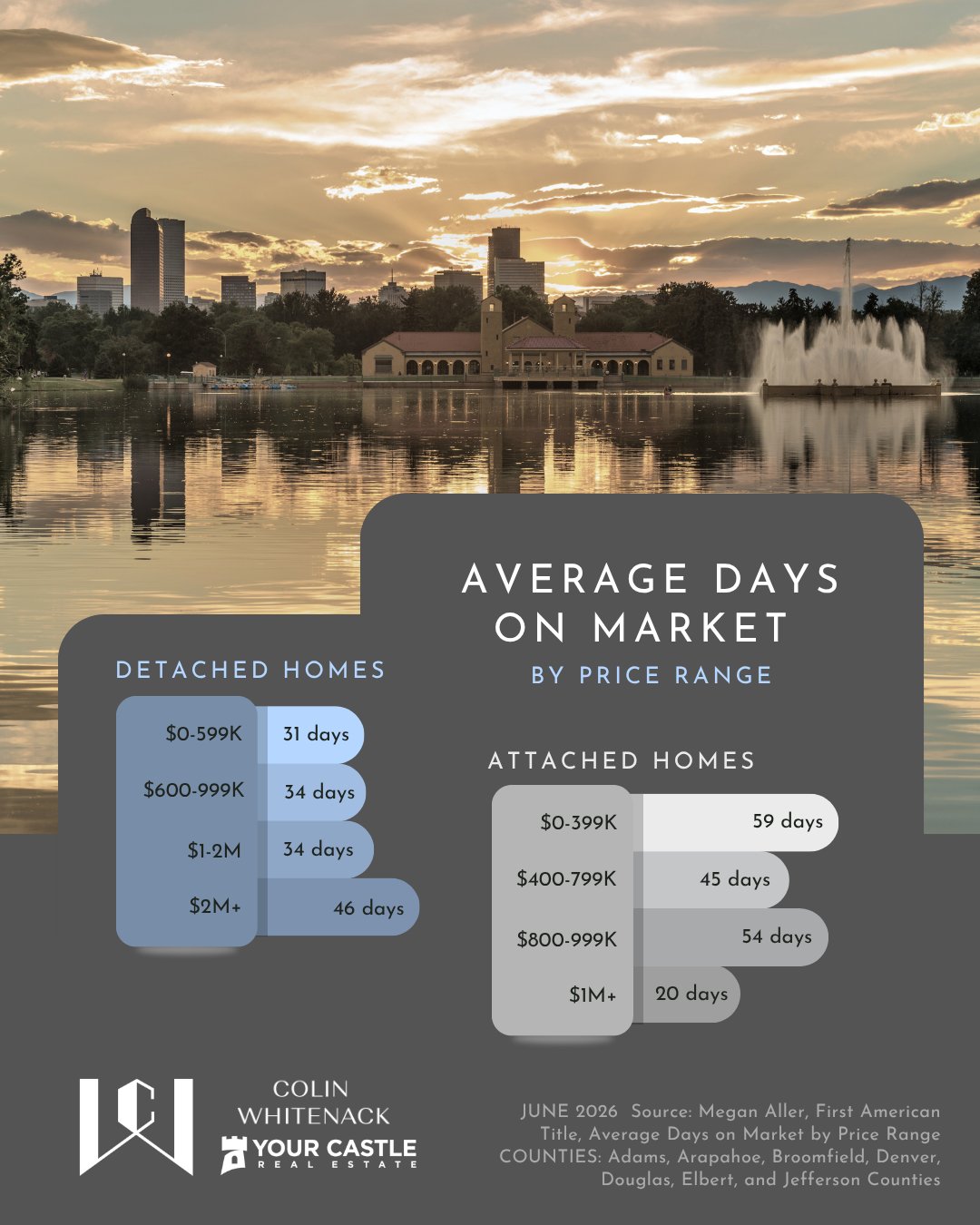
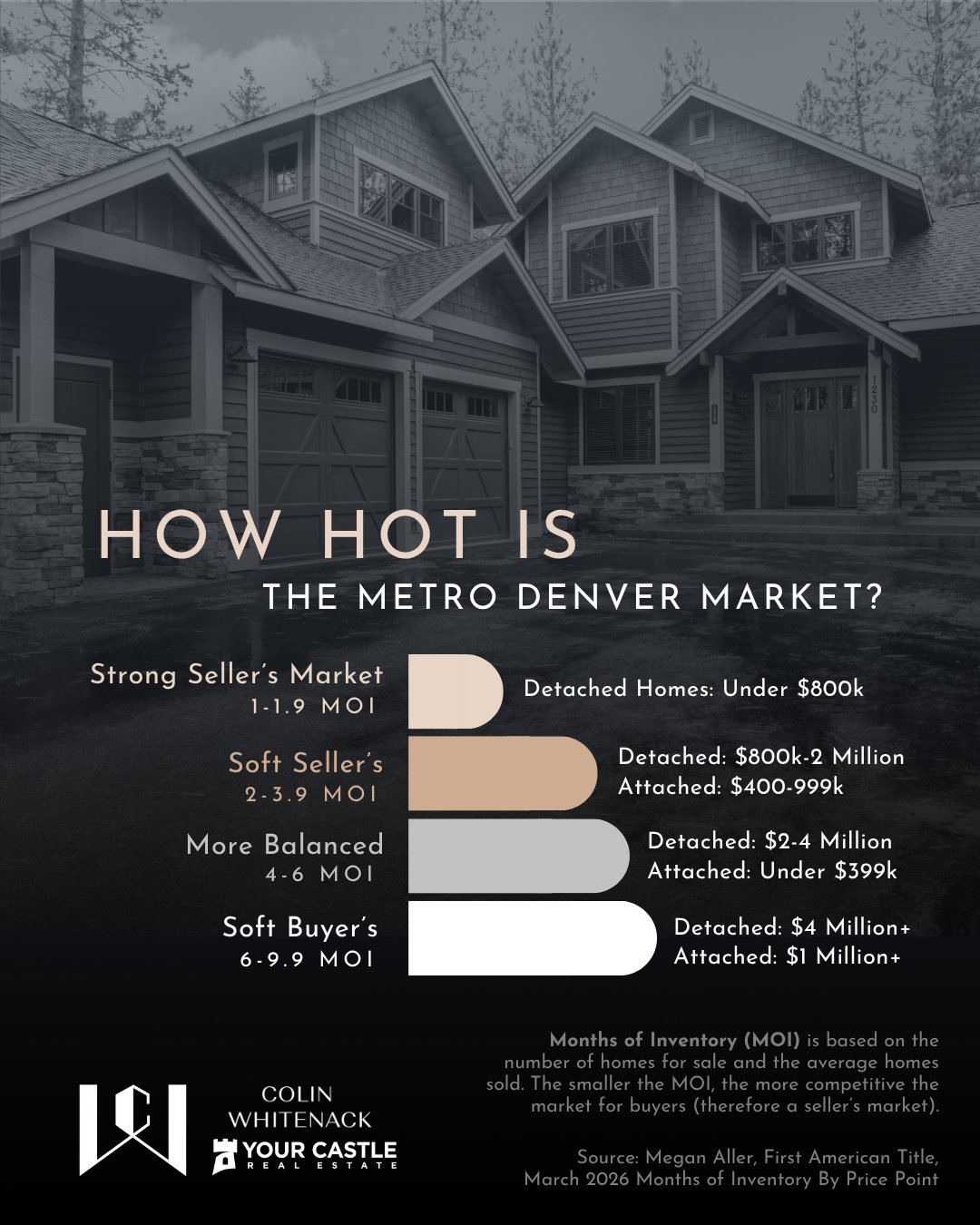
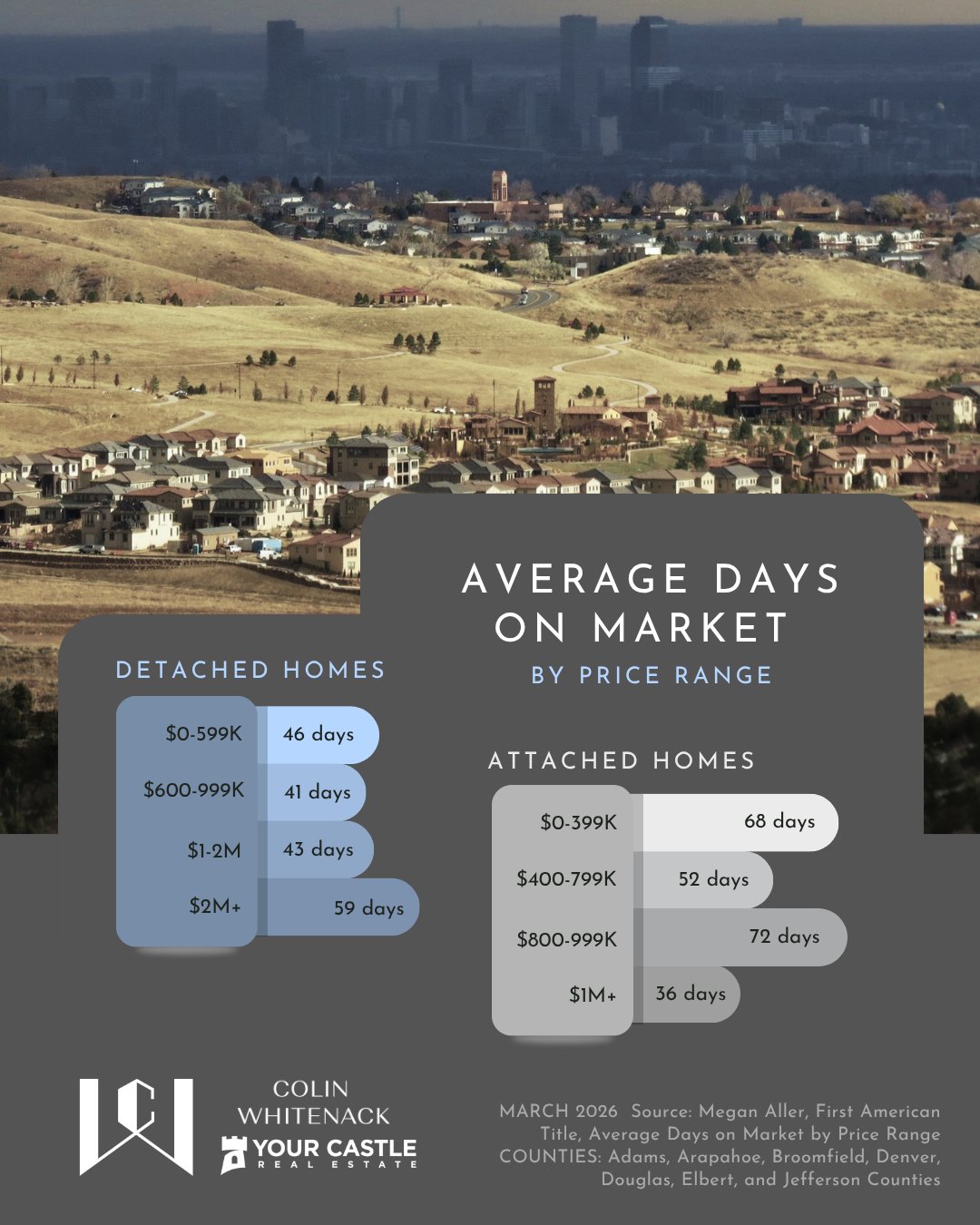
Here is what that number does not tell you. In that same window, the average Wheat Ridge home took about 85 days to sell, more than double the 37 days it took a year earlier. Fewer homes changed hands too, 27 in January 2026 compared with 31 the January before. Price held. Everything downstream of price slowed down.
That gap is the actual story for anyone getting ready to list a Wheat Ridge home this year, and it has less to do with buyer demand than with what buyers are finding once they get inside.
The Number Sellers Watch, And The One That Actually Moves
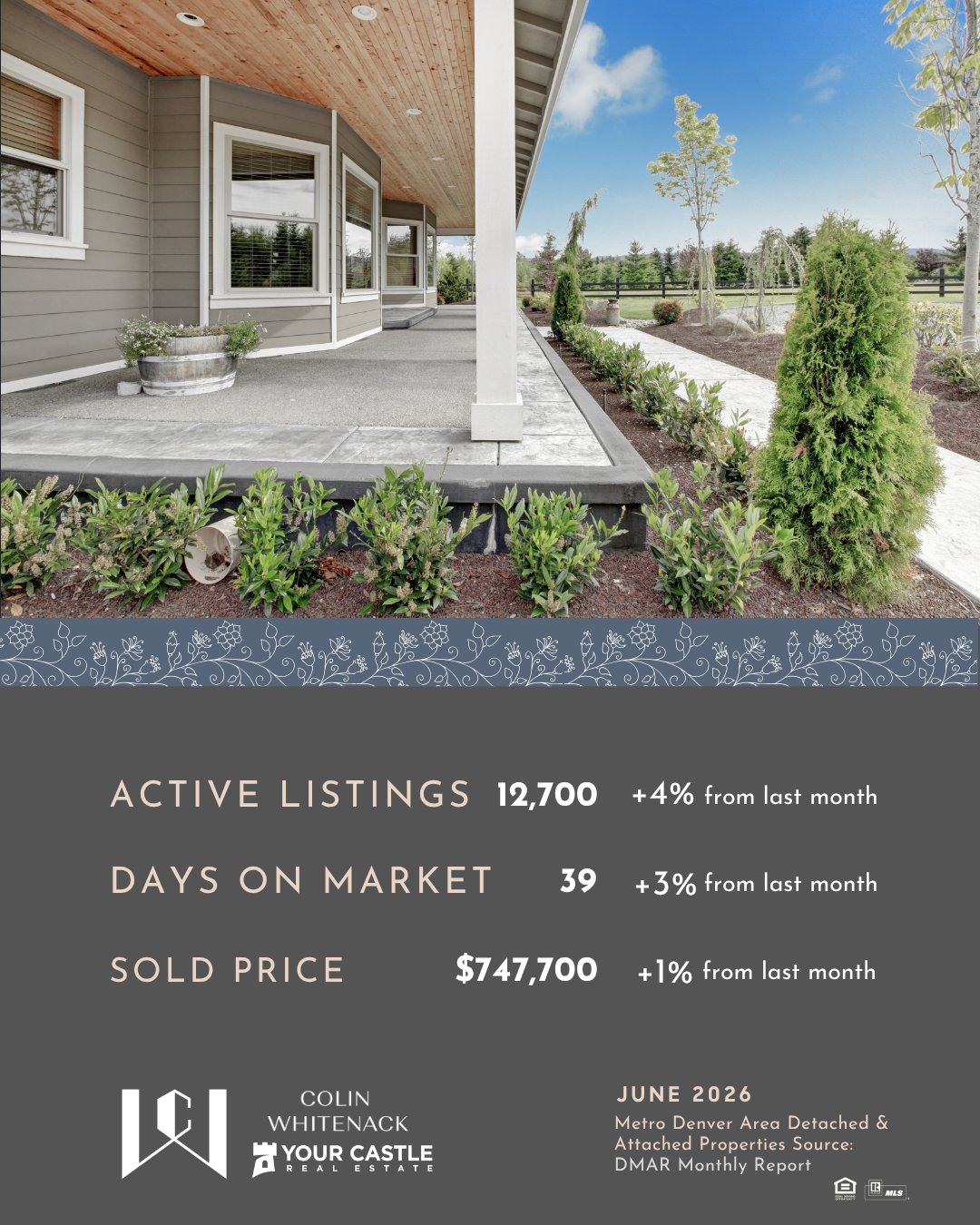
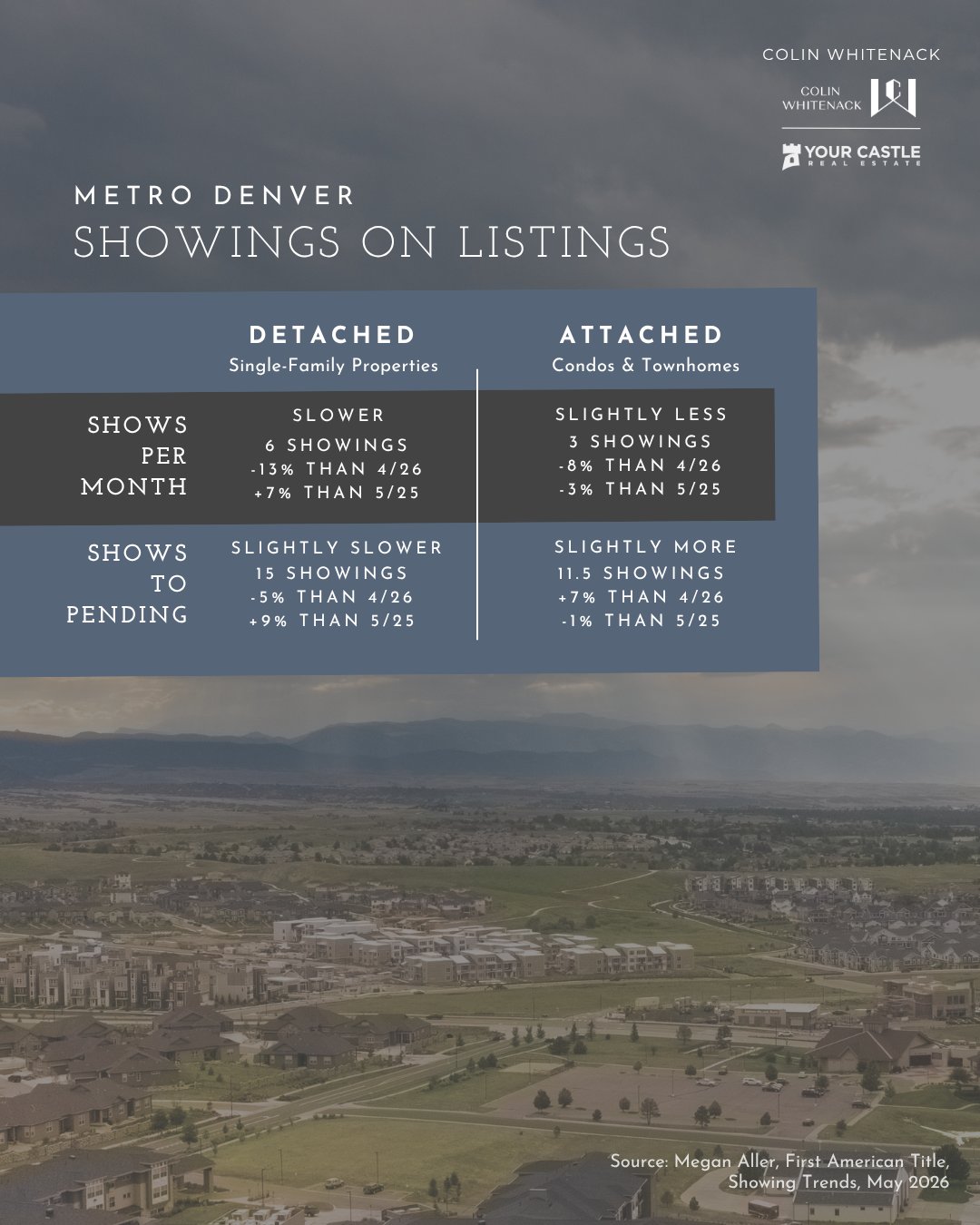
A flat median price with a stretched timeline usually means one thing: the deals that are happening are taking longer to close, not that fewer people want to buy. A local market update covering the first quarter of 2026 described the shift plainly, noting that pricing had held steady while homes were generally taking longer to sell than during the 2021 and 2022 peak years, with low but consistent inventory continuing to support values even as the pace slowed.
Low inventory keeps the price line flat. It does not keep the transaction line flat. Something is happening between accepted offer and closing table that is adding weeks to the average Wheat Ridge sale, and if you own one of the city's mid-century ranches, that something is probably sitting in your own basement or crawlspace right now.
Why Wheat Ridge Buyers Are Taking Longer To Say Yes
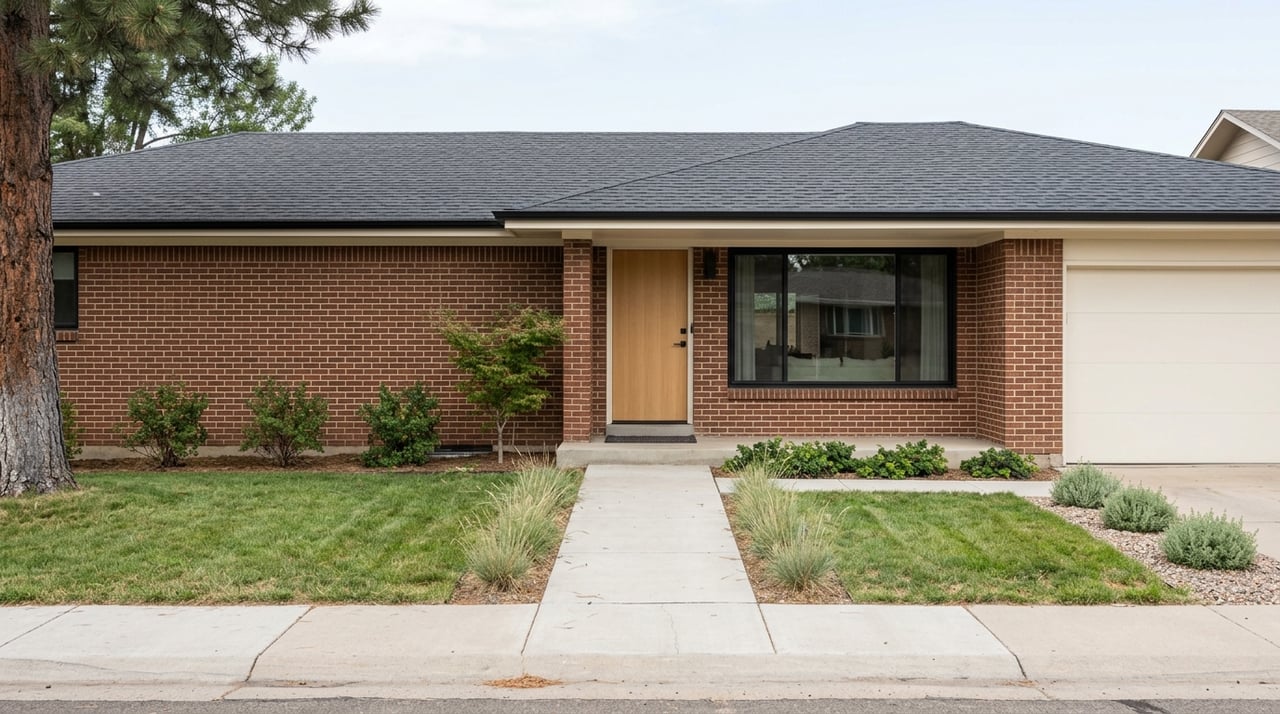
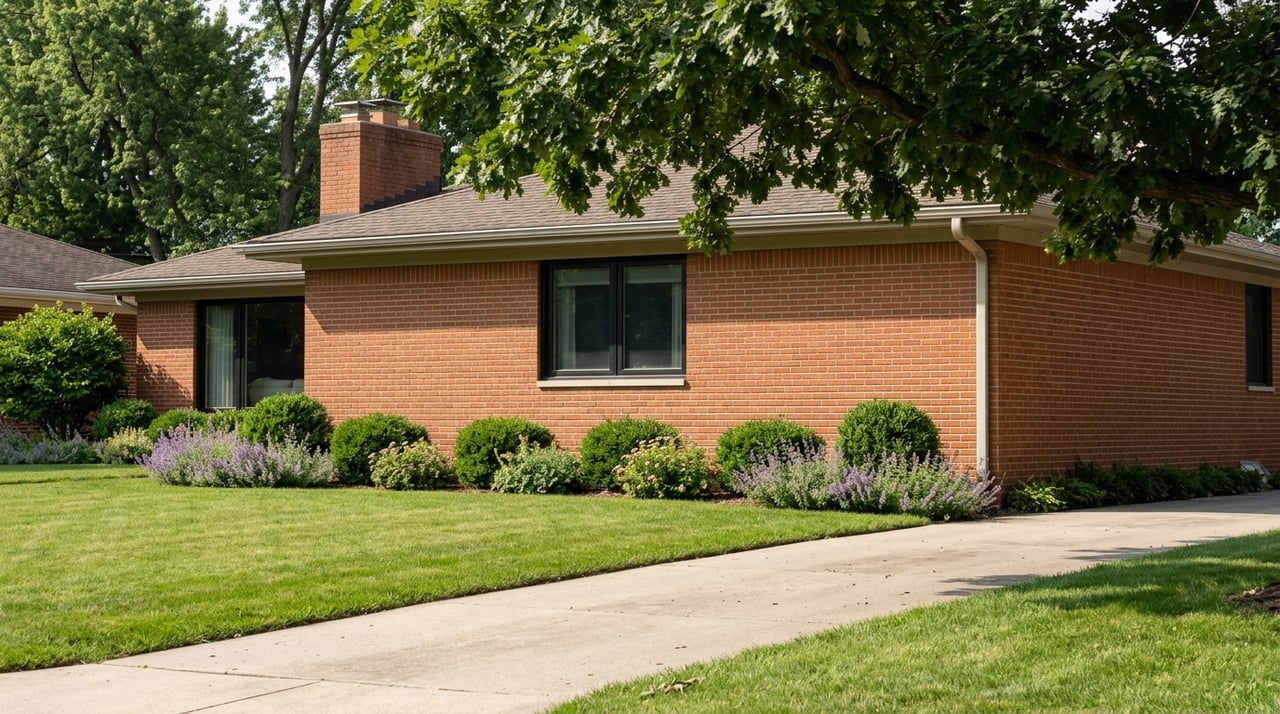
Roughly 82% of Wheat Ridge's single-family homes are ranch-style, a legacy of the city's building boom between 1950 and 1970. That era shaped named pockets across the city that still show up in listings today: Bel Aire, Applewood Villages, Barths, Kipling, and Hilltop Estates all trace back to that same postwar wave of construction.
Those homes have good bones, and they have age. Two systems in particular tend to draw out a Colorado inspection objection period rather than closing it quickly.
Galvanized steel supply piping was standard practice into the 1980s, and it corrodes from the inside in a way that does not always show up as a visible leak until a buyer's inspector specifically tests water pressure and flow. Sewer laterals from the same era are typically clay tile or cast iron, materials that inspectors and plumbers across the west Denver area consistently flag for root intrusion and cracking in older neighborhoods with mature trees, which describes most of Wheat Ridge's original tree canopy neighborhoods well.
Neither issue is disqualifying. Both are exactly the kind of thing a 2026 buyer, working with a lender and an agent who has seen this pattern before, is going to want resolved or credited before they release their inspection contingency. That negotiation, not a lack of interest, is where a chunk of the extra 48 days is going.
| System | Typical era in Wheat Ridge | What buyers commonly request |
|---|---|---|
| Galvanized supply lines | Pre-1980s | Repipe estimate or price credit |
| Clay or cast-iron sewer lateral | 1960s-70s construction | Sewer scope report, repair or replacement credit |
| Indoor radon | Any age, common statewide | Test results, possible mitigation |
| Roof shingle installation | Any post-storm replacement | Proof of permit and inspection |
The Radon Disclosure Nobody Explains Until It's Too Late
Colorado's radon disclosure law, effective since 2023, requires every residential sales contract or property disclosure to state whether a radon test has ever been performed on the home, and if so, to share the actual results. Once you know a number, you have to share it. That single rule changes how a lot of sellers think about testing before they list.
Jefferson County's own radon data, drawn from more than 11,700 tests, puts the countywide average around 5.4 picocuries per liter, above the EPA's action level of 4.0 pCi/L where mitigation is recommended. Statewide, roughly half of all radon tests in Colorado come back above that same threshold. None of that means your specific ranch has a problem. It does mean a buyer's own test, taken during their inspection window, has a real chance of coming back elevated, and at that point you are negotiating on their timeline instead of yours.
Testing before you list does not create a problem that was not already there. It just moves the conversation earlier, when you have room to get a licensed mitigation professional in, typically a $1,500 to $3,500 job, rather than negotiating a $1,200 to $1,800 closing credit under pressure with a deadline attached. Colorado has required radon professionals to be licensed by the state since 2022, so this is not a job for a handyman fix, but it is also not the multi-week ordeal sellers sometimes imagine.
The Roof Detail Out-of-Area Contractors Miss
Wheat Ridge enforces a roofing standard that catches a surprising number of sellers off guard, particularly if a previous hailstorm claim was handled by a contractor from outside the city. Local code requires six nails per shingle, more fasteners than most neighboring jurisdictions require, and it has mandated a mid-roof inspection since December 2014, meaning an inspector checks the underlayment, ice and water shield, flashing, and fastener pattern before the rest of the shingles go down.
If your roof was replaced after a storm and the contractor skipped the local permit or the mid-roof inspection, that gap does not usually surface until a buyer's inspector or an appraiser asks for documentation you cannot produce. The city's Building Division, at 7500 W 29th Avenue, can confirm what was actually permitted on your address, and its permit portal, OpenGov, launched in January 2025 and consolidated records that the city says reach back to 1969 for many properties. Pulling that history before you list is a fifteen-minute errand that can save you a renegotiation later.
What This Means If You're Listing This Fall
None of this points to a soft market. It points to a slower, more thorough one, where buyers who remember the 2021 and 2022 bidding wars are now taking the time to check the things those markets let them skip. If you're preparing to sell a Wheat Ridge ranch, the version of preparation that actually shortens your timeline looks like this:
- Pull your permit history from the city's Building Division before your first showing, not after an offer.
- Get a sewer scope done ahead of listing if your home still has its original lateral. It costs a fraction of what a mid-contract renegotiation does.
- Have a licensed radon professional test the home early enough that mitigation, if needed, is finished before your first open house.
- If your roof was replaced after storm damage, confirm the permit and mid-roof inspection are on file, or budget time to resolve it before you go live.
Do that work up front and you are not eliminating the diligence a 2026 buyer is going to do. You are just making sure it happens on your calendar instead of theirs, which is the difference between a 37-day close and an 85-day one.
A Few Questions Wheat Ridge Sellers Ask Us
If I test for radon before listing and it comes back high, doesn't that hurt my price? It gives you options a mid-contract discovery does not. You can mitigate on your own timeline, price the home accordingly, or disclose with a completed mitigation certificate in hand, all of which tend to move faster than a buyer's inspection objection with a deadline attached.
How far back do Wheat Ridge's permit records actually go? The city has said records exist from 1969 forward across several of its systems, now consolidated in the OpenGov portal launched in January 2025. Work completed before that year may have thinner documentation, which is worth knowing before you tell a buyer a system was "updated."
Is a sewer scope legally required to sell a home in Wheat Ridge? No, standard Colorado home inspections do not automatically include one. Given how common original clay and cast-iron laterals still are in the city's 1950s-70s ranch stock, most local buyers request one anyway, so having your own report ready tends to keep the conversation shorter.
If you're weighing when to list a Wheat Ridge ranch, or want a read on how your specific block compares to what's currently moving, Colin & Company can walk through it with you. Let's Connect.