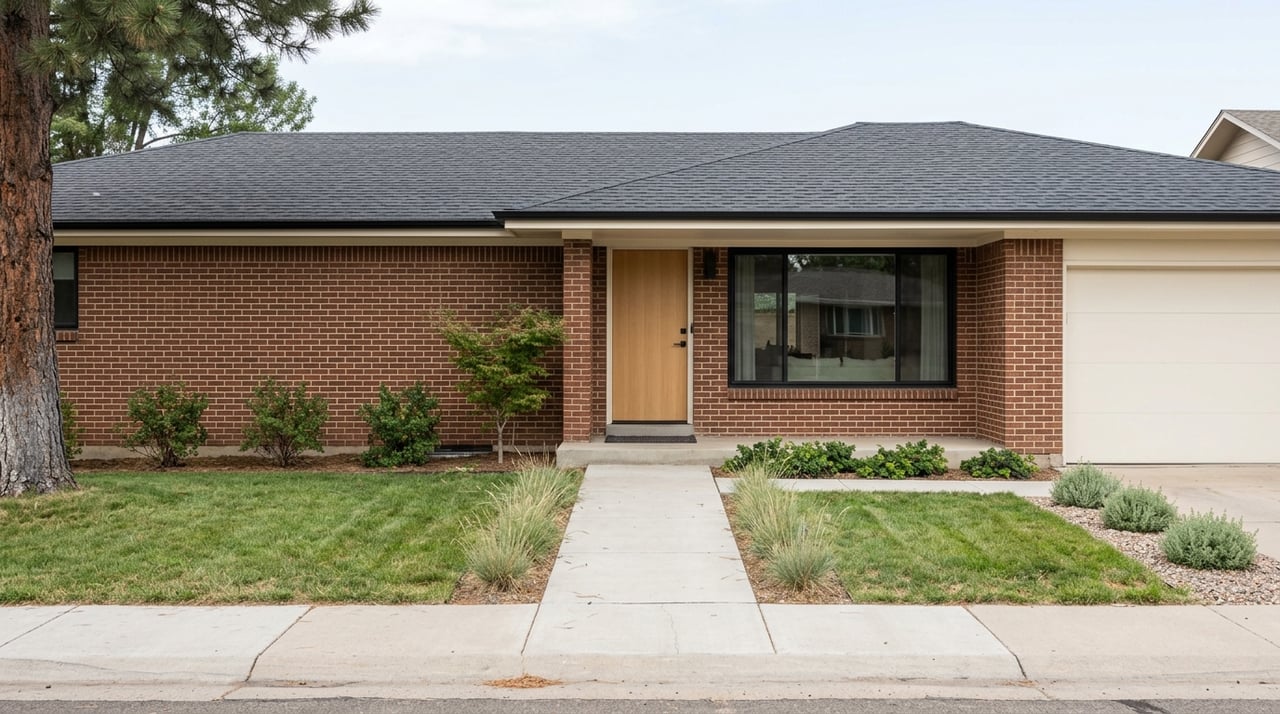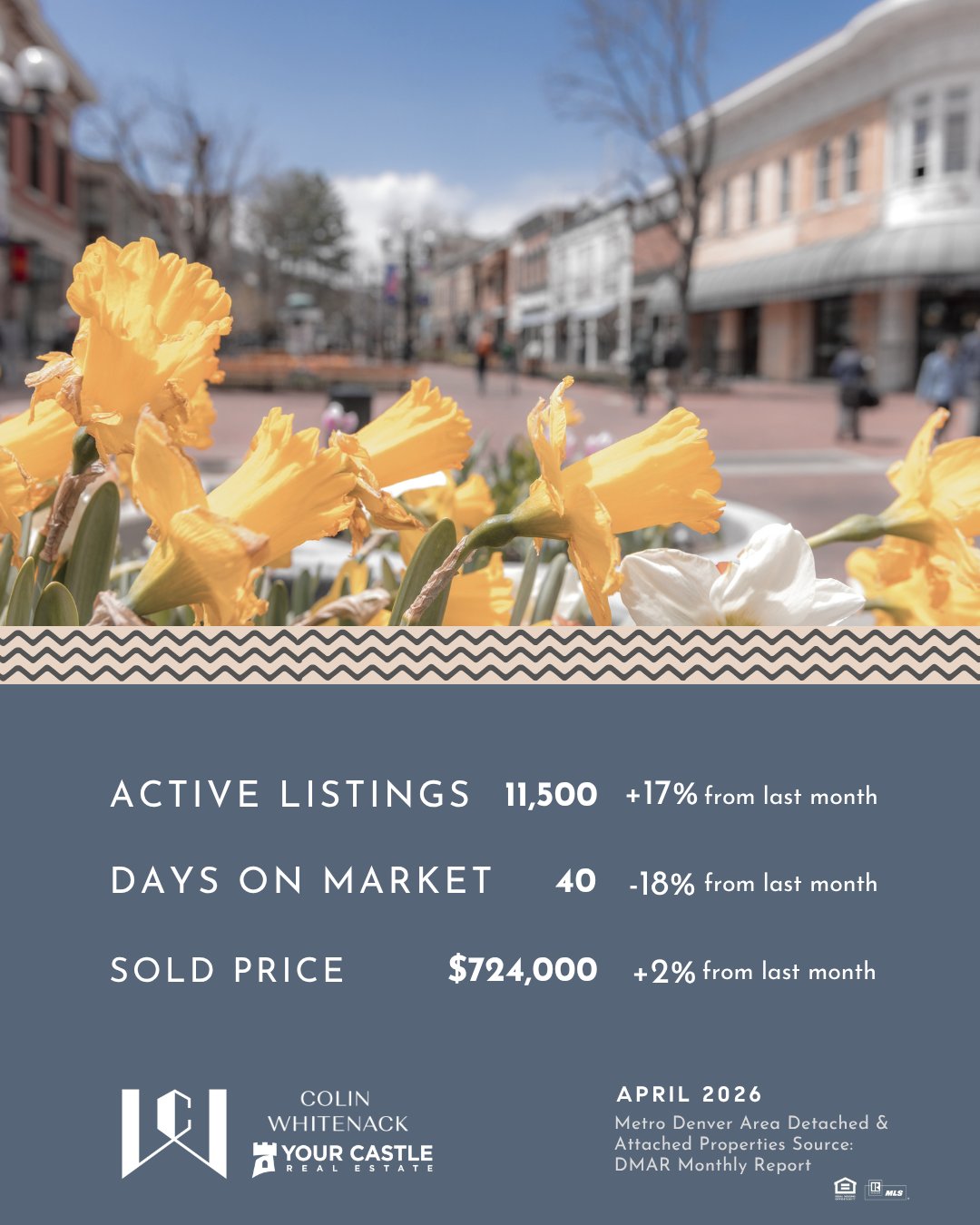
Pull up five different sites for Washington Park home prices in the same week and you'll get five numbers that don't agree with each other by more than a house's worth of money. Redfin's March 2026 snapshot put the median sale price at $1.475 million, based on 42 closings. Realtor.com's April 2026 summary showed a $1.6475 million median sold price but a $2.0225 million median list price, the same month DMAR reported the entire Denver metro closing at a median of $605,000. Movoto's May 2026 figure was $1.699 million. A trailing 30-day snapshot from Orchard, pulled from just 10 sales, showed $1.59 million, up 99.5 percent year over year. Meanwhile, a few blocks west, Redfin's own data for Washington Park West showed a median sold price of $881,000 over the three months ending July 2026, and Zillow's typical home value for that same sub-area sat at $870,858.
None of these numbers are wrong. They're each describing a real slice of sales. The problem is that Washington Park isn't one market wearing one price tag. It's two distinct pricing logics operating on the same streets, and which one shows up in a given month's median depends entirely on what happened to close.
The Bungalow That's Priced as Dirt, and the One That Isn't
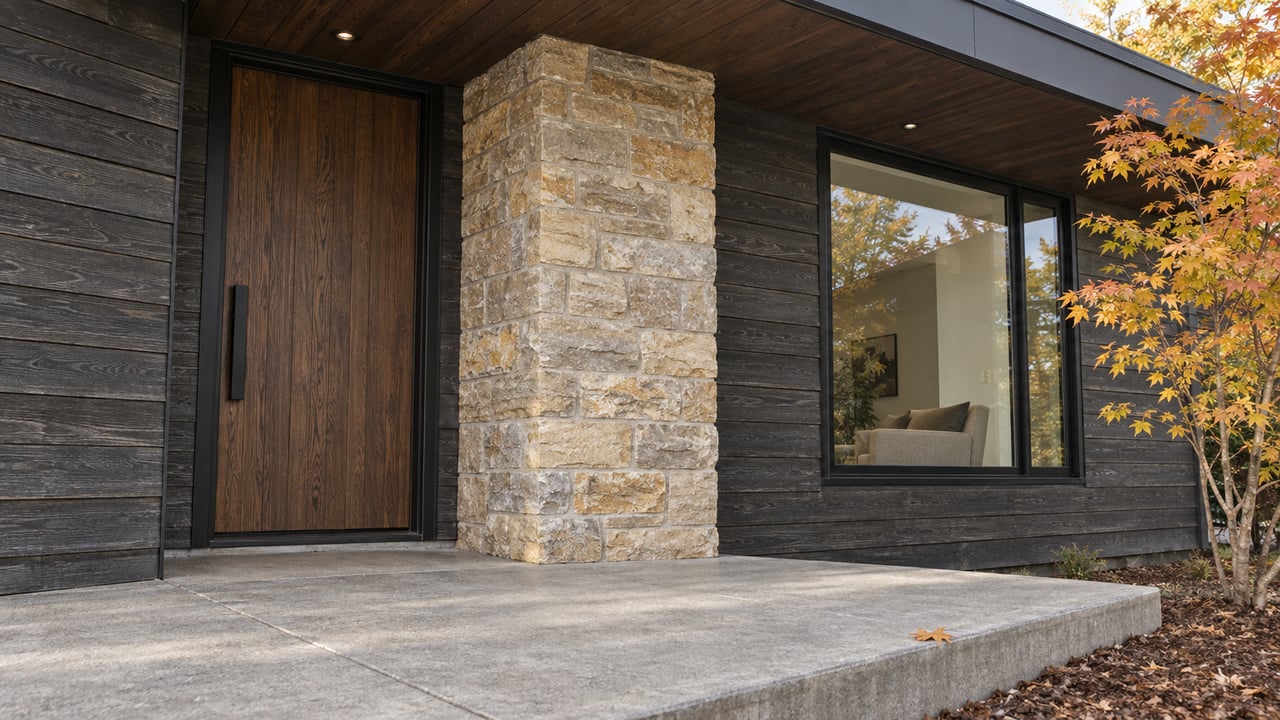
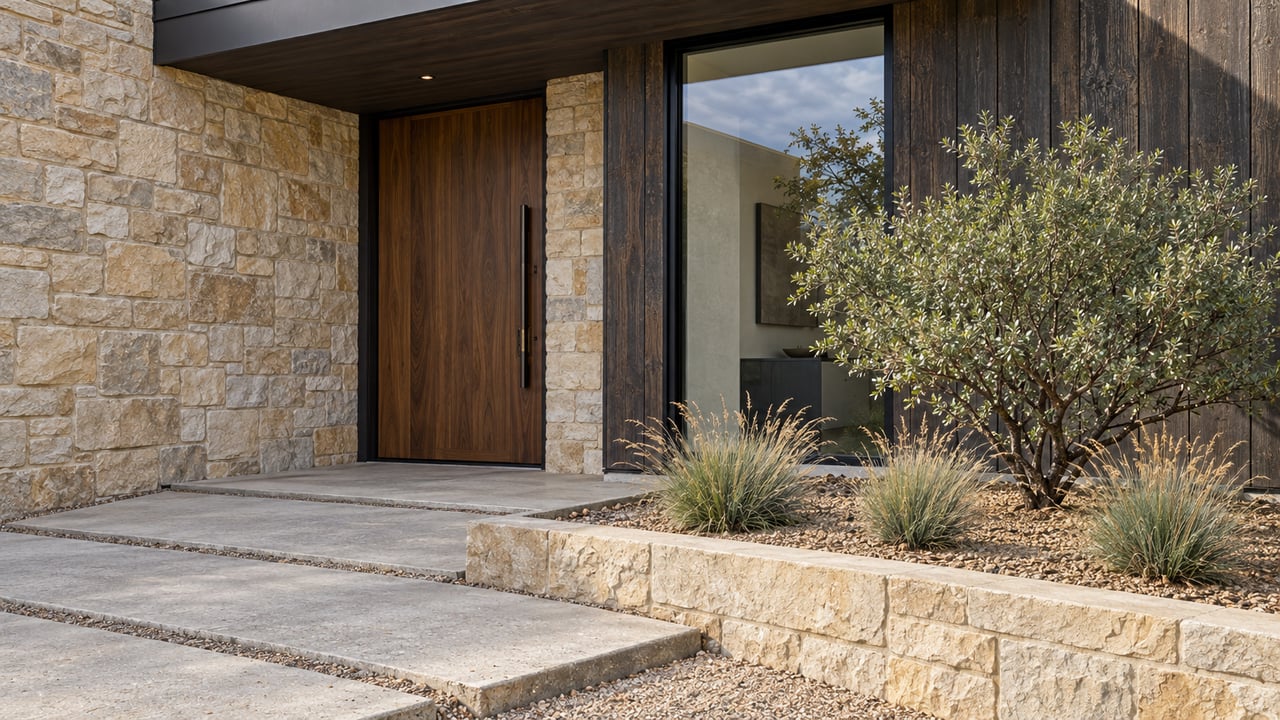
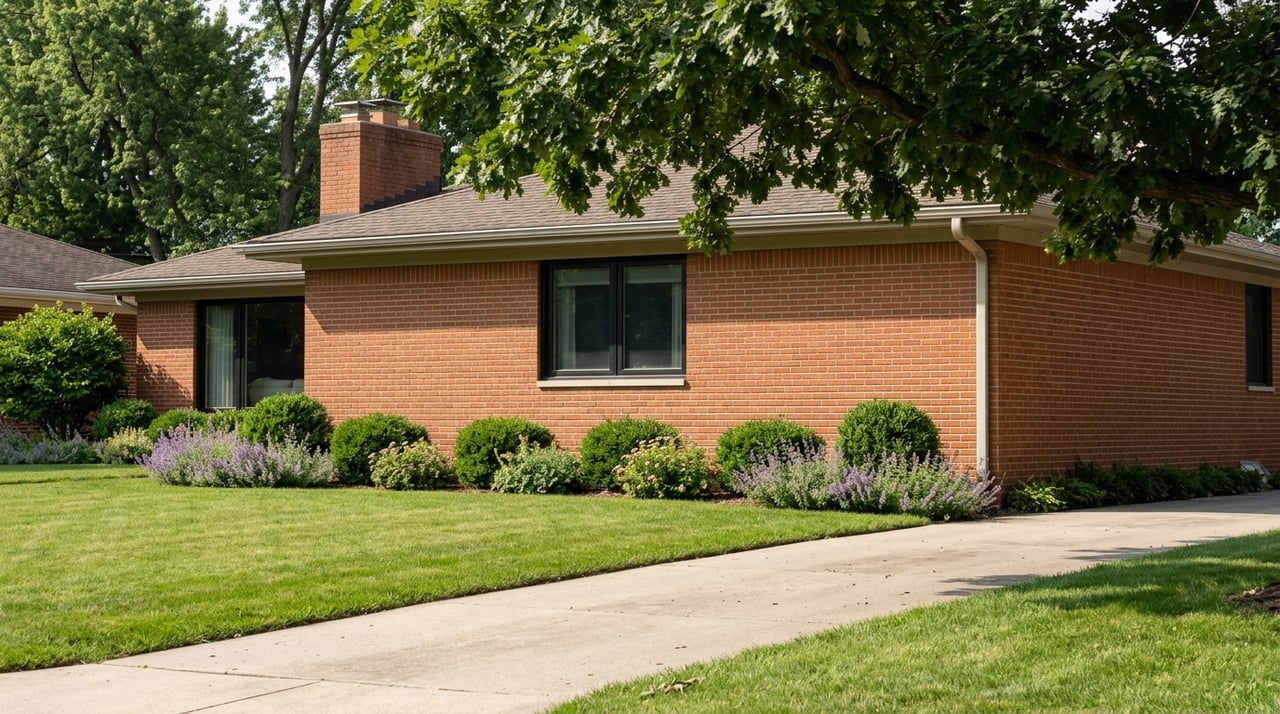
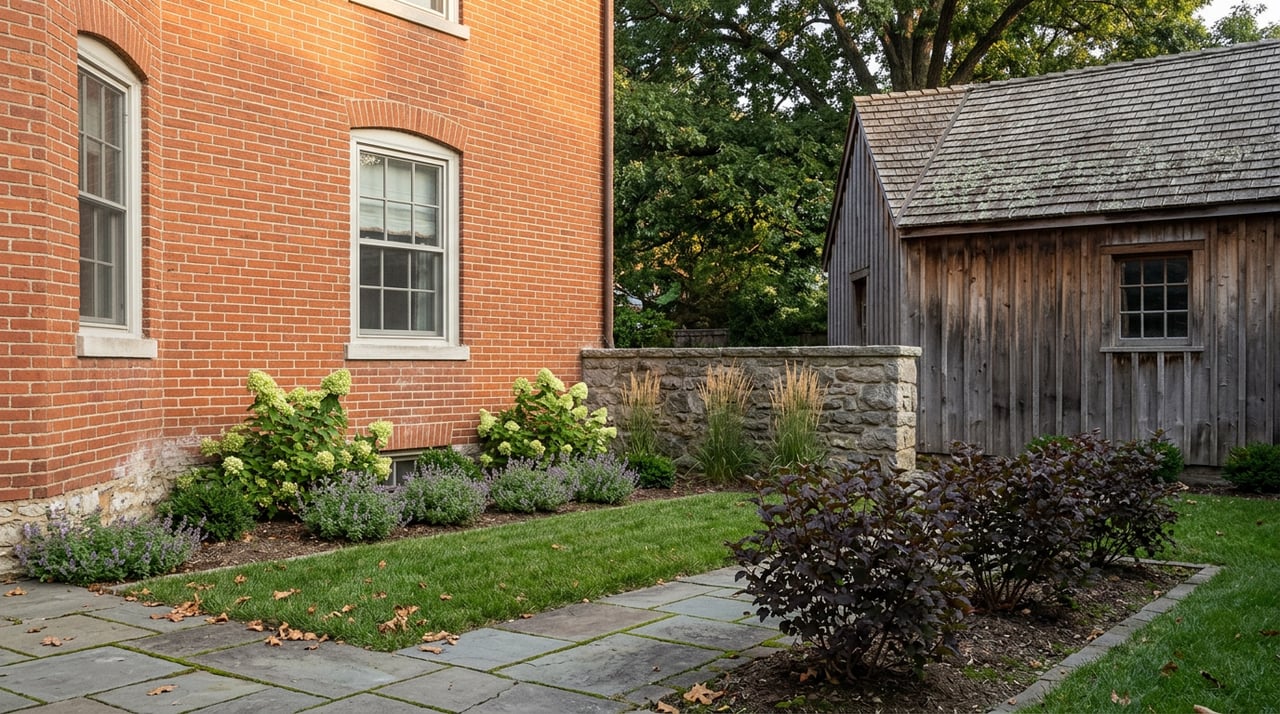
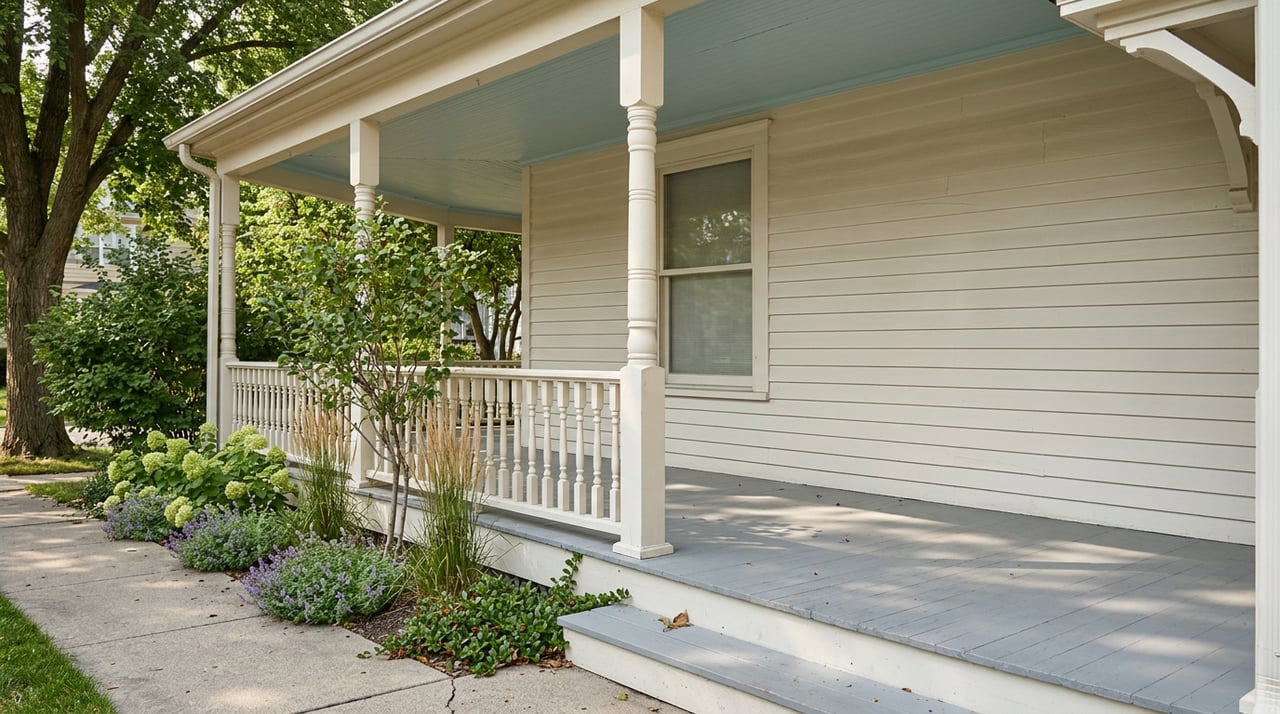
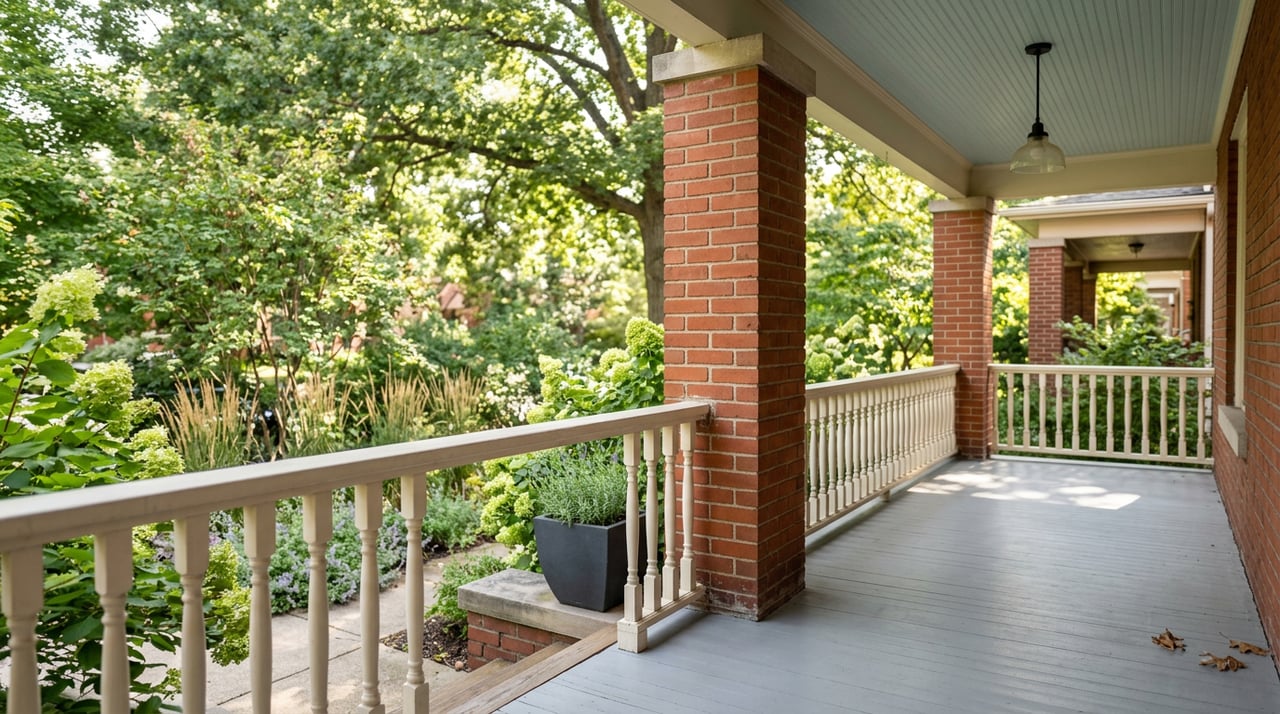
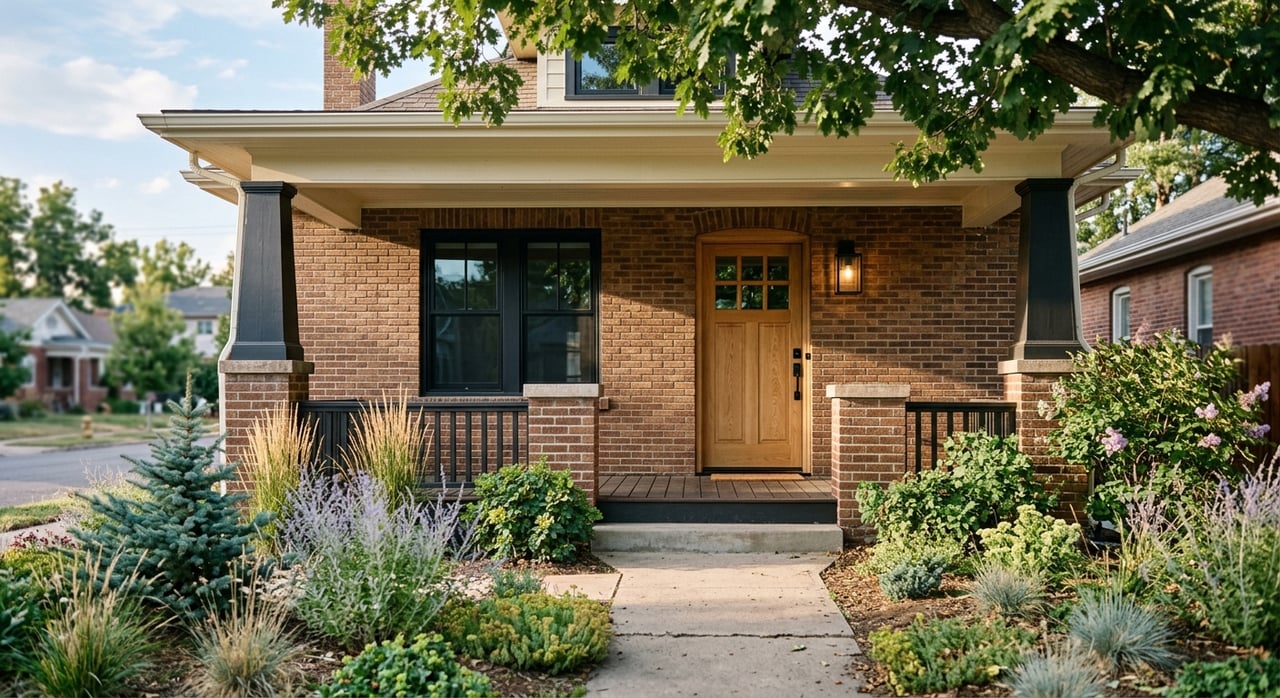
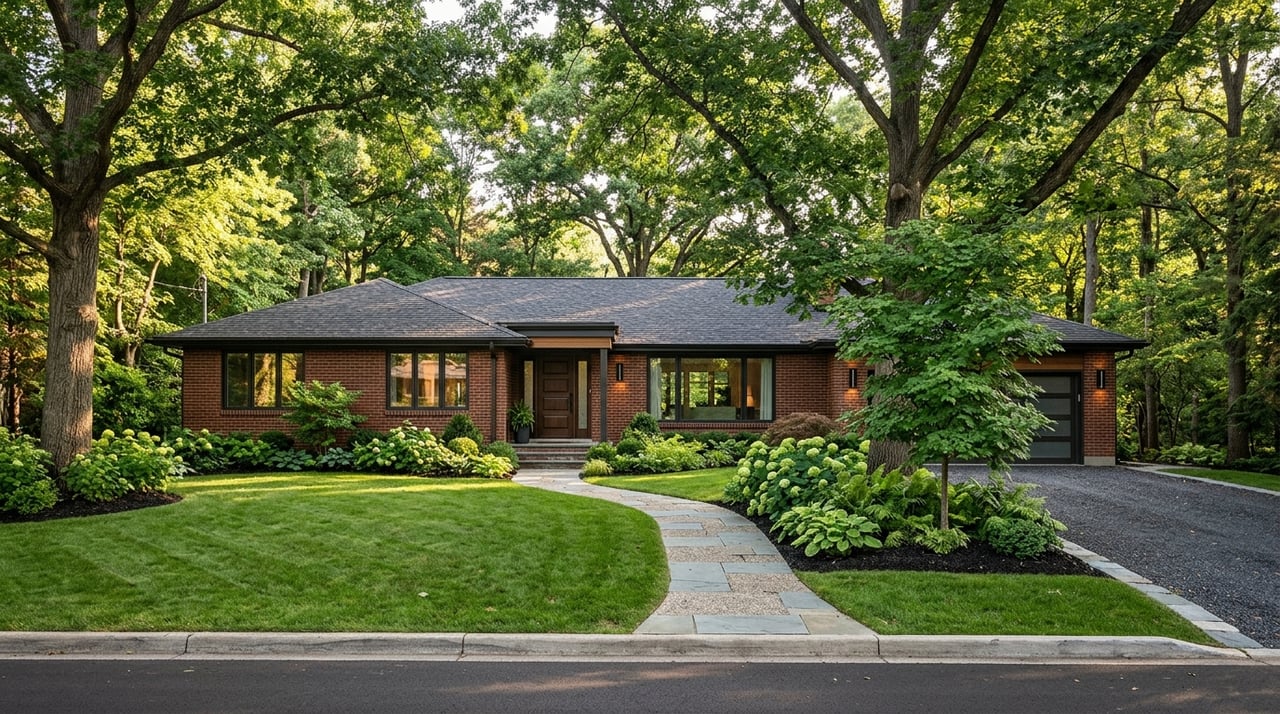
In July 2025, the Denver Gazette covered a listing at 840 S. Gaylord Street, a four-bedroom, three-bath bungalow with 2,963 finished square feet on a double lot. Agent Casey Miller, who was handling the sale, described a neighborhood where smaller bungalows nearby were commanding $1.3 million to $1.5 million purely for what he called their "scrape value," money paid for the dirt and the address, not the structure, before being replaced with new construction that can top 5,500 finished square feet. The 840 S. Gaylord house took the other path entirely. Rather than getting popped or scraped, previous owners used the double lot to add a sunroom, a primary suite, and a family room that opens onto a mahogany deck, preserving the bungalow instead of erasing it.
Same era of house. Same general size bracket. Two completely different pricing logics. One buyer is paying for what can be built after the existing house comes down. The other is paying for the house that's already standing.
This isn't a new phenomenon in Denver, just a more expensive version of an old one. Business journal reporting on Denver's teardown wave as far back as 2018 already had a local developer describing bungalow lots he'd bought a decade earlier for $400,000 that had climbed to $900,000, with the new homes built on them selling for $2.2 million to $3 million. East Washington Park was already named then as one of the neighborhoods where this was happening fastest, alongside Sloan's Lake. The mechanism hasn't changed. The numbers attached to it have just kept climbing.
Here's a snapshot of what different sources were actually measuring in 2026, and why they didn't agree:
| Source and window | Reported figure | What it's likely capturing |
|---|---|---|
| Redfin, March 2026 | $1.475M median sale price | 42 sales, weighted toward detached, park-adjacent stock |
| Realtor.com, April 2026 | $1.6475M median sold / $2.0225M median list | A smaller pool of larger, pricier listings pulling the list-price figure up |
| Movoto, May 2026 | $1.699M median sold | A single month's mix, likely detached-heavy |
| Orchard, trailing 30 days | $1.59M median sold, only 10 sales | A sample this small can swing on one or two high-end closings |
| Redfin, Washington Park West, 3 months to July 2026 | $881K median sold | A different sub-area with more attached and smaller detached stock |
| Zillow, Washington Park West, July 2026 | $870,858 typical value | A smoothed index across that same lower-priced footprint |
Read across a row and each number makes sense on its own. Read down the column and you can see why a buyer or seller trying to anchor on "the Wash Park median" ends up anchored on nothing at all.
A Lot Isn't Just a Lot
Figuring out where a specific property lands on this spectrum starts with the ground it sits on, not the house on top of it. Appraisers working a teardown scenario typically start from one of two directions: either they estimate what it would cost to replace the existing structure, subtract depreciation for age and condition, and treat whatever's left of the sale price as land value, or they work backward from what a finished new home would sell for on that lot, subtract construction costs and a builder's margin, and treat the residual as what the land itself is worth to a developer.
The math only works if the lot can actually support something bigger. Washington Park was platted with narrow urban lots, typically in 25-foot and 50-foot width increments, with depths running 100 to 125 feet. A 50-foot corner parcel near the park can carry a very different structure than a 25-foot interior lot two blocks off Broadway, even if the houses currently sitting on both look like similar bungalows from the sidewalk. Zoning envelopes on the smaller lots can cap how much bigger a rebuild is actually allowed to be, which means the scrape math that pencils out on one block can fall apart on the next one over. Before assuming a tired bungalow is a rebuild opportunity, it's worth confirming what the zoning envelope will actually let a builder do with it.
The Other Half of the Number
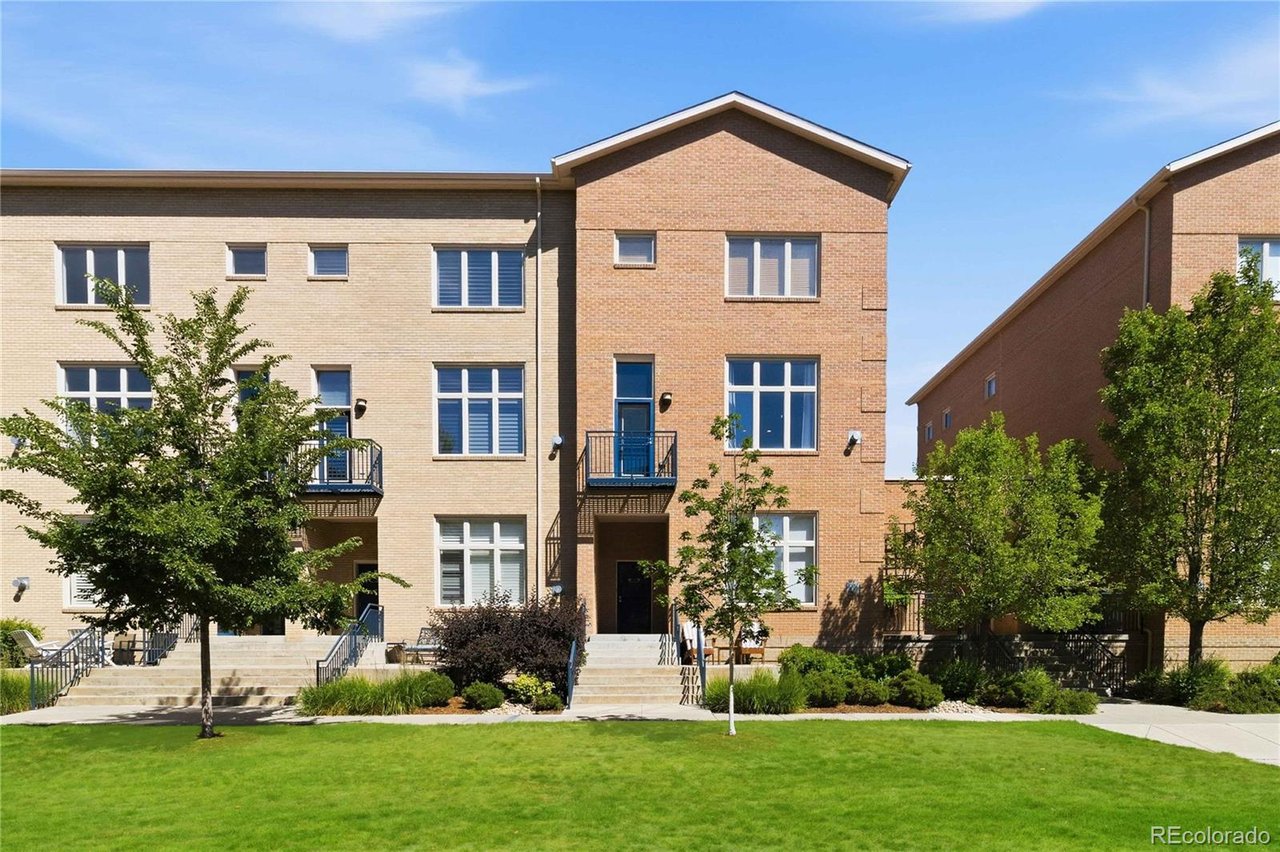
The other reason Wash Park's median won't sit still is geography. Washington Park proper, the streets ringing the park itself, skews detached and historic, the territory of Craftsman bungalows, Denver Squares, and Tudors. Washington Park West, on the west side of the park, carries a much higher share of duplexes, condos, and smaller attached homes. That's why Redfin's own March 2026 figure for core Washington Park sat at $1.475 million, while its Washington Park West data for the three months ending July 2026 showed a median of $881,000, roughly $600,000 lower just a few blocks away. Attached product across the broader neighborhood, duplexes and townhomes included, typically opens in the $550,000 to $850,000 range, and whenever more of that stock closes in a given month, it pulls the blended average down regardless of what's happening on the detached side.
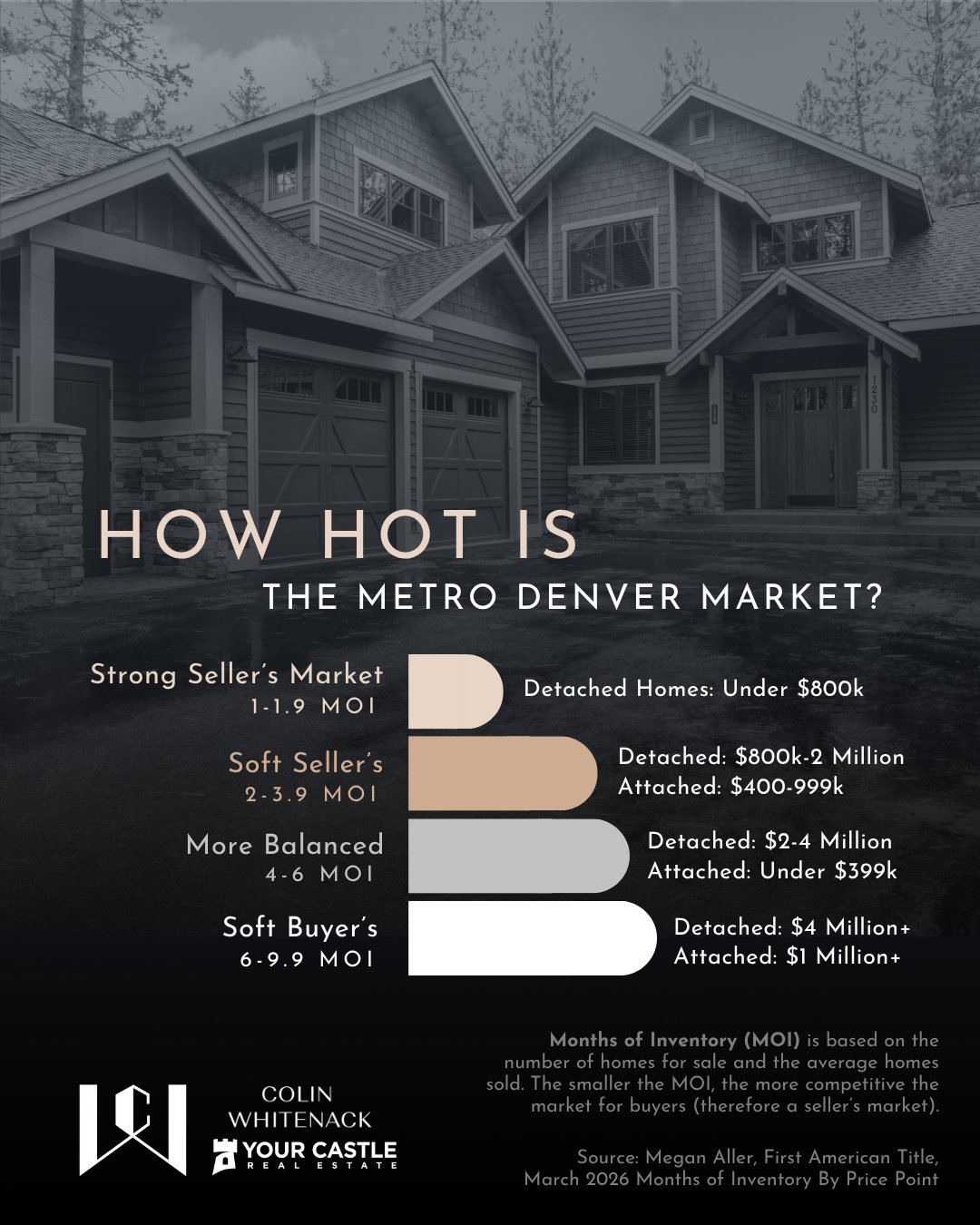
That gap matters even within the expensive half of the market. DMAR reported less than three months of supply for Denver homes priced between $1 million and $2 million as of April 2026, compared to roughly five months of supply above $2 million. Homes in the $1 million to $2 million band, where most of Wash Park's detached inventory lives, are moving through a tighter market than the very top of the range, which changes how much negotiating room a buyer actually has depending on which bracket they're shopping.
What This Means If You're Actually Pricing Something
If you're selling an older, smaller home here, your real comp set isn't "Washington Park." It's either recent land-value trades, if your lot and zoning genuinely support a rebuild, or recently renovated character homes, if they don't or if you'd rather sell the house than the dirt underneath it. Pricing against the wrong bucket either leaves real money on the table or scares off the buyers who'd actually want what you have.
If you're a buyer comparing a $700,000 attached listing to a $1.4 million detached one and wondering why neither matches the "median" you saw online, that's expected, not a red flag. The useful question isn't what the neighborhood median says. It's what specific product that particular number was built from.
And if you're chasing a scrape opportunity because a bungalow looks underpriced for the block, get a straight answer on lot width, depth, and zoning envelope before assuming a bigger new build automatically pencils out. Sometimes it does. Sometimes the lot simply won't let it.
A Few Questions Worth Asking Before You Trust a Number
Does a lower asking price in Wash Park mean a better deal? Not necessarily. A lower price can mean smaller square footage, attached rather than detached product, or a location outside the immediate park-adjacent blocks. It rarely means the same house for less money.
How do I know if a bungalow is a scrape candidate or a renovation candidate? Lot dimensions, zoning envelope, and the condition of the existing structure all factor in, and the answer can differ from one side of a block to the other. It's worth getting eyes on the specific parcel rather than assuming based on what similar-looking houses nearby have done.
Why did some reported medians jump by nearly 100 percent year over year? When a monthly sample is only 10 sales, as Orchard's trailing 30-day figure was in 2026, one or two high-value closings can swing the median dramatically. Small-sample noise is common in a neighborhood this thin on inventory, and it's a reason to look at a few months of data rather than one.
Washington Park rewards buyers and sellers who know which market they're actually standing in. If you're trying to figure out whether a specific property here is priced as a home or priced as land, Colin & Company can walk the comps with you block by block. Let's Connect.