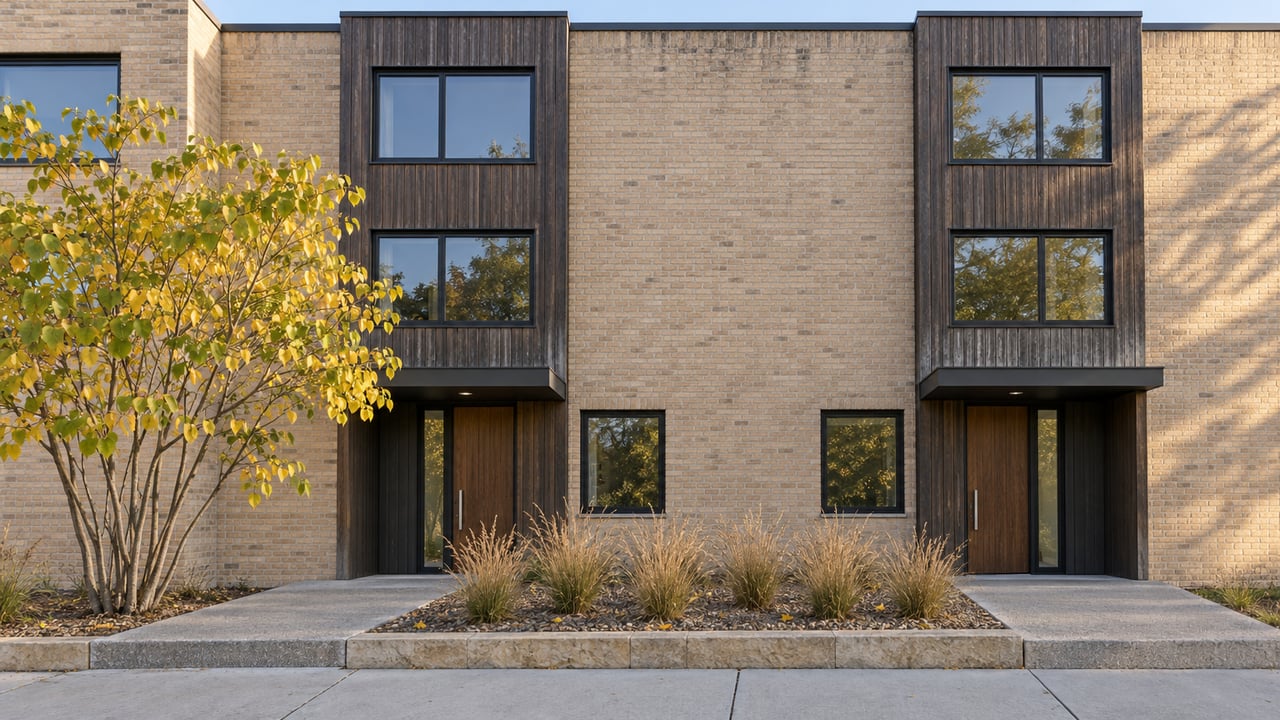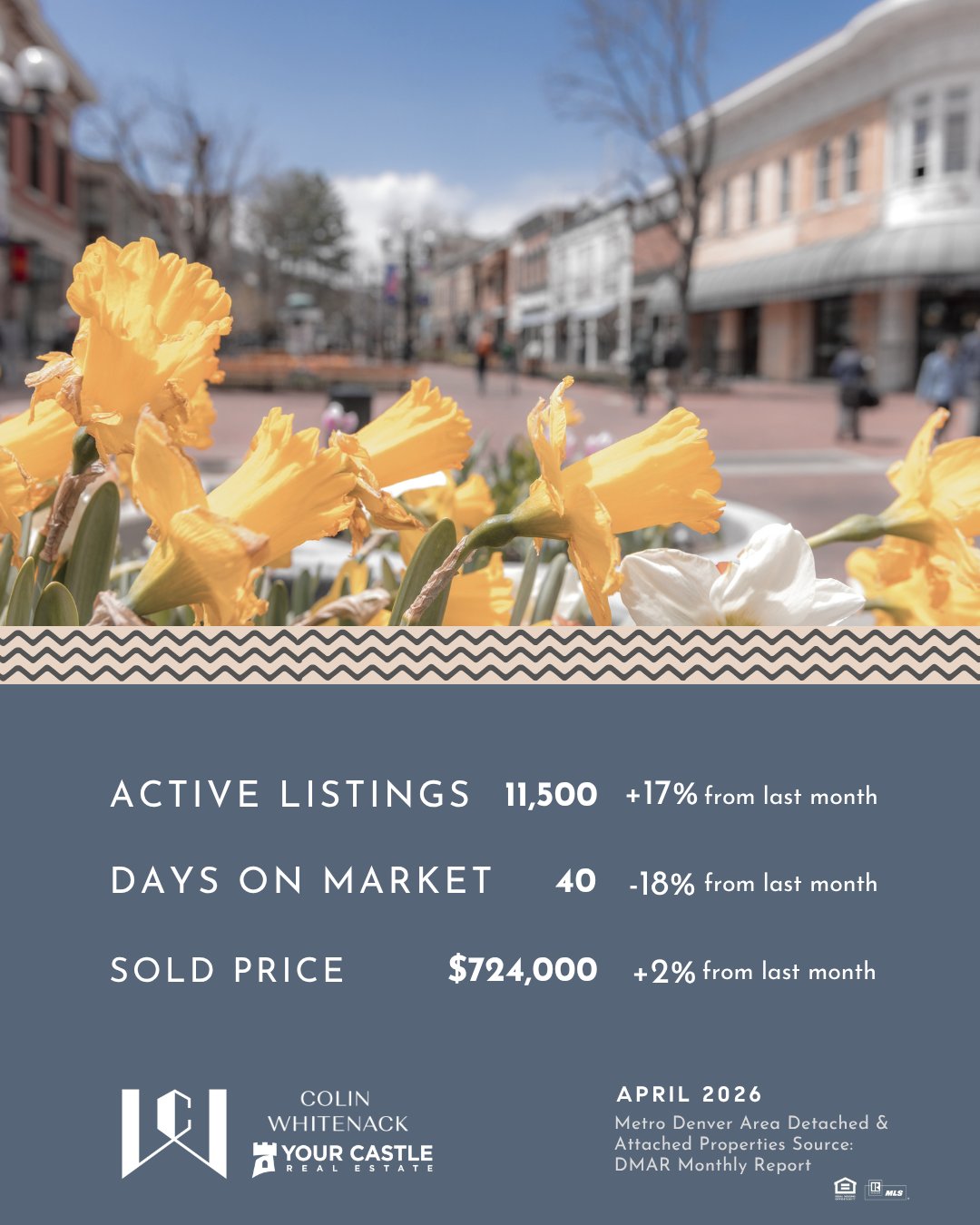
A headline number came out of Potter Highlands earlier this year that looked like proof of a neighborhood on fire: the median sale price across all home types hit $930,000 in March 2026, up more than 85 percent from the year before. If you're watching Highlands from the outside, that's the kind of stat that makes you assume you've missed the window entirely.
Look closer and the story changes. Potter Highlands is one of the smallest slices of the broader Highlands area, a district of roughly 667 buildings originally part of the Town of Highland, established in 1875, according to the Society of Architectural Historians' survey of the district and Denver's own character-defining features report on the district. A neighborhood that size doesn't produce enough monthly sales to smooth out a single unusual closing. One custom rebuild trading for seven figures can swing a median by six figures the next month. The number is real. It just isn't measuring appreciation the way a headline implies. What actually separates one Potter Highlands address from another, and what a buyer or seller should be paying attention to instead, is where that specific property sits in Denver's landmark review pipeline.
What A Handful Of Sales Can And Can't Tell You
Compare the March headline to a single verified sale from a few months later: 3647 N Clay Street, a two-bedroom in Potter Highlands, closed on July 17, 2026 for $750,000. That's a real, recent transaction, and it sits nearly $200,000 below the district's reported March median. Neither number is wrong. They're just describing a market with too few data points to behave like a stable index. In a neighborhood this small, the more useful question isn't "what's the median telling me" but "what has already happened on this specific parcel before I make an offer."
That's where the landmark designation actually earns its keep as a pricing signal, because it determines how much runway a buyer needs before a project can start.
The Three Tracks Every Project Falls Into
Denver treats work inside a historic district differently depending on what you're touching, and the difference in timeline is not small. According to Historic Denver's FAQ on designation, the city's review structure breaks down roughly like this:
| Project type | Review required | Who signs off | Typical runway |
|---|---|---|---|
| Interior work (plumbing, wiring, HVAC, finishes) | None | No one, as long as the exterior doesn't change | Same as any Denver home |
| Minor exterior work (re-roofing, downspouts, gutters, repointing, most garage additions) | Staff-level sign-off | Landmark Preservation staff | Days to a couple of weeks |
| Major exterior changes, additions, demolition, or new construction | Certificate of Appropriateness, plus a full design review | Denver Landmark Preservation Commission | Months, sometimes most of a year |
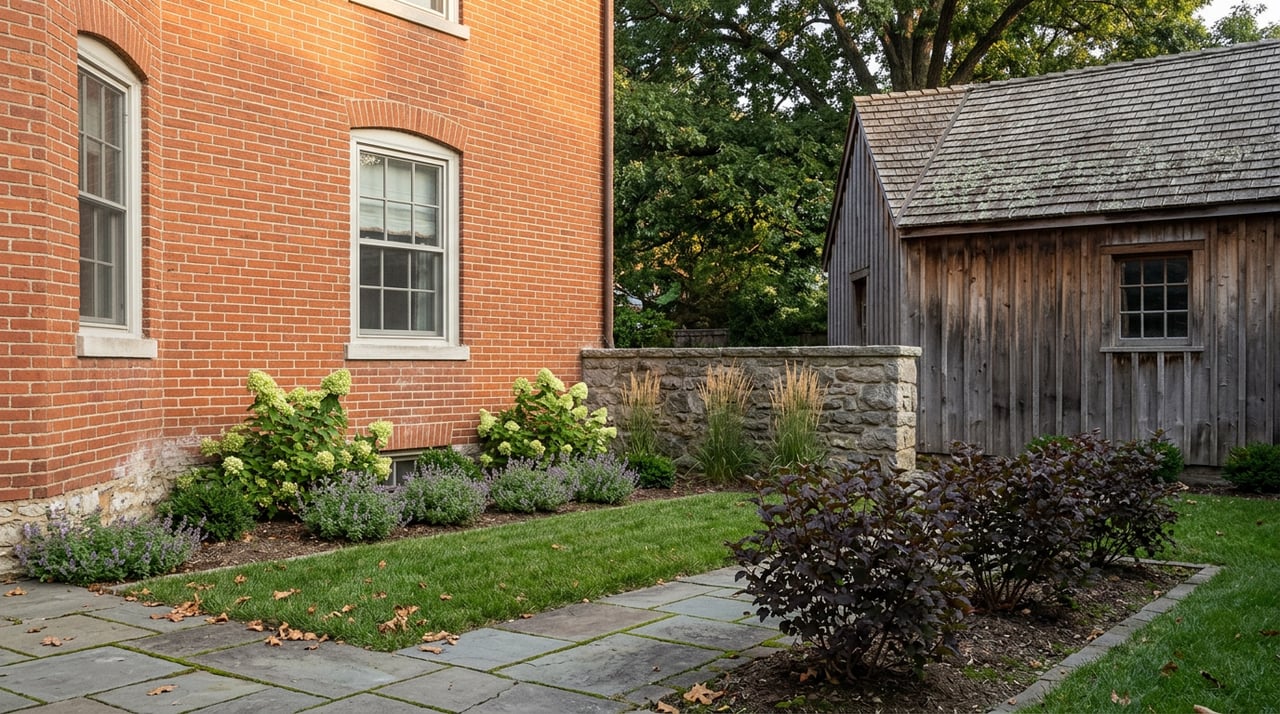
The gap between rows two and three is where most buyers get surprised. Denver's own guidance is direct about this: major additions and demolition-scale changes go before the full Landmark Commission, while smaller maintenance and modest garage work is approved administratively without that step.
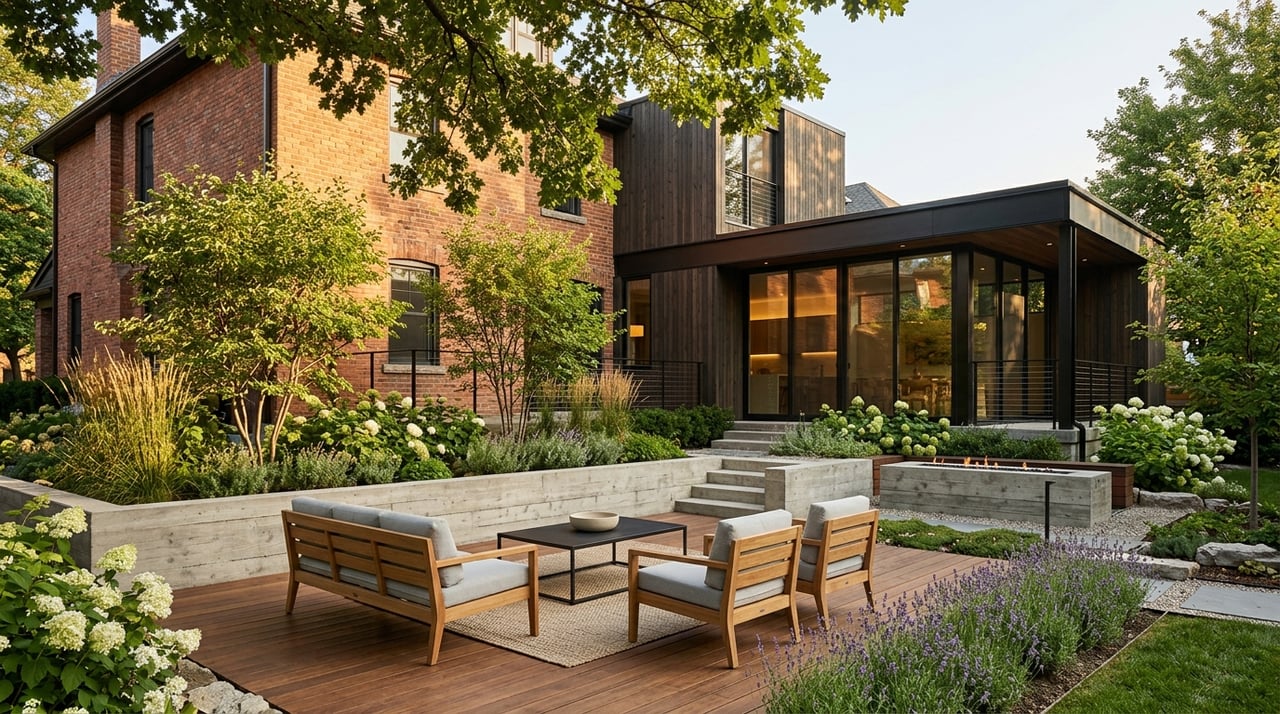
Potter Highlands adds one more layer on top of the city's baseline. According to ArcWest Architects, which designed a new home and carriage house on N. Bryant Street inside the district, demolition and new infill construction there require a three-step sequence: presentation to and approval by the HUNI neighborhood association (Highland United Neighborhoods), a Denver Landmark Mass & Scale Review, and finally a Landmark Final Review, all before the project can even be submitted for a standard building permit. That's documented in ArcWest's own account of the process. The firm's parallel project at 3331 Bryant Street, a full teardown and rebuild into a 4,000-square-foot home with a 1,800-square-foot garage and an accessory dwelling unit, went through that same HUNI-to-Landmark sequence before construction could begin, per ArcWest's project page.
This is the part a comparable-sales sheet never shows you. Two lots that look identical on paper, same block, same square footage, same asking price, can carry completely different real timelines depending on whether one seller already cleared that gauntlet and the other hasn't started.
An active listing in the neighborhood makes that difference explicit in its own marketing. The property is being sold with completed architectural plans, active city permits, and full Landmark Preservation Commission sign-off already in hand, described in the listing as a package that "saves you up to a year of waiting, thousands in holding costs." That's not a staging detail. It's the actual product being sold: a year of carrying costs and uncertainty, removed.
The ADU Wrinkle State Law Didn't Erase
Colorado passed a law in 2024, HB24-1152, that pushed cities toward friendlier ADU rules statewide. Under it, jurisdictions had to allow at least one accessory dwelling unit on any lot where a single-family home is already permitted, and applications have to move through what the Colorado Department of Local Affairs describes as an administrative approval process, no public hearing required, by June 30, 2025.
That law changed the default answer to "can I build an ADU" across most of Denver. ArcWest's own Potter Highlands ADU project shows what "compatible" means in practice there: a 1,000-square-foot, two-story-plus-basement carriage house designed with brick detailing, roof pitches, and dormers matched to the primary house, according to the firm's project description. According to Little Home Builder's Denver ADU permit guide, citywide baseline ADU rules still apply: detached units generally cap around 650 to 1,000 square feet depending on lot size, with a 1.5-story or 24-foot height limit.
The Credit Nobody Brings Up At The Open House
There's an offset most buyers never hear about until they're already deep into a renovation budget. Homes 50 years or older inside a designated historic district are eligible for the Colorado Historic Preservation Income Tax Credit, which covers qualified hard costs tied to physical preservation work, reviewed and approved through Denver's Landmark Preservation Commission. Statewide, that program has supported more than $98.5 million in qualified rehabilitation spending, per Historic Denver's FAQ. It doesn't erase the review timeline. It does mean an owner who plans to hold the property through a multi-year rehab has a real financial lever the district's stricter rules make available, one that a buyer planning to flip in eighteen months usually won't be positioned to use.
What This Actually Means If You're Looking At A Listing Here
The headline median in Potter Highlands will keep bouncing around because the district is small and custom rebuilds or teardowns can affect the median. That volatility isn't the risk. The risk is treating a historic district address like any other Denver fixer and assuming the exterior work can start on the timeline a general contractor would quote for a non-designated block.
If you're evaluating a property here, ask two questions before you ask about the median: has any exterior scope of work already cleared Landmark review, and has HUNI already seen the plans if the project involves demolition or new construction. Those two answers explain far more about what you're actually paying for than a year-over-year percentage ever will.
A Few Questions We Get About Buying Here
Does historic designation lower resale value? There's no evidence of that across Denver's 52 historic districts, according to Historic Denver's own review of the program. The designation restricts what you can do to the exterior, but it doesn't appear to suppress what buyers are willing to pay for the result.
Do I need city approval just to update a kitchen or bathroom? No. Interior renovations, including plumbing, wiring, HVAC, and finishes, have no Landmark review requirement at all, as long as the work doesn't change how the home looks from the street.
If you're weighing a listing in Highlands and want to know exactly where it stands in that review pipeline before you write an offer, or you're a seller trying to decide whether pre-clearing your renovation plans is worth the time, Colin & Company has walked more than one Potter Highlands file through this exact process. Let's connect and figure out what the permit history on your specific address actually says.
This article is general information, not legal, tax or financial advice. Consult a qualified professional about your situation.