If your dream home includes raised beds, fruit trees, or a yard that feels alive from spring through fall, Wheat Ridge deserves a close look. Many buyers want more outdoor space without giving up easy access to Denver, but not every close-in suburb makes gardening practical. In Wheat Ridge, local rules, lot patterns, and city programs all support a garden-friendly lifestyle. Let’s dig into what that means for you.
Why Wheat Ridge Works for Gardeners
Wheat Ridge stands out because urban agriculture is treated as a normal residential use by the city. That matters if you want a home where growing vegetables, tending pollinator plants, or shaping a productive yard feels like a natural fit instead of a workaround.
The appeal also goes beyond private yards. Wheat Ridge pairs older detached housing, practical zoning, waterwise landscape guidance, and community garden resources in a way that supports both beginner and experienced gardeners.
Outdoor Space Starts With Housing Stock
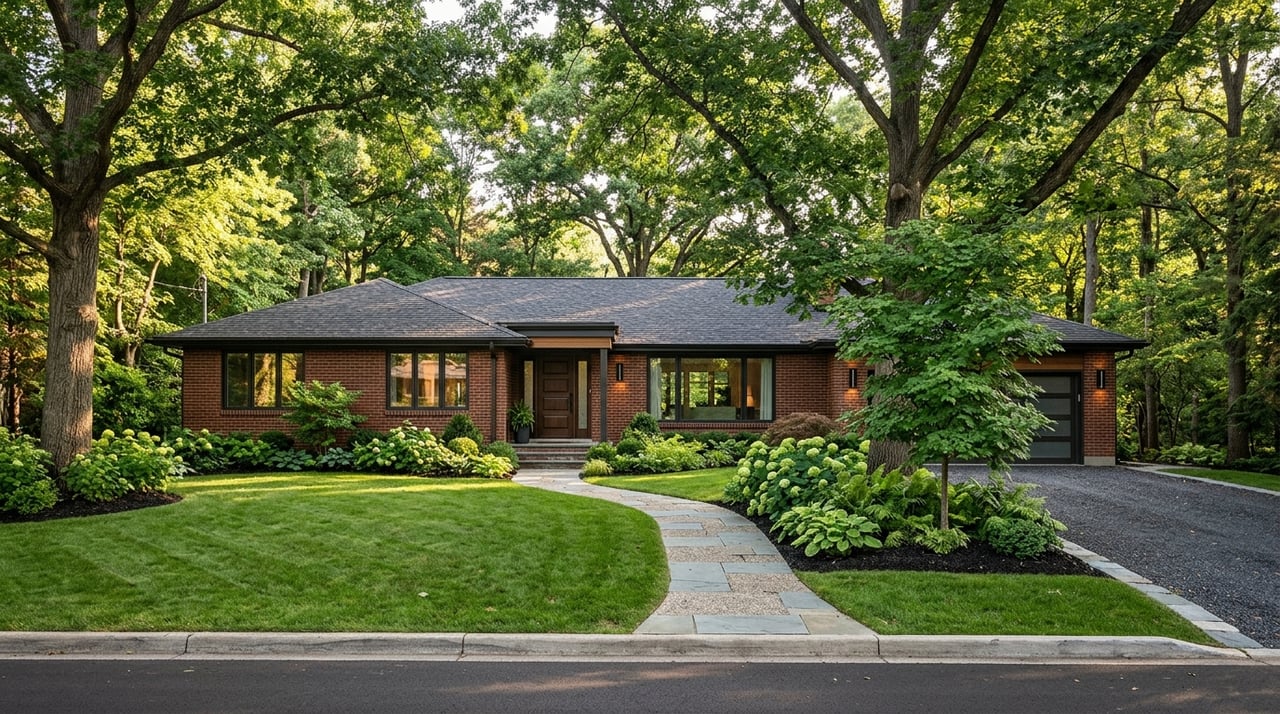
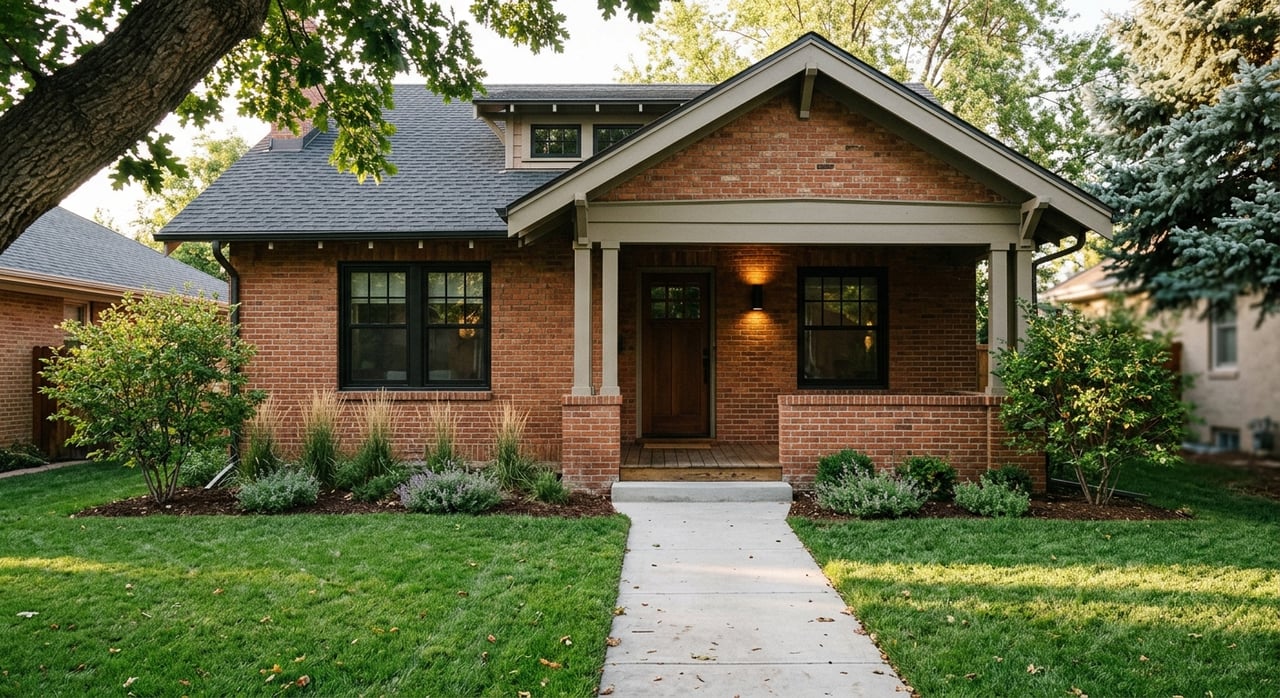
If yard space is high on your list, Wheat Ridge has some built-in advantages. The city says nearly 80% of single-family homes were built between 1940 and 1979, which often means more established lots than you might find in newer corridor-style development.
That does not guarantee a large yard at every address, but it does help explain why Wheat Ridge often feels appealing to buyers who want room for planting beds, trees, or flexible outdoor use. The city also points to examples of larger-lot detached housing north of 32nd Avenue, including Quail Hollow and Hilltop Estates, where homesites are described as over one-quarter acre.
What zoning suggests about usable yard area
Wheat Ridge zoning also helps explain why detached homes can offer meaningful outdoor space. In R-1 districts, the minimum lot size is 12,500 square feet with a 100-foot width. In R-1A, the minimum is 9,000 square feet and 75 feet wide, while R-1B requires 7,500 square feet and 60 feet wide.
Building coverage is capped between 25% and 40% depending on the district. In simple terms, that means zoning often leaves a solid portion of the lot available for landscaping, gardens, patios, or other outdoor uses.
Newer homes may offer a different tradeoff
Newer housing in Wheat Ridge has been concentrated near Wadsworth Boulevard, Clear Creek Crossing, and the Wheat Ridge Ward commuter rail station. For some buyers, that newer construction and lower-maintenance living will be a plus.
But if your priority is garden space, older detached homes and larger-lot pockets may be the stronger fit. Based on the city’s housing and zoning data, those areas are more likely to offer the kind of outdoor area gardeners look for.
Climate and Growing Conditions in Wheat Ridge
Gardening in Wheat Ridge comes with a clear local reality: it is sunny, arid, and water-conscious. The city’s landscape guidebook recommends planning with hydrozones, using native plants where it makes sense, adding mulch, and watering deeply.
That guidance is useful whether you want a simple low-water front yard or a more ambitious backyard with vegetables, flowers, and shrubs. It also shows that successful gardening here is less about fighting the climate and more about working with it.
Best times to plant
According to the city’s landscape guidebook, late spring and early fall are the easiest times to plant trees, shrubs, and perennials. Cooler temperatures reduce stress on plants, which can make establishment smoother.
For vegetable gardeners, Colorado State University Extension advises using the average last spring frost as your cue for warm-season crops. Tender plants should wait until frost danger has passed, which is a smart planning point if you picture tomatoes, peppers, or other warm-weather crops in your future yard.
Watering rules matter
Wheat Ridge adopted waterwise landscaping regulations in 2024, and the city’s water page lists Stage 1 drought restrictions as of April 13, 2026. Under those rules, lawn watering is limited.
At the same time, trees, shrubs, perennials, vegetable gardens, and flowers may be watered any day with a handheld hose or drip irrigation outside 10 a.m. to 6 p.m. For buyers who care about gardening, that distinction matters because it supports practical irrigation for productive and ornamental planting areas.
Waterwise Gardening Is Part of the Lifestyle
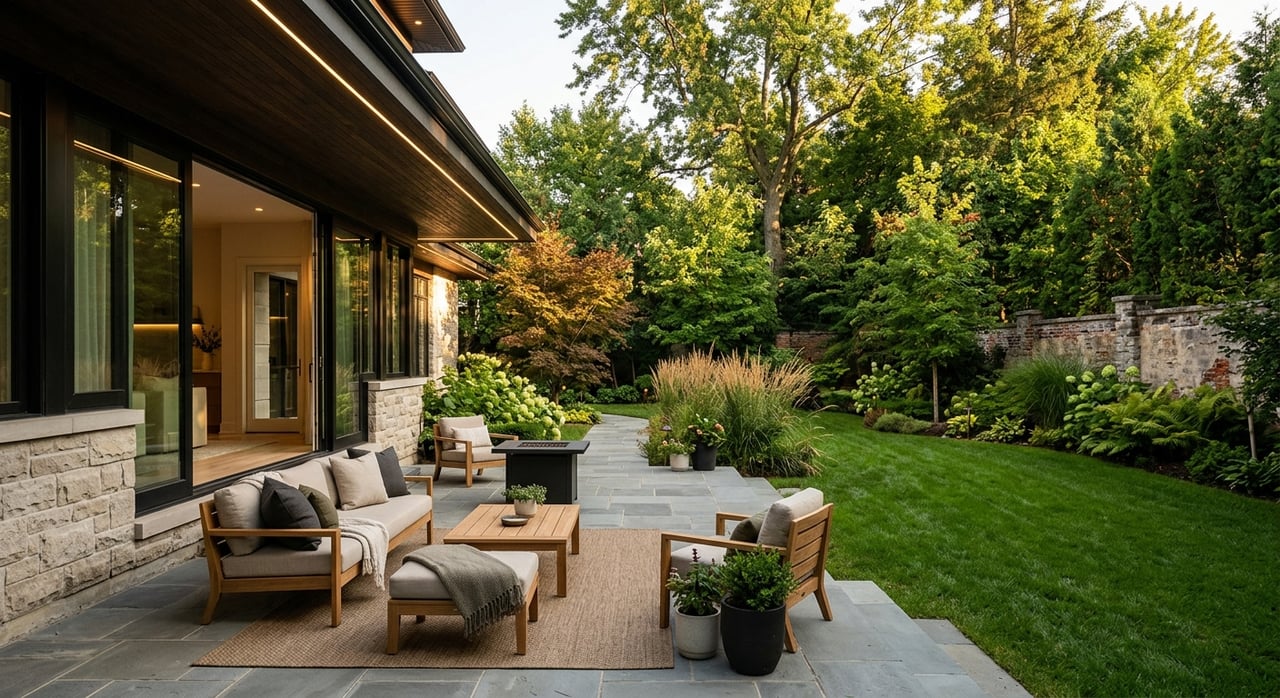
One of the strongest signs that Wheat Ridge supports gardening is that the city actively promotes low-water landscaping. This is not just about restrictions. It is also about helping residents create yards that fit the local climate and still look inviting and useful.
For many homeowners, that can mean replacing part of a traditional lawn with native or adapted plants, mulch, drip irrigation, and beds that deliver color, habitat, or food with less water demand.
Garden In A Box offers a practical starting point
The city and Sustainable Wheat Ridge offered Garden In A Box again in 2026. The program includes a resident discount and waterwise plant kits, making it easier to start or refresh a yard with plants selected for local conditions.
The city says participants have converted 48,500 square feet of lawn since 2021 and saved an estimated 3,785,000 gallons of water over the gardens’ lifetimes. That kind of participation suggests a local culture that values thoughtful, climate-aware landscaping.
Community Support Makes Gardening Easier
A great garden-friendly city is not only about what happens on your lot. It also helps when there are places to learn, meet other gardeners, and get hands-on experience before or after you move.
Wheat Ridge has that layer of support too, especially through Happiness Community Gardens and recurring city programs tied to gardening and regenerative practices.
Happiness Community Gardens adds flexibility
Happiness Community Gardens functions as a city agricultural hub with optional plots, water, tools, master gardener clinics, potlucks, beehives, and a young orchard. Plot options include full 10-by-20-foot plots, half-size 10-by-10-foot plots, and raised beds.
The site is open sunrise to sunset from April through November. If you are moving from a condo, testing your interest in gardening, or simply want extra growing space beyond your yard, that kind of setup can be a real asset.
Events create a stronger garden community
The city’s program calendar includes recurring garden-focused events like Garden Club, an Ice Cream Social and Volunteer Kick-Off, Harvest Festival and Community Potluck, group gardening, and Regenerate Wheat Ridge workshops. The Regenerate Wheat Ridge program is framed as education in regenerative agriculture in partnership with Jefferson Conservation District.
Wheat Ridge also highlights broader outdoor stewardship. In 2026, the city celebrated Arbor Day and Earth Day with a tree sale and volunteer plantings.
Extra horticulture help nearby
Colorado State University Extension’s Denver County horticulture program adds another layer of support with research-based gardening help, Denver Master Gardeners, demonstration gardens, and the Grow & Give program. For homeowners who like to keep learning, that can be a helpful regional resource.
Where to Find Garden Supplies
Local supply options matter more than people think. When you are actively improving a yard, it helps to have nearby places for plants, soil, pottery, fertilizers, and seasonal advice.
Wheat Ridge has that practical retail ecosystem. Southwest Gardens is a year-round garden shop on Harlan Street with perennials, annuals, houseplants, soils, fertilizers, pottery, and a large succulent selection.
Young’s Market and Garden Center on West 44th Avenue has served Wheat Ridge since 1952 and offers seasonal produce, garden supplies, and plants. Nearby in Arvada, Echter’s Nursery & Garden Center operates year-round with a large greenhouse-based selection.
What Garden-Minded Buyers Should Look For
If you are shopping for a home in Wheat Ridge with gardening in mind, it helps to think beyond square footage. The right property often comes down to how the lot lives day to day.
As you compare homes, pay attention to:
- Lot size and how much open ground is actually usable
- Sun exposure across the front, side, and back yard
- Existing trees, shrubs, and irrigation setup
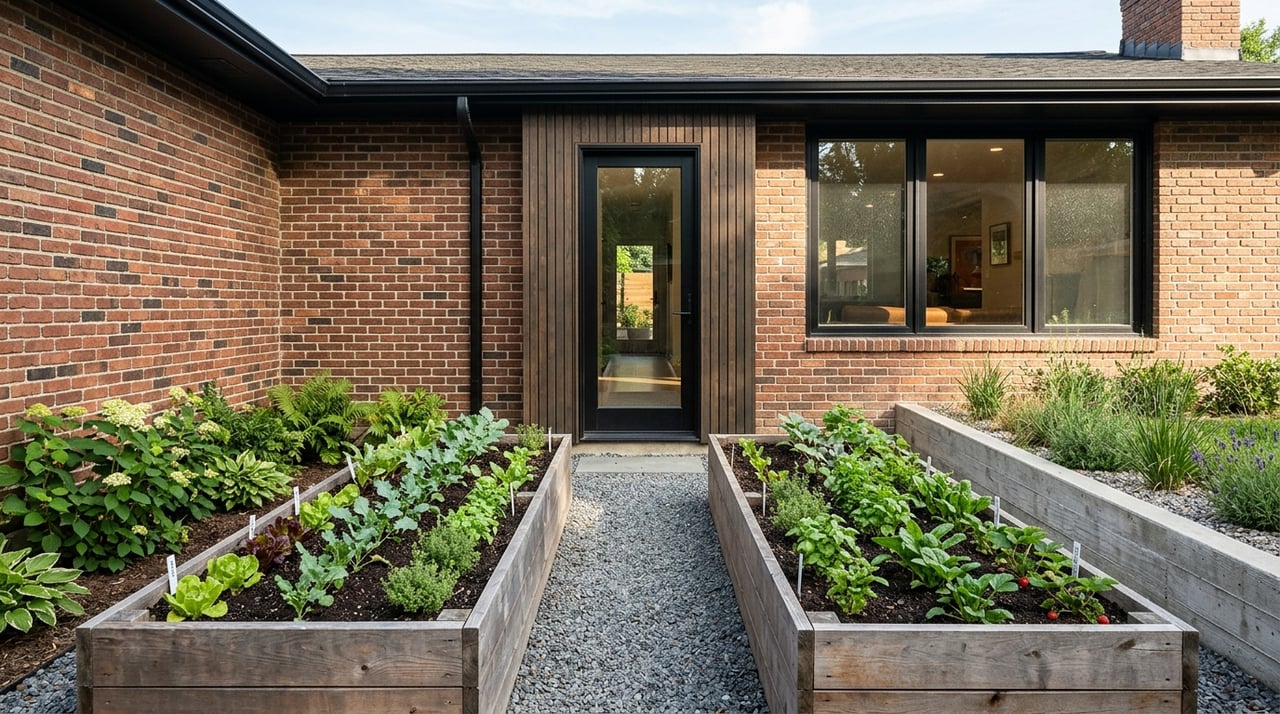
- Space for raised beds, compost, or tool storage
- Whether the home is in an older detached-home pocket or a newer low-maintenance area
- How much lawn you may want to keep versus convert to waterwise planting
A home does not need to be perfect on day one to become garden-friendly. In Wheat Ridge, the combination of local policy, lot patterns, and community resources can make it easier to shape the outdoor lifestyle you want over time.
Why This Matters for Your Home Search
Real estate is a lifestyle decision, and that is especially true when outdoor living is part of your vision. If gardening is central to how you want to spend your time at home, Wheat Ridge offers a credible middle ground between Denver convenience and the space to grow.
You get a city where urban agriculture is supported, many detached homes sit on meaningful lots, and local programs reinforce waterwise, practical gardening. That combination makes Wheat Ridge worth serious attention if you want your home search to include more than just the house itself.
If you want help finding a Wheat Ridge home that fits the way you actually want to live, Colin Whitenack can help you narrow in on the right blocks, lot types, and property features with a neighborhood-first approach.
FAQs
What makes Wheat Ridge a good place for gardening at home?
- Wheat Ridge supports urban agriculture as a normal residential use and combines that with older detached homes, meaningful lot sizes in many areas, waterwise landscape guidance, and city garden programs.
What types of Wheat Ridge homes may offer more garden space?
- Based on city housing and zoning information, older detached homes and larger-lot pockets are often the strongest options for buyers who want more usable yard area.
What are the watering rules for gardens in Wheat Ridge?
- Under the city’s Stage 1 drought restrictions listed as of April 13, 2026, trees, shrubs, perennials, vegetable gardens, and flowers may be watered any day with handheld hose or drip irrigation outside 10 a.m. to 6 p.m., while lawn watering is limited.
When is the best time to plant in Wheat Ridge?
- The city says late spring and early fall are the easiest times to plant trees, shrubs, and perennials, and Colorado State University Extension advises waiting until frost danger has passed for tender vegetable plants.
Are there community garden options in Wheat Ridge?
- Yes. Happiness Community Gardens offers optional plots, raised beds, water, tools, clinics, and seasonal community programming from April through November.
Where can you buy garden supplies near Wheat Ridge?
- Local options include Southwest Gardens in Wheat Ridge, Young’s Market and Garden Center on West 44th Avenue, and Echter’s Nursery & Garden Center in nearby Arvada.