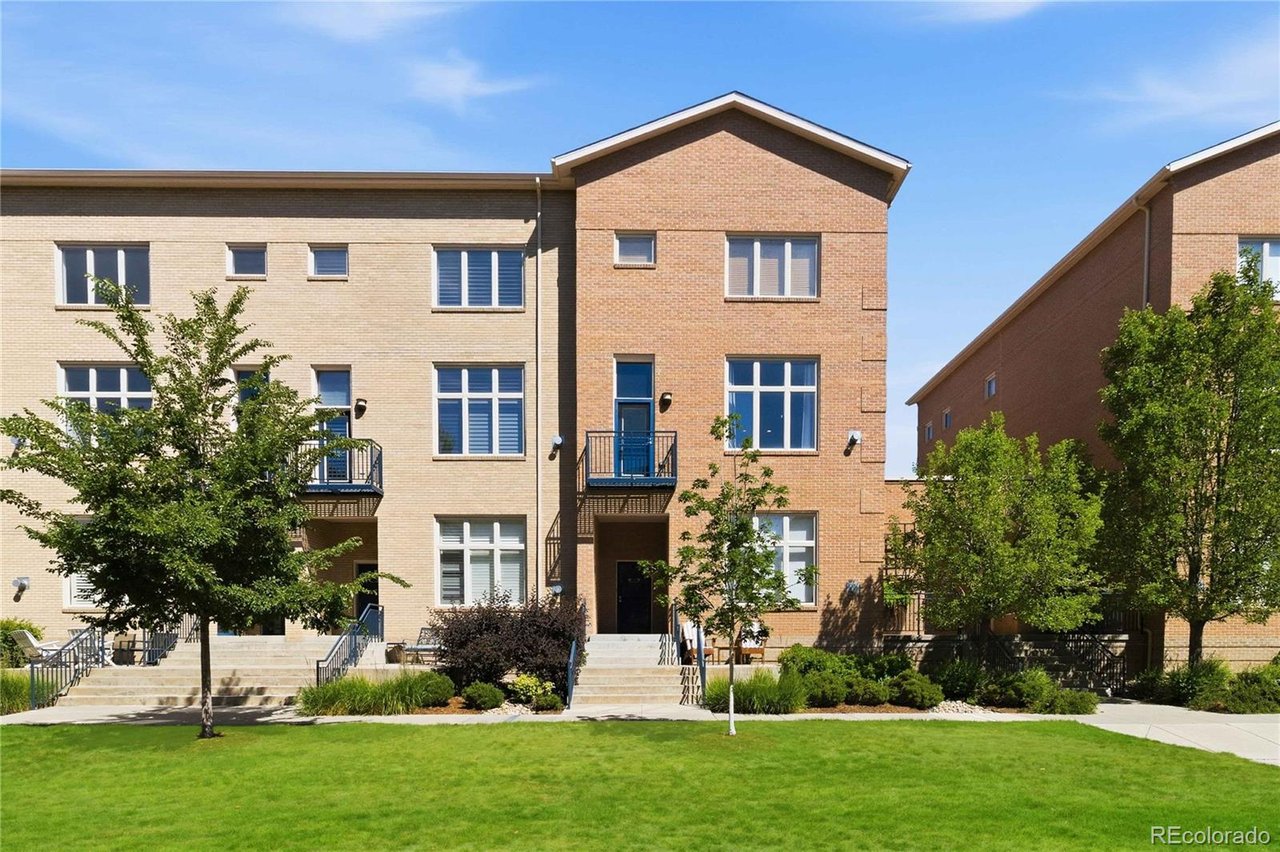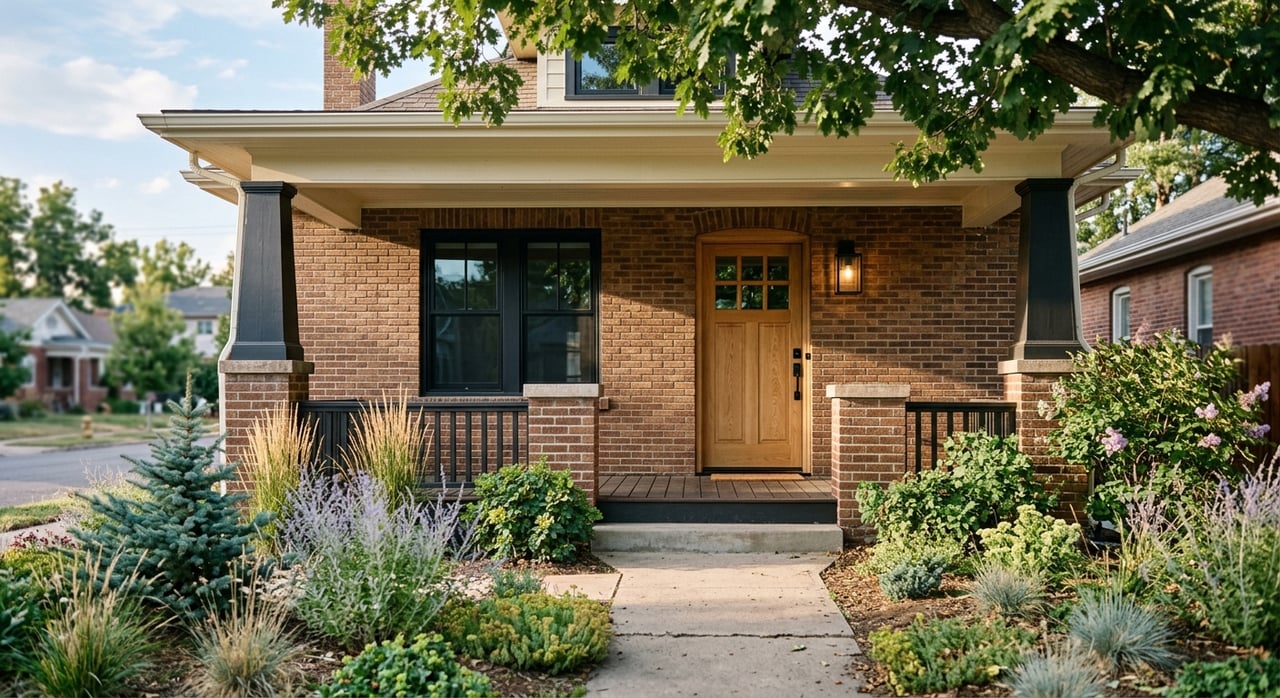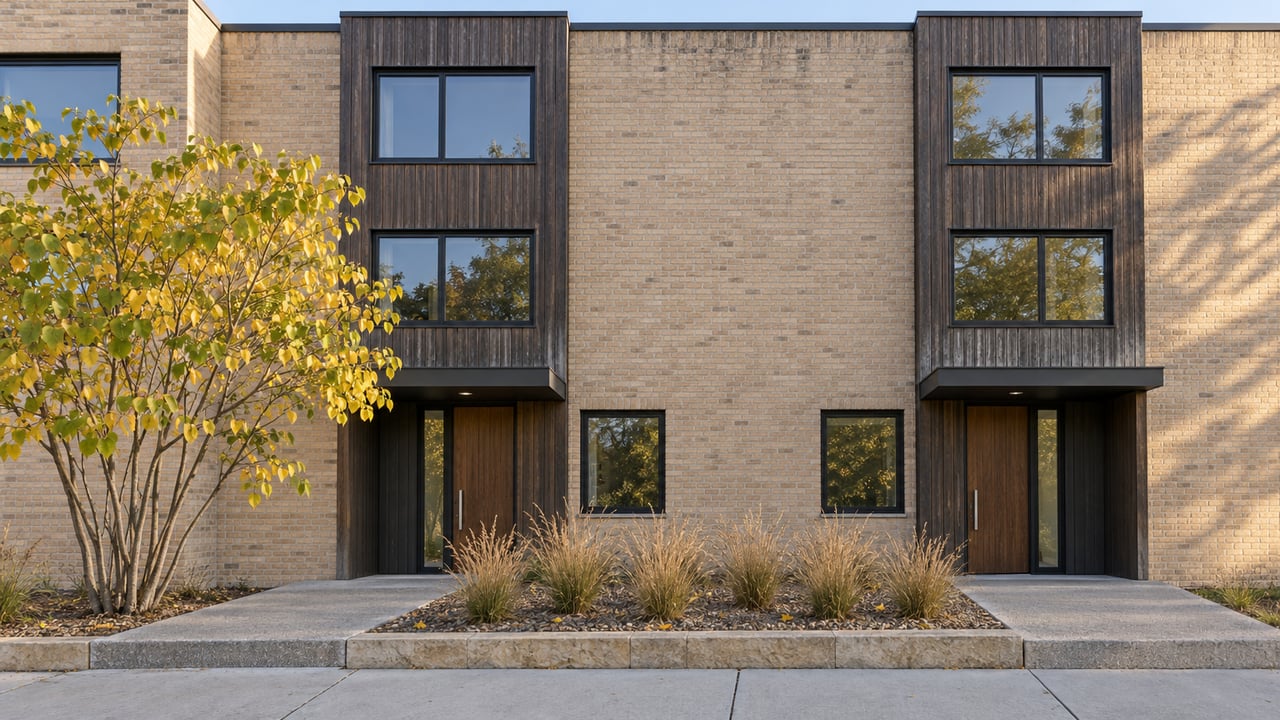
Two attached homes in Lower Highland can share a block, a builder and a floor plan, and a conventional lender can still treat them very differently. One may skip the review of its association entirely. The other may need a reserve study, an insurance audit and a delinquency check before the loan moves forward. The building's appearance doesn't decide which path applies. The recorded declaration, the map and the number of units do.
That split got wider on August 3, 2026. For loan applications dated on or after that day, Fannie Mae and Freddie Mac retired the lighter review tracks that many established condo buildings used to qualify under. So in LoHi's attached market, a home's legal structure now affects who can finance it, and on what terms, more than it did this spring.
What actually changed on August 3
Fannie Mae announced the changes in Lender Letter LL-2026-03 on March 18, 2026. It retired the Limited Review process, and lenders must apply that retirement to all loan applications dated on or after Aug. 3, 2026. Established projects that used to qualify for Limited Review now go through Full Review or, where they qualify, a Waiver of Project Review. Freddie Mac made the matching move in Guide Bulletin 2026-C. It retired Streamlined Review for applications received on or after August 3, 2026, so established condos now go through its Established Condominium review, Reciprocal Review or, if eligible, Exempt from Review.
Full Review asks more questions about the association. The same August 3 date brought tighter reserve-study rules. When a lender relies on a reserve study, the building's budget has to include the highest recommended reserve allocation in that study, and lenders can no longer accept the "baseline funding" method, which lets a reserve balance approach zero without going below it. Fannie's Full Review also limits units that are 60 or more days delinquent to no more than 15% of the building, for regular dues and again for each special assessment.
Fannie explained its reasoning directly. It said it has "seen a correlation between condo projects with underfunded reserves for capital expenditures and those in need of critical repairs," and that owners in those buildings can face "unexpected special assessments or higher regular assessments or dues."
The bar rises again soon. Under Full Review, the minimum replacement reserve goes from 10% to 15% of the association's annual budgeted assessment income for loan applications dated on or after Jan. 4, 2027. That date is less than three months away, so it will govern loan applications on larger LoHi condos submitted after the first week of January.
Which LoHi homes skip the review entirely
Fannie's waiver rules are the other half. Under Selling Guide B4-2.1-02, several project types skip the full project review:
| Project type | Fannie Mae project review |
|---|---|
| Unit in a 2–4 unit condo project | Waived, new or established |
| Unit in a 5–10 unit condo project not part of a larger development or master association | Waived |
| Attached unit in a 5–10 unit project inside a master association | Full Review |
| Unit in a PUD project | Waived, with narrow exceptions |
| Detached condo unit sharing no walls, floors or ceilings | Waived |
| Established condo building with more than 10 units | Full Review, since Limited Review retired Aug. 3, 2026 |
Fannie widened the 10-unit waiver in the same March letter, and lenders could use it right away. A waived file still has conditions. The project can't carry an "Unavailable" status in Fannie's Condo Project Manager, and it still has to meet the insurance requirements.
Here is how that plays out on one LoHi block. The Edge LoHi at 1735 Central Street is a five-story, 44-unit condominium completed in 2020. At that size it sits well past the waiver thresholds, so a conventional loan there goes through a project-level review. A pair of side-by-side townhomes nearby could fall into the waived group or outside it. The answer depends on how they were legally created, and their facades don't show that.
Why so much of LoHi sits close to the line
LoHi and Highland were built out in an era that favored small attached projects. In 2018, the Denver Post described the slot home boom as popular in Highland, with projects placing seven or eight townhomes where one single-family home had stood. The same reporting tied the trend to Colorado's construction-defects law. Developers had moved away from condo construction because of lawsuit risk, and that law "doesn't apply to self-contained townhomes, even when they share walls."
Denver's slot home text amendment describes slot homes as "sideways-facing town homes." The city's Slot Homes in Denver overview says they occur under several building forms, including the Duplex, Town House and Row House forms. City Council passed that amendment on May 7, 2018, creating a Town House building form. The amendment governs zoning and design. It doesn't require any particular ownership structure.
That leaves much of LoHi's attached stock in projects small enough that the documents decide the lending path. No public source we found tallies how LoHi's townhomes are legally structured, so each property has to be checked on its own.
Where the answer is written down
A Colorado Lawyer guide to common interest communities puts it plainly. The recorded declaration and the plat or map determine a community's legal structure, whatever the marketing calls it. Under Colorado law, a condominium is created through a recorded declaration and map, and it conveys separately owned units plus a shared interest in the common elements. An attached townhome can instead be a fee-simple lot inside a planned community, or part of a cross-easement arrangement. The guide also separates PUD zoning, which is a local land-use tool, from the ownership framework for planned communities. A "PUD" on a zoning map doesn't settle the title question.
Fannie's own definition supports this. A PUD unit comes with required HOA membership, mandatory assessments and common property the association owns, and the unit can't have been legally created as part of a condo or co-op. A condo unit inside a larger PUD is still a condo for review purposes.
For any LoHi attached home, these items in the file determine how a conventional lender sorts it:
- The recorded declaration and map or plat, which show whether the units are condominium units or lots in a planned community.
- The total unit count, which places a condo project above or below the 4-unit and 10-unit waiver lines.
- Whether a master association exists, which pulls a 5–10 unit project back into Full Review.
- The master insurance policy, including its per-unit deductible.
- The reserve budget and any reserve study, which carry the most weight in buildings that get the full review.
Insurance runs on its own clock
The insurance changes came on a separate schedule and loosened some rules. A master policy must still cover at least 100% of estimated replacement cost, but roofs no longer need replacement-cost settlement and can be insured at actual cash value. Fannie's master insurance rules still cap the per-occurrence deductible at 5% of the master policy's coverage amount. A new per-unit deductible cap of $50,000 applies to loan applications dated on or after July 1, 2026. When the master policy leaves unit interiors uncovered or carries a per-unit deductible, the buyer needs an individual unit-owner policy that covers the uncovered portion or the deductible, whichever is greater.
Those insurance terms affect the monthly dues as much as the loan file. Last December, a Colorado Association of Realtors spokesperson told Denverite that association master policies were renewing at increases of "20, 30, 50 percent, even sometimes doubling year over year." That reporting covered the metro as a whole, not LoHi specifically. The pressure it describes is the same one the reserve and deductible rules are written to measure.
What the fall numbers show, and what they don't
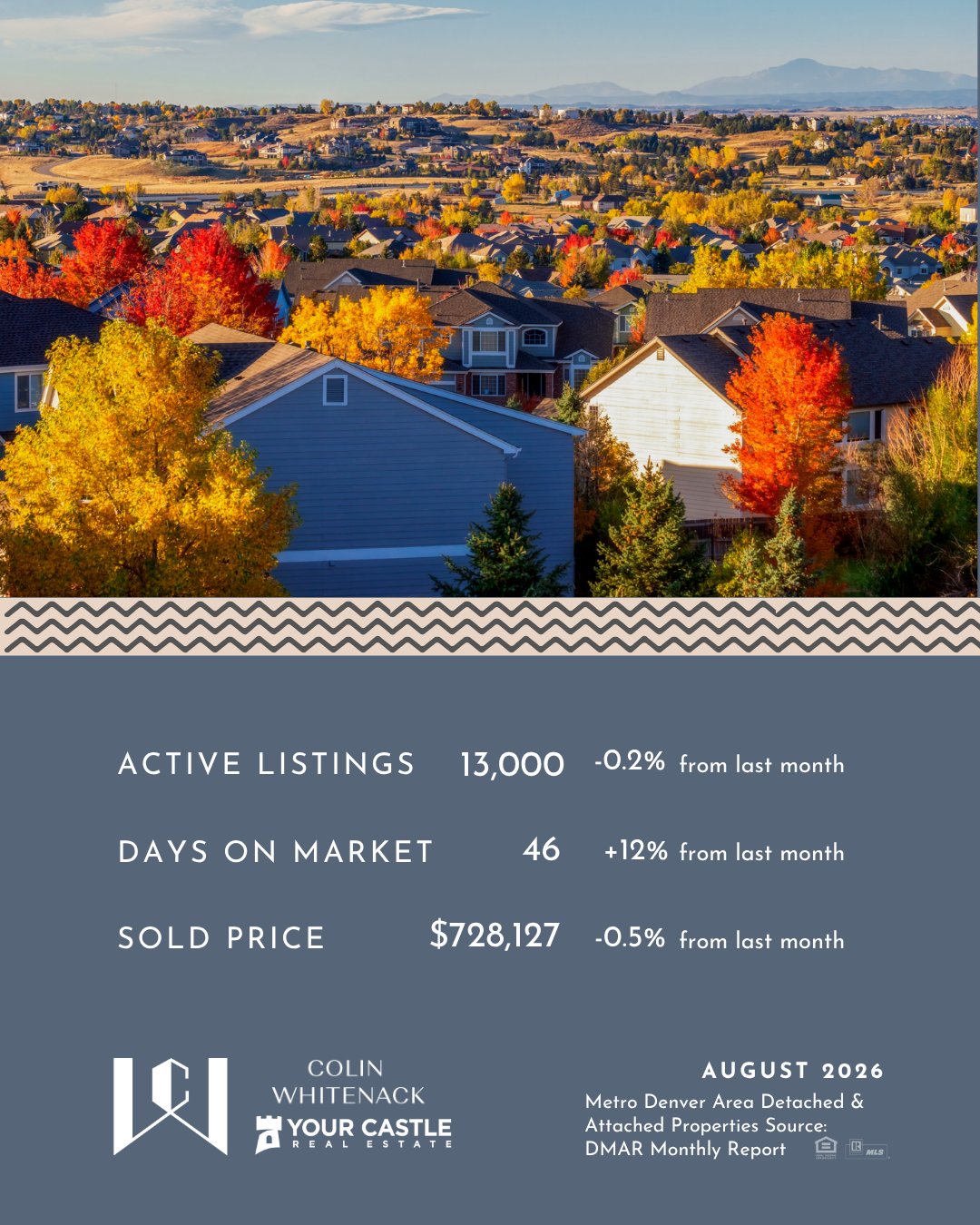
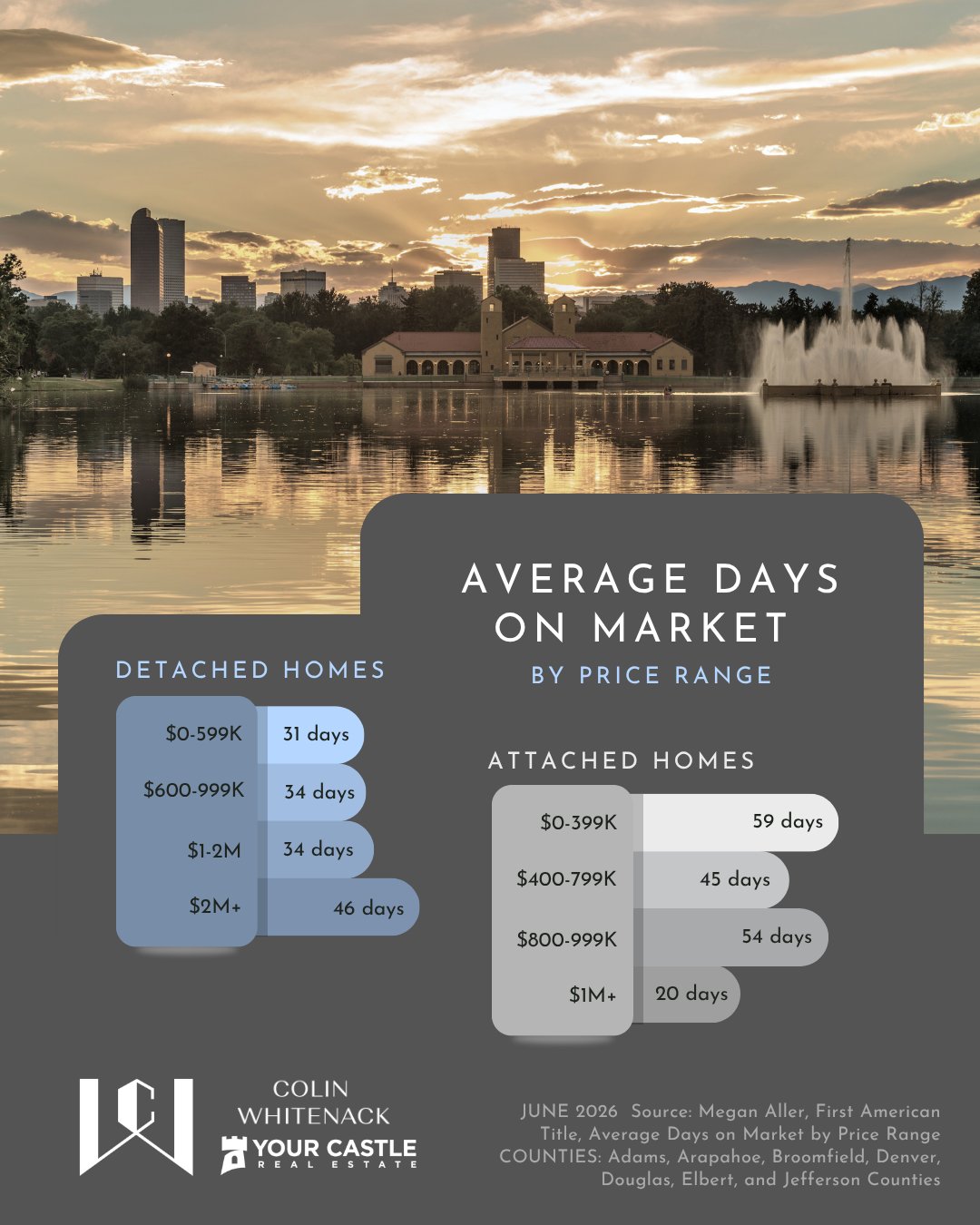
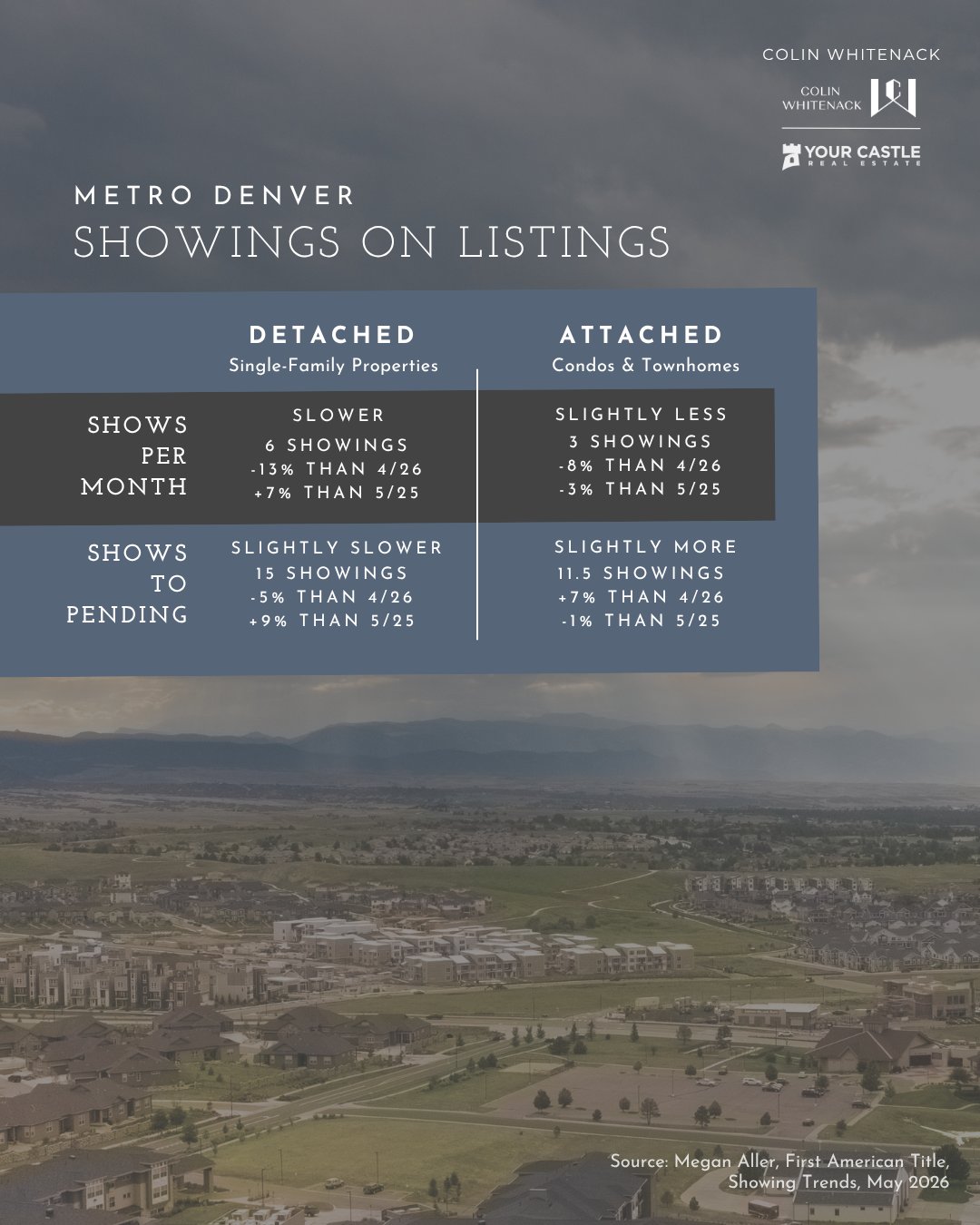
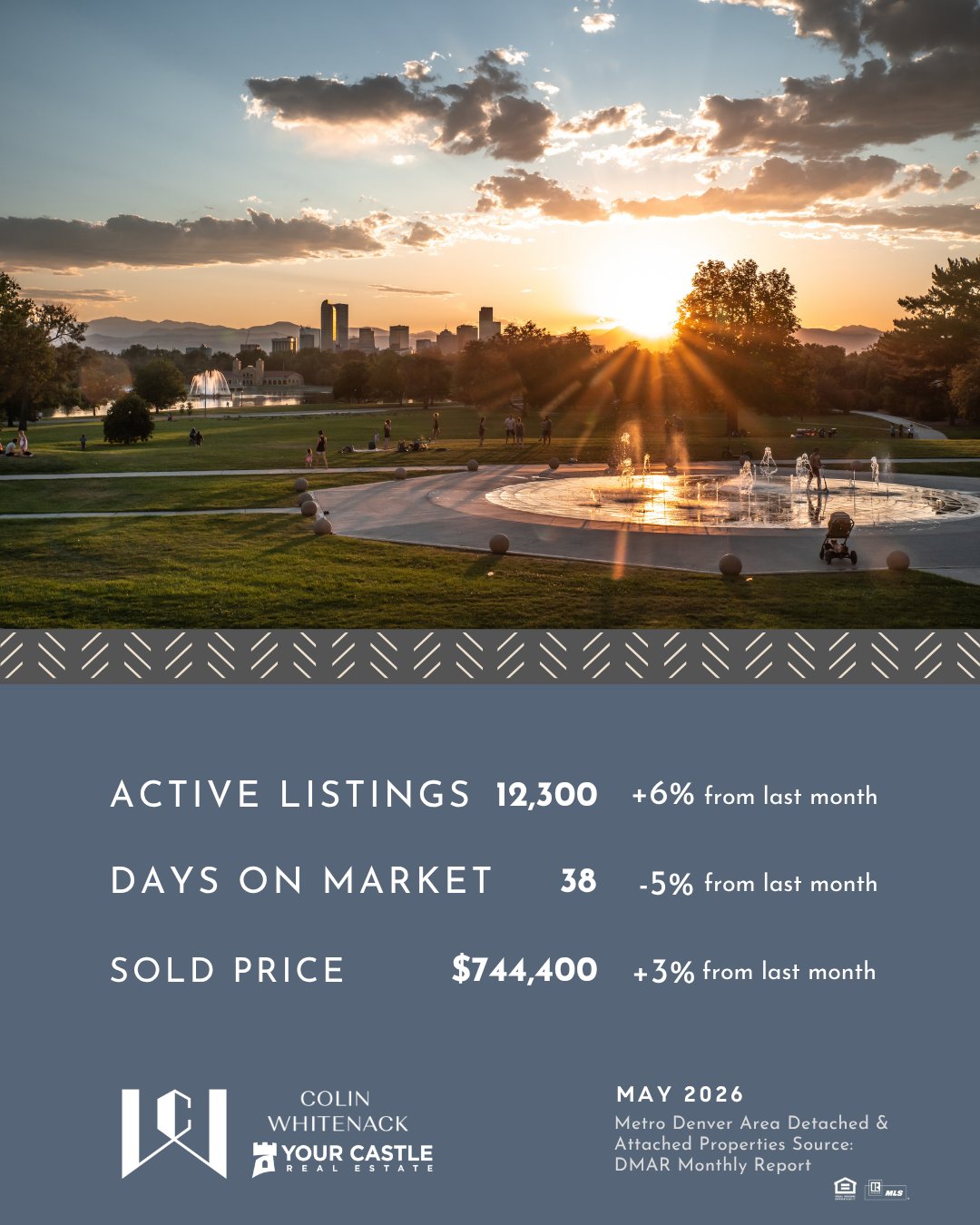
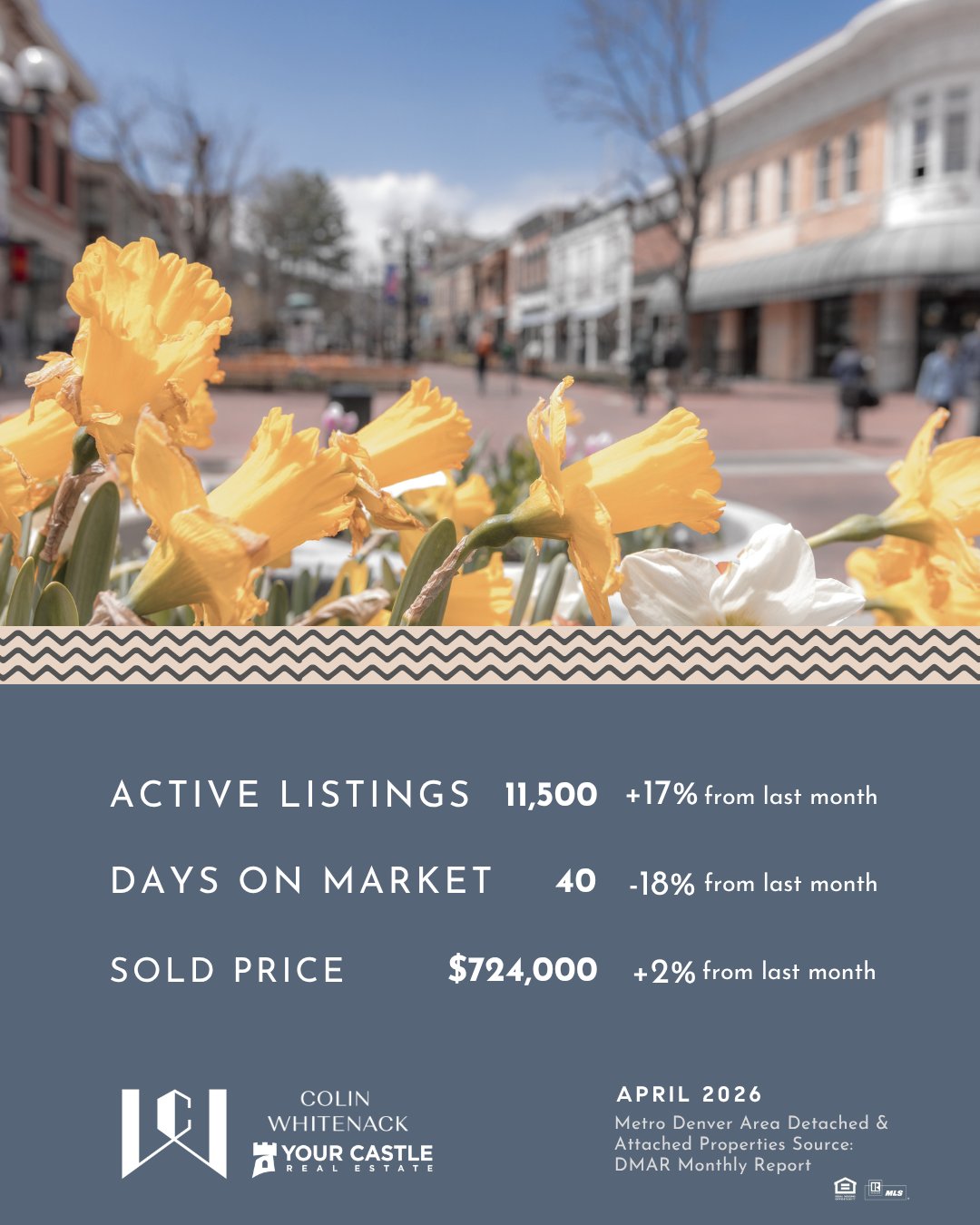
The metro's attached segment is soft, and the softness isn't spread evenly. DMAR's September 2026 report, published October 3, put the median close price for attached homes at $365,500 in September, down 6.28% year over year, with 7.21 months of inventory against 4.76 for the metro overall. In August, DMAR reported attached inventory up 9.94% year over year while detached inventory fell 4.21%, with attached homes spending a median 45 days in the MLS compared with 24 for detached.
The top of the attached market is moving the other way. Through September, year-to-date closed sales of $1 million-plus attached homes were up 6.35%, with a median of 23 days in the MLS, and sales rose in each of the three luxury attached price bands DMAR tracks.
Two cautions apply. First, these are metro figures, not LoHi figures. We found no non-portal source publishing attached-home data for LoHi or ZIP code 80211. Second, nothing in this data shows that the August 3 rules caused any of these numbers. The Colorado Association of Realtors' August report quoted a Boulder/Broomfield-area Realtor who said the rules "could shrink the pool of qualified buyers for buildings that don't meet the new standards." That was a forecast, made before most post-August closings existed.
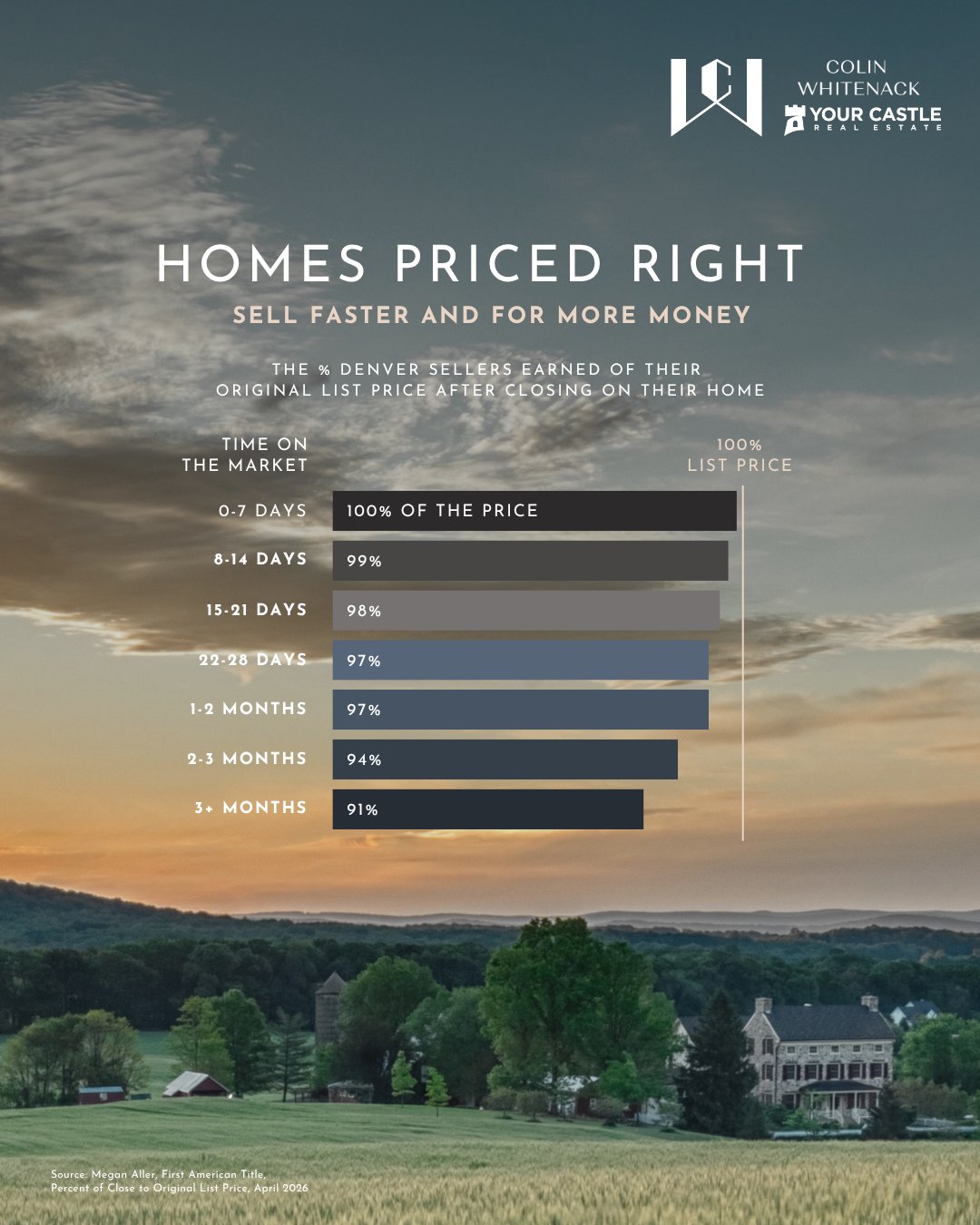
Financing costs went up during the same period. By the end of September, DMAR reported the 30-year fixed rate near 7.5%. Most September closings had gone under contract in August, when rates were closer to 6.7%. With more expensive loans, an attached home with a simple loan file reaches more buyers, and a building that needs a full review has more to prove before closing. DMAR's September report said the attached segment favors "sellers who price with HOA fees and insurance costs in mind." For a LoHi listing, that now includes knowing which lending path the building falls under before a buyer's lender finds out.
If you're weighing a LoHi condo or townhome, or getting ready to list one, Colin & Company can help you pull the declaration, unit count and HOA documents early so you know which lending path applies before you write an offer or set a price. Let's connect.
This article is general information, not legal, tax or financial advice. Consult a qualified professional about your situation.