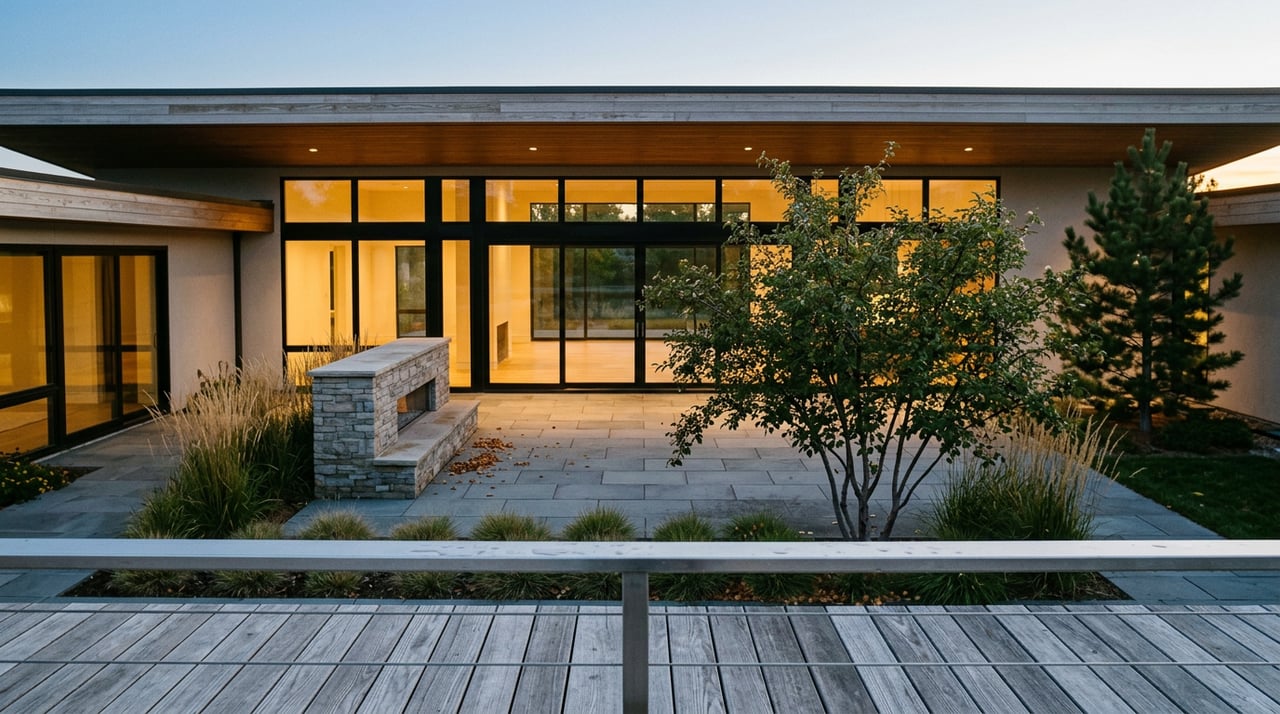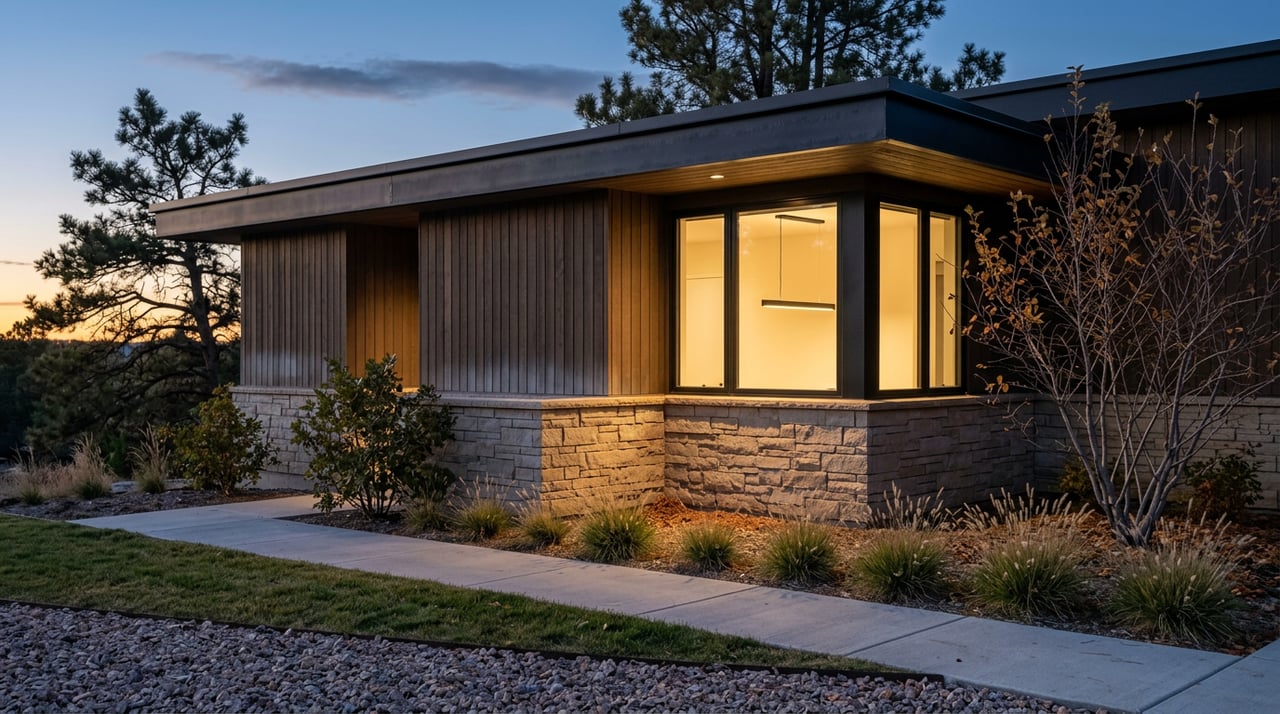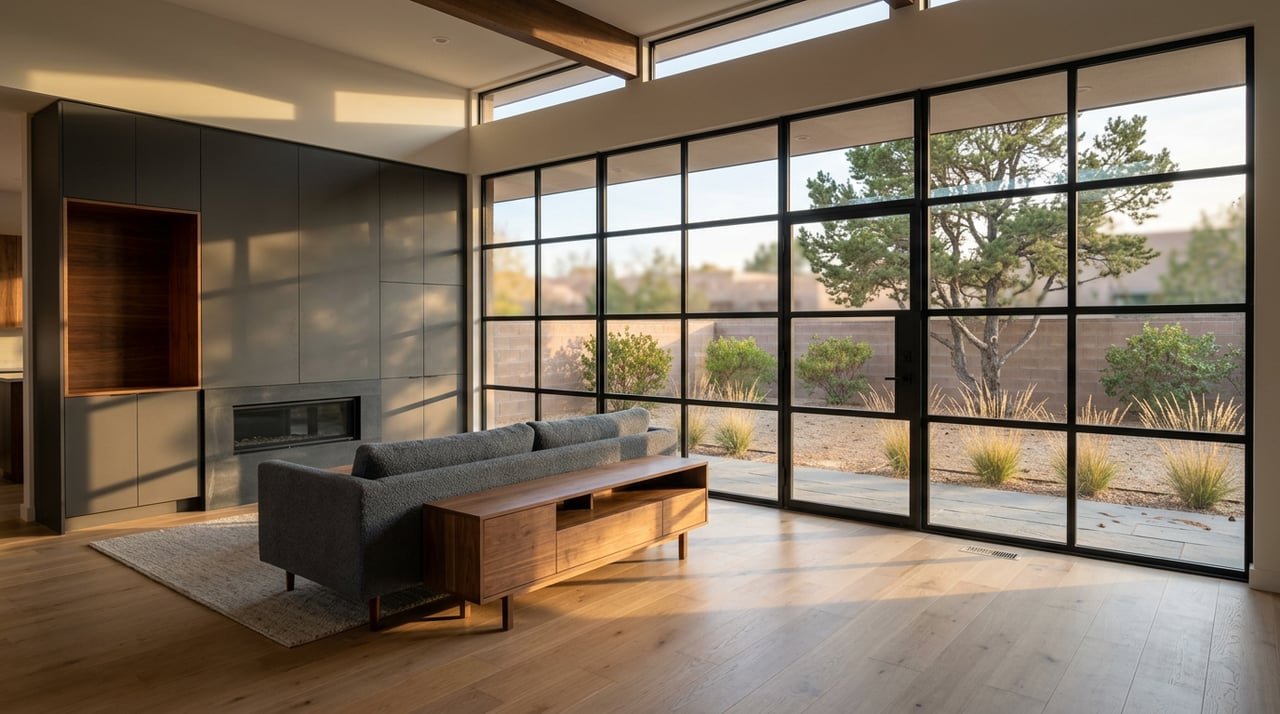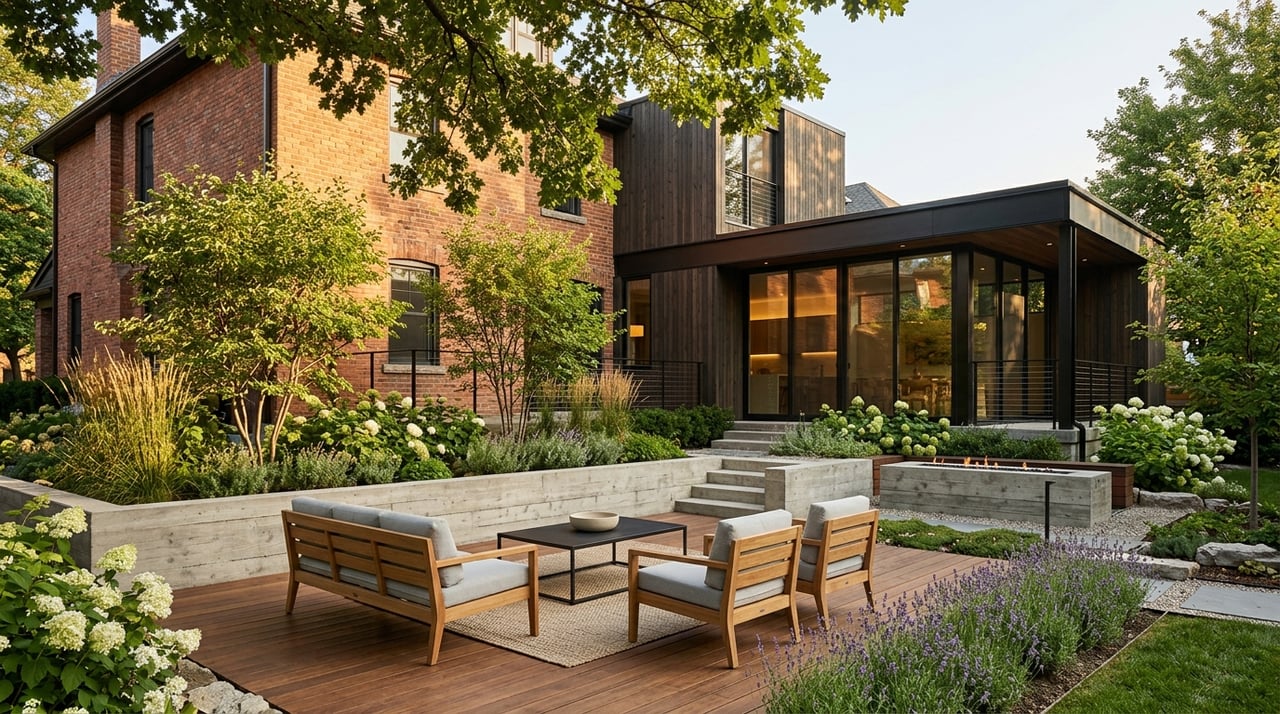
If you love Park Hill but your current home no longer fits your life, you are not alone. Many homeowners reach a point where they need more space, less upkeep, or a better layout, but still want to keep the routines, parks, and neighborhood feel they already know. The good news is that moving up or down within Park Hill is often possible, and this guide will help you think through your options with more clarity. Let’s dive in.
Why staying in Park Hill can work
Park Hill is not one single, uniform housing market. It is better understood as a group of overlapping micro-markets, including Park Hill, North Park Hill, Northeast Park Hill, and South Park Hill, each with different price points and housing options.
That matters if you want to make a move without leaving the neighborhood. You may be able to change your home size, lot size, condition, or budget simply by moving to a different part of Park Hill rather than starting over somewhere else in Denver.
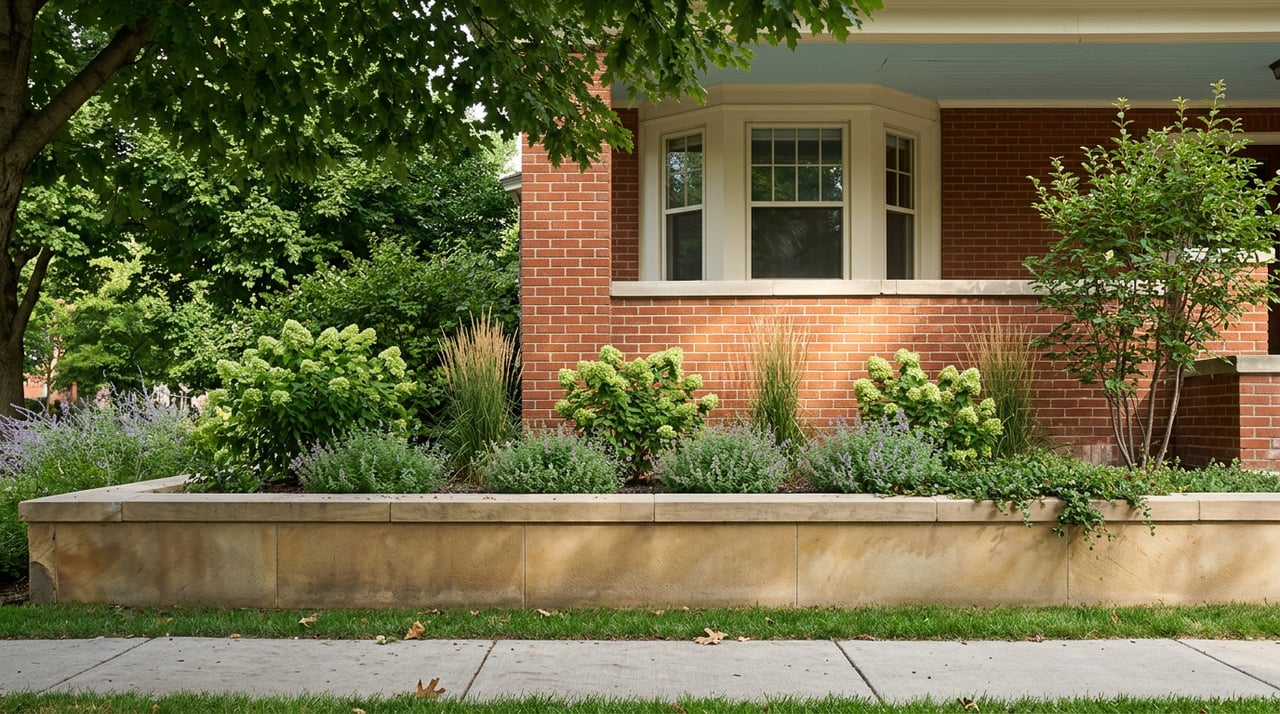
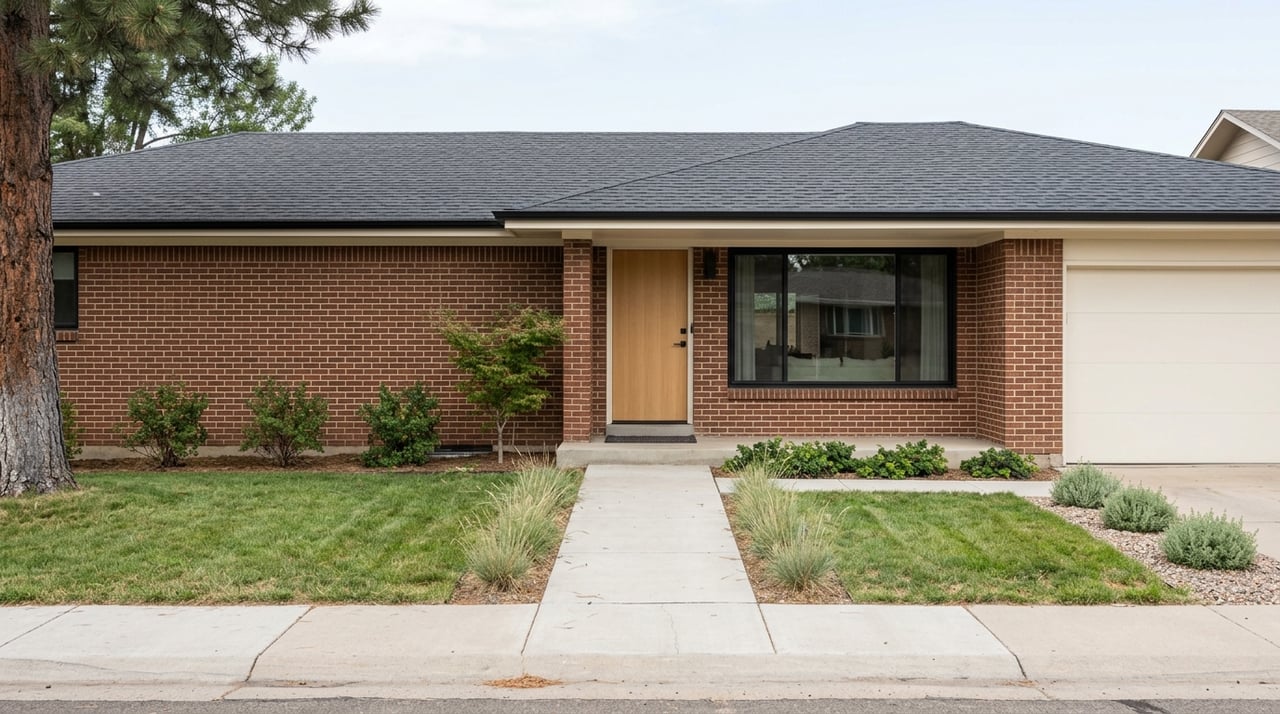
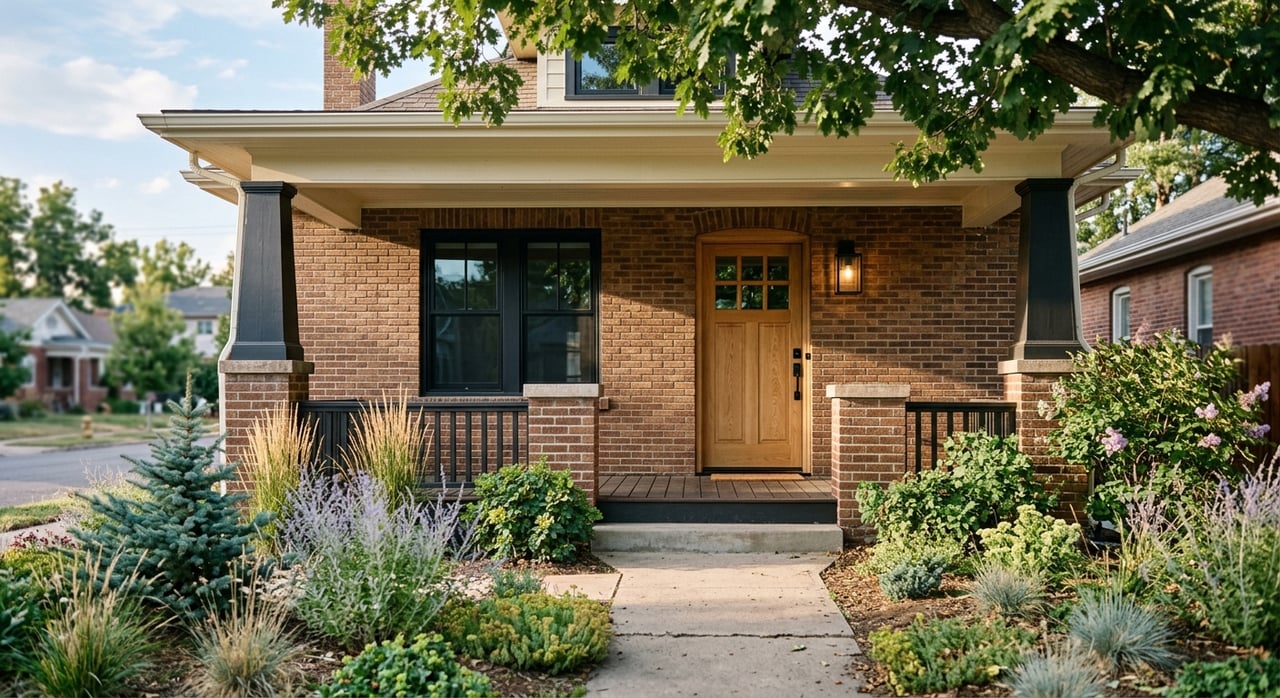
Park Hill also has a long-established housing stock with a wide mix of home styles. Denver’s East Area Plan notes that the area was first platted in 1887 and expanded during the early 20th century, with homes that include Denver Squares, Arts and Crafts, Tudor Revival, French Eclectic, and Colonial Revival styles.
For many homeowners, that architectural depth is part of the appeal. Instead of thinking only in terms of leaving, you may find that the better move is to right-size within Park Hill, renovate what you have, or create more flexibility on your current property.
Park Hill market differences matter
If you are upsizing or downsizing in Park Hill, local price differences should shape your plan. As of March 2026, Redfin reports a median sale price of $705,000 in Park Hill overall, with homes spending a median of 23 days on market.
Within the broader area, the numbers vary quite a bit. South Park Hill sits at a higher price point, with a median sale price near $984,000 and 21 days on market. Northeast Park Hill is more moderate, with a median listing price of $489,900 and 50 days on market, while North Park Hill falls in between with a median listing price of $640,000 and 31 days on market.
The takeaway is simple: you can stay in Park Hill and still move into a meaningfully different market. That can be helpful whether you want a larger home, a smaller home, a different maintenance level, or a better fit for your budget.
What upsizing can look like
Upsizing does not always mean leaving your lifestyle behind. In Park Hill, it may mean moving from a smaller home in one subarea to a larger home in another, or finding a property with a better floor plan, more bedrooms, a larger lot, or additional outdoor space.
Because Park Hill includes older homes with varied layouts, upsizing can also be about function, not just square footage. You may be looking for a main-floor office, a finished basement, more storage, or room for long-term guests rather than simply chasing a bigger number on paper.
If you are considering a move-up purchase, look beyond the list price. Colorado property taxes are based on assessed value and mill levies, and Denver says residential property is revalued on a two-year cycle using comparable sales. A larger home often brings higher ongoing ownership costs, so it is smart to compare monthly carrying costs, not just the mortgage.
What downsizing can look like
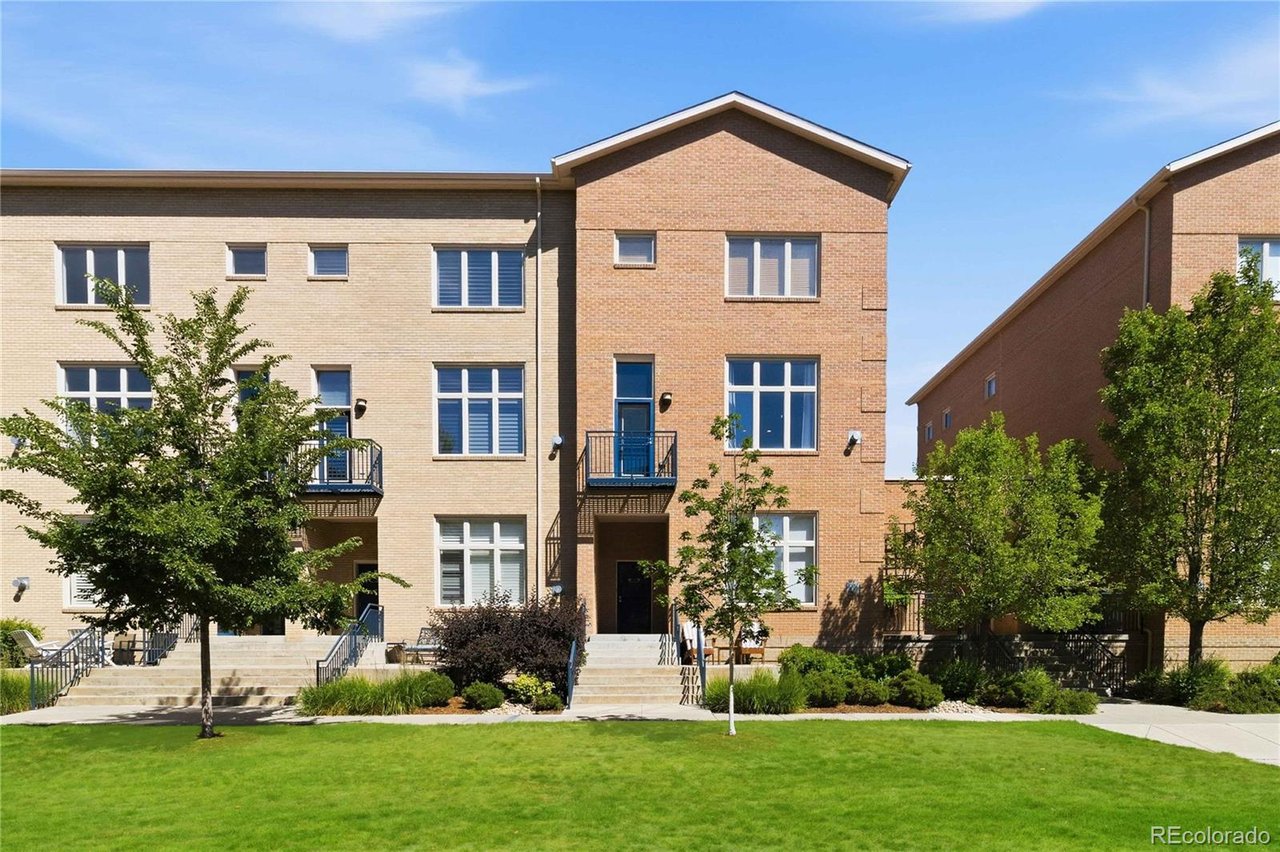
Downsizing in Park Hill does not have to feel like giving something up. For many homeowners, it is really about simplifying maintenance, improving daily flow, and keeping access to the neighborhood features they already enjoy.
That lifestyle piece matters here. Redfin rates Park Hill as somewhat walkable, with some transit and very bikeable access, which can make a smaller-home move feel more practical and more appealing.
The nearby park access adds to that value. City Park, Denver’s largest urban park, spans more than 300 acres and includes paths, athletic fields, tennis courts, an event venue, the Denver Zoo, and the Denver Museum of Nature & Science.
If you want less house but still want a neighborhood-oriented routine, Park Hill offers a strong case for staying local. In many cases, downsizing here is less about compromise and more about choosing ease.
Selling and buying at the same time
One of the biggest challenges in an in-neighborhood move is timing. If you are selling one Park Hill home and buying another, the process can feel like a balancing act, especially when different parts of the neighborhood move at different speeds.
A practical starting point is preapproval. The CFPB says a preapproval letter is not a guarantee, but sellers often require one, and it commonly expires after 30 to 60 days.
That timeline matters if you are trying to line up two transactions. In a faster-moving subarea like South Park Hill, where homes have recently moved in a median of 21 days, you may have less time to secure your next property after listing your current one.
In a more moderate pocket like Northeast Park Hill, where listings have recently taken longer, you may have more room to compare options. Either way, a clear financing plan can make your move feel far more manageable.
When bridge financing may help
Some homeowners want to buy before their current home sells. In that situation, temporary bridge or swing loans can be one possible tool.
The CFPB and Fannie Mae both describe bridge financing as an option in this scenario. Fannie Mae also says lenders must document your ability to carry the current home, the new home, the bridge loan, and your other obligations.
That means this strategy can work, but it needs careful review. If you are considering it, the main question is whether the convenience of buying first outweighs the added financial pressure during the overlap period.
Renovate, add on, or move?
In Park Hill, moving is not your only option. Because the neighborhood has older housing stock and a strong sense of place, renovation is often part of the conversation.
Denver’s East Area Plan supports preserving existing homes, celebrating architectural history, and encouraging complementary new construction. For homeowners, that creates a real middle ground between staying put and making a full move.
Renovating may make sense if your location still works and your main issue is layout or usable space. A reworked kitchen, better primary suite, basement finish, or addition could solve the problem without asking you to leave the block you already love.
That said, renovation is not always the easiest path. If your needs require a major footprint change, a large addition, or substantial exterior redesign, moving may be simpler and more predictable.
Could an ADU be the right middle path?
For some Park Hill owners, an accessory dwelling unit could create flexibility without requiring a full move. Denver now allows ADUs in all residential areas of the city.
The city defines ADUs as smaller self-contained living spaces that can function as a family suite, rental, or smaller home alternative. That makes them worth considering if your goals include multigenerational living, added flexibility, or creating a smaller on-site living option.
There are important rules, though. ADUs still require zoning and permit compliance, must be built by a licensed contractor, and homeowners cannot apply for ADU permits themselves.
If your property is in a designated historic district, exterior work and demolition may also be reviewed by Denver Landmark Preservation staff. ADU design review can also apply in historic areas, so the specific property matters.
How to choose the right path
If you are deciding whether to upsize, downsize, renovate, or add an ADU, start with the issue you are actually trying to solve. For some households, the problem is square footage. For others, it is layout, stairs, maintenance, storage, or monthly costs.
Once you know the real problem, you can compare your options more clearly. In Park Hill, the best answer is not always to buy bigger or buy smaller. Sometimes the smarter move is choosing a different subarea, improving your current home, or adding flexibility to the property you already own.
A simple framework can help:
- Move within Park Hill if you want a different size, price point, or home style while keeping your neighborhood routine
- Renovate if the location works and your home can realistically be adapted to fit your needs
- Consider an ADU if you want more flexibility for family, rental use, or a smaller living setup on the same property
- Review full ownership costs if upsizing, especially property taxes and ongoing maintenance
- Plan financing early if you need to buy and sell at the same time
Park Hill remains appealing for a reason. Its layered housing stock, access to major parks and cultural destinations, and active neighborhood planning conversations all make it a place where many residents would rather adjust than leave.
If that sounds like you, the next step is not guessing. It is looking closely at your current home, your likely sale range, and what your next move could realistically look like inside the neighborhood.
If you are weighing whether to move, renovate, or rework your strategy within Park Hill, Colin Whitenack can help you think through the options with a local, practical approach.
FAQs
Can you downsize in Park Hill without leaving the neighborhood?
- Yes, often you can, but it depends on the subarea, your budget, and the type of home you want, since South Park Hill, North Park Hill, and Northeast Park Hill can sit in very different price ranges.
Is renovating a Park Hill home better than moving?
- Not always, because renovation makes the most sense when the location and lot still work for you, while a move may be simpler if you need a major addition, a new footprint, or large exterior changes.
Can a Park Hill ADU help with downsizing or multigenerational living?
- Sometimes, yes, because Denver allows ADUs citywide in residential areas, but zoning, permitting, contractor requirements, and possible historic review still determine what is feasible on a specific property.
How fast do Park Hill homes sell when moving within the neighborhood?
- It depends on the subarea, with recent market data showing faster movement in South Park Hill than in some other parts of the broader Park Hill area.
What should you review before upsizing in Park Hill?
- You should review both the purchase price and the ongoing ownership costs, including property taxes, maintenance, and the timing of selling your current home while buying the next one.