Wondering where you can live in Arvada and still keep your Denver commute manageable without giving up character? You are not alone. If you want a neighborhood that fits your daily routine and your lifestyle, Arvada gives you several strong options. From rail-accessible pockets to park-centered communities and newer northwest areas, here is how to narrow your search and find the right fit. Let’s dive in.
Why Arvada Works for Denver Commuters
Arvada stands out because it gives you more than one way to get around. The RTD G Line connects Denver Union Station to Wheat Ridge and includes three Arvada stops: Gold Strike, Olde Town Arvada, and Arvada Ridge. The city also notes that RTD bus service and call-n-ride are available, which adds flexibility if you do not want to rely on one commute option.
Driving still matters in a big way here. Arvada identifies Wadsworth Boulevard, Sheridan Boulevard, and State Highway 72 as major corridors, so your neighborhood choice can shape how easy your trip feels on a typical weekday. In other words, the best Arvada neighborhood for you depends on whether you value rail access, direct road access, or a mix of both.
There is also a lifestyle bonus that sets Arvada apart. The city manages a 4,200-acre parks, open-space, and trail system, with more than 90 neighborhood parks and one within a ten-minute walk of 96% of residents. It also has more than 150 miles of trails, and the city specifically says the trail network is suitable for commuting.
Olde Town Arvada Offers Rail and Charm
If you want the clearest mix of local character and commuter convenience, start with Olde Town Arvada. The city describes it as a historic downtown listed on the National Register of Historic Places, and it includes one of Arvada’s three G Line stations. You also get a setting with residential living, shopping, and dining in one compact area.
This is the pocket that feels most naturally walkable and transit-oriented. City planning and reinvestment efforts in Olde Town have focused on preserving historic charm while improving walkability. That combination makes it a strong fit if you want to be able to leave the car parked more often.
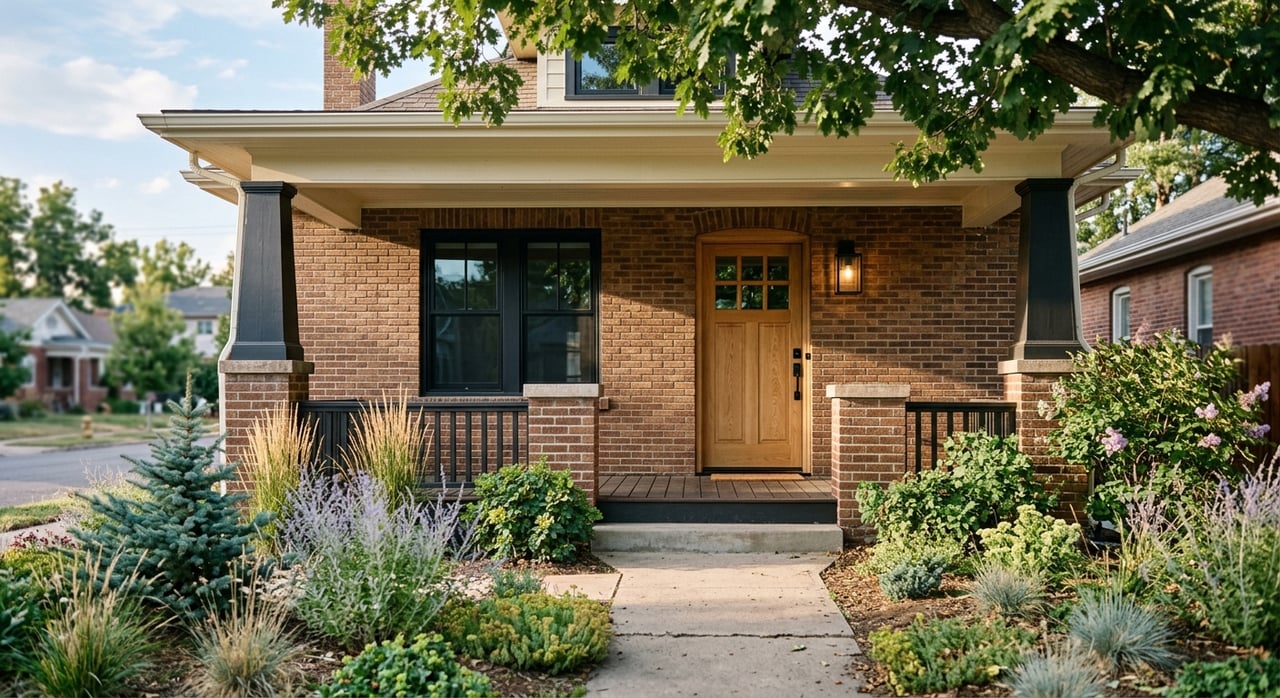
Within the historic district, Reno Park adds another layer of appeal. The city describes it as an area of single-family homes, many built in the 1800s, with smaller lots, front yards, and alley-loaded garages. If you are drawn to older homes and a more established streetscape, this is one of the most distinctive parts of Arvada.
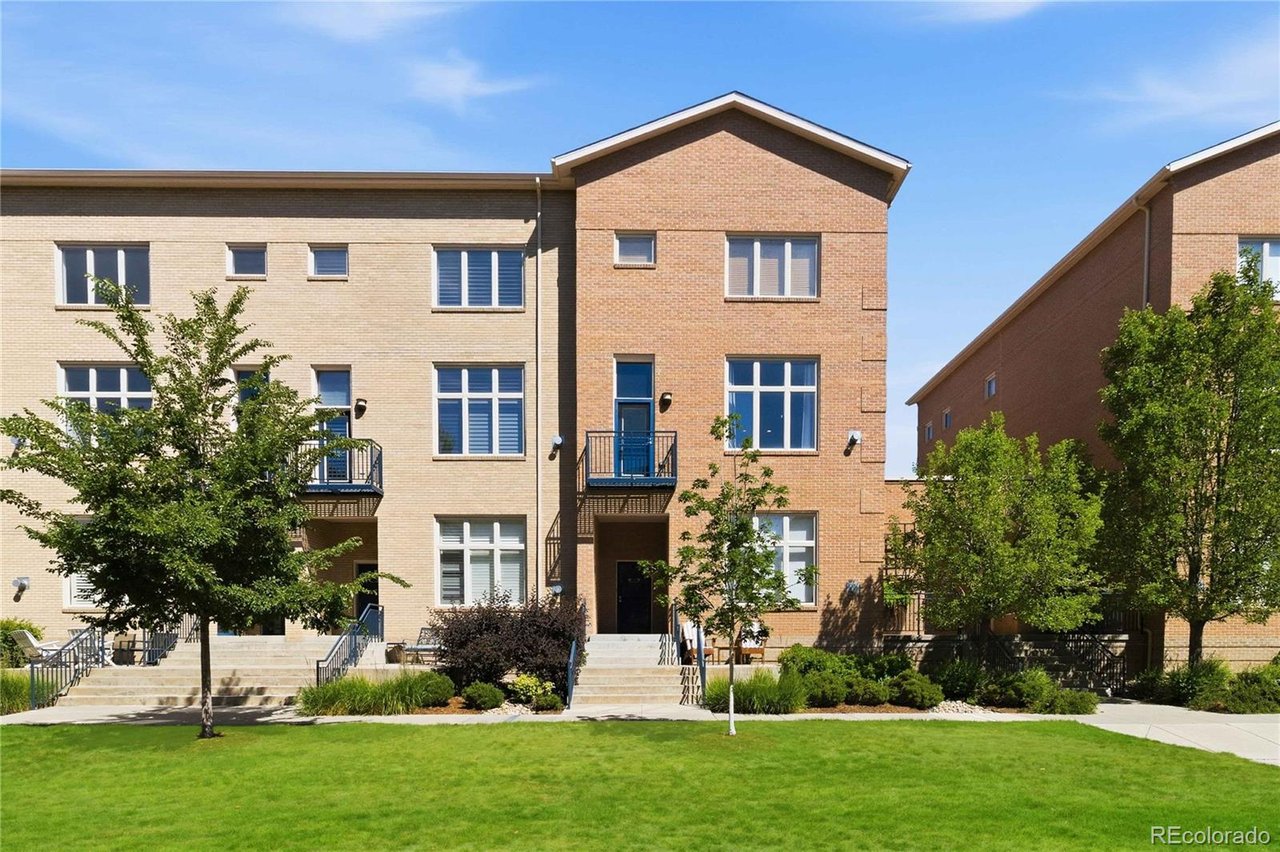
Housing here can be more varied than many buyers expect. Based on the city’s zoning and design guidance, you may find older detached homes, duplexes, condos, townhomes, and mixed-use or live-work style properties. That flexibility can be helpful if you want walkability but do not need a traditional suburban layout.
Best fit for Olde Town
Olde Town may be your best match if you want:
- Walkable access to dining and local businesses
- Direct G Line access for Denver trips
- Historic character and a more urban feel
- A wider range of home types than a typical suburban area
Arvada Ridge and New Town Feel Commute-Ready
If your top priority is an efficient commute but you still want Arvada convenience, look at the New Town and Arvada Ridge areas. The city says the New Town sub-area runs along Wadsworth Boulevard and Bypass between the G Line tracks and Interstate 70, including the Arvada Marketplace area. This makes it one of the more corridor-oriented parts of the city.
Arvada Ridge Station is especially useful to know about. The city describes it as an easy walk to Red Rocks Community College, and notes that a new underpass at Kipling improves pedestrian and cyclist access. Nearby housing includes both single-family and multi-family options, which gives buyers a broader range of price points and layouts.
Gold Strike Station is another useful stop in east Arvada. The city says this area includes industrial, residential, and agricultural uses, which helps explain why it feels different from Olde Town. It is practical and commute-oriented, but generally less centered on historic downtown ambiance.
This pocket is a good choice if you want newer or more corridor-style development patterns. Based on the city’s station-area descriptions and redevelopment framework, buyers here should expect a mix of condos, townhomes, apartments, and some single-family housing nearby. If convenience matters more than old-house charm, this area deserves a close look.
Best fit for Arvada Ridge and New Town
This part of Arvada may work well for you if you want:
- Quick access to the G Line
- Convenient connections to major roads
- A mix of housing types
- A newer, more redevelopment-focused setting
Central and East Arvada Feel More Suburban
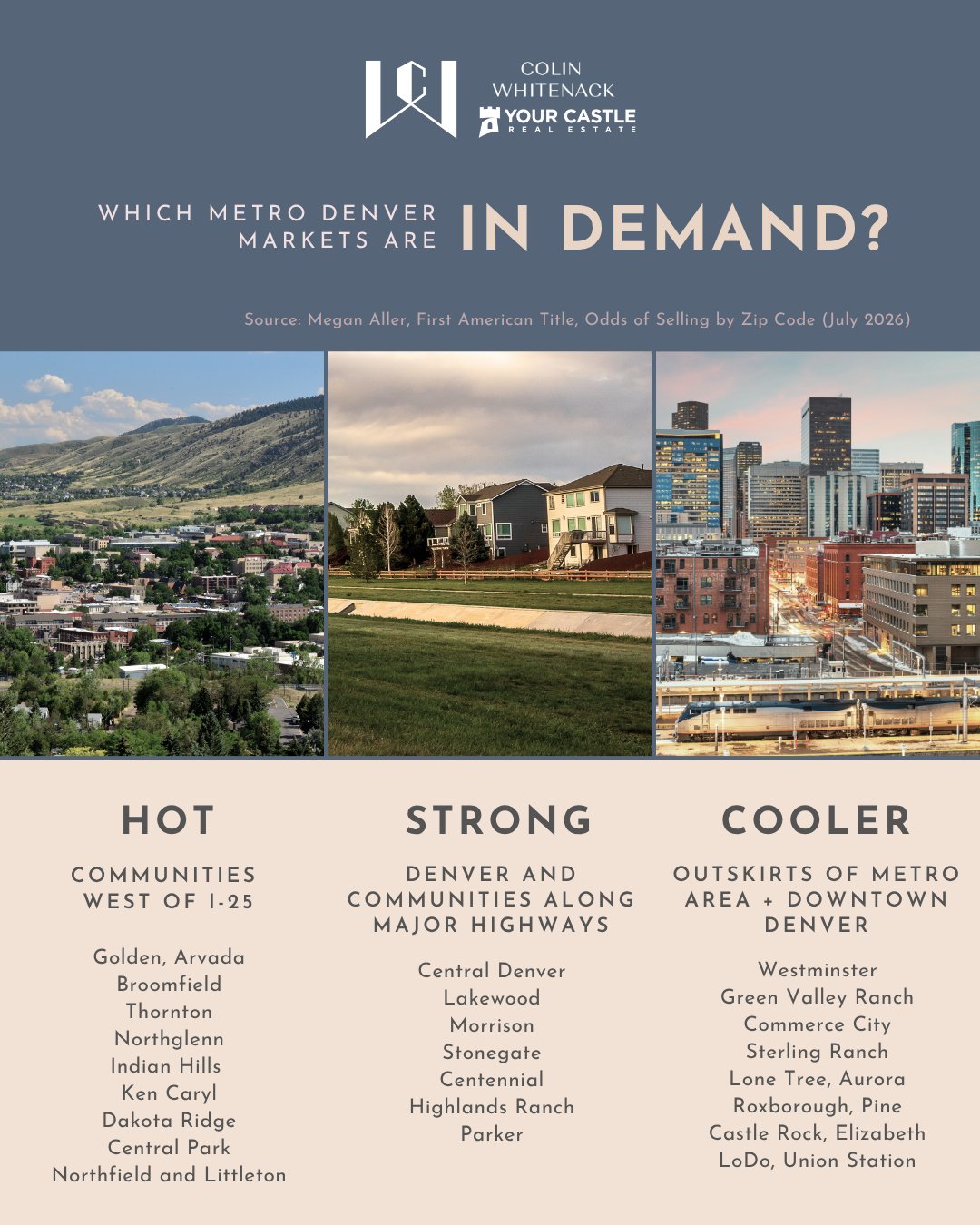
Not every buyer wants a rail-first lifestyle. If you are looking for mature neighborhoods, park access, and a more traditional suburban feel, central and east Arvada have several well-known pockets to explore. The city’s Neighborhood Leader Network includes areas such as Lake Arbor, Lamar Heights, Scenic Heights, Pomona, Ralston Estates, and Maple Valley.
These neighborhoods often stand out because of their connection to parks and trails. The Ralston Creek Trail ties together parks and open space including Ralston Valley and Maple Valley. The Little Dry Creek Trail connects neighborhood parks such as Lakecrest, Wood Run, and Michael Northey, which helps explain why these areas often feel green and connected.
Lake Arbor adds a distinct amenity layer. The city is working on a long-term master plan for the Lake Arbor Center and Golf Course, and it describes the golf course as a lush oasis in an urban setting. That gives this area a recognizable identity for buyers who want suburban convenience with outdoor amenities close by.
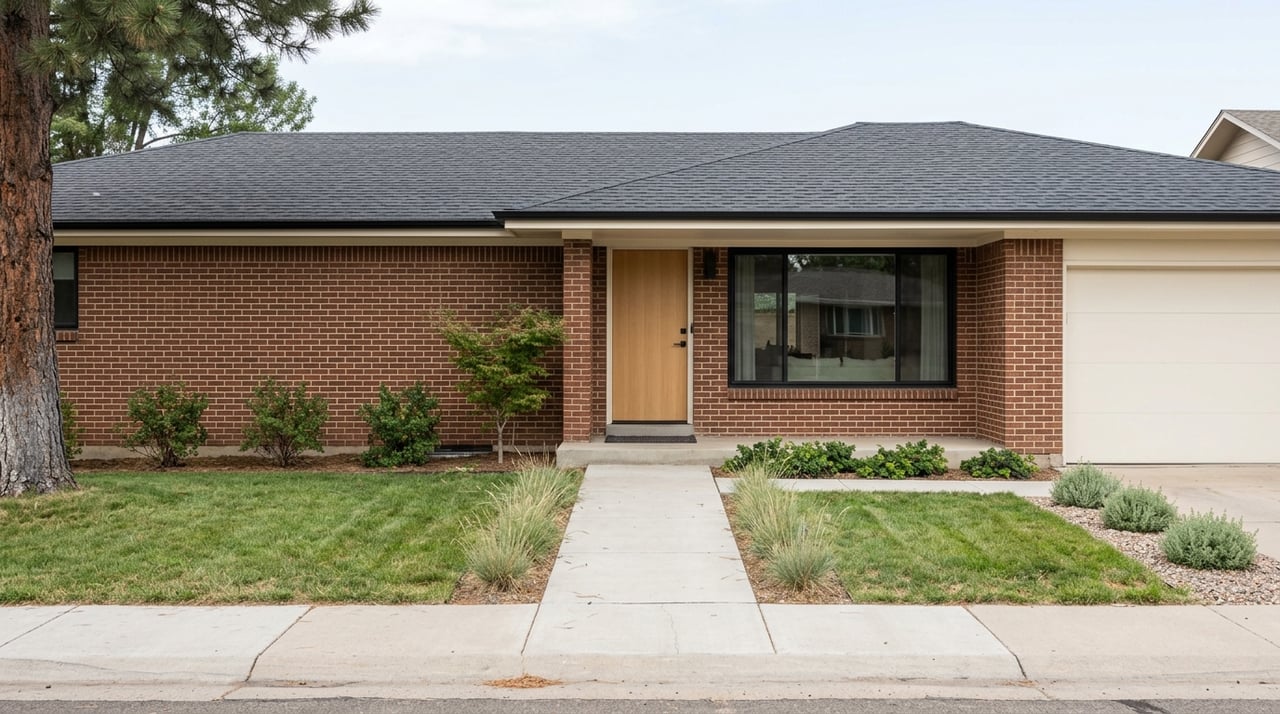
In general, these established neighborhoods are best for buyers who want mature streetscapes and everyday ease rather than a highly transit-centered location. Based on Arvada’s overall housing pattern, you should typically expect mostly detached single-family homes, with some attached options near recreation or commercial nodes. It is a practical choice for buyers who want space, parks, and a more familiar suburban rhythm.
Best fit for central and east Arvada
These neighborhoods may be right for you if you want:
- Established streets and mature landscaping
- Parks and trail access nearby
- Mostly detached homes
- A suburban setting with convenient daily amenities
Northwest Arvada Offers Space and Newer Homes
If you are hoping for more elbow room, newer construction, and stronger open-space character, northwest Arvada is worth your attention. This broader area includes West Woods, Leyden Rock, Candelas, and the Indiana Street corridor. The city’s planning documents identify Candelas and Leyden Rock as growth and redevelopment areas, which helps explain why many buyers look here for newer housing choices.
Infrastructure updates are part of the story. The city’s Leyden Road project is adding bike lanes, sidewalks, and curb-and-gutter between Indiana Street and Highway 93. The Barbara Gulch Trail currently stops at the west end of the Leyden Rock subdivision, and the city says it is planned to extend farther west as opportunities become available.
This area has a different type of charm than Olde Town. West Woods Golf Club is framed by mountain views, and the west side has a stronger foothills and open-space identity. If your ideal neighborhood feels a little more removed from the city core, this part of Arvada often delivers that atmosphere.
Most buyers will find mostly newer single-family homes in these northwest areas, with some townhomes or multifamily near corridor and redevelopment edges. The city has also processed Candelas rezoning that would allow multifamily residential development on at least one parcel, so housing here is not limited to detached homes only. This is a helpful pocket to consider if you want a newer home without leaving Arvada.
Best fit for northwest Arvada
Northwest Arvada may be your best match if you want:
- Newer construction
- More space and open-sky surroundings
- Access to trails and outdoor amenities
- A less rail-focused and more car-oriented commute pattern
What Gives Arvada Its Local Charm
Arvada’s charm is not limited to one neighborhood. Olde Town brings historic downtown character, while central and east neighborhoods offer trail-and-park living. Northwest Arvada adds golf-course scenery, open-space edges, and newer master-planned areas.
That variety is one reason Arvada appeals to so many different buyers. The city says its parks and recreation system includes more than 100 park sites and over 150 miles of trails, with primary trails following creek or canal corridors. Even if you are not living near downtown, many neighborhoods still feel connected to green space.
You can also see local identity in smaller details. The east side includes Gold Strike Park and a corridor tied to Arvada’s gold-rush heritage. The west side leans more into foothills views, preserved open space, and public art near the Leyden Rock trail area.
How Housing Choices May Evolve
Arvada is still a city where existing housing stock primarily consists of single-family homes, and the city says 75% of households own their home. That gives many neighborhoods a stable, residential feel. At the same time, the city has said recent state housing laws will push greater density, lower parking minimums, more ADUs, and more people living together.
That matters if you are thinking long term. Arvada currently allows ADUs in all residential zone districts when an existing detached single-family home is on the lot. For some buyers and owners, that may create more flexibility over time in older single-family neighborhoods.
How to Choose the Right Arvada Neighborhood
A good Arvada home search starts with your routine, not just a map. Think about how often you expect to commute to Denver, whether you want rail access, and how important walkability is in your daily life. Then weigh that against the kind of home and setting you want.
A simple way to narrow your options is to ask yourself these questions:
- Do you want to walk to dining, shops, and a rail station?
- Do you prefer a newer home over historic character?
- Is trail access or park access a daily priority?
- Would you rather have a central location or more space in northwest Arvada?
- Do you want a mostly detached-home neighborhood or a mix of housing types?
If you are comparing neighborhoods in Arvada, it helps to look at both commute patterns and lifestyle fit side by side. The best choice is usually the one that makes your weekdays easier and your weekends more enjoyable. If you want help narrowing down the right pocket for your budget, commute, and goals, Colin Whitenack can help you sort through the options with a local, personalized approach.
FAQs
Which Arvada neighborhood is best for commuting to Denver by rail?
- Olde Town Arvada is the strongest option for rail-oriented commuting, with Arvada Ridge also standing out as a transit-friendly pocket because both are served by the G Line.
Which Arvada neighborhoods have the most local charm?
- Olde Town Arvada is the most historic and walkable, while other parts of Arvada offer different kinds of charm through parks, trails, golf-course scenery, open space, and foothills views.
Which Arvada areas have newer homes?
- The New Town and Arvada Ridge corridor, along with northwest areas like Candelas and Leyden Rock, are the most useful places to explore for newer housing options.
Which Arvada neighborhoods feel most suburban?
- Established neighborhoods such as Lake Arbor, Lamar Heights, Scenic Heights, Pomona, Ralston Estates, and Maple Valley are typically the best fit if you want a more suburban, park-centered setting.
Can you build an ADU in Arvada?
- Arvada currently allows ADUs in all residential zone districts when there is an existing detached single-family home on the lot.
Is Arvada mostly single-family housing?
- Yes. The city says its existing housing stock primarily consists of single-family homes, though some areas also include attached housing and mixed-use development.