If you own a historic home in Littleton, you may be wondering how to attract buyers who also have plenty of newer options. That is a real concern in a market where older homes compete with more recent construction, and where buyers often ask sharper questions about condition, maintenance, and livability. The good news is that character still matters, especially when it is paired with clear documentation and smart presentation. Here is how to position a historic Littleton home for today’s buyer.
Why historic homes need a modern strategy
Littleton has a meaningful share of older housing, even as it also offers plenty of newer homes. According to the city’s housing study, about 35% of the housing stock was built from 1940 to 1980, while 35% was built from 1980 to 2000. That means your home is not just competing with other classic properties. It is also being compared to homes that may feel more updated on day one.
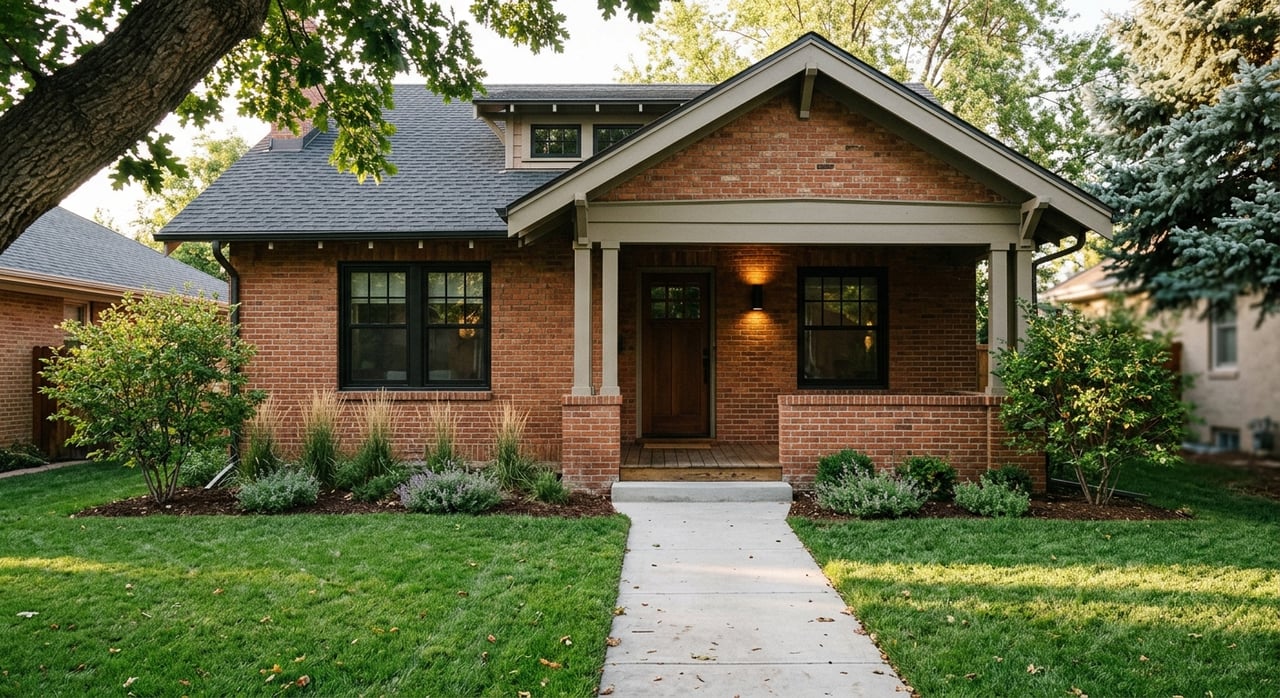
At the same time, buyers still respond to homes with a strong sense of place. Littleton’s historic districts and established blocks offer something newer construction cannot easily replicate: architectural character, continuity, and a connection to the city’s history. Your job as a seller is to help buyers see that charm while reducing any fear around upkeep.
Know Littleton’s historic rules
Before you list, it helps to confirm whether your property is in one of Littleton’s historic districts or designated as a landmark. The city identifies the Main Street Historic District and Louthan Heights as named historic districts, and it defines a historic landmark as a resource at least 40 years old with historical, architectural, archaeological, or cultural importance. You can review that framework in the Littleton code materials.
This matters because exterior work may require a certificate of historic appropriateness, and demolition can require a certificate of demolition. If you are planning quick curb appeal updates before listing, do not assume every exterior change is simple. Checking city requirements early can save time, money, and stress.
Exterior updates can affect timing
A fresh coat of paint, replacement windows, new railings, or a porch repair may seem like easy pre-list projects. In a historic district, though, those changes may involve review depending on the scope of work. That makes planning especially important if you want to hit a specific listing date.
If you are unsure, start by confirming what work was previously completed and whether permits or approvals exist. Buyers tend to feel more comfortable when a seller can show a clean paper trail.
What today’s buyers want to know
Historic-home buyers are often drawn in by original details, but they usually make decisions based on practical questions. National Association of Realtors data shows that buyers of new construction often choose it to avoid renovations and concerns about plumbing or electrical issues. You can see that trend in NAR’s buyer research on new construction preferences.
That does not mean your home is at a disadvantage. It means your listing should answer concerns before they turn into objections. Buyers want to know what is original, what has been improved, what has been serviced, and what they may need to plan for later.
Focus on clarity, not spin
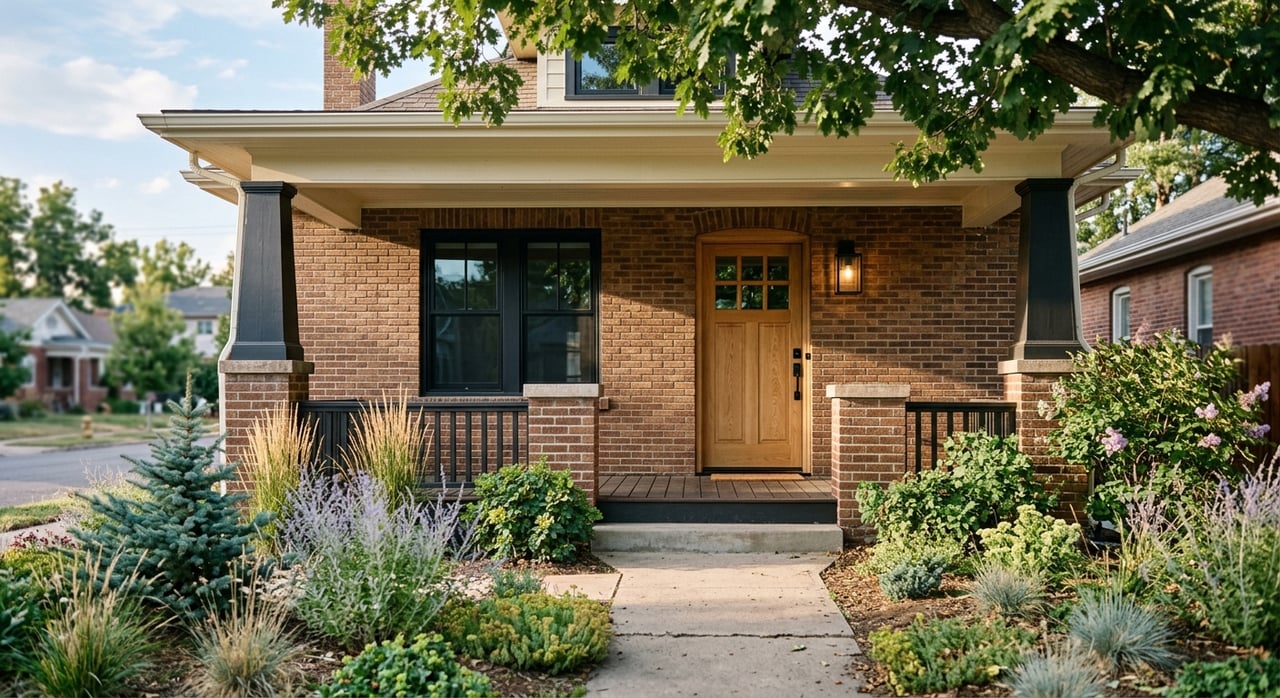
A strong historic listing does not try to make an older home sound brand new. Instead, it separates character from concern. Original millwork, mature landscaping, and classic architecture can be selling points, while a concise summary of systems and repairs helps buyers understand the home’s current condition.
That kind of transparency fits what buyers are looking for today. According to NAR’s 2024 Profile of Home Buyers and Sellers, buyers place high value on neighborhood quality and convenience to friends and family. For a Littleton seller, that means the story is not just about the house itself. It is also about the appeal of an established setting and the lifestyle that comes with it.
Prepare the home before it hits the market
When you list a historic Littleton home, preparation matters. Older homes can show wear more quickly, and the city’s housing study notes that older houses tend to have more condition issues and are more likely to contain lead-based paint. A thoughtful pre-list review can make your sale smoother and your marketing more credible.
Start with the basics:
- Address visible deferred maintenance
- Gather receipts, permits, and contractor records
- Create a simple timeline of major updates
- Note recent servicing for HVAC, roof, plumbing, or electrical systems
- Confirm whether any exterior changes required city review
You do not need to over-renovate to compete. In many cases, buyers respond best when a home is well cared for, cleanly presented, and honestly documented.
Consider a pre-list systems summary
One of the most useful tools for a historic listing is a one-page summary of the home’s major systems. Include dates for upgrades or servicing when possible, and clearly note what is believed to be original versus updated. This can help buyers feel more confident during showings and inspections.
A systems summary also helps your marketing support the home’s story. Instead of asking buyers to guess, you are giving them context that makes the property feel more understandable and less risky.
Do not overlook lead paint and radon
If your home was built before 1978, federal rules require sellers to disclose known lead-based paint hazards, provide the EPA pamphlet, include specific warning language in the contract, and give buyers a 10-day opportunity to test unless that right is waived. The EPA summary of lead-based paint disclosure requirements outlines these obligations clearly.
Lead disclosure is not just a paperwork issue. It is part of building trust. If you have reports, repair records, or prior documentation, having those materials ready can help the process move more smoothly.
Radon is also a key issue in Colorado. The Colorado Department of Public Health and Environment says radon is the second leading cause of lung cancer and is found at elevated levels in one out of every two Colorado homes. The agency recommends testing during a real estate transaction, ideally with a licensed professional, and notes that the best test area is the lowest level that could become living space. You can review those guidelines on the CDPHE radon testing page.
Why these topics matter in marketing
Some sellers worry that discussing environmental or system-related issues will scare buyers away. In reality, the opposite is often true. When you proactively address common questions, your listing feels better prepared and easier to trust.
For historic homes especially, confidence can be just as important as charm. Buyers may fall in love with original details, but they still want to know the home has been responsibly cared for.
Tell a story buyers can picture
The best marketing for a historic Littleton home is not just a list of vintage features. It is a clear story about how the home lives today. That story should connect architectural character with practical updates and the appeal of an established Littleton setting.
For example, instead of only highlighting age, your listing can show buyers how preserved details work alongside improvements that support daily life. If the home has original craftsmanship, say so. If the electrical panel was updated, say that too. If the basement was tested for radon or a major system was recently serviced, include it.
Show what is original and what is improved
Buyers do not want to guess which elements are part of the home’s charm and which may need near-term attention. A thoughtful listing package can make that distinction much easier. In practice, that often means clearly identifying:
- Original architectural details
- Cosmetic updates completed by the current owner
- Functional system upgrades
- Recent maintenance or servicing
- Any work that may still be on a future owner’s to-do list
This approach helps preserve the romance of a historic property while respecting the way modern buyers evaluate risk.
Pricing and presentation still matter
Even in a strong market, historic homes do not sell on charm alone. Redfin’s Littleton market data reported in February 2026 that the market was very competitive, with a median sale price of $615,000, about two offers on average, and a typical sale time of around 21 days. That suggests buyers can move quickly, but only when a home is priced and presented in a way that matches the market.
For a historic listing, presentation should help buyers feel both inspired and informed. Strong photography, a polished online presence, and thoughtful marketing remarks can highlight the home’s distinctive appeal. At the same time, accurate pricing and clear disclosures help reduce the friction that can slow a deal down.
A thoughtful listing creates confidence
Selling a historic home in Littleton is rarely about making it feel like new construction. It is about helping buyers appreciate what makes the property special while answering the questions that matter most today. When you preserve the charm, document the upgrades, and prepare for the right buyer conversations, you give your home a stronger chance to stand out.
If you are thinking about listing a historic property in Littleton, a tailored strategy can make all the difference. Colin Whitenack can help you position your home with clear guidance, polished marketing, and a neighborhood-focused approach that respects both the home’s history and today’s buyer expectations.
FAQs
What makes a home historic in Littleton?
- Littleton defines a historic landmark as a resource that is at least 40 years old and has historical, architectural, archaeological, or cultural importance, and the city also has named historic districts including Main Street Historic District and Louthan Heights.
What should Littleton sellers check before making exterior updates to a historic home?
- If the property is in a historic district or is a landmark, exterior work may require a certificate of historic appropriateness, so you should confirm city review requirements before starting projects.
What do buyers ask about older Littleton homes most often?
- Buyers commonly ask which major systems have been updated, when they were last serviced, whether permits or contractor records are available, and whether the home has any known lead paint or radon-related documentation.
What are the lead-based paint rules for selling a home built before 1978?
- Sellers must disclose known lead-based paint hazards, provide the EPA pamphlet, include required warning language in the contract, and give buyers a 10-day opportunity to test unless that right is waived.
Why is radon important when selling a home in Littleton, Colorado?
- Colorado reports elevated radon levels in one out of every two homes, and CDPHE recommends testing during a real estate transaction, especially in the lowest level that could be used as living space.
How can you market a historic Littleton home to today’s buyers?
- The strongest approach is to highlight the home’s preserved character, clearly document updates and servicing, and present the property as both distinctive and well understood.