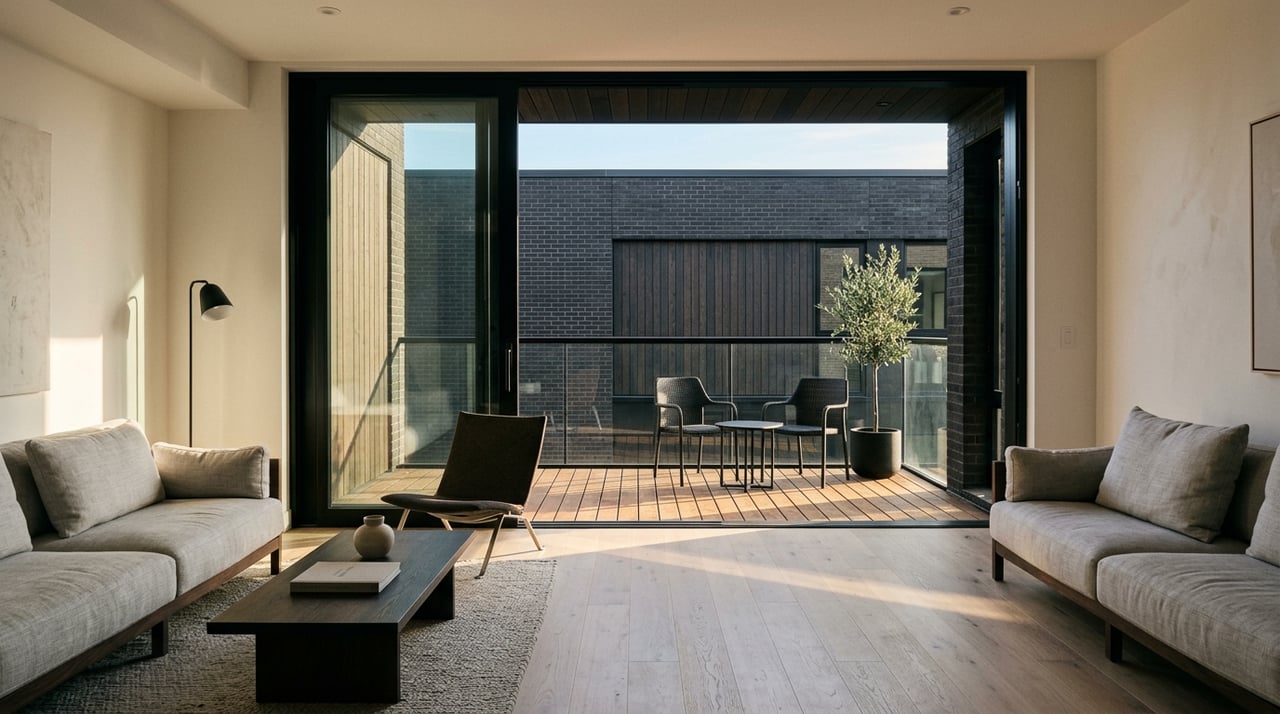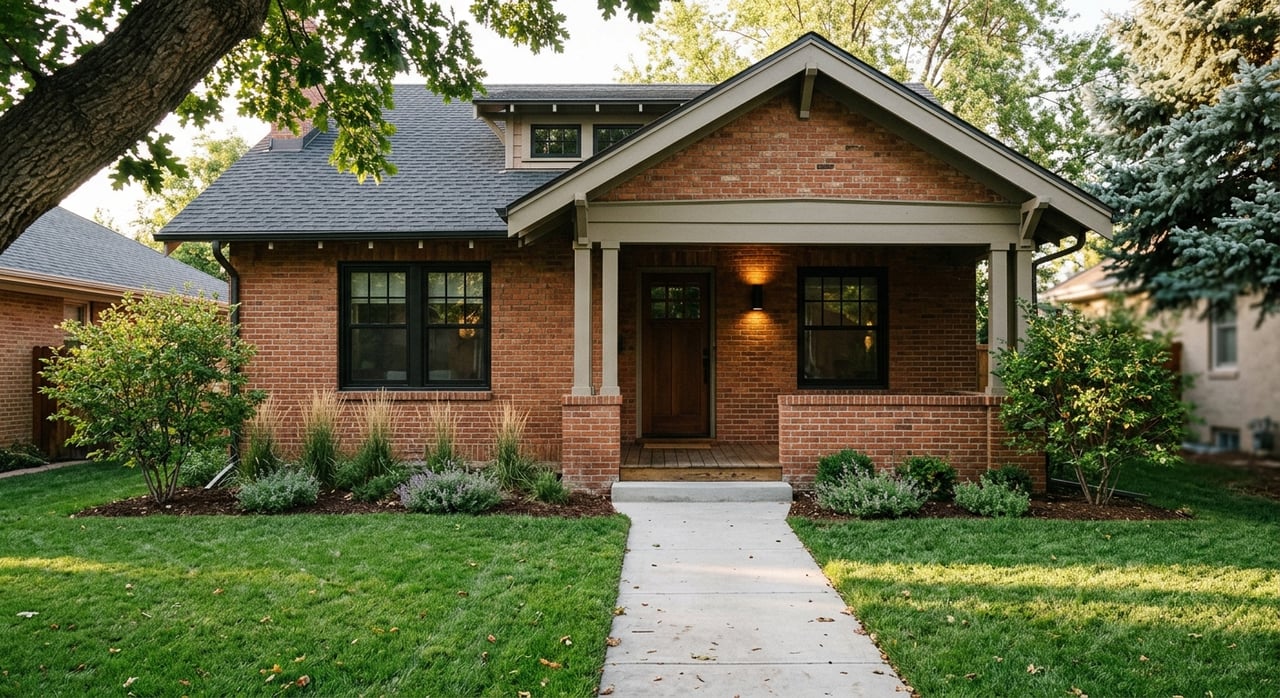
Thinking about a condo or townhome in Lakewood but not sure which neighborhood fits you best? Between Belmar’s walkable core, the Union Boulevard corridor’s value, and the foothills’ trail access, your options span distinct lifestyles and price points. In this guide, you’ll learn how each pocket feels, what recent numbers show, how HOAs and financing work, and the day-to-day details like parking and EVs. Let’s dive in.
Lakewood at a glance
Lakewood offers one of Jefferson County’s deepest selections of condos and townhomes. The city reports roughly 1,100 attached-home sales per year on average since 2015, which means you have plenty of choices across ages, sizes, and HOA structures (City of Lakewood Strategic Housing Plan, Jan 2024). Inventory, pricing, and finishes change quickly block to block, so map your short list by subdivision or building.
Neighborhoods: Belmar, Union, Foothills
Belmar: walkable downtown living
Belmar is Lakewood’s pedestrian-scaled hub, built around a mixed-use redevelopment with shops, dining, and cultural amenities. You’ll find mid-rise condos, newer townhomes, and some live-work buildings, all oriented to walkability and quick transit connections. Belmar carries price premiums relative to many Lakewood subareas, so use address-level comps to gauge value (City of Lakewood plan, Jan 2024). If transit matters, parts of Belmar sit near RTD’s W Line stations, a key draw for rail-first commutes (RTD W Line facts).
Union Boulevard: central and value finds
The Union corridor mixes auto-oriented retail with clusters of mid-century and infill multifamily. Older garden-style condo complexes and townhome communities are common, often at more approachable price points. Condition and management vary widely by building, so review HOA health and recent improvements closely (Union Corridor Transportation Study). Car access to 6th Avenue and regional roads is a plus, while light rail usually requires a short connection.
Green Mountain and Bear Creek: trail-first living
On Lakewood’s western edge, the foothills offer quick access to Green Mountain trails, Bear Creek Lake Park, and Red Rocks. Many townhomes here trade maximum walkability for views, larger footprints, and proximity to open space. Product ranges from older attached units to newer clusters built in the 2000s and later (City of Lakewood plan, Jan 2024). If you run or bike, Green Mountain’s routes are a standout lifestyle perk (Green Mountain running overview).
Prices and what to expect
Citywide, the average condo/townhome sale was about $402,000 in 2022, with clear gaps by era and neighborhood (City of Lakewood plan, Jan 2024). Newer construction and Belmar-area buildings often sell higher than older complexes. A recent citywide snapshot showed a median Lakewood sale price near $555,000 (Redfin, Feb 2026), but city medians blend single-family and attached product. For a real read, compare 6 to 12 recent MLS comps for your specific building or subdivision and account for HOA dues in your monthly budget.
HOA essentials in Colorado
What to review in a resale packet
For condos and townhomes, your HOA packet is as important as the unit tour. Review the declaration and bylaws, rules, current budget and financials, reserve study or policy, the last 6 to 12 months of meeting minutes, the master insurance summary, and any disclosures about litigation or special assessments. Colorado’s Division of Real Estate outlines what records HOAs must maintain and how to request them (Colorado DRE HOA FAQ). Order these documents early so you can make an informed decision.
Dues, reserves, and insurance
HOA dues rise over time, often driven by insurance and maintenance costs. National listing research showed the median monthly HOA fee increased between 2024 and 2025, reaching about $135 in 2025 (Realtor.com, 2025). In Colorado, associations are required to have a reserve policy, but not necessarily a formal reserve study, so pay attention to reserves and upcoming projects. Thin reserves plus major capital work often leads to special assessments (Colorado DRE HOA FAQ).
Governance and rules
Boards set budgets, collect assessments, and enforce rules under the Colorado Common Interest Ownership Act (CCIOA). Responsible-governance policies and meeting records are required. Read recent minutes for signals about roof replacements, insurance changes, rental caps, pet rules, or disputes, and verify you can live with the policies before you commit (Colorado DRE HOA FAQ).
Financing and condo warrantability
Many conventional lenders follow Fannie Mae and Freddie Mac criteria for condominium projects. If a building has high delinquencies, too much commercial space, low owner-occupancy, or significant litigation, it may be considered non-warrantable. Non-warrantable condos can limit loan options or require larger down payments and higher rates. Ask your lender to run a project-eligibility check early and to identify portfolio lenders if needed (Condo loan basics).
Parking, deliveries, and EVs
Common parking setups
Expect deeded or assigned spaces, detached or attached garages, tandem stalls, and shared guest parking. The HOA documents define what is assigned versus guest, and how towing and fines are handled. Always request a parking map, confirm your stall on site, and review enforcement policies in the rules and regulations (Colorado DRE HOA FAQ).
Street permits and enforcement
Lakewood launched enhanced parking enforcement in 2025 and piloted a residential permit program in Applewood. If you rely on street parking near transit nodes or denser developments, verify current permit zones and enforcement schedules with the city (Lakewood parking enforcement program). A quick evening visit can also reveal real-world availability.
EV charging and storage
Newer townhome projects often deliver EV-ready wiring or shared chargers. A local example is West Line Village, which markets modern features common to transit-oriented, newer builds (West Line Village property overview). Older condos rarely include chargers by default, so confirm whether the HOA allows owner-installed EV chargers, who pays for power, and whether rewiring is needed. Check minutes for any planned infrastructure upgrades.
Finishes by era: what you’ll see
- Pre-1980: Smaller floor plans and era-specific finishes, unless renovated. Many offer smart value remodel opportunities. City data show older condos typically price well below newer construction (City of Lakewood plan, Jan 2024).
- 1980–1999: Often larger footprints and varied finish levels, with many owner updates completed in the last decade (City of Lakewood plan, Jan 2024).
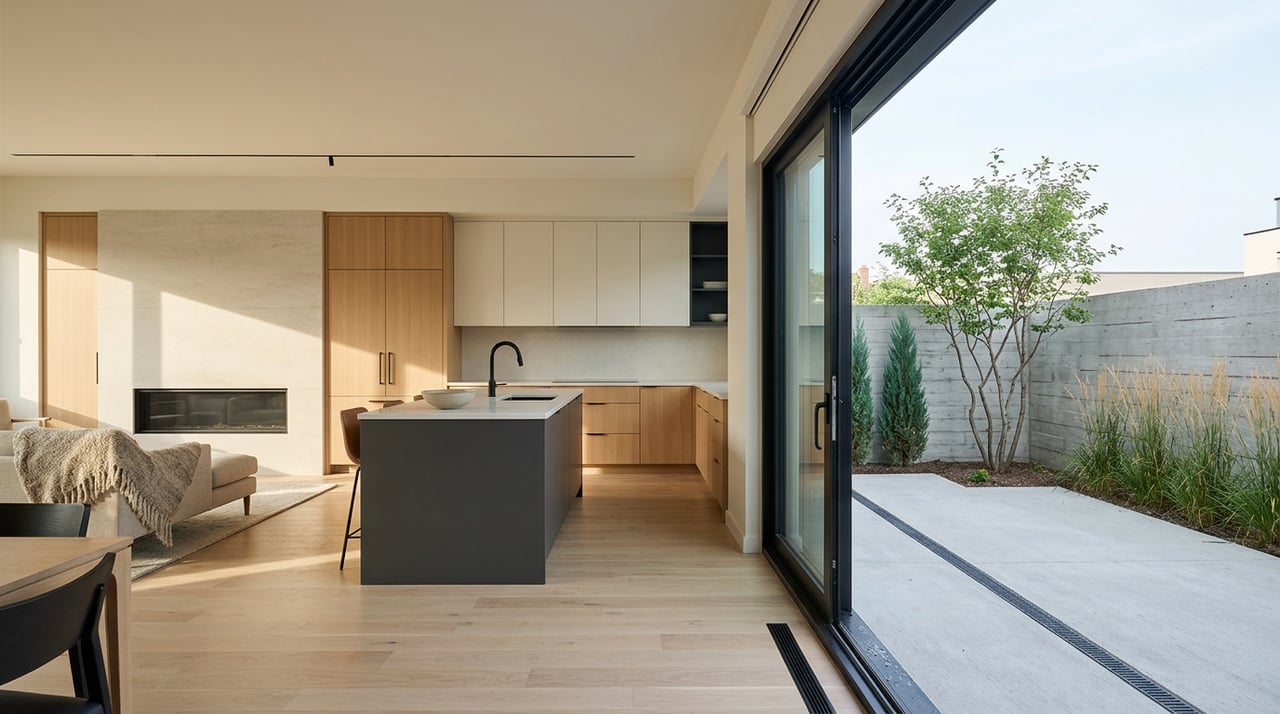
- 2000s and newer: Open plans, quartz or comparable counters, stainless or integrated appliance packages, LVP or engineered flooring, in-unit laundry, and EV conduit or optional charging in garages are common in recent builds. These expectations reflect new-construction specs and recent MLS listings; confirm unit-level upgrades in the listing (new-build example).
Buyer due-diligence checklist
- Order and review the full HOA packet: declaration, bylaws, rules, budget, financials, reserve study or policy, insurance summary, litigation or assessment disclosures, and recent minutes (Colorado DRE HOA FAQ).
- Confirm parking: assigned stalls, guest rules, towing policies, and any city permits. Walk the lot at your typical arrival time (Lakewood parking enforcement program).
- Ask your lender to verify condo project eligibility and advise on non-warrantable options if needed (Condo loan basics).
- Check association finances: reserve funding, owner delinquency rate, and upcoming capital projects. Low reserves plus planned work can signal future assessments (Colorado DRE HOA FAQ).
- Verify whether the property lies in a metropolitan or special district that adds separate taxes or fees, and review the tax history (Metro district overview).
- Align lifestyle fit: test commute options, visit at night for noise and parking, and check package delivery and building entry logistics.
How Lakewood compares nearby
Compared with smaller west-side suburbs, Lakewood offers broader condo and townhome choices, multiple mixed-use nodes like Belmar, and several W Line stations. For buyers who want options across age, size, price point, and transit access, Lakewood’s attached-home market is notably diverse (City of Lakewood plan, Jan 2024). That depth can help you find a better match without leaving the west metro.
Ready to zero in on the right building, compare recent comps, and pressure-test HOA health before you write an offer? Reach out to Colin Whitenack for a tailored search and block-by-block guidance.
FAQs
What Lakewood neighborhoods work best if I want walkability?
- Belmar’s mixed-use core concentrates dining, shopping, and cultural amenities, and offers relatively good access to RTD’s W Line for rail connections.
How do HOA dues typically work in Lakewood condos and townhomes?
- Dues cover shared costs like insurance, exterior maintenance, and amenities; they can rise with insurance and upkeep costs, so review reserves, budgets, and planned projects in the HOA packet.
What is a non-warrantable condo and why does it matter?
- If a building misses standard lending criteria, financing choices can narrow and down payments may rise, so ask your lender to check project eligibility early and discuss portfolio options.
How does parking usually work in Lakewood attached communities?
- Expect deeded or assigned spaces and posted guest rules; verify your stall on site, review the HOA’s enforcement policy, and check for any city permit zones near denser areas.
What finishes should I expect by build era in Lakewood?
- Pre-1980 units often need updates, 1980–1999 homes vary with many owner renovations, and 2000s-plus builds commonly feature open plans, modern finishes, and EV-ready features.