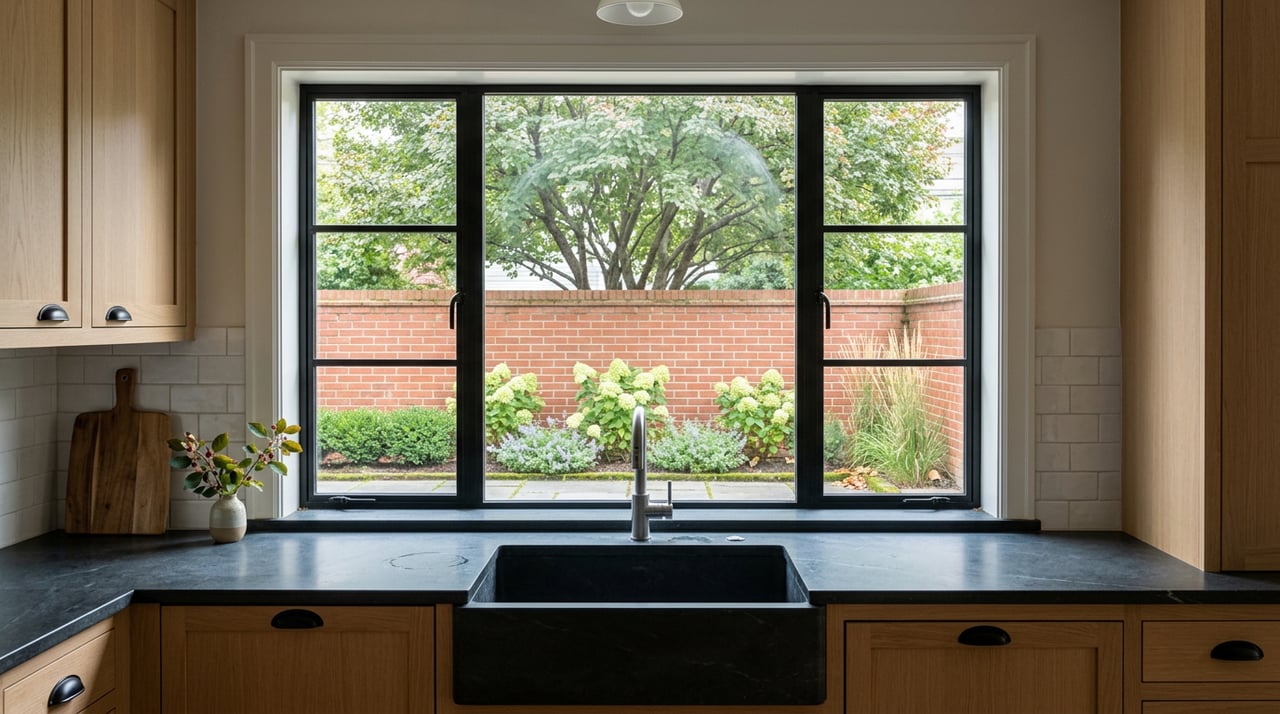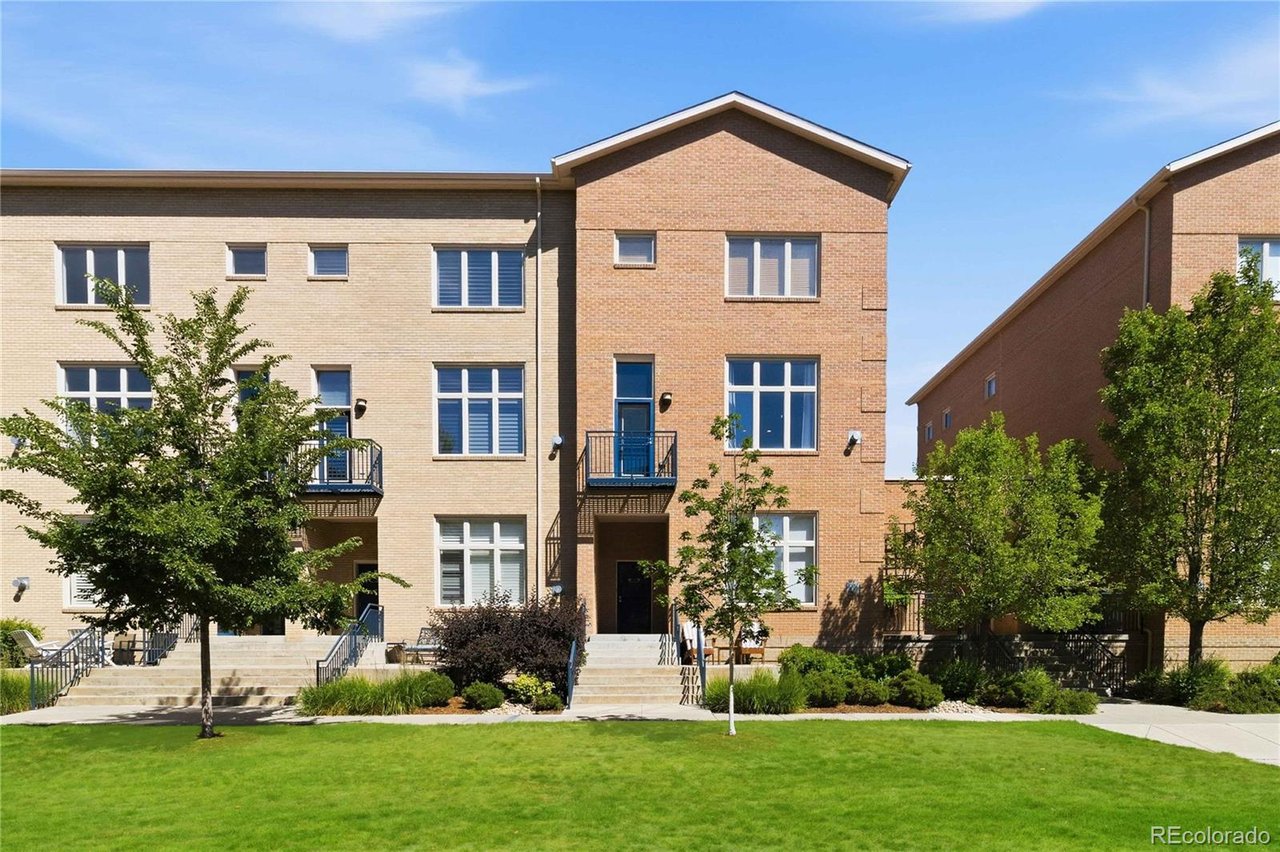
If you are getting ready to sell a condo or townhome in LoHi, you are not just selling square footage. You are selling light, views, walkability, and the full building experience. In a market where attached homes in Denver County have been taking longer to sell than detached homes, the homes that stand out tend to be the ones that feel polished, well-documented, and easy for buyers to understand. This guide will show you how to prepare your LoHi or Highlands attached home for a stronger first impression online and in person. Let’s dive in.
Why LoHi prep needs a different approach
LoHi and the broader Highlands area have a very specific appeal. According to Visit Denver’s Highlands neighborhood guide, the area is known for a mix of historic and ultra-modern architecture, walkable access, popular restaurants and shops, and connections to downtown, including views tied to the Highland Bridge and skyline.
That matters when you sell a condo or townhome. Buyers are often comparing not only your unit, but also the building, the block, the outdoor space, and how the home fits an urban lifestyle. In other words, your sale prep should help buyers immediately understand what makes your home and your location compelling.
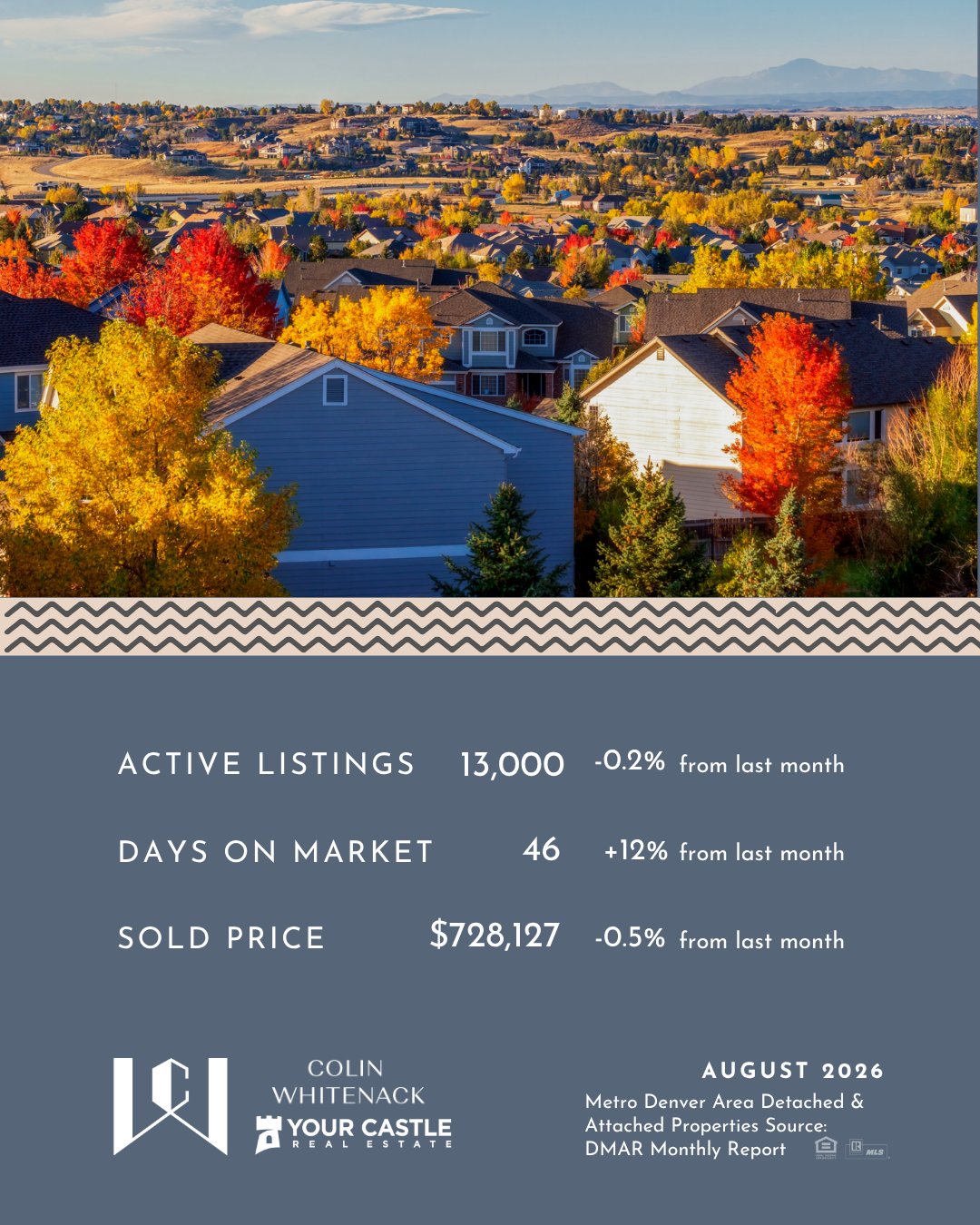
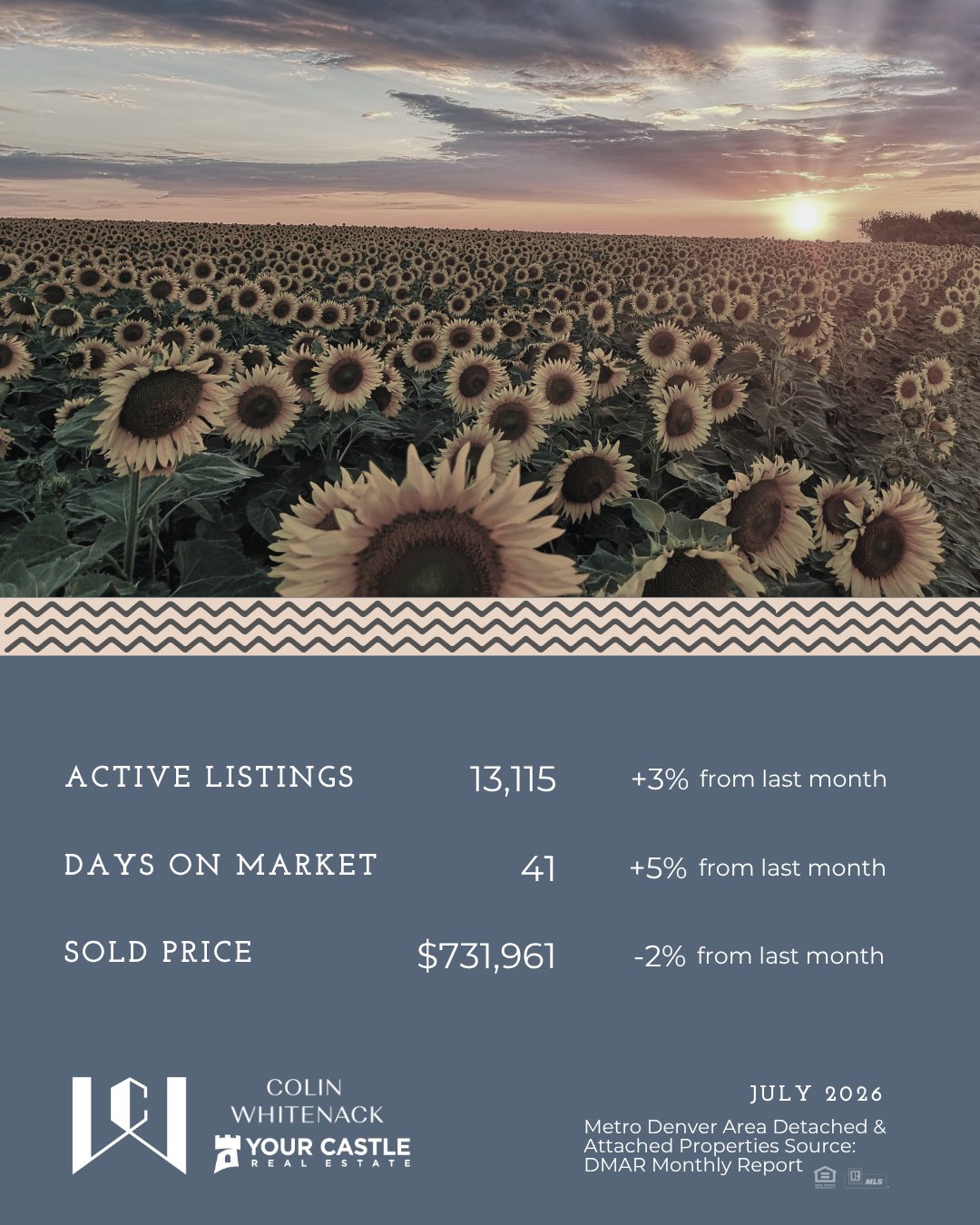
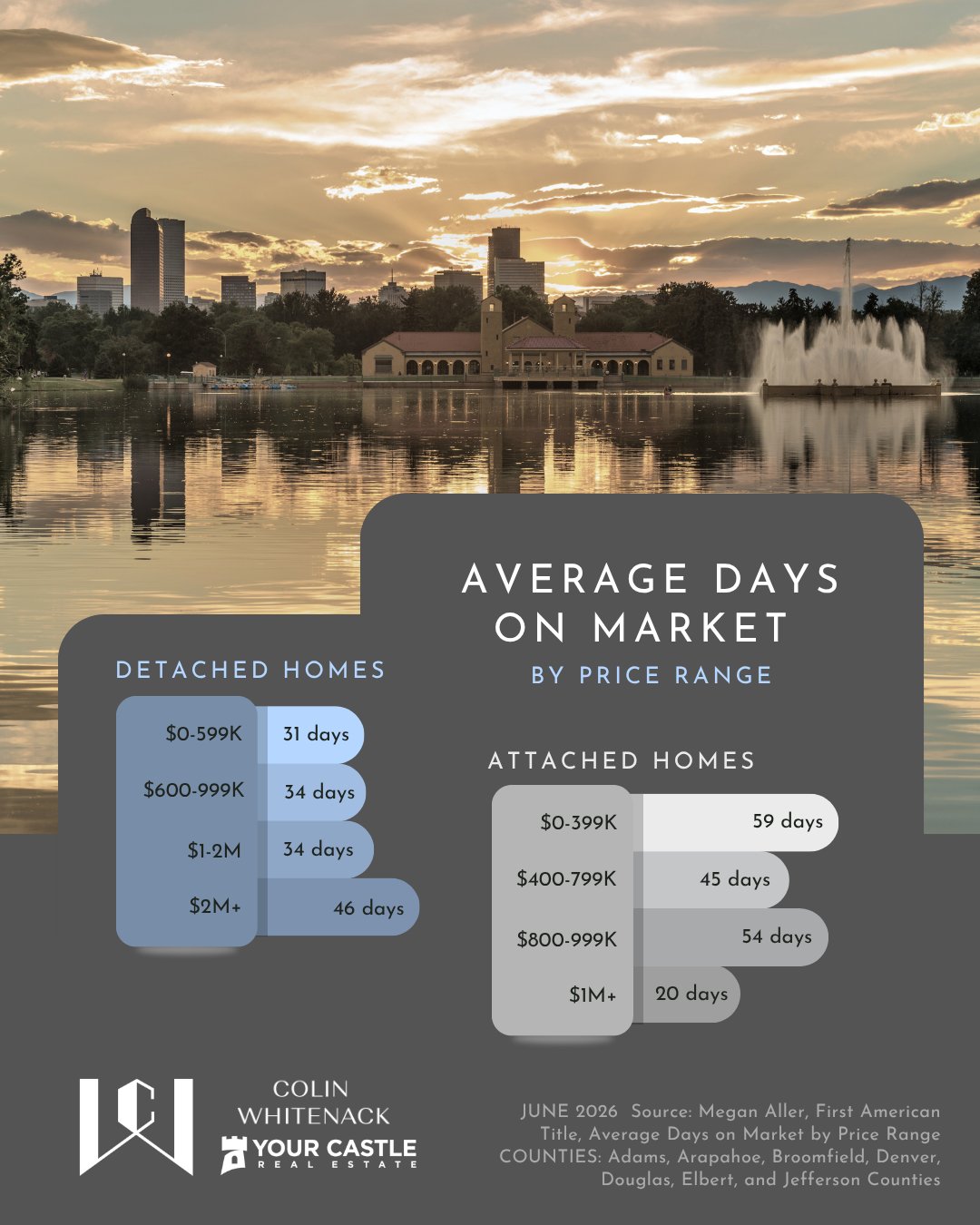
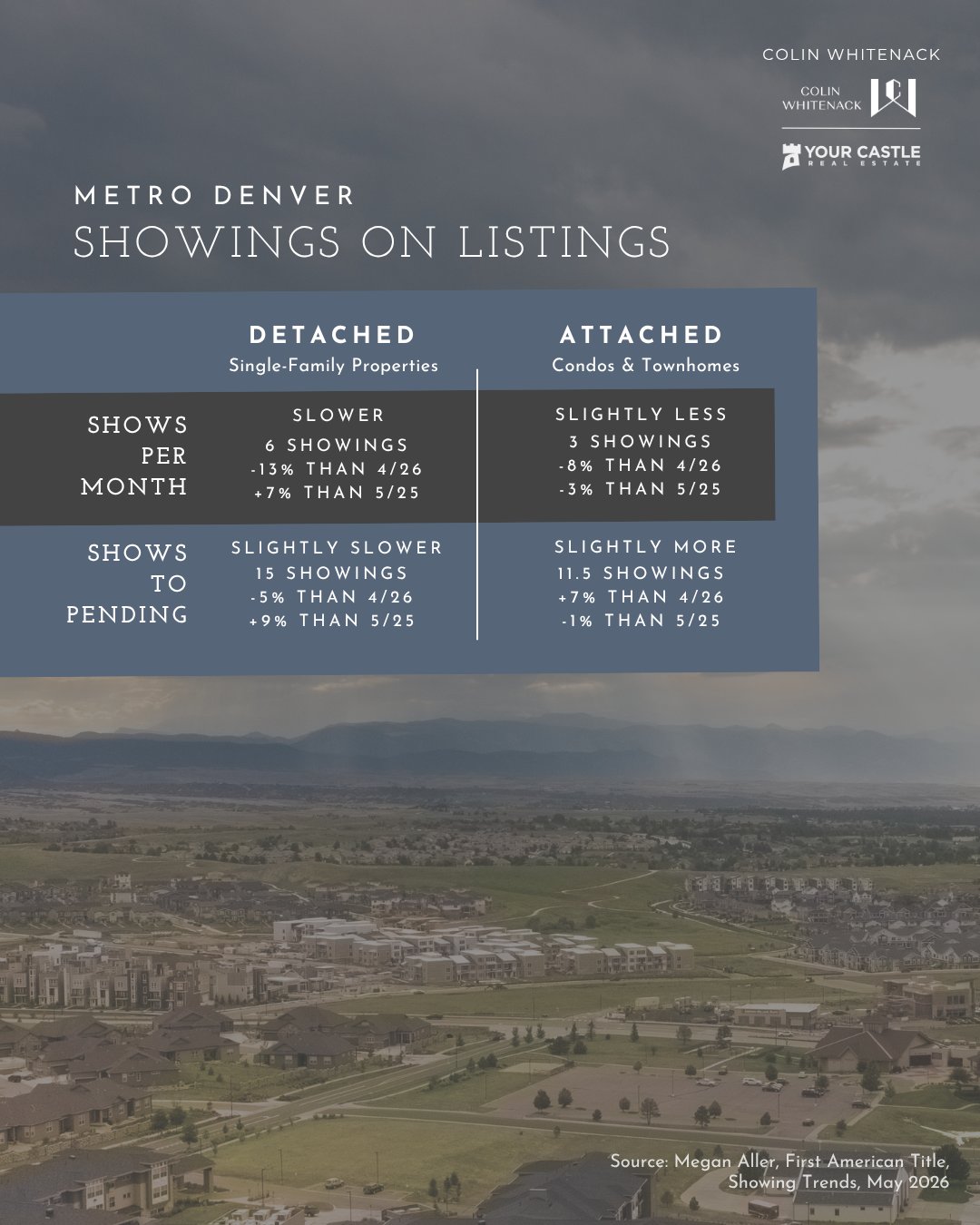
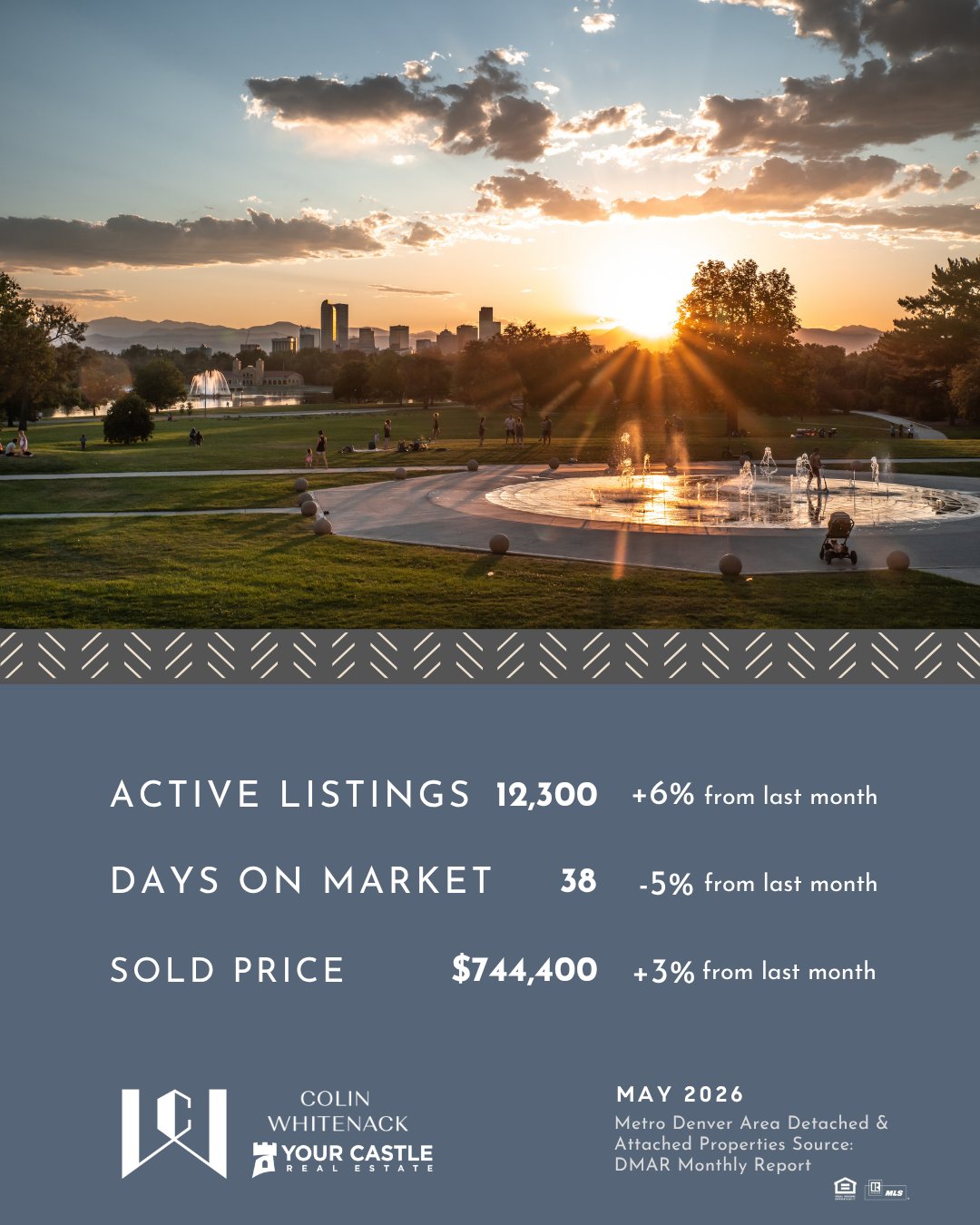
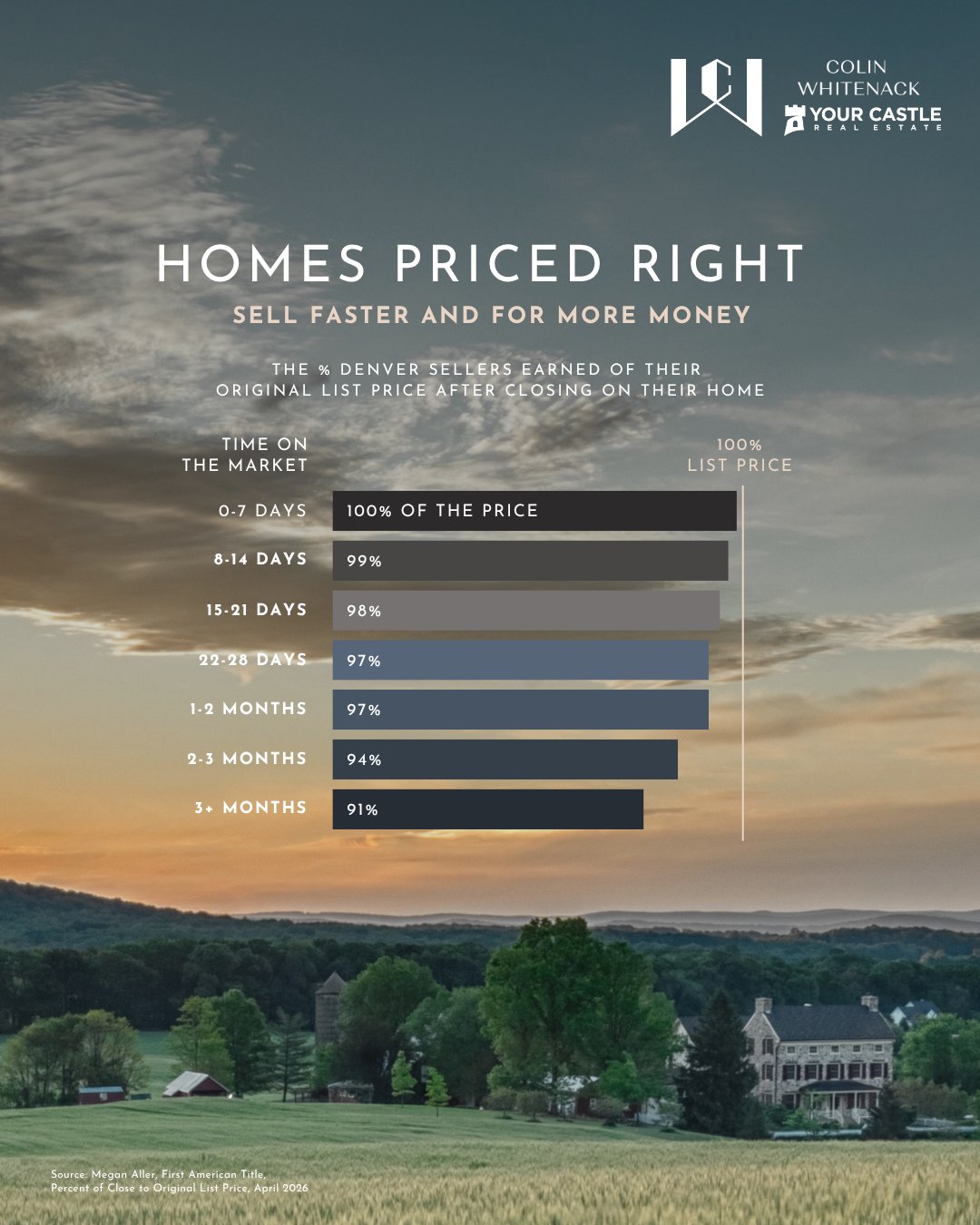
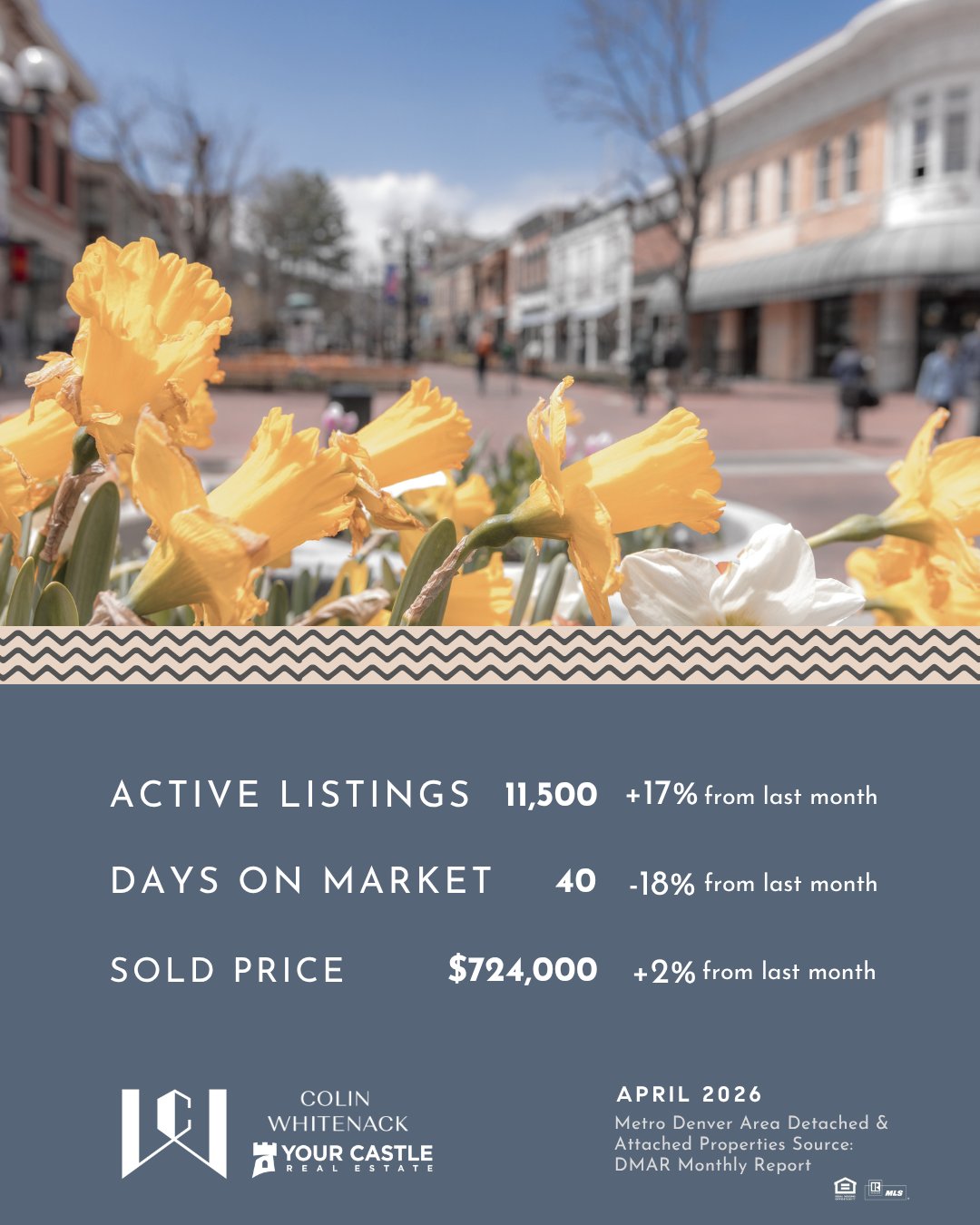
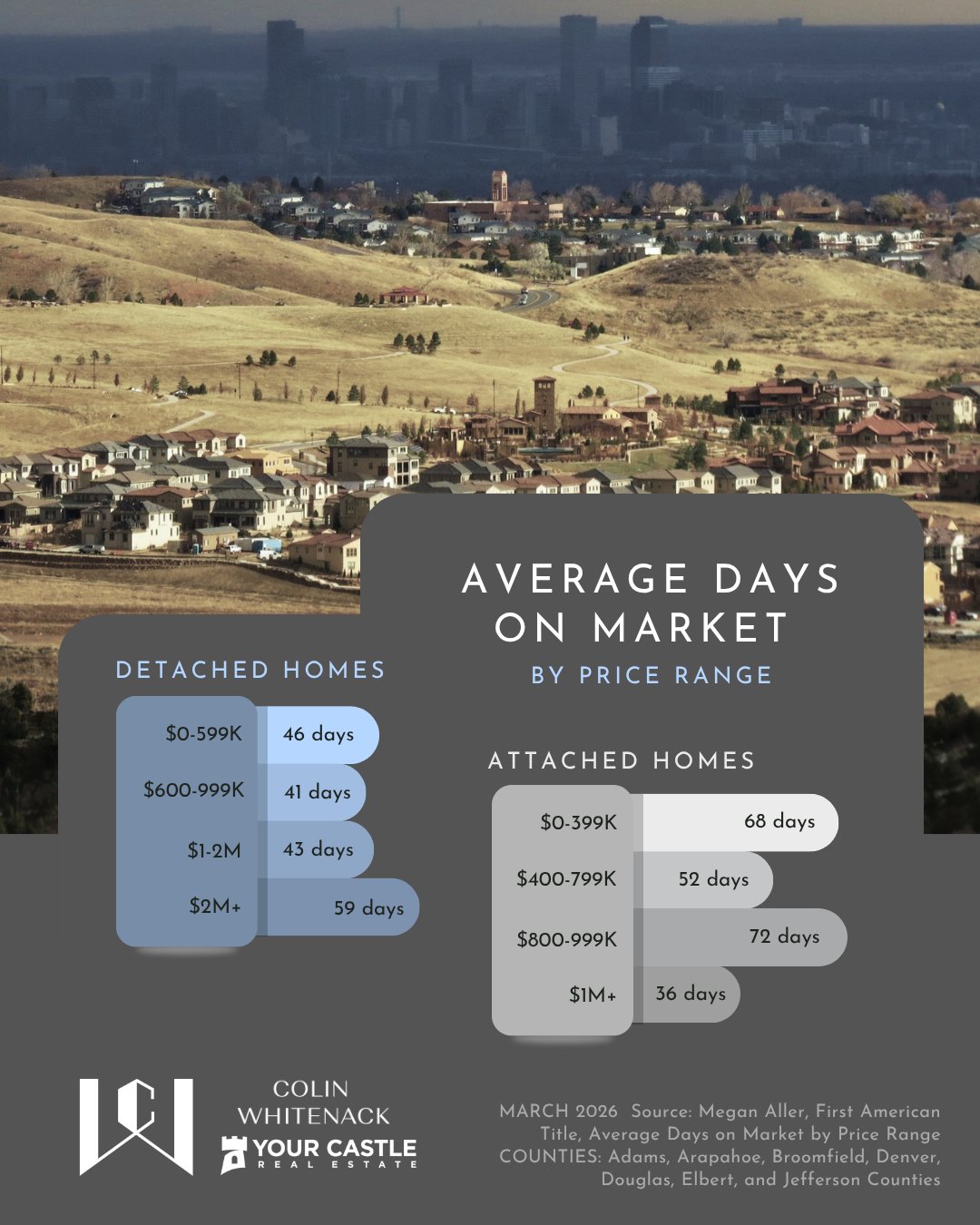
The current market also rewards discipline. In Denver County, townhouse and condo listings through February 2026 had a median sales price of $415,000 and 81 days on market, compared with $640,000 and 61 days for single-family homes, according to the Denver County market report. That slower pace means strong presentation and pricing matter even more, especially for higher-end attached homes.
Start with the rooms buyers notice first
Not every space needs the same level of effort. The smartest prep plan starts with the rooms that most influence buyer perception.
According to the National Association of Realtors 2025 staging report, the rooms most often staged were the living room, primary bedroom, and dining room. For a LoHi condo or townhome, it makes sense to prioritize the living area, primary suite, and kitchen first, because those spaces usually carry the strongest visual and emotional impact.
Your goal is simple: make the home feel brighter, larger, and more move-in ready. That usually means editing decor, reducing furniture bulk, clearing surfaces, and making sure each room has a clear purpose. Buyers should be able to picture daily life there within seconds.
Focus on space and light
Attached homes often compete on efficiency and feel, not just size. If a room is crowded, dark, or visually busy, it can read smaller than it is.
Before photos or showings, simplify wherever possible:
- Remove excess furniture
- Clear kitchen and bathroom counters
- Edit shelves and decor
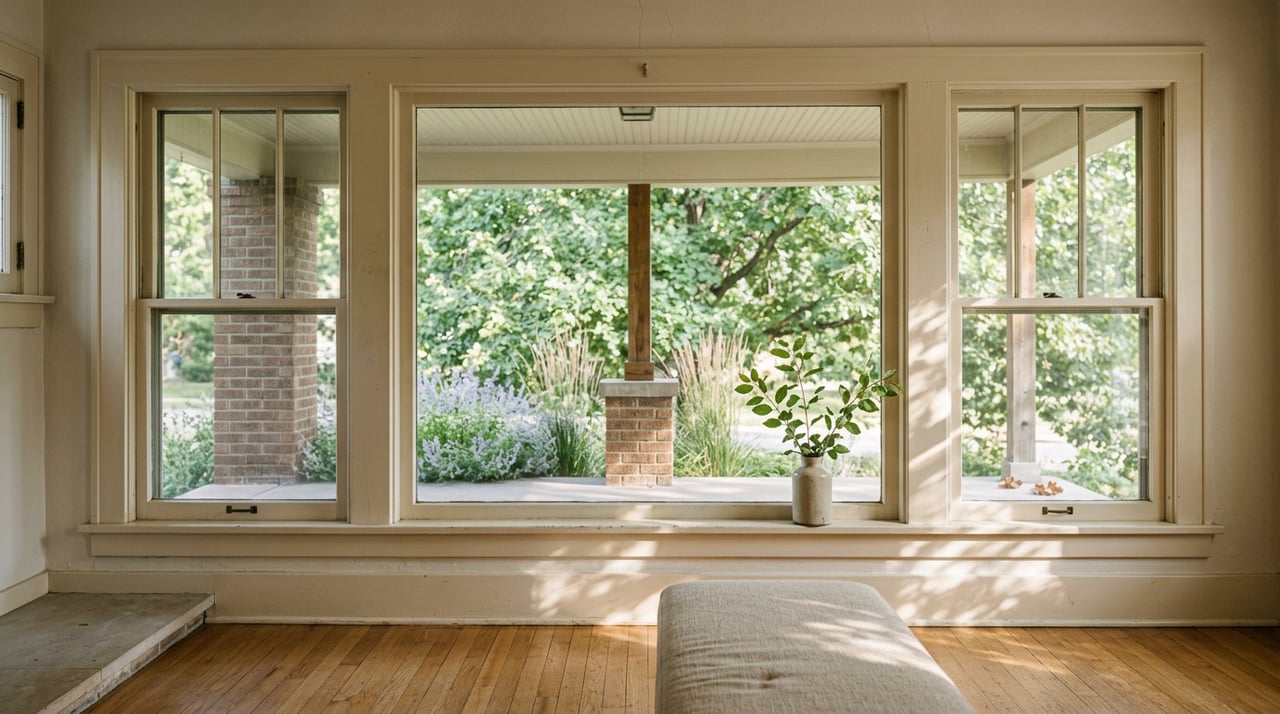
- Open blinds and curtains to maximize natural light
- Replace burned-out bulbs
- Clean light fixtures and reflective surfaces
NAR’s guidance on making listing photos shine and improving listing presentation consistently points to cleanup, balanced light, and fewer distractions as some of the most effective low-cost improvements.
Give every room a clear job
If you have a flex space, loft area, or bonus nook, define it clearly. In an attached home, ambiguous spaces can create hesitation online. A small alcove can become a clean desk setup, and a roof-access landing can feel intentional with minimal styling.
The key is restraint. You want the home to feel useful and inviting, not crowded or overly styled.
Make balconies and roof decks feel usable
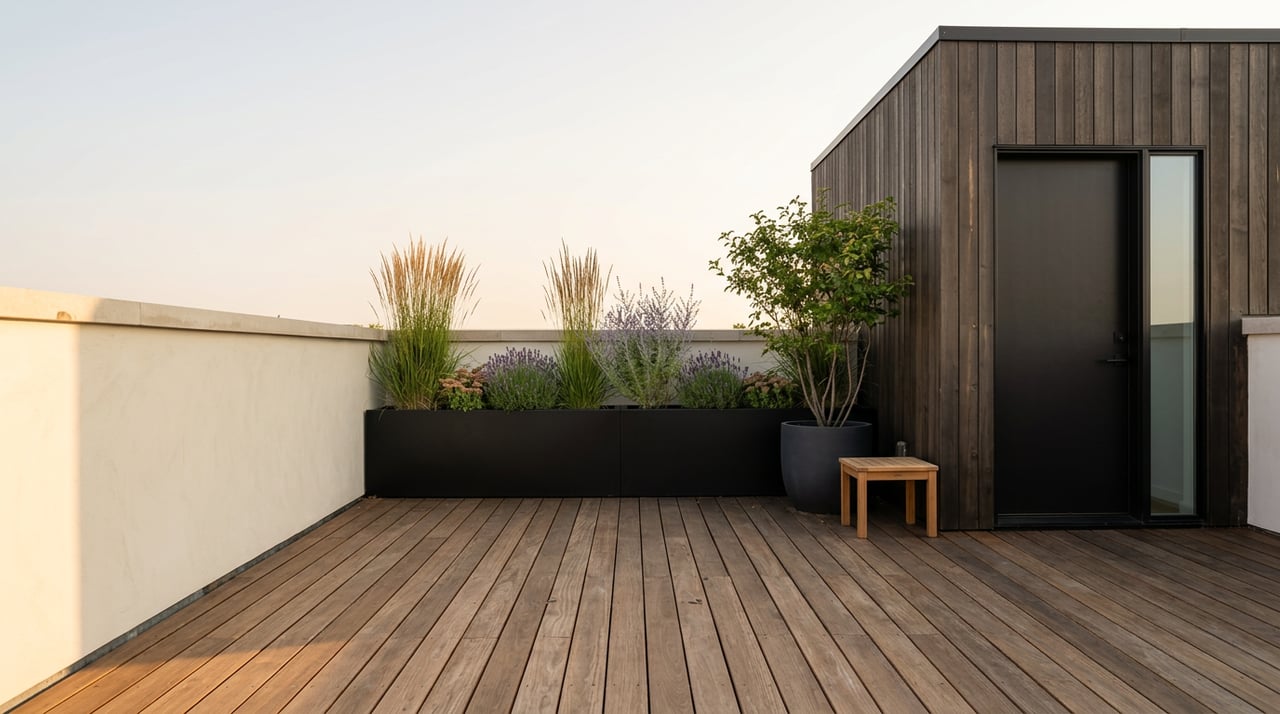
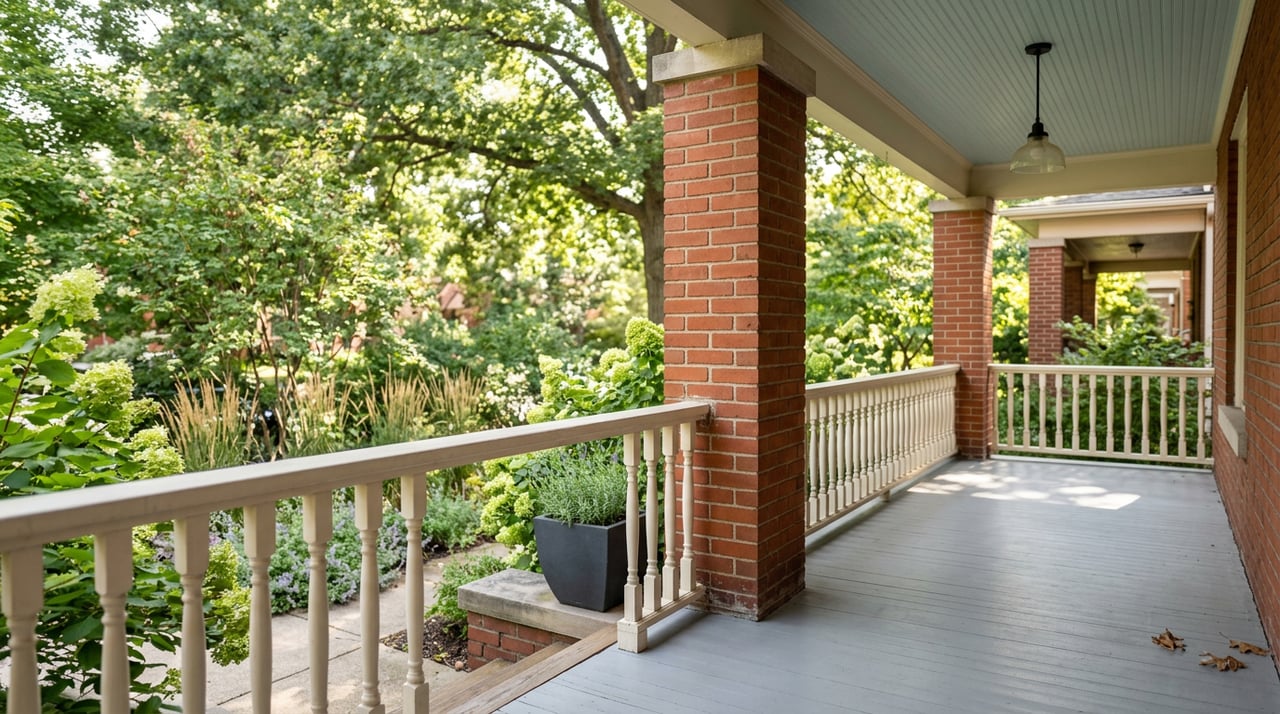
In LoHi, outdoor space can be a major selling point. A balcony, patio, or roof deck should never feel like leftover square footage.
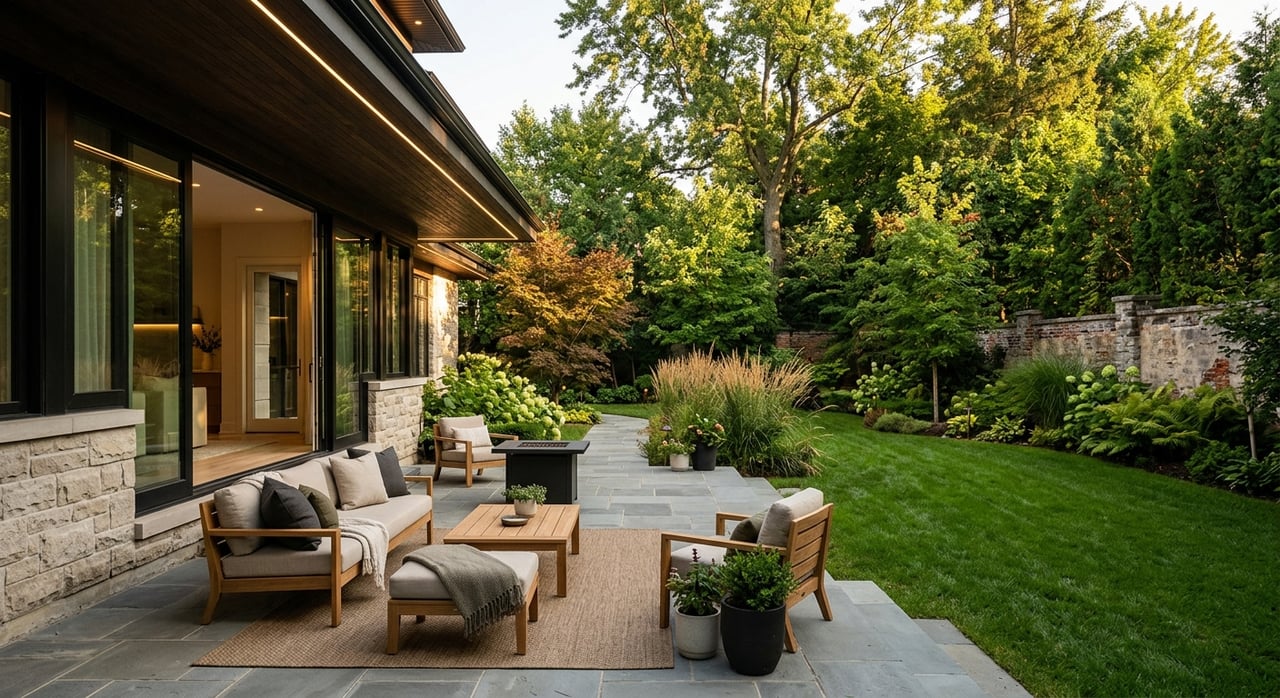
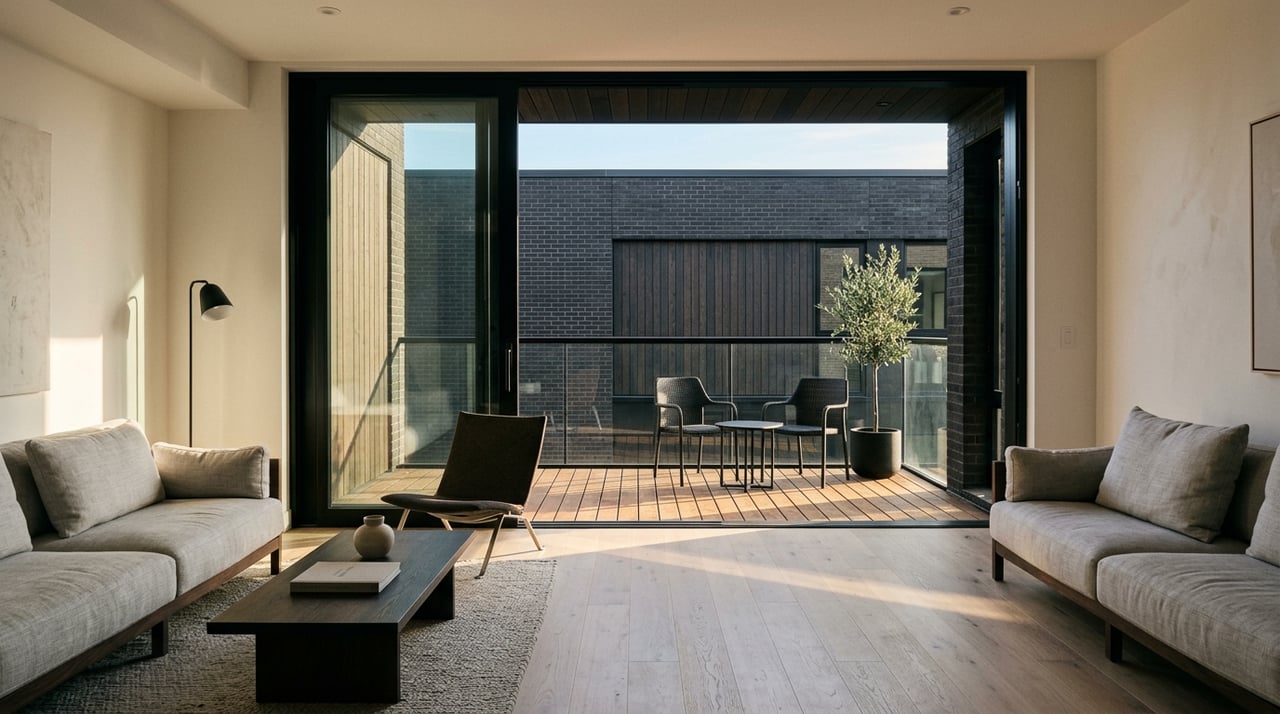
Because LoHi marketing is often view-oriented, your outdoor area should read like an extension of the living space. Based on NAR’s recommendation to photograph outdoor areas as part of the listing package, the best approach is to keep these spaces clean, uncluttered, and easy to understand in one glance.
A few practical ideas can help:
- Sweep and wash the surface
- Remove storage items and dead plants
- Add simple seating if space allows
- Use a small amount of greenery for softness
- Keep sightlines open toward views
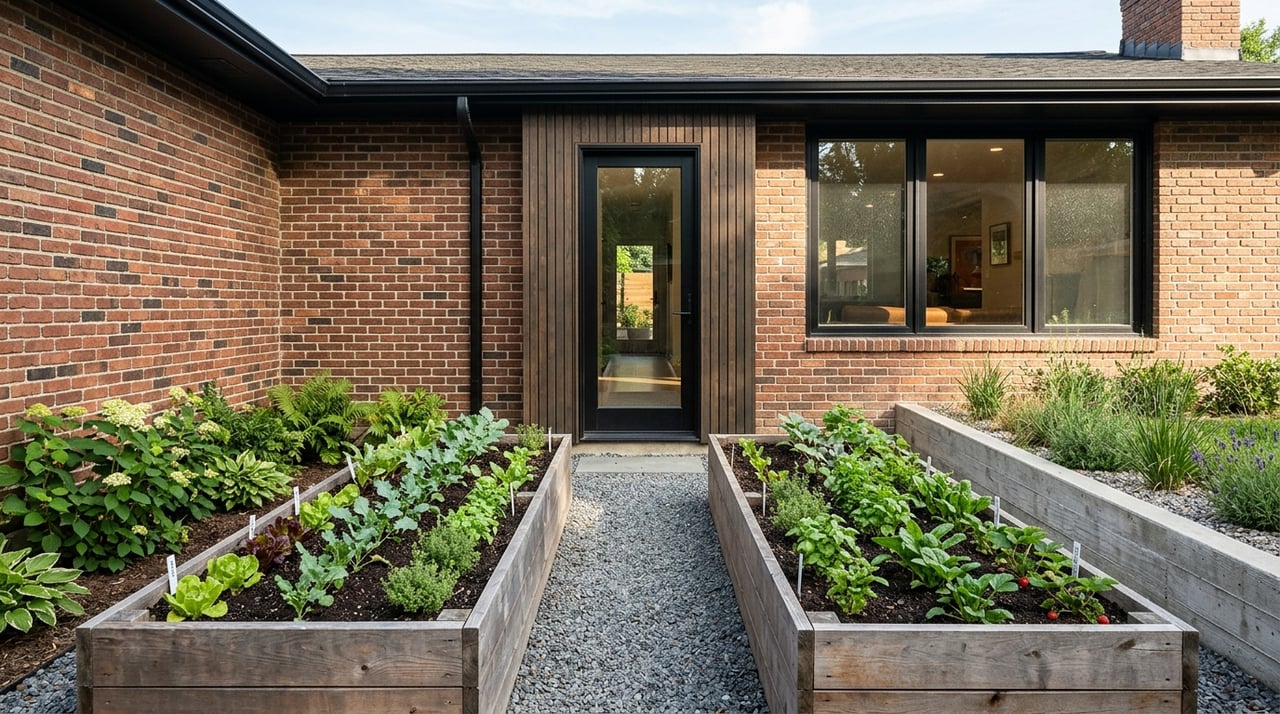
If you are considering changes to exterior-facing features such as privacy screens, planters, or finishes, check your HOA rules first. Fannie Mae’s HOA guidance notes that boards may require approval for visible exterior changes.
Prepare for a visual-first market
Most buyers will meet your home online before they ever step inside. That first digital impression can shape whether they book a showing or move on.
NAR reports that more than 90% of buyers search for homes online, and 85% say photos are the most important factor in deciding which homes to view. In separate buyer data, the most useful online features included photos, detailed property information, floor plans, virtual tours, neighborhood information, and videos. That means your listing package should do more than check a box. It should answer key buyer questions before they ask.
What your listing package should include
At minimum, a well-prepared LoHi condo or townhome should have:
- Professional photos
- A floor plan
- A video or virtual walkthrough
- Clear property details
- Relevant neighborhood context
NAR’s online listing recommendations are clear that strong listings should include as much visual information as possible, including photos, video, virtual tours, floor plans, and digital walkthroughs.
What the visuals should emphasize
For LoHi and Highlands attached homes, the strongest images usually highlight the lifestyle buyers are hoping to find. That can include:
- Natural light in the main living area
- View corridors toward downtown or bridges, when applicable
- Balcony, patio, or roof-deck usability
- Kitchen finishes and entertaining flow
- Parking and storage, if they are meaningful advantages
The goal is not to oversell. It is to quickly communicate the home’s best features in a way that feels accurate, polished, and inviting.
Price the home by building, not just neighborhood
One of the biggest mistakes sellers make with condos and townhomes is assuming the neighborhood name tells the whole pricing story. In reality, buyers and lenders often look closely at the building itself.
According to NAR’s consumer guide to condo ownership, factors such as HOA finances, reserves, special assessments, insurance, rental mix, parking, physical condition, and community rules can all influence value and financing. That is why two similar units in nearby buildings may not command the same price.
For LoHi sellers, that means the best comparable sales often come from the same building first, or from very similar buildings nearby. A broad neighborhood average may be a useful reference point, but it should not be the starting point.
Why pricing discipline matters now
The market data reinforces the need for precision. The Denver County report shows slower movement for attached homes overall, and luxury attached inventory has been especially elevated. If you price too aggressively without the building support or listing quality to justify it, your home may sit longer and lose momentum.
A better strategy is to pair realistic pricing with standout presentation. That combination gives you the best chance to attract serious early interest.
Be transparent about HOA and building details
When buyers shop for a condo or townhome, they are evaluating both a home and a shared ownership structure. If important building details are vague, buyers may hesitate.
NAR and Fannie Mae both note that buyers and lenders may review HOA or COA finances, reserve funds, special assessments, insurance, rules, common-area condition, and owner-occupancy or rental restrictions. These are not side notes. They are often central to the decision.
What buyers want to know
Your listing and sale prep should make it easier to summarize key facts such as:
- HOA dues
- What the dues cover
- Reserve health, if documented
- Any pending or recent special assessments
- Parking arrangements
- Storage details
- Rental or occupancy restrictions
- Building insurance and common-area considerations
If the dues are high, do not bury that fact. Clear context is usually more helpful than avoidance. NAR specifically notes that HOA fees and related costs are useful for online shoppers.
Write the sale story buyers remember
Good listing copy should help buyers picture life in the home. In LoHi, that means telling a concrete, accurate story about how the home lives day to day.
Instead of generic language, focus on details that matter. If your unit has skyline views, a sunny south-facing living room, a private roof deck, deeded parking, extra storage, or easy access to walkable dining and downtown connections, those are the features to lead with when they are true for the property. The Visit Denver neighborhood overview supports the importance of walkability, dining, shopping, and downtown connectivity in the area’s appeal.
The strongest sale story usually blends four things:
- The home: layout, finishes, light, views
- The outdoor space: balcony, patio, or roof deck usability
- The building: parking, storage, HOA structure, amenities
- The location: nearby restaurants, shops, and pedestrian access when applicable
When those pieces are aligned, buyers can understand the full value of the home more quickly.
Create a prep plan before listing day
If you want your LoHi condo or townhome to stand out, preparation should feel intentional, not rushed. A thoughtful plan helps you make stronger decisions about what to fix, what to style, what to disclose, and how to position the property from day one.
A practical pre-listing checklist includes:
- Declutter and depersonalize the main living spaces
- Prioritize the living room, kitchen, and primary suite
- Clean and brighten every room
- Refresh lighting and replace bulbs
- Stage or style outdoor space for usability
- Review HOA rules before visible exterior changes
- Gather HOA, insurance, parking, and assessment details
- Prepare professional photos, floor plan, and video assets
- Price using building-specific comparable sales
Selling in LoHi is rarely about one single feature. It is about presenting a complete urban living package with clarity and confidence. If you want a tailored prep strategy for your condo or townhome in Highlands or LoHi, Colin Whitenack can help you position the home thoughtfully, market it beautifully, and bring the right details forward from the start.
FAQs
Which rooms matter most when preparing a LoHi condo or townhome for sale?
- The living room, primary bedroom, and kitchen should usually come first because they have the biggest impact on how buyers experience the home online and in person.
How should a LoHi balcony or roof deck look before listing photos?
- It should look clean, uncluttered, and usable, with simple seating or greenery if space allows and HOA rules permit.
What marketing materials should a LoHi condo or townhome listing include?
- At minimum, you should have professional photos, a floor plan, a video or virtual walkthrough, detailed property information, and neighborhood context.
What HOA details should sellers share for a LoHi attached home?
- Buyers usually want to understand HOA dues, what the dues cover, reserves, special assessments, insurance, parking, storage, and any rental or occupancy restrictions.
Why do two LoHi condos in nearby buildings sometimes have different values?
- Values can vary based on building condition, reserve funds, assessments, insurance, parking, rental mix, and amenity structure, not just location or square footage alone.